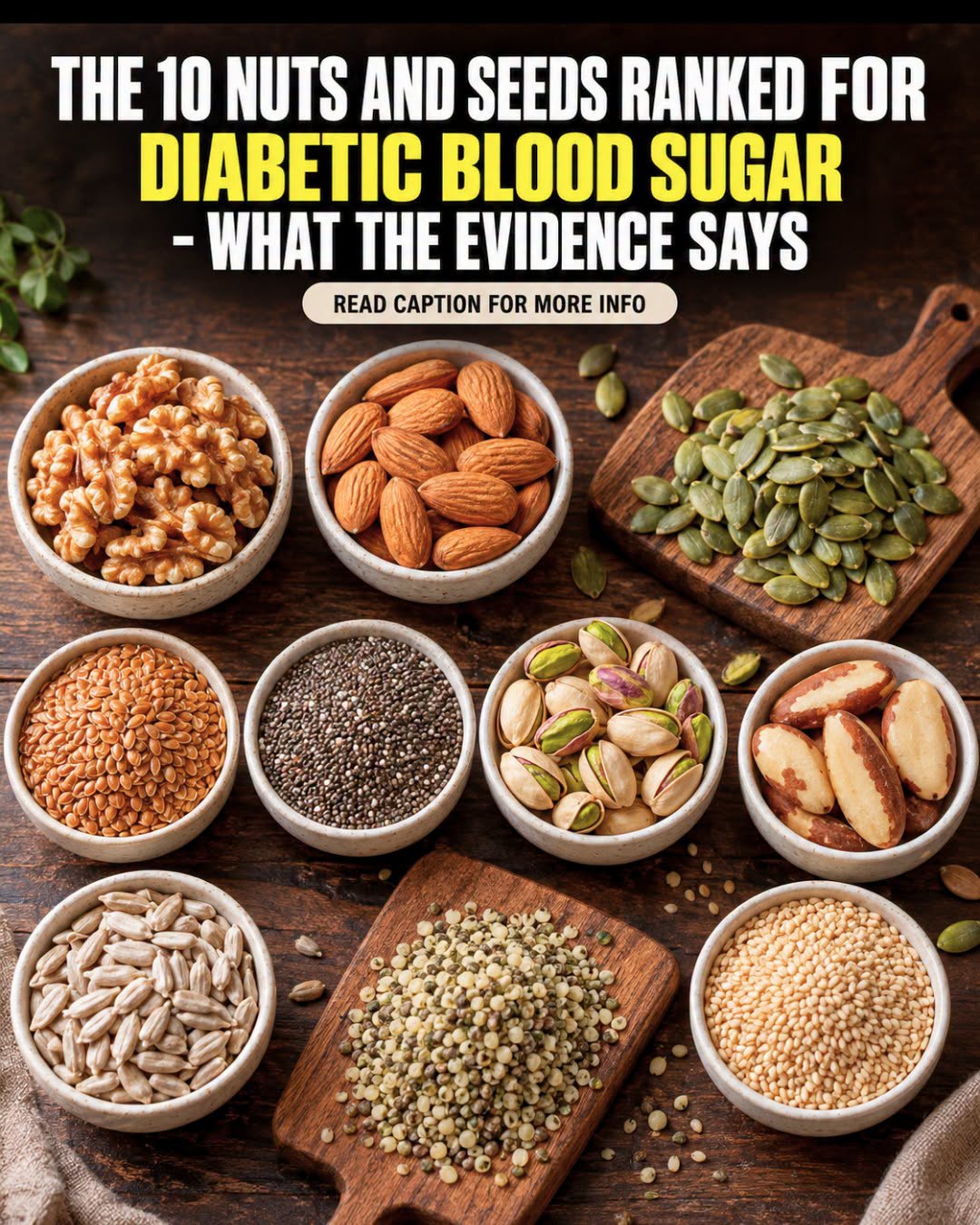
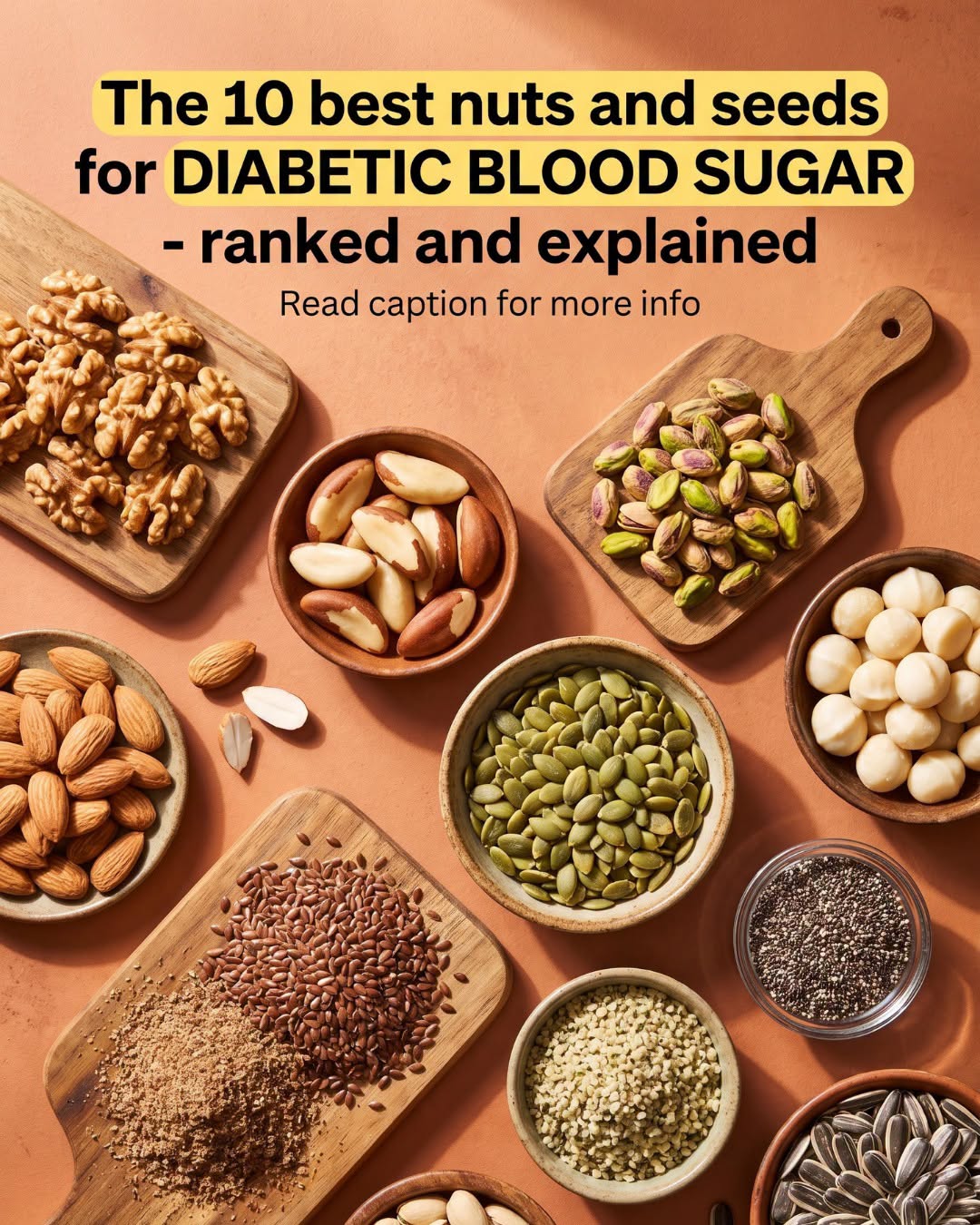
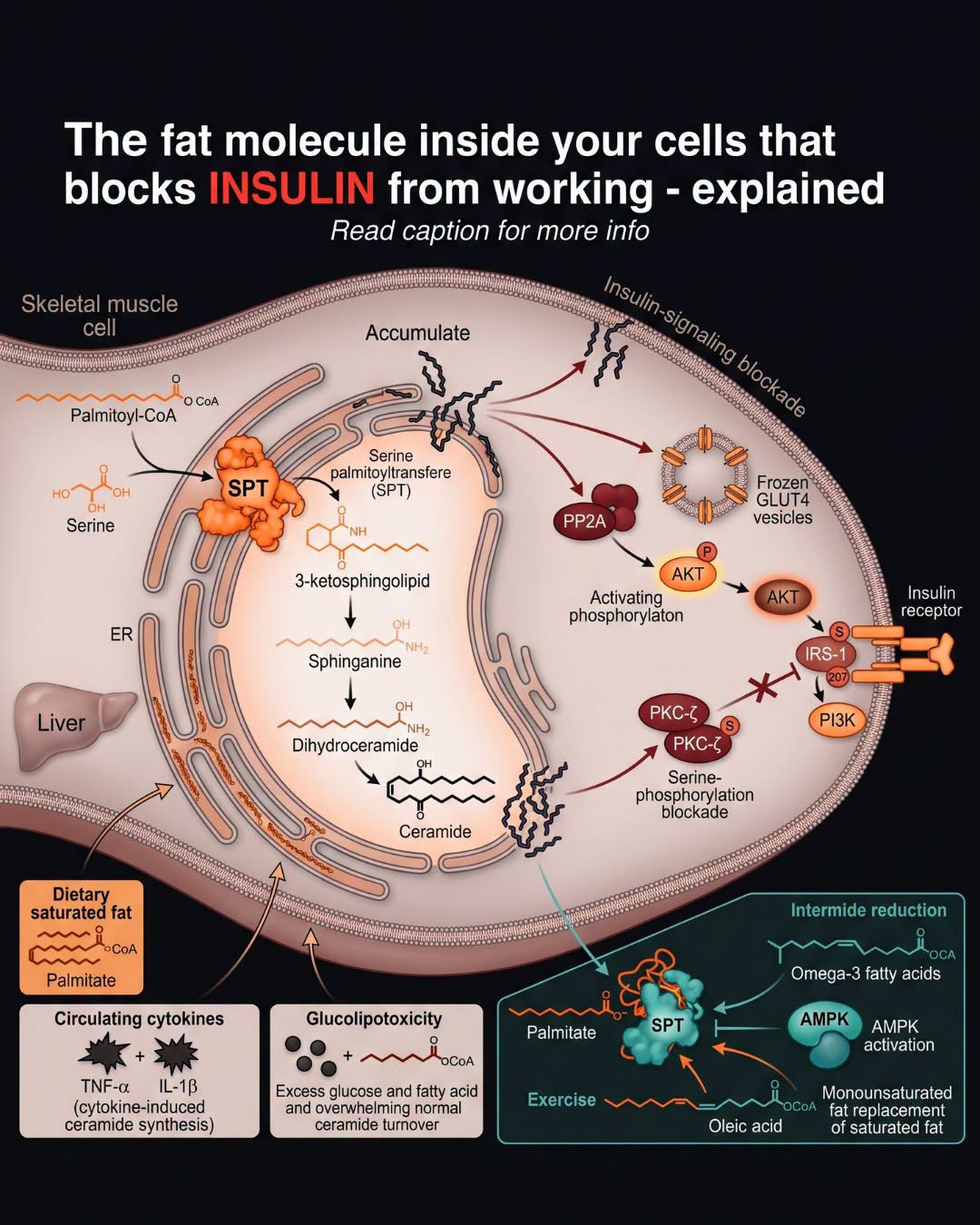
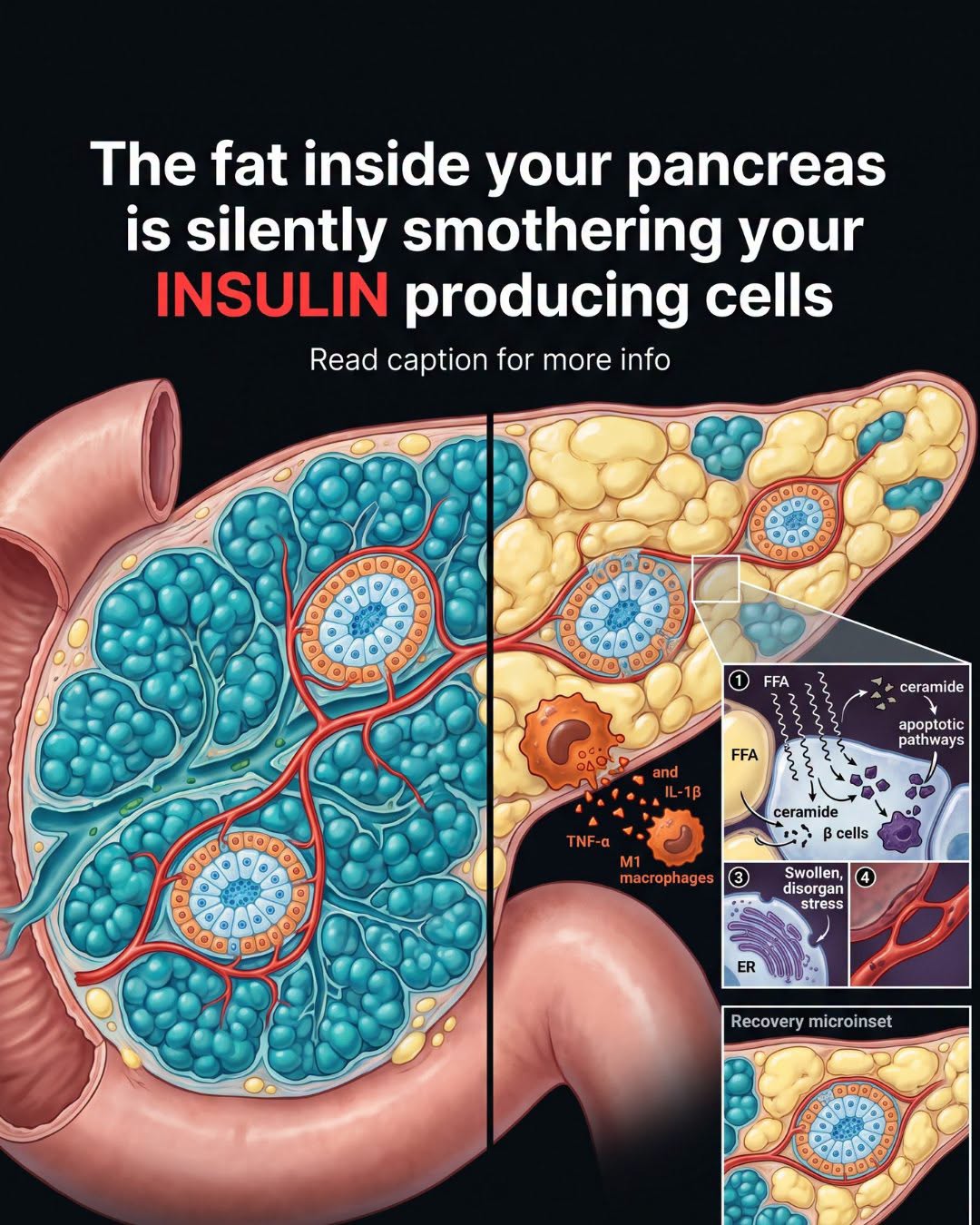
Nuts and seeds are the most consistently underutilized anti-diabetic food category available - producing measurable blood sugar benefits through multiple simultaneous mechanisms, providing the most nutrient-dense caloric delivery of any snack category, and requiring zero preparation. A 30-gram daily serving of the right nuts or seeds reduces post-meal blood glucose peaks, improves insulin sensitivity, reduces LDL-cholesterol, and provides the magnesium, zinc, chromium, and alpha-lipoic acid that address the micronutrient deficiencies most specifically damaging to insulin signaling in Type 2 diabetes.
Walnuts lead the clinical evidence base for any nut in Type 2 diabetes. The specific combination of ALA omega-3 (2.5 grams per 30 grams), ellagitannins converting to urolithin A supporting beta cell mitochondrial biogenesis, arginine providing nitric oxide supporting endothelial glycocalyx regeneration, and polyphenols including juglone with emerging anti-hyperglycemic properties makes walnuts the most comprehensively anti-diabetic nut available. Multiple randomized controlled trials confirm HbA1c reduction and fasting glucose reduction from regular walnut consumption in Type 2 diabetics.
Almonds provide the highest magnesium content per gram of any common nut (76mg per 30 grams) - addressing the magnesium deficiency present in the majority of Type 2 diabetics that impairs insulin receptor tyrosine kinase function. Vitamin E from almonds protects beta cell membranes from oxidative stress. Post-meal almond consumption (30 grams before a carbohydrate meal) reduces post-meal glucose peaks by approximately 30 percent in clinical studies.
Pumpkin seeds - the most complete single anti-diabetic seed. Provide 2.2mg zinc per 30 grams addressing the zinc-insulin receptor structural deficiency, meaningful chromium addressing the chromodulin-amplification deficiency, magnesium, and cucurbitacin compounds with emerging alpha-glucosidase inhibiting properties. The most comprehensive micronutrient anti-diabetic profile of any seed.
Flaxseeds - the highest ALA omega-3 content of any seed (6.3 grams per 30 grams) alongside the highest lignan content of any food (secoisolariciresinol diglucoside - SDG - a phytoestrogen with specific insulin-sensitizing properties confirmed in clinical trials in Type 2 diabetics). Ground flaxseed only - whole seeds pass undigested. One tablespoon of ground flaxseed in oats or yogurt daily produces measurable fasting glucose reduction.
Chia seeds - the highest soluble fiber content of any seed (10 grams per 30 grams) forming the most viscous hydrogel of any common food fiber - expanding to 10 times their dry volume in water and forming a gel in the stomach and small intestine that dramatically slows gastric emptying and glucose absorption. Chia consumed before or with a carbohydrate meal reduces post-meal glucose peaks by 15 to 22 percent in clinical studies specifically in Type 2 diabetics.
Pistachios provide the highest arginine content of any nut alongside lutein and zeaxanthin (the same compounds that protect retinal tissue) and the lowest caloric density of any nut from their high protein content. Clinical trials confirm post-meal blood glucose reduction from pre-meal pistachio consumption.
Brazil nuts - the most concentrated dietary selenium source available (70 to 90 micrograms per single nut versus the RDA of 55 micrograms) - selenium being an essential cofactor for glutathione peroxidase that protects beta cell mitochondria from the oxidative stress of chronic hyperglycemia.
Hemp seeds - the most complete plant amino acid profile alongside the most favorable omega-6 to omega-3 ratio of any common seed, providing GLA (gamma-linolenic acid) with anti-inflammatory properties distinct from the omega-3 pathway.
Sunflower seeds - the highest vitamin E content of any seed (7.4mg per 30 grams - 49 percent of daily requirement) alongside significant magnesium and chromium.
Sesame seeds - the highest lignan content after flaxseed (sesamin and sesamolin) with anti-inflammatory properties and tahini providing the most accessible whole-sesame delivery format.
Key takeaway: 30 grams of mixed walnuts, almonds, and pumpkin seeds daily provides the most complete anti-diabetic micronutrient delivery available from a single food habit - magnesium, zinc, chromium, ALA omega-3, vitamin E, and ellagitannins simultaneously. The 30-gram daily handful is the single easiest dietary intervention in this series.
Tag a friend who snacks on crisps when a handful of mixed nuts would do more for their blood sugar. Down arrow
📌 RESOURCES
Walnuts and HbA1c in Type 2 Diabetes - PubMed search: "walnuts HbA1c fasting glucose randomized controlled trial Type 2 diabetes"
American Diabetes Association - Nuts and Diabetes - nutrition recommendations section
Chia Seeds Post-Meal Glucose - PubMed search: "chia seeds postprandial glucose viscous fiber Type 2 diabetes"
#Diabetes #Type2Diabetes #DiabetesDiet #BloodSugar #DiabetesAwareness