Gerry's Story
Introduction
- Gerry Kurth has a remarkable story of reversing his coronary calcium score over time through lifestyle changes and tracking relevant biomarkers. He makes a compelling case that the standard of care failed him twice - first leading to his need for a heart stent, and second by dismissing concerning follow-up test results.
- Gerry has been tracking cardiovascular and metabolic markers for 35 years, since age 35. He has diligently maintained detailed spreadsheets and medical records. At age 71, despite following medical advice and having generally good markers, he experienced angina and needed a heart stent placed due to a 90% LAD artery occlusion.
- After this wake-up call, Gerry changed his approach and lifestyle. He focused on four key areas for tracking and improvement: lipids, inflammation, glucose, and imaging. Over the next several years, he continued tracking markers, lowered carbohydrates, added supplements like niacin, and repeated his coronary calcium scoring.
Key Tracking Areas
Lipids
- Statin therapy after the stent lowered Gerry's total and LDL cholesterol significantly. Over time and with lifestyle changes, his HDL increased while triglycerides/HDL ratio decreased to under 1.
Inflammation
- Expanding testing to include more advanced inflammation markers like hsCRP demonstrated that Gerry had well-controlled inflammation. Ongoing monitoring will help ensure this remains managed.
Glucose
- Despite decades of fasting glucose under 100 and A1c under 5.7, oral glucose tolerance testing shocked Gerry by revealing post-prandial spikes over 200. This indicated significant insulin resistance and metabolic dysfunction despite standard markers being dismissed as OK.
- Addressing diet (especially carbohydrates) and considering medications like metformin became a priority to control glucose and insulin dynamics. Ongoing oral glucose testing demonstrates variability even month-to-month, highlighting the need for testing beyond single timepoint blood glucose or A1c values.
Imaging
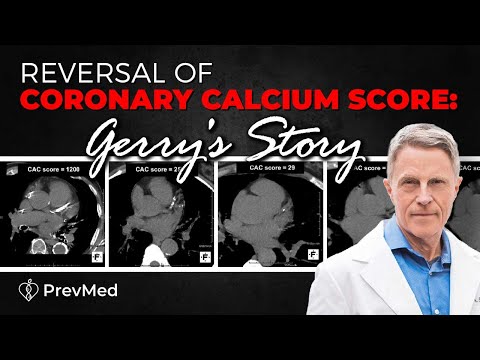
- Coronary calcium scoring over time, starting at age 69, revealed concerning rapid increases. However, under further study and improvements in other areas like lipids and carbohydrates, the score stabilized and then reversed, consistent with positive atherosclerotic changes.
- CT angiograms provide impressive visualization of actual blood vessel plaque buildup and areas of stenosis. This can further motivate patients to adhere to prevention and treatment protocols.
Genetics
- Gerry identifies genetic variants linked to cardiovascular disease risk as another area warranting investigation. However, he notes that while genes may "load the gun", lifestyle clearly "pulls the trigger" in terms of realised CVD outcomes.
Conclusions
- Standard practices failed to prevent Gerry's cardiovascular event or identify his risk before it was too late. Advanced testing and tracking of non-traditional markers revealed significant metabolic dysfunction requiring intensive management.
- Addressing root causes like inflammation and hyperinsulinemia through nutrition and lifestyle changes, rather than relying solely on medications, facilitated improvement.
- Success requires consistency and patience. Gerry demonstrated commitment over decades. Timelines matter when gauging impacts of changes.
- Standard blood glucose and A1c cutoffs are dangerously ineffective at identifying at-risk patients like Gerry. Oral glucose tolerance testing is far superior for diagnosing issues with glucose management.
- Coronary calcium scores can spike, counterintuitively, in the short term even as positive atherosclerotic changes occur. Longitudinally decreasing scores clearly correlate best with prognostic improvements.
In summary, Gerry makes a compelling case for patients taking ownership of tracking and managing all key cardiovascular health markers through nutrition, exercise, and select medications or supplements under medical supervision. His approach combines consistency, patience, and accountability over the decades-long atherosclerosis timeline. By demonstrating the inadequacies of mainstream practices - failing him twice despite discipline and diligence - Gerry's experience highlights the need for greatly increased access to advanced testing, multi-marker tracking, and lifestyle treatment toward heart disease prevention.
Gerry's interventions
- Started statin therapy (Lipitor initially) after stent placement
- Reduced carbohydrate intake, about 1 year after stent
- Added niacin supplementation, about 2 years after stent
- Switched statins over time - tried different ones like Crestor and Livalo
- Lost significant weight over past 3-4 years
- Takes CoQ10 to help offset potential statin effects
- Considers (or takes) metformin to help control glucose and insulin
- Takes vitamin K2
- Follows a Mediterranean style diet - cooks wholesome foods at home
- Engages in regular exercise like high intensity interval training
- Undergoes repeat testing and tracking of key markers like lipid panels, HbA1c, fasting glucose, CRP, CT angiograms and calcium scoring
 ▶