Study Summary: Niacin Metabolite and Cardiovascular Disease Risk (Ferrell et al., 2024)
Conclusions:
The research challenges the traditional understanding of niacin, a B vitamin often used as an over-the-counter supplement and mandated for food fortification in many countries. Through metabolomic analyses of blood samples from patients undergoing cardiac evaluations, they identified that elevated levels of 2PY and 4PY, the terminal metabolites of niacin, are associated with heightened cardiovascular disease (CVD) risks, particularly 4PY which drives vascular inflammation. This is concerning given the high niacin intake in Western diets due to fortification (35-48 mg/day vs. RDA of 14-18mg/day) This contrasts with historical niacin deficiency leading to pellagra.
Key Points:
- Untargeted Metabolomics: A novel approach was used to identify unknown compounds in the blood that could predict heart disease risks, independent of traditional risk factors. One such compound was discovered to be a mixture of 2PY and 4PY.
- Validation and Genetic Links: In two separate groups of patients (one in the US and one in Europe), high 2PY or 4PY blood levels were linked to a higher risk of major adverse cardiac events (MACE) over three years, even when considering other risk factors including renal function. The association of 2PY with MACE was impacted by renal function, but 4PY remained significant across all subgroups. This link was further solidified by genetic studies.
- ACMSD Gene's Role: Both metabolites were found to be regulated by the ACMSD gene, validated through genetic studies in humans and mice. A specific genetic variant (rs10496731) in ACMSD was found to influence the levels of 2PY and 4PY with the T allele leading to decreased ACMSD activity and more production of 2PY and 4PY. This variant was consistently associated with higher levels of both metabolites across all the cohorts studied.
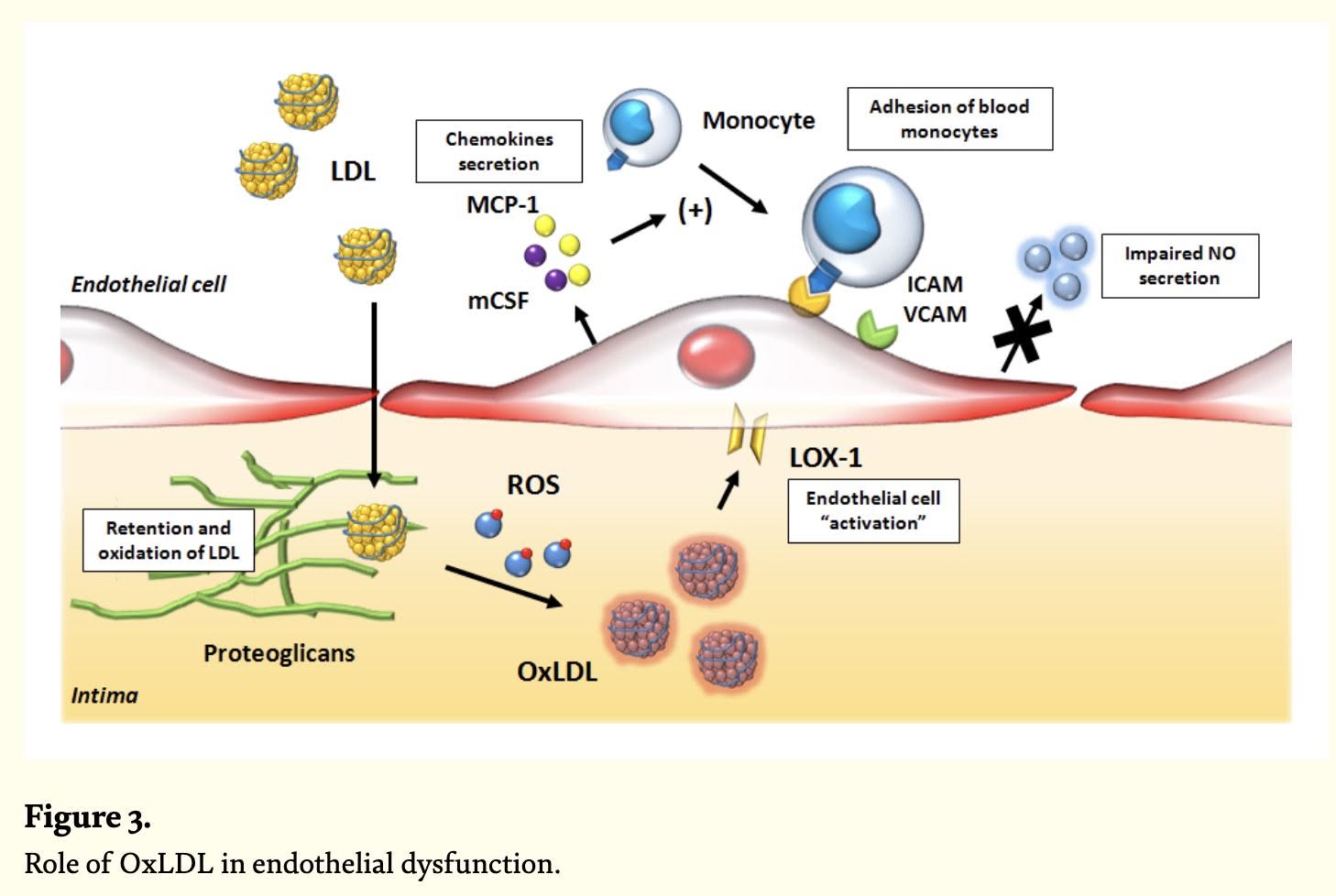
- Vascular Inflammation Connection: The same genetic variant in the ACMSD gene was also associated with levels of sVCAM-1, a marker of vascular inflammation. The T allele of rs10496731 was associated with reduced ACMSD activity which was linked to increased sVCAM-1 levels. This was confirmed in the US validation cohort and further supported by a larger meta-analysis of multiple cohorts including over 100k individuals.
- 4PY's Biological Activity: In experiments, 4PY was shown to directly increase the production of VCAM-1 in both human endothelial cells and mice. 4PY but not 2PY caused VCAM-1 expression and leukocyte adhesion. This provides a direct link between this niacin metabolite, vascular inflammation, and a potential mechanism for increased cardiovascular risk.
- Mendelian Randomization Null Results: MR analyses did not find a causal association between elevated 2PY/4PY levels and CVD events. This could be due to limitations in the genetic variant used (rs10496731) being a weak predictor of 2PY/4PY levels, thus limiting the study's power to detect a clear causal link but direct functional testing did show 4PY activity.
Numerical Results:
- MACE Risk with elevated 2PY:
US validation cohort: HR 1.64 (95% CI 1.10-2.42)
European validation cohort: HR 2.02 (1.29-3.18)
- MACE Risk with elevated 4PY:
US validation cohort: HR 1.89 (1.26-2.84)
European validation cohort: HR 1.99 (1.26-3.14)
These hazard ratios remain significant when adjusting for eGFR except for 2PY in the US validation cohort which is no longer significant.
- Genetic Impact on Metabolite Levels (per T allele of rs10496731):
Increased 2PY: median of 0.225 μmol/L
Increased 4PY: median of 0.0335 μmol/L
Implications for Niacin Supplementation and Fortification:
Given the widespread use of niacin supplements and its fortification in foods, this research suggests the need to find the optimal balance of niacin intake. Too much niacin, especially in the form of 4PY, could be detrimental to cardiovascular health, while too little could lead to deficiency. More research is needed to determine safe upper limits and the long-term safety of current fortification practices including ethnic differences in niacin metabolism.
Additional Notes
- The study was conducted on high-risk individuals of primarily European descent, limiting the generalizability of the findings, and observational studies can't prove causation, further research with diverse populations and controlled interventions is needed.
- The researchers also note that nicotinamide riboside and nicotinamide mononucleotide, two other NAD-raising supplements, also increase 2PY and 4PY levels which merits further exploration.