The causative role of LDL in atherosclerosis
1. LDL oxidation: LDL particles can become trapped in the arterial wall, where they undergo oxidative modification by reactive oxygen species and enzymes such as myeloperoxidase and lipoxygenases. Oxidized LDL (oxLDL) and other modified forms of LDL are highly atherogenic, triggering inflammatory responses, endothelial dysfunction, and foam cell formation. The presence of oxLDL in human atherosclerotic lesions has been demonstrated using immunohistochemistry and mass spectrometry.
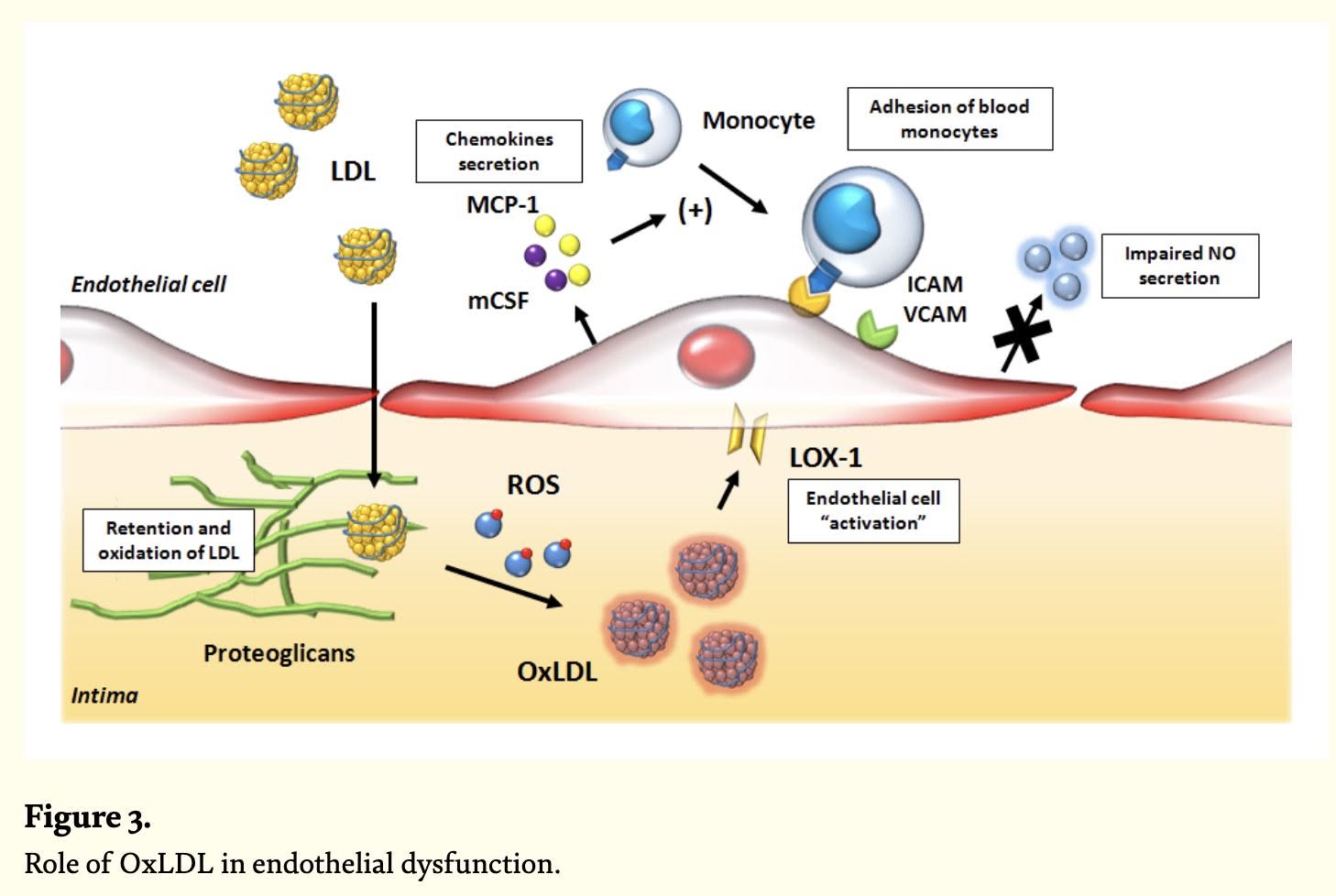
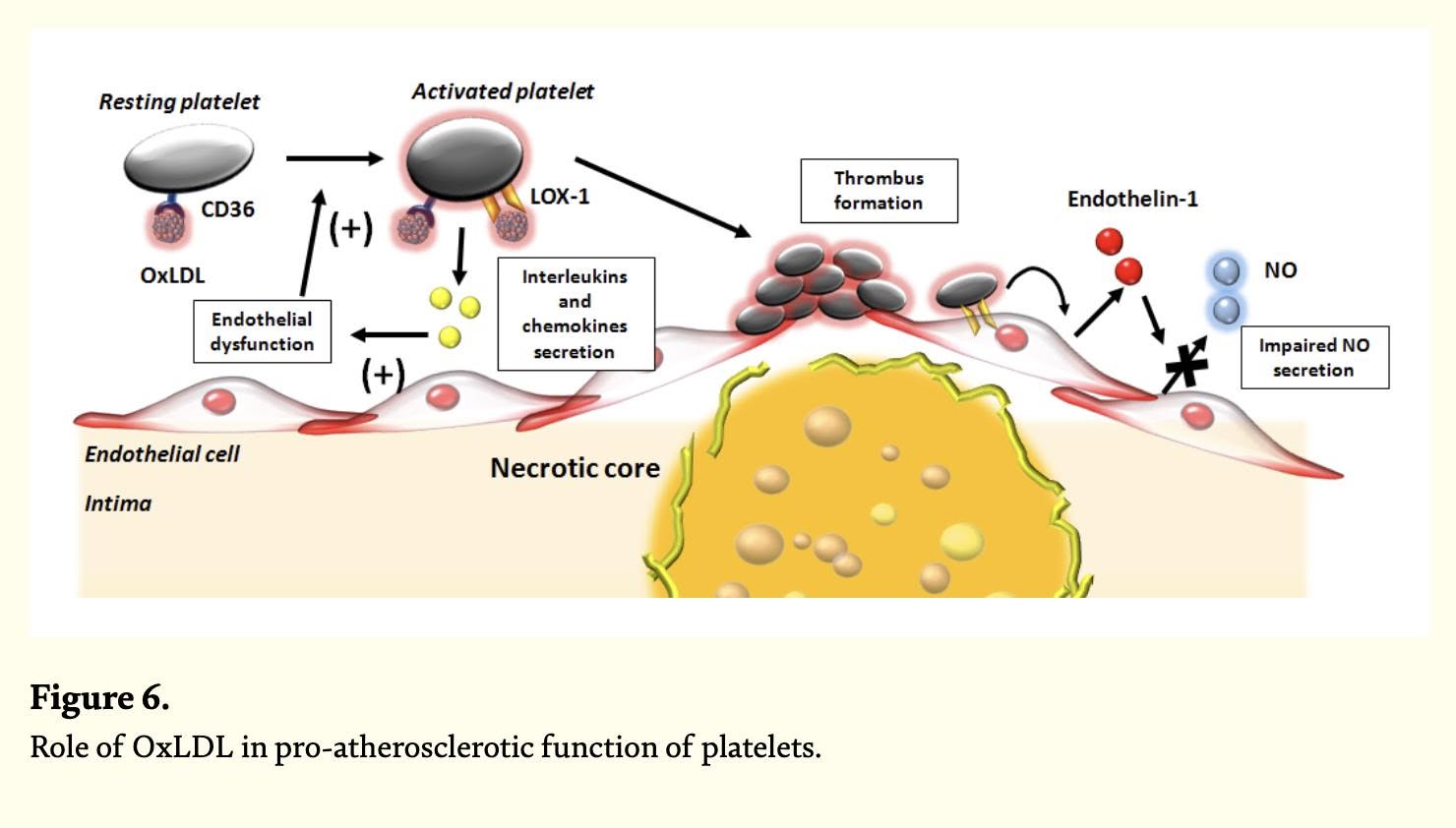
2. Endothelial dysfunction and inflammation: OxLDL and other modified LDL particles can damage the endothelial cells lining the arterial wall, leading to endothelial dysfunction characterized by reduced nitric oxide bioavailability, increased adhesion molecule expression, and enhanced permeability to lipoproteins and immune cells. This creates a pro-inflammatory environment that promotes the development and progression of atherosclerotic lesions. The role of inflammation in atherosclerosis is supported by the presence of immune cells, pro-inflammatory cytokines, and acute-phase reactants in human atherosclerotic plaques.
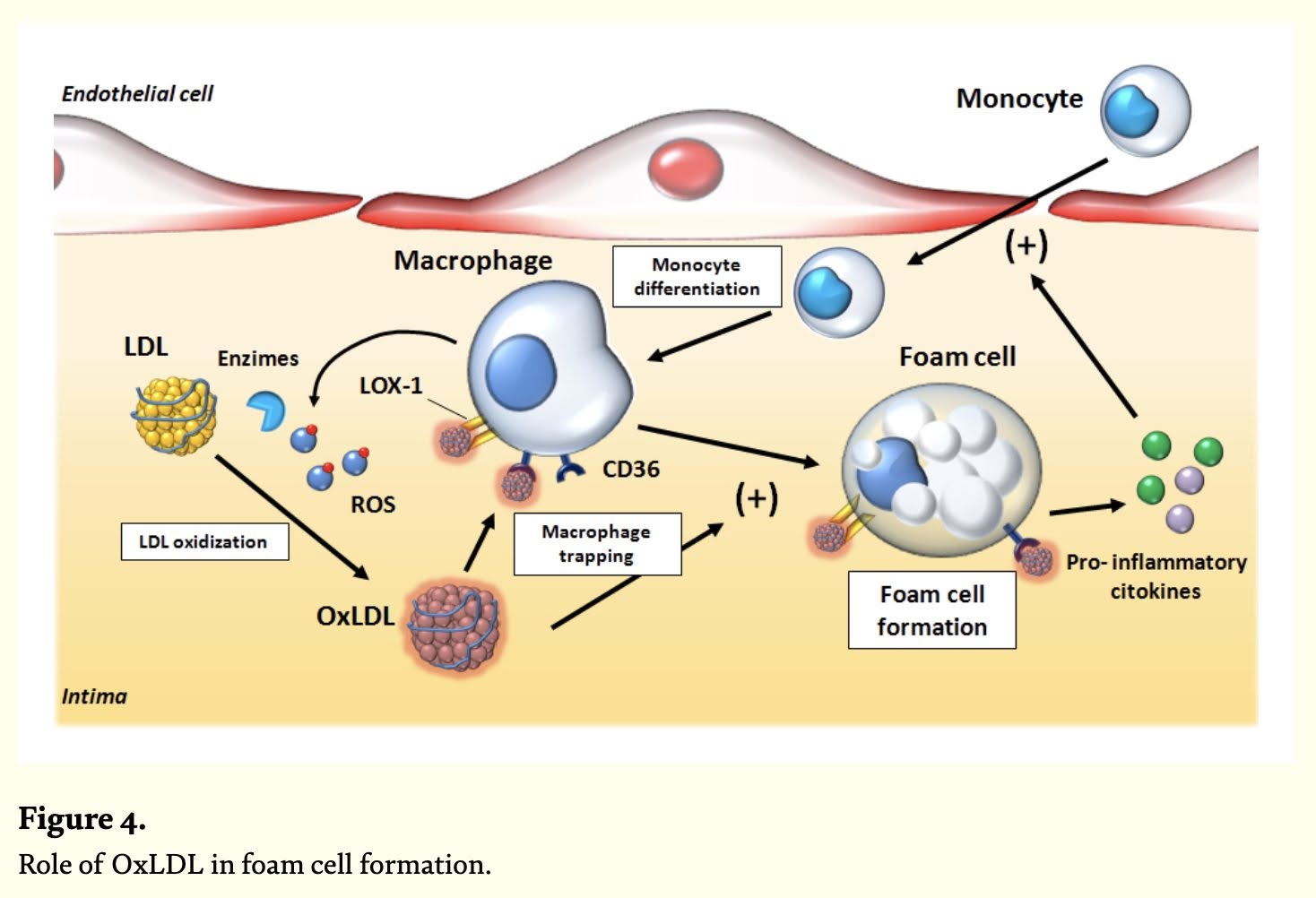
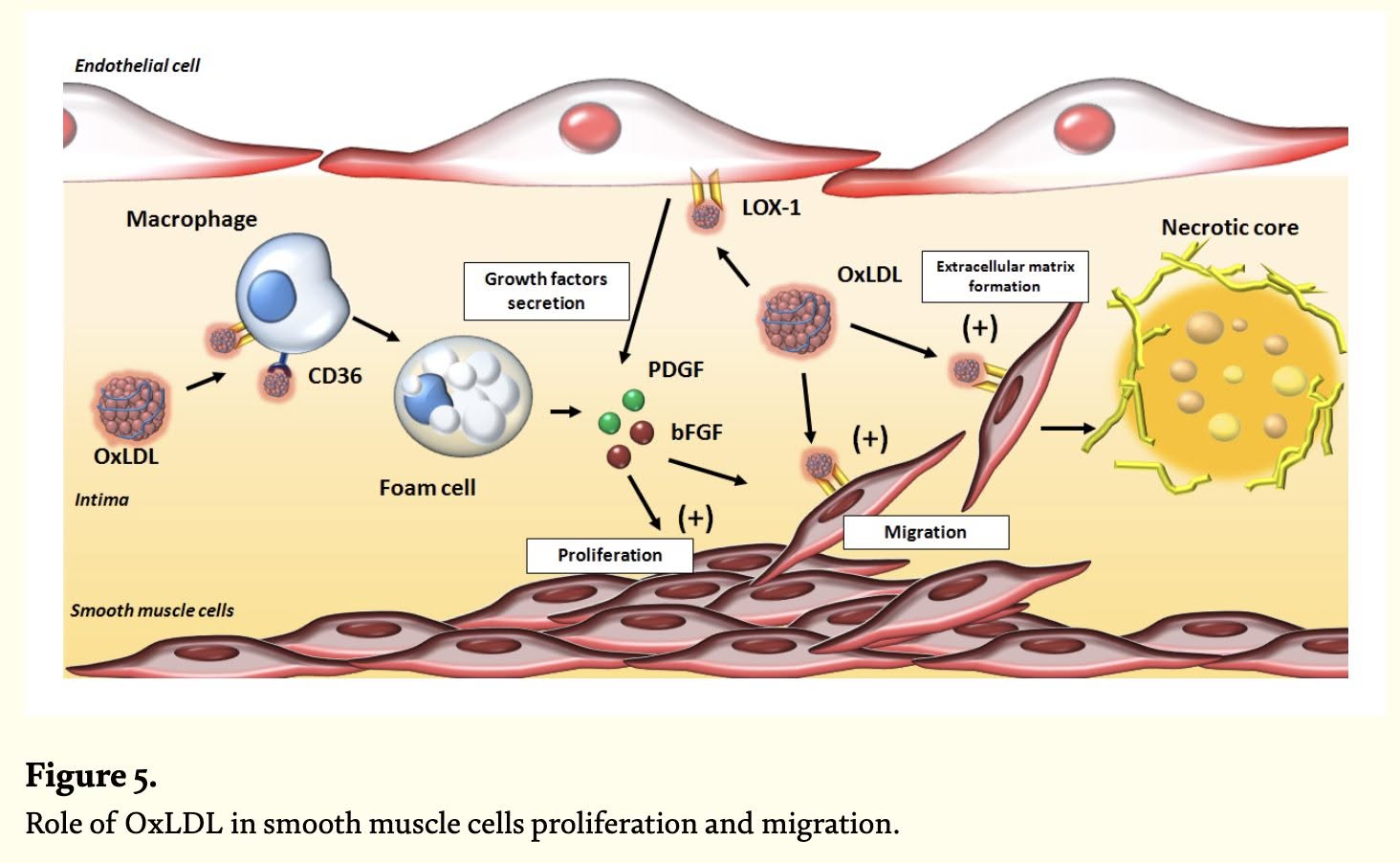
3. Foam cell formation and plaque development: Monocyte-derived macrophages in the arterial wall take up oxLDL and other modified LDL particles via scavenger receptors, leading to the formation of lipid-laden foam cells. Foam cells are a hallmark of early atherosclerotic lesions and contribute to plaque growth, necrotic core formation, and plaque instability. The importance of macrophages and foam cells in atherosclerosis has been demonstrated in animal models and human pathological studies.
4. Genetic evidence: Mendelian randomization studies, which use genetic variants as instrumental variables to assess causal relationships, have provided strong evidence for the causative role of LDL in atherosclerotic cardiovascular disease. Individuals with familial hypercholesterolemia, a genetic disorder characterized by lifelong exposure to high LDL levels, have a significantly increased risk of premature coronary artery disease. Conversely, genetic variants associated with lower LDL levels are associated with a reduced risk of cardiovascular events.
5. LDL-lowering therapies: The clinical benefit of LDL-lowering therapies, such as statins, ezetimibe, PCSK9 inhibitors, and bempedoic acid, in reducing the risk of cardiovascular events provides compelling evidence for the causal role of LDL in atherosclerosis. Meta-analyses of randomized controlled trials have consistently shown that the magnitude of LDL reduction is proportional to the reduction in cardiovascular risk, with no apparent threshold below which further LDL lowering does not confer additional benefit.
In conclusion, the causal role of high LDL cholesterol in the development and progression of atherosclerotic cardiovascular disease is supported by a large body of evidence from basic science, epidemiological studies, genetic analyses, and clinical trials.
Pictures from this article:
Paper · Hypercholesterolemia · 2015Role of Oxidized LDL in Atherosclerosisintechopen.com