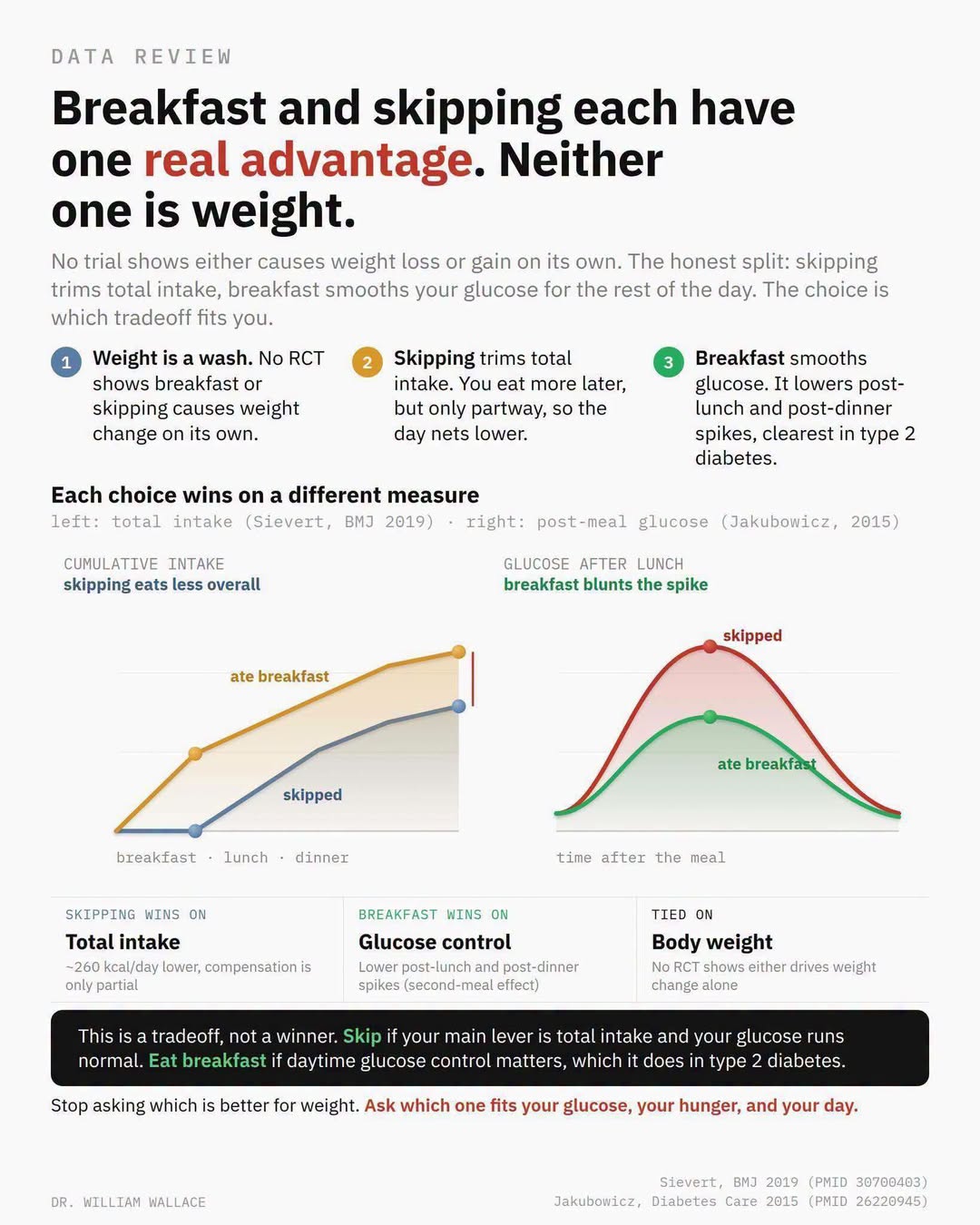
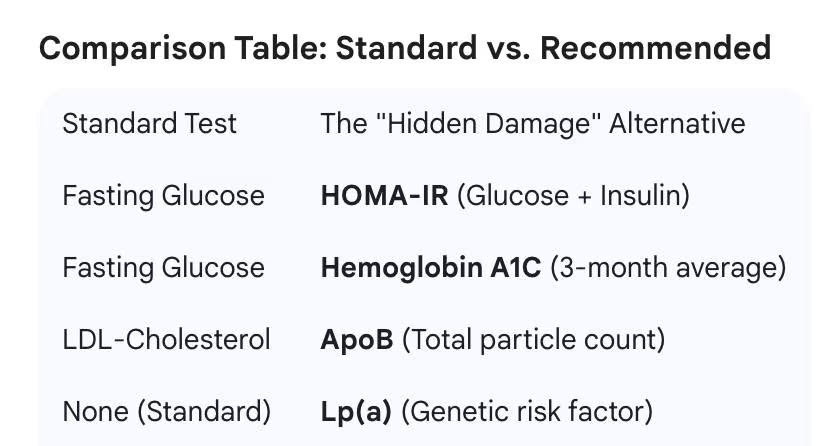
Satchin Panda on timing of meals for best blood sugar control. He is an expert on time restricted eating and circadian rhythms, and has published many papers in this area. Circadian rhythms are closely tied to glucose control and insulin production.
His advice:
Do not eat breakfast right after waking. Wait at least two hours. For circadian reasons, the pancreas regulates insulin poorly during the first 2 hours after waking. (Note that you need insulin not just to process carbohydrate, but to process protein as well.)
Eat your last large meal at least 3 hours before you fall asleep. You begin producing melatonin 3 hours before your normal bedtime, and melatonin inhibits the production of insulin by the pancreas.
 ▶Video · YouTube · The Proof with Simon HillWhat's the Best Time to Eat for Blood Sugar Control? | Satchin Panda | The Proof Clips EP #302In this engaging segment from The Proof Podcast with Satchin Panda, we explore key scientific issues around blood glucose management. The discussion provides clear, evidence-backed viewpoints on how the timing of meals, influenced by our circadian rhythms, plays a crucial role in controlling blood glucose levels. The conversation extends to strategies that…youtu.be
#satchinpandaHD #fastingHD #glucoseHD #circadianrhythmHD #breakfastHD #treHD