In the Harvard Nurse’s Study and Harvard Physicians Followup Study, most of the cardiovascular disease risk from ultraprocessed foods seems to come from two main categories:
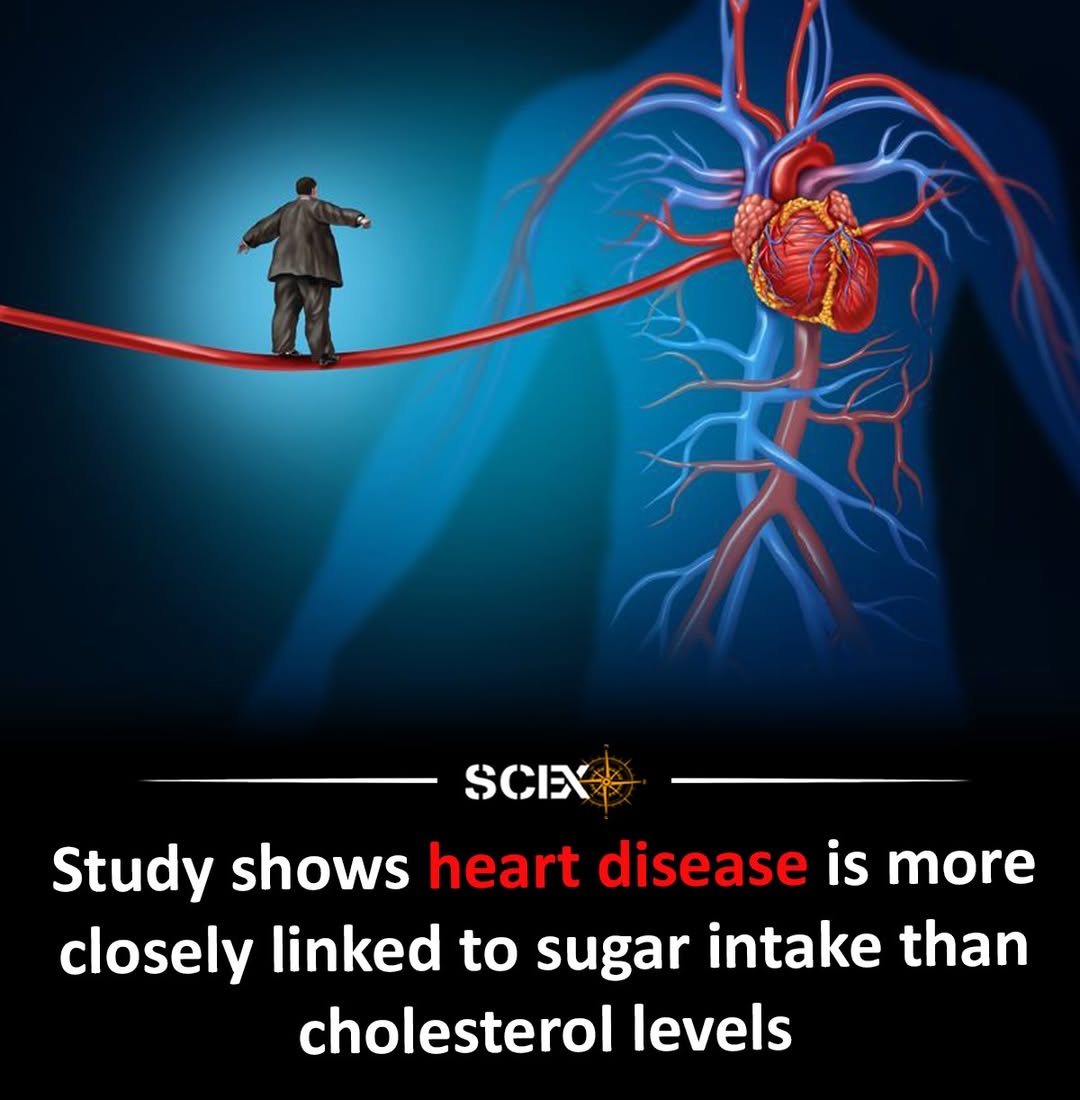
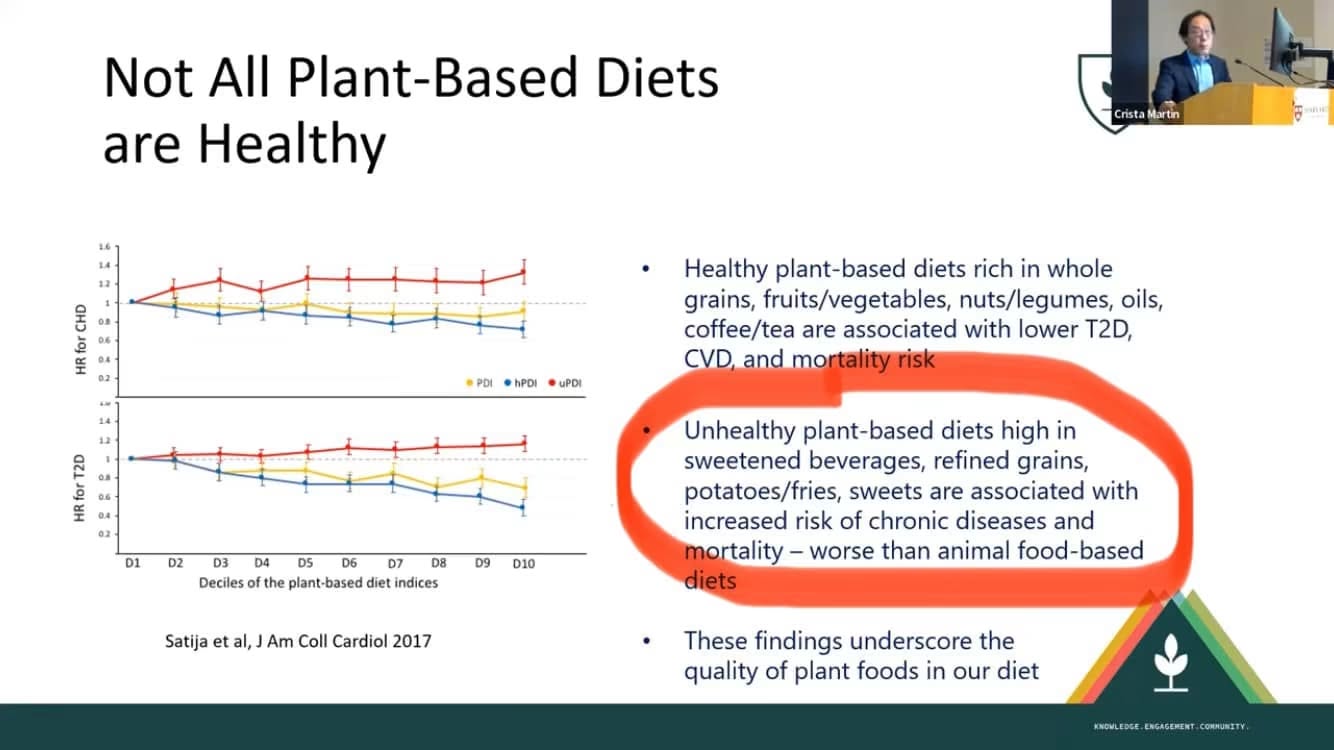
- Sugar sweetened beverages
- Processed meat
Simply avoiding these two items may eliminate most of the increased risk in CVD from consuming ultraprocessed foods.
The link below bypasses the paywall:
archive.isArchived web pagearchive.isQuoted:
“The researchers also analyzed whether certain types of ultraprocessed foods were more associated with cardiovascular disease than others.
Of the 10 ultraprocessed food categories they looked at, two were clearly associated with greater risk: sugar-sweetened drinks (like soda and fruit punch) and processed meat, poultry and fish (like bacon, hot dogs, breaded fish products, chicken sausages and salami sandwiches).
When these two categories were excluded from the data, most of the risk associated with ultraprocessed food consumption disappeared, said Kenny Mendoza, a postdoctoral researcher at the Harvard T.H. Chan School of Public Health, who led the analysis.”
#processedmeatHD #sugarsweetenedbeveragesHD #refinedsugarHD #ultraprocessedfoodHD #harvardHD #hnsHD #hpfsHD