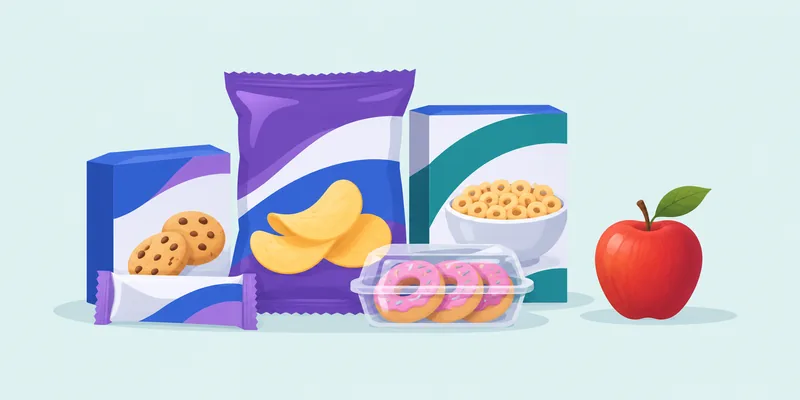
Added sugar and refined starch are the carbohydrates the group's admins most consistently advise cutting back. Sugar here means the sugar added to foods and drinks (table sugar, high-fructose corn syrup, syrups, honey), not the sugar packaged with fiber inside whole fruit. Refined starch means flours and starches stripped of their fiber, which the body breaks down into sugar quickly; as Louis Nervegna puts it, refined starch is just a chain of sugar molecules.1
The case rests on three ideas that recur across the posts. First, large cohort studies tie sugary drinks and high added-sugar intake to diabetes, heart disease and death. Second, the likely route is metabolic: fructose and excess refined carbohydrate add fat to the liver, and liver fat is described as the main driver of insulin resistance in most people. Third, the harm depends on the form: sugar in liquid form with no fiber looks worst, whole fruit looks benign or protective, and many sweetener fears appear overblown.2345
Please treat this as a summary of what the group's posts say rather than personal medical advice; the admins encourage discussing dietary changes with your own doctor.
What sugar and refined carbohydrate are
Sucrose, HFCS and fructose
Table sugar (sucrose) is one glucose molecule bonded to one fructose molecule. High-fructose corn syrup (HFCS) is also roughly half glucose and half fructose; ordinary corn syrup is mostly glucose and an enzyme converts about half of it to fructose.9 Louis explains that the enzyme sucrase starts splitting sucrose into glucose and fructose in the mouth and finishes the job quickly in digestion, so "real cane sugar" and HFCS are, for practical purposes, identical.11 The same explainer notes honey is also roughly 50/50 glucose and fructose, and that white sugar is just sucrose.9
| Sweetener | What it is | Glucose : fructose |
|---|---|---|
| Table or cane sugar (sucrose) | One glucose bonded to one fructose, split quickly in digestion | 50 : 50 |
| High-fructose corn syrup | Corn syrup with about half its glucose converted to fructose by an enzyme | roughly 50 : 50 |
| Honey | Natural syrup | roughly 50 : 50 |
| Ordinary corn syrup | Mostly glucose | mostly glucose |
Louis cites an analysis of 25 randomized trials finding that replacing HFCS with cane sugar made no significant difference to most cardiometabolic markers.13 Another shared commentary reached the same practical conclusion: cane-sugar versions of soda are not healthier, so avoid the sugary versions either way.14
Refined starch and white potatoes
Louis, citing Harvard's Walter Willett, argues that refined sugar and refined starch (possibly including the starch in white potatoes) are causal in several diseases including heart disease and diabetes, and says refined starch, sugar and white potatoes make up about 40% of calories in the standard American diet.81516 He frames this as a possible largest single dietary problem now that trans fats have largely left the food supply. This is Louis's synthesis of an expert interview, not a single study.8
Willett's own three suggested changes to the typical American diet, as quoted in a post, are: cut refined starch, sugar and white potatoes; eliminate sugar-sweetened beverages; and reduce processed meat. The post says about half of calories come from carbohydrate, 80% of that from refined starch, sugar and potatoes, and that Americans average about three sugary drink servings a day. Replacing processed meat with soy, beans or nuts is called a "double win".17
Louis also stresses that the problem is the quality of the carbohydrate, not carbohydrate itself. A traditional hunter-gatherer example he cites, the Hadza, eat plenty of natural sugar and starch from honey, fruit and tubers, yet have very low LDL and low heart disease risk, which he attributes to a diet that is about 70% plants.18
What the evidence shows
Sugar-sweetened beverages
- Long-term cohorts. In the Harvard Nurses' Health Study and Health Professionals Follow-up Study, even one non-diet soda per day was linked to meaningfully higher risk of type 2 diabetes, heart disease and total mortality, according to a post quoting Willett.2
- Ultraprocessed food. Of 10 ultraprocessed food categories analyzed in those cohorts, only sugar-sweetened drinks and processed meat, poultry and fish were clearly associated with higher cardiovascular risk; excluding them removed most of the risk linked to ultraprocessed food.10
- Short-term markers. A study in healthy young men, discussed in a FoundMyFitness clip, found that a 20-ounce sugar-sweetened drink daily for 3 weeks increased hsCRP (an inflammation marker) by 100% and raised small dense LDL particles.19
- Cancer signal. Louis notes large prospective cohorts have repeatedly linked sugary drinks to colon cancer, and a Nature Metabolism study found the glucose plus fructose combination found in these drinks promoted colorectal cancer metastasis through sorbitol dehydrogenase (SORD); this is mechanistic work, not a human outcome.20
- Dementia. A study shared via MedPage Today linked refined grains, juices, white potatoes and added sugars to higher dementia risk.21
Total added sugar
A 15-year study in JAMA Internal Medicine found that people getting 25% or more of calories from added sugar had over twice the cardiovascular death risk of people under 10%, with the pattern persisting regardless of age, sex, weight, physical activity or cholesterol levels. Sugar-sweetened drinks were the main source, accounting for more than a third of added sugar in the average American diet. The shared summary suggests sugar may raise blood pressure and prompt the liver to release harmful fats.6 Louis clarifies that the post's comparison is with dietary cholesterol, not blood cholesterol, and that this is a prospective cohort study that shows associations, not causation.622
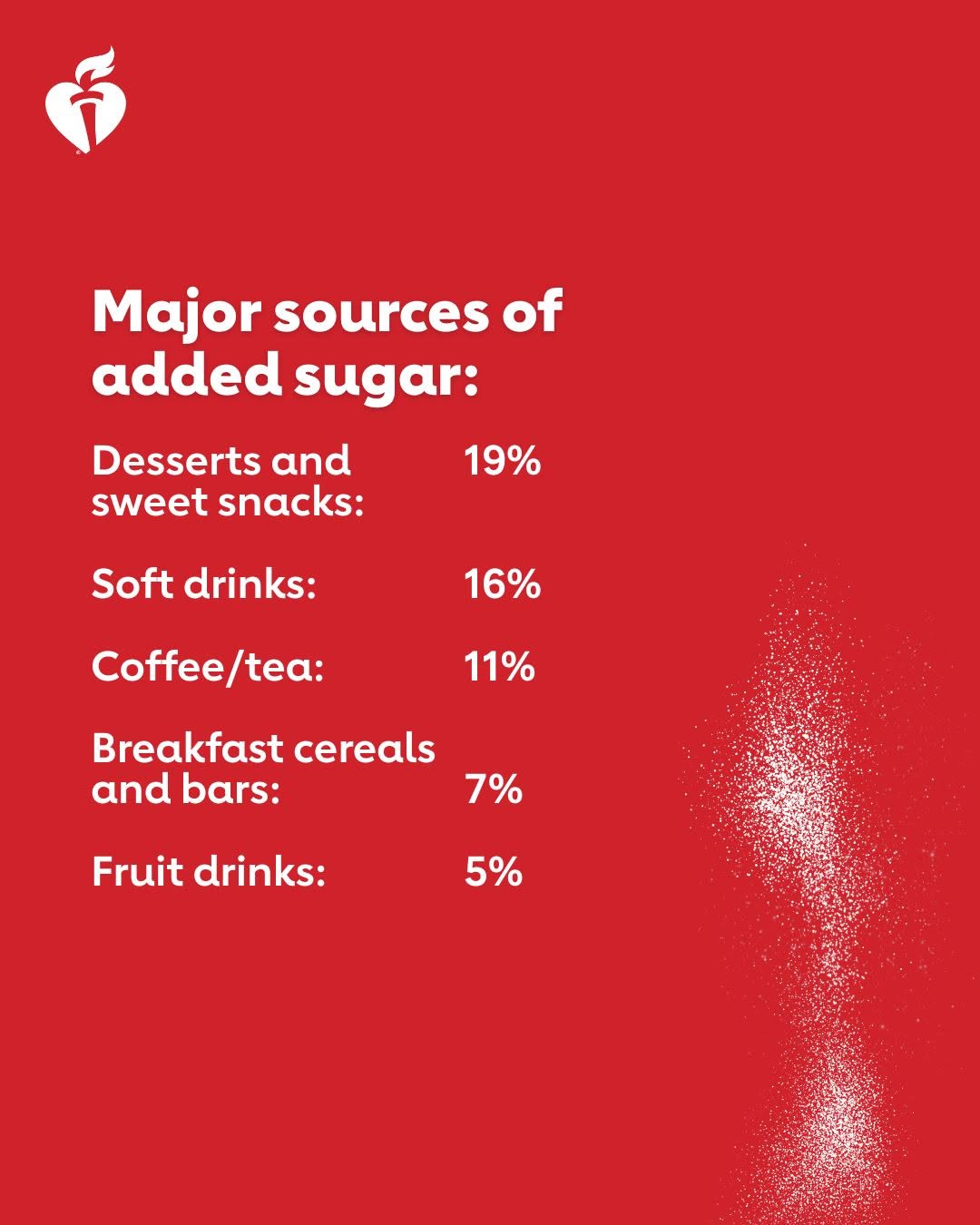
The American Heart Association limits Louis cites are 36 g/day (9 teaspoons) for men and 25 g/day (6 teaspoons) for women, including honey and maple syrup. The AHA notes the average American eats 17 teaspoons a day, two to three times the recommendation, roughly 60 pounds a year.7 The AHA's January 2026 statement on the new US dietary guidelines welcomed the emphasis on limiting added sugars, refined grains, highly processed foods, saturated fat and sugary drinks.23 The 2026 ACC scientific statement likewise lists sugar-sweetened beverages and refined grains among the foods to limit.24
Unhealthy "plant-based" diets
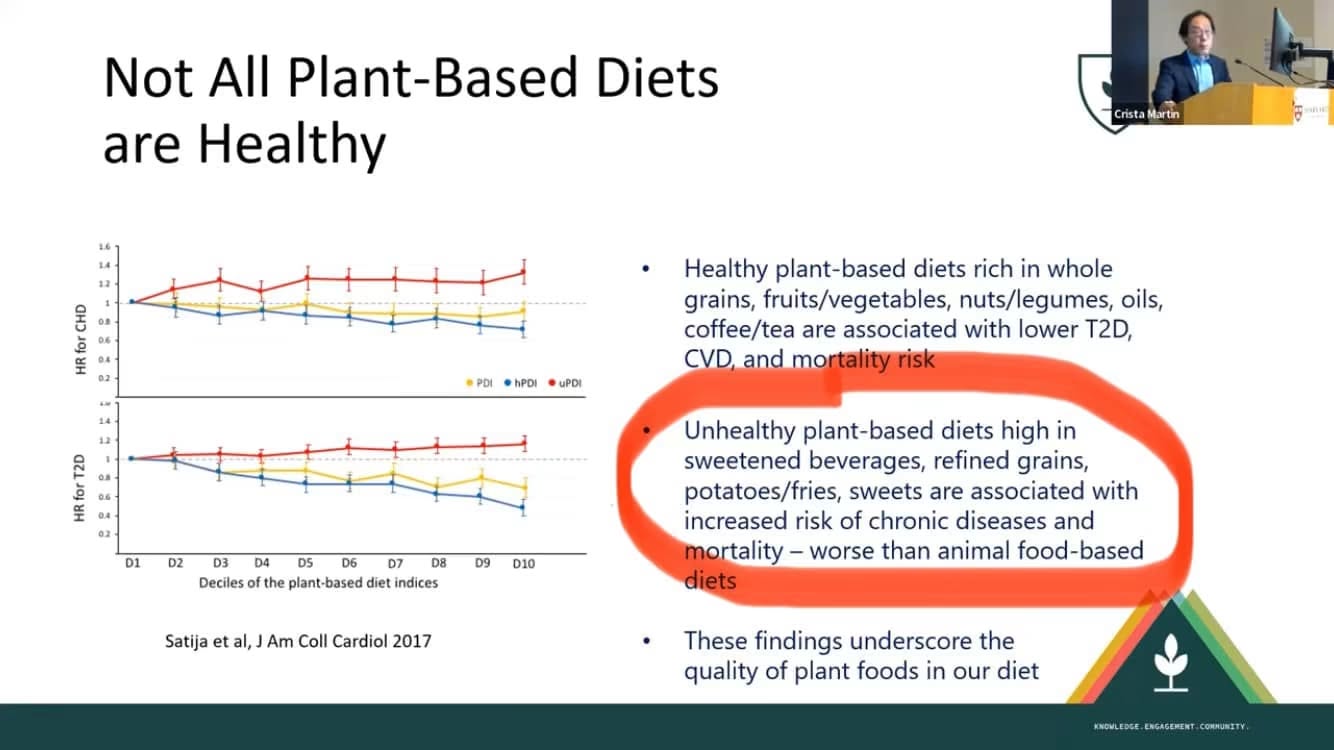
Louis points to Satija and colleagues (Journal of the American College of Cardiology, 2017) in the Nurses' and Health Professionals cohorts: a plant-based diet index emphasizing healthy plant foods was linked to substantially lower coronary heart disease risk, while one emphasizing sugary drinks, refined grains, potatoes and sweets was linked to higher risk, worse than the standard-diet baseline.25 His takeaway is that a plant-based diet full of low-quality foods can do more harm than good.21
Diet trials that reversed plaque
Louis lists six randomized trials in which diet reversed arterial plaque (Lifestyle Heart, STARS, SCRIP, PREDIMED, CORDIOPREV and DISCO). All limited junk food, refined grains, and sugary foods such as cookies, cakes, sugary cereal and sugary drinks.26
How sugar and refined starch may harm the heart
Liver fat and insulin resistance
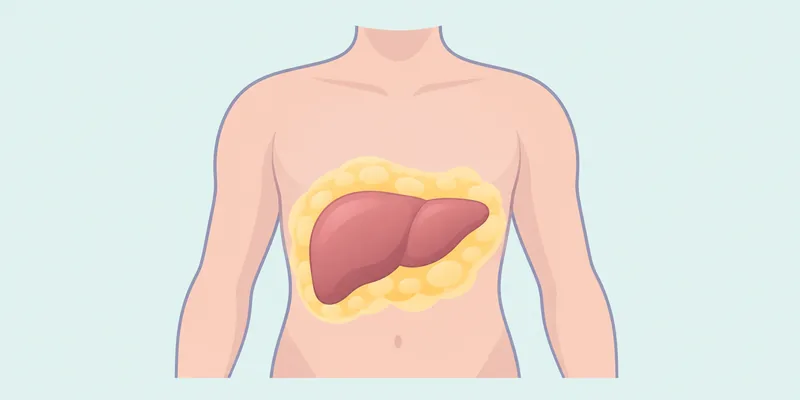
A Harvard diabetologist's explanation shared by Louis says fat stored in the liver is the biggest driver of insulin resistance in most people; losing liver fat dramatically improves it. Refined starch and sugar-sweetened beverages raise the odds of liver fat, though any excess calories can do it.4
On sugary drinks specifically, a quoted Medscape review says they deliver large boluses of free sugars in rapidly absorbable form; fructose is cleared mainly by the liver, where it increases de novo lipogenesis (new fat production) and triglyceride production, and may worsen insulin sensitivity in metabolically susceptible people.3 Louis summarizes this as excess refined fructose causing liver fat, which in turn causes insulin resistance.27 He suspects the fiber-free liquid delivery of fructose is a major reason soda raises disease risk even more than other refined carbohydrates.5
Triglycerides and HDL
Stanford's Christopher Gardner, in a video Louis shared, explains that insulin resistance and excess visceral fat cause high triglycerides, a classic sign of insulin resistance; the suggested remedy is to lose weight and stop eating refined starch and sugar.28 Louis also argues that insulin resistance lowers HDL, and that cutting refined starch and sugar, losing visceral fat and exercising is probably the best way to improve it, since large trials suggest HDL itself is probably not directly causal.29
Insulin and growth pathways
Louis argues that chronically high insulin and IGF-1 promote growth pathways linked to cancer and faster aging, and that refined starch and sugar plus excess animal protein raise them most. Much of this argument leans on animal work and the genetic condition Laron syndrome, and the posts note some claims come from videos rather than named papers; readers should treat it as the admin's hypothesis.3031
Calories and obesity
Louis calls refined starch, sugar and white potato starch "empty calories" that fuel fat gain, alongside very high calorie intake and little physical activity.32 He also retracted a sugar-consumption graph after learning the underlying data may have been wrong, and notes Stephan Guyenet recognizes the harm of excess sugar but argues sugar is one of several causes of obesity rather than the single root cause.33
Fruit, dates and "natural" sugars
The group draws a firm line between sugar in whole foods and added sugar.
- High fructose causes fatty liver in animals, yet in humans high whole-fruit intake is repeatedly linked to lower fatty liver risk, in both randomized trials and cohorts. A 2025 mouse study found inulin fiber changed gut bacteria so fructose was broken down in the intestine before reaching the liver; this has not been shown in humans.5
- Louis says blending fruit does not cause a larger glucose spike than eating it whole; in one RCT a smoothie of apples and blackberries gave a slightly smaller rise than the whole fruit, and mango showed no larger spike.3435
- Eating an apple before a rice meal lowered the glucose peak by 14% and the insulin peak by 19% in people with normal glucose tolerance, and the glucose peak by 16.5% in people with impaired glucose tolerance (a small study published in Foods, 2022).36
- Louis notes dates cause a short-term blood sugar spike but do not seem to harm longer-term glycemic control or insulin resistance, and may modestly improve them and lower LDL; he plans to use them as a sweetener. This is his reading and no source is cited in the post.37
- Not everything "natural" gets a pass: Louis says most items on a shared list of sweeteners are metabolically equivalent to refined sugar, and the AHA limit includes honey and maple syrup.738 He also criticizes an extreme starch-heavy vegan diet that included lots of white potatoes and "natural" added sugars.39
- The Baylor College of Medicine liver-fat guide summarized by Louis recommends 2-3 servings of whole or blended fruit, avoiding refined sugar and added natural sugars, avoiding fruit juice and limiting dried fruit.40
Starch quality: intact, resistant and refined
Eating whole grains as intact as possible and refrigerating cooked grains for 24 hours (which turns some starch into resistant starch) lowers both the glucose and insulin spikes, according to Louis.41 In a randomized trial he highlights, replacing refined starch one-for-one with resistant starch cut liver fat in half in 4 months, with the proposed mechanism being microbiome changes and more short-chain fatty acids.42 He relates this to a small 12-week trial in women with PCOS in which acarbose, a drug that blocks starch digestion, reduced liver fat and triglycerides while metformin and a lower-calorie diet did not; it is a small study and not a recommendation to take the drug.43
A meta-analysis of 60 controlled feeding trials found that replacing carbohydrate calories with monounsaturated or polyunsaturated fat lowered LDL (saturated fat raised it), with polyunsaturated fat showing the largest benefit.44 Louis adds that studies showing saturated fat is harmless typically compare it with the standard Western diet, which is itself over 40% refined starch and sugar; against whole grains, legumes, fruit, nuts or unsaturated fats, saturated fat raises risk.4546
Sweeteners
Sugar substitutes
- Artificial sweeteners. Louis does not recommend them but wants the evidence stated accurately. He shared a summary of a long-term randomized trial during weight-loss maintenance in which artificial sweeteners gave better weight maintenance and no adverse cardiometabolic effects, liver fat or gut microbiota harms versus a low-sugar diet alone; gut findings need further study.47
- Replacing sugary drinks. A quoted rebuttal cites a meta-analysis of 17 trials in which swapping sugar-sweetened beverages for low- or no-calorie sweetened ones reduced weight, BMI, body fat and liver fat, and a cohort meta-analysis that found no cardiometabolic harm when used as a substitute for sugary drinks. Replacing sugary drinks with water was not statistically significant, but few studies exist.12
- Insulin. Louis says the claim that non-caloric sweeteners such as aspartame and stevia cause meaningful insulin spikes is not supported by the evidence as a whole, though no specific studies are cited.48
- Allulose. Louis has suggested allulose, recently FDA-approved, as a sugar replacement, though his post gives no data.49
Sugar alcohols: erythritol and xylitol
This is the area where the group's posts are most mixed. A Cleveland Clinic group linked higher blood levels of erythritol and xylitol to more heart attacks and strokes and showed 30 g doses made platelets more reactive, and a later news report suggested erythritol may damage the blood-brain barrier.5051 But Louis says it remains unclear whether these sweeteners raise cardiovascular risk. The shared critique notes the association study measured fasting blood levels rather than intake, the body makes erythritol itself from glucose (more in people with obesity or insulin resistance, so reverse causality is plausible), a later Mendelian randomization study found no causal link, and longer intervention studies found neutral to positive vascular effects.50
Nuances and common misconceptions
- Observational versus causal. Much of the sugar evidence comes from prospective cohorts, which show associations. Louis says so himself for the added-sugar study.22
- "Cane sugar is healthier." Not according to the posts: it is chemically the same 50/50 mix as HFCS, and trials show little difference.1113
- Oats are not "the same as sugar". Louis rejects this, citing a trial in which oat beta-glucan cut the breakfast glucose peak by 28%.52
- Dairy and sugary drinks. A 2020 NEJM dairy review notes dairy compares favorably with processed red meat or sugar-sweetened beverages but less well with nuts, showing comparison foods matter.53
- Insulin and fat. Fat is described as the only macronutrient that does not significantly raise insulin, which is one reason Louis recommends replacing refined starch and sugar with unsaturated fats.3044
What this means for you
- Make sugary drinks the first thing to cut. Soda, fruit punch and sweetened drinks were the standout in the cohort data, and Willett's second suggested change is to eliminate them.21017
- Keep added sugar within AHA limits: 36 g/day (men) and 25 g/day (women), counting honey and maple syrup; a single can of soda can meet or exceed the limit.67
- Do not rely on "cane sugar" or "natural" labels to make sweet products healthier.1138
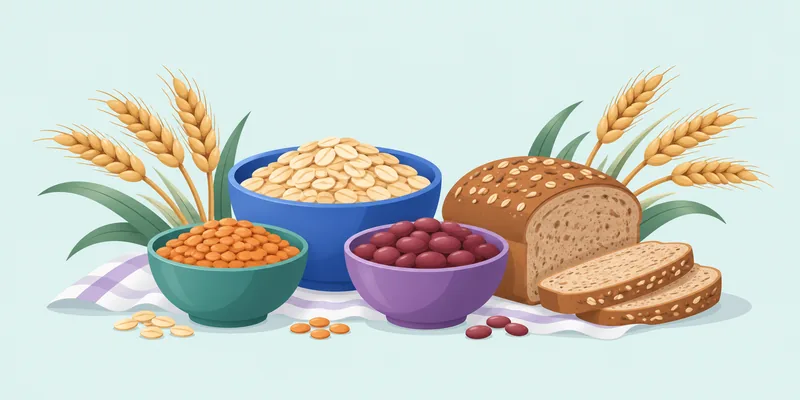
- Shift refined starch toward intact, high-fiber carbohydrates such as legumes, whole fruit and intact whole grains, which the plaque-reversal trials emphasized, while limiting refined grains and potatoes.172426
- Choose whole fruit or blended whole fruit over juice, keeping the fiber.3440
- Watch liver fat and visceral fat, which the admins treat as the key to insulin resistance; the Baylor guide emphasizes calorie reduction, vegetables, 2-4 servings of intact whole grains and avoiding refined sugar.440
- If you use sweeteners, the group's evidence leans reassuring for common low-calorie sweeteners, more uncertain for sugar alcohols such as erythritol; discuss it with your doctor if you have cardiovascular risk factors.124750
- Think in terms of the whole pattern. The ACC statement stresses overall diet quality over single nutrients.24
Frequently asked questions
Is high-fructose corn syrup worse than sugar?
Based on the posts, no. Both are roughly 50% glucose and 50% fructose, and an analysis of 25 trials found swapping one for the other changed few cardiometabolic markers.91113
Why is fruit fine if fructose harms the liver?
In whole fruit the fructose arrives with fiber and in much smaller doses than in soda. High whole-fruit intake is linked to lower fatty liver risk in humans, and an animal study suggests fiber can change how the gut handles fructose.35
How much added sugar is too much?
The AHA limits quoted are 25 g/day for women and 36 g/day for men, while the US average is around 17 teaspoons; the group's admins describe intake of 25% or more of calories as associated with double the cardiovascular death risk.67
Are diet sodas and artificial sweeteners safe?
The evidence shared is generally reassuring on weight, cardiometabolic markers and insulin, but Louis does not recommend them and the long-term gut data need more study.124748
Is erythritol dangerous for the heart?
Unclear. Observational and short-term platelet findings raised concern, but critics point to major design problems, a null Mendelian randomization result and neutral intervention studies.5051
Do refined starches matter as much as sugar?
The admins say yes: refined starch is a chain of sugar molecules, and Louis lists cutting refined starch and sugar as the one point of consensus even among people who disagree about low-carb diets.116