Blood Circulation: The Overlooked Fountain of Youth
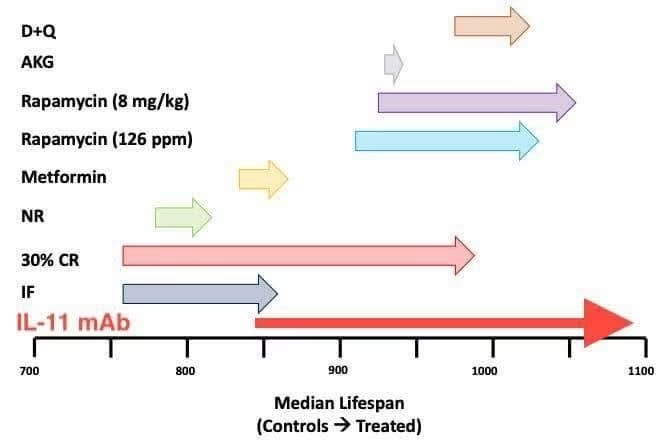
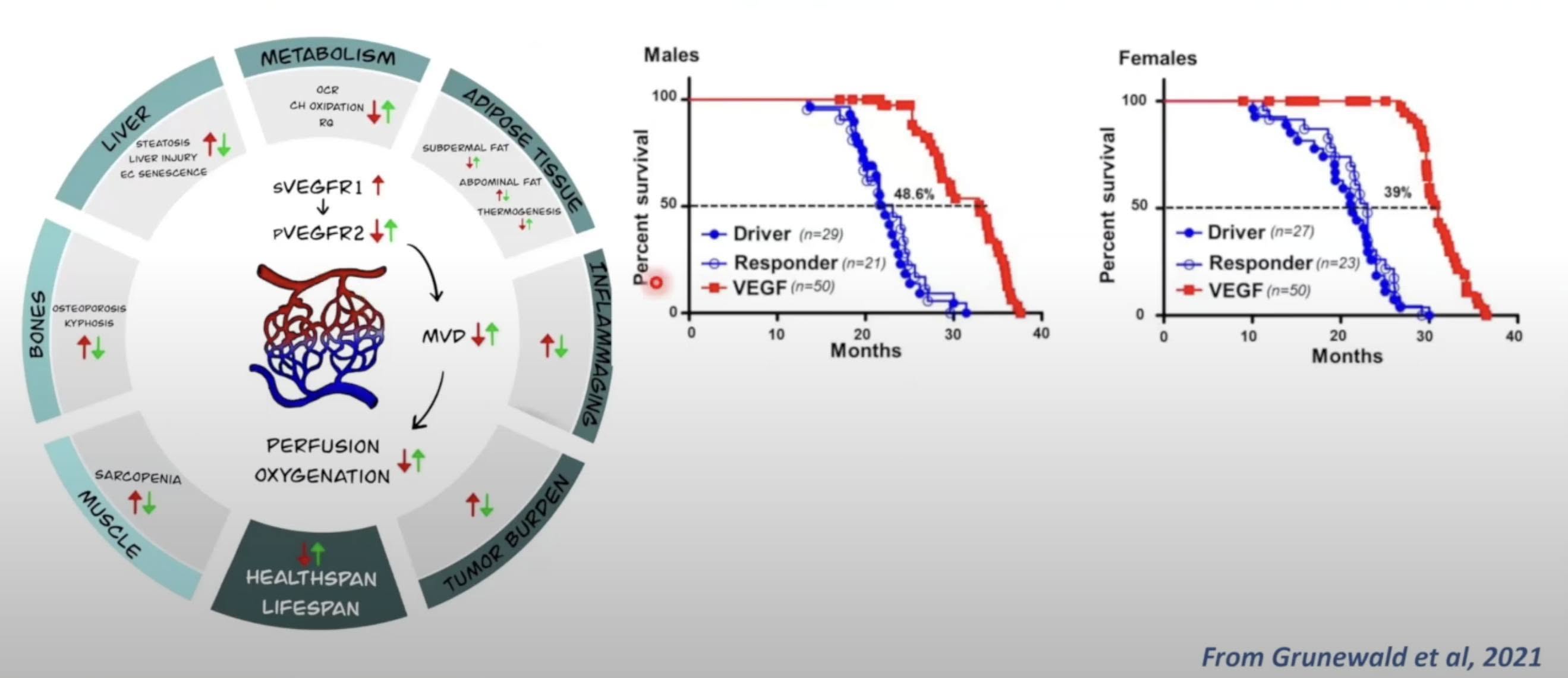
I'm still blown away by this research finding --- In plain english: increasing circulation of blood in old mice led to 45% lifespan extension! 45% lifespan extension. Never heard of. Neither Rapamycin nor any other drug or supplement can match this.
How do you improve circulation in humans? Cialis comes to mind. Plus regular walking and other daily activity. Obviously weight lifting can be make you more vascular, but that's a double edged sword, high doses of weight lifting is associated with increased mortality.
TL;DR Make your blood go to places to live longer. Walking and/or daily increased activity is a no brainer. Cialis and similar can be considered. More generally keep your blood vessels healthy, and super functional to get this OP longevity benefit.
A research team found that increasing VEGF (vascular endothelial growth factor) signaling in mice helped maintain better blood vessel health during aging, which significantly improved their overall health and lifespan. By boosting VEGF levels, the mice showed numerous benefits including better metabolism, stronger muscles, healthier bones, less inflammation, and fewer age-related diseases. The researchers demonstrated that naturally declining VEGF signaling in aging contributes to various aspects of aging, and that restoring youthful VEGF levels could help counteract these effects. The treatment extended the mice's lifespans by 45% and helped them stay healthier into old age.