The anti-inflammatory medication colchicine reverses soft plaque.
This study was conducted by the same principal investigator Mathew Budoff who ran the Keto-CTA study.
Both studies used CT-angiogram scans to measure plaque.
Colchicine showed a 1% reduction in Percent Atheroma Volume (PAV) after one year.
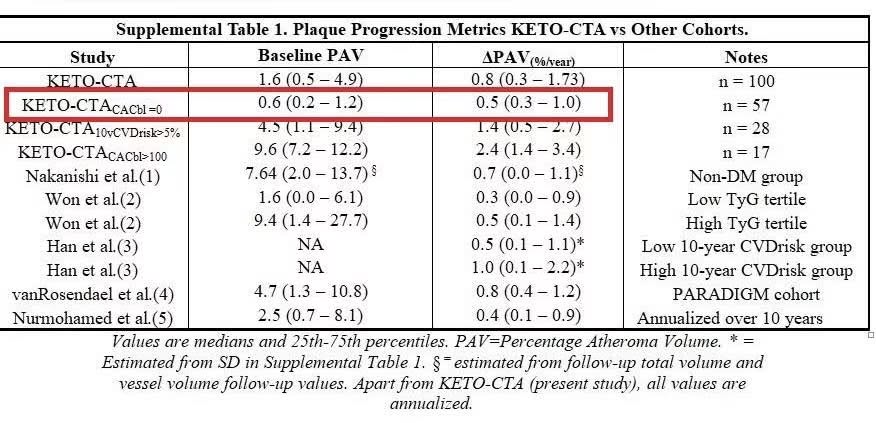
In contrast, the keto diet showed a 0.8% increase in PAV after one year. See these posts:
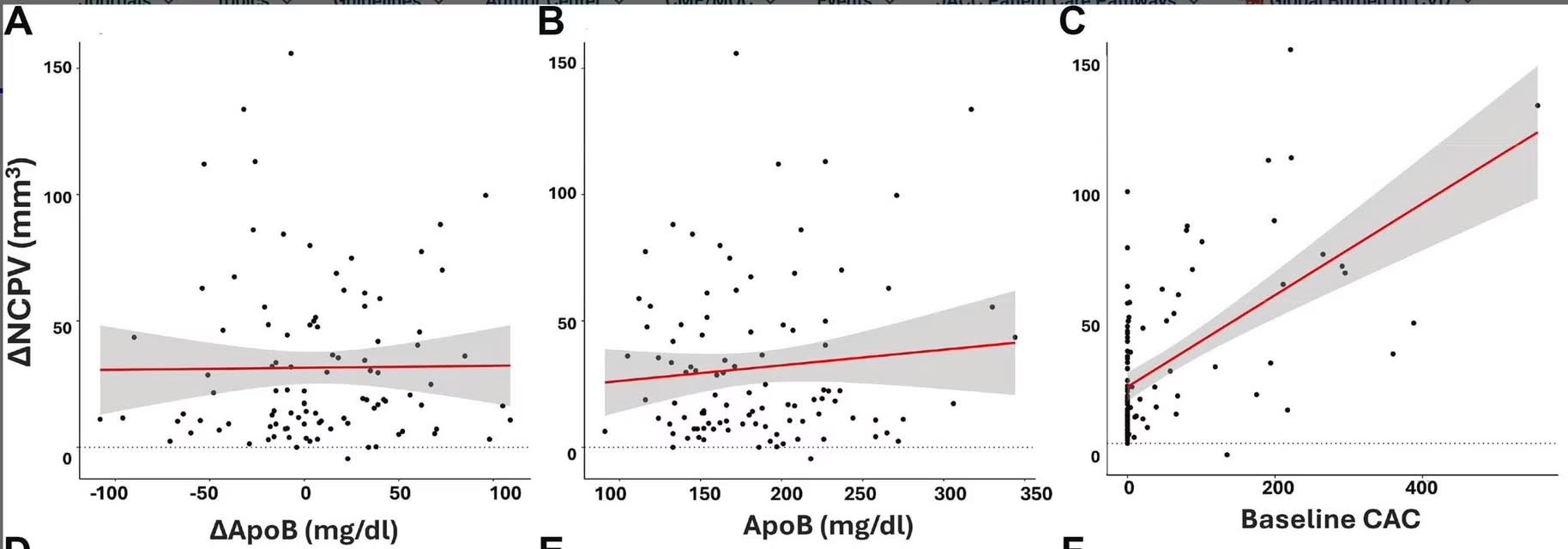
↪ Keto-CTA (LMHR): plaque volume rose 25-100% in one year across CAC and risk subgroups
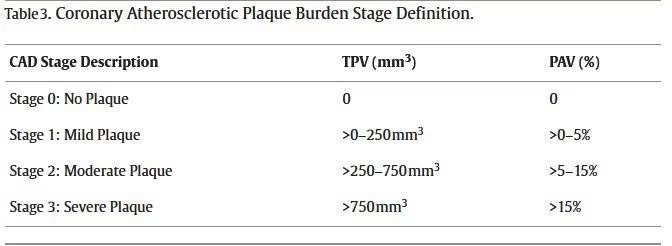
↪ Keto-CTA extrapolation: LMHRs with CAC over 100 hit 'severe plaque' (PAV >15%) in ~3 years)
Quoted:
“We did serial CT angiography baseline and one-year follow-up after randomizing patients to 0.5 mg of colchicine daily or placebo. We saw over a 1% reduction in percent atheroma volume in the colchicine group, which mirrors the degree of improvement associated with significant reductions in major adverse cardiovascular events in prior intravascular ultrasound studies,” Matthew J. Budoff, MD, former president of the Society of Cardiovascular Computed Tomography (SCCT) and a professor of medicine with the David Geffen School of Medicine at UCLA, told Cardiovascular Business.
“Notably, the imaging results indicated trends toward regression of various plaque types and a significant slowing in the progression of calcified plaque.”
"Not only did it lower inflammation and have a significant reduction in CRP, it actually lowered plaque burden. We saw trends towards regression of noncalcified plaque, fibro-fatty plaque and fibrous plaque, and a significant slowing of calcified plaque under the influence of colchicine. And that was just one year. It was a relatively small study, but I think it does support the use of colchicine in chronic stable coronary disease patients," Budoff said.
#reverseHD #colchicineHD #inflammationHD #pavHD #budoffHD #ketoctaHD #lmhrHD #crpHD