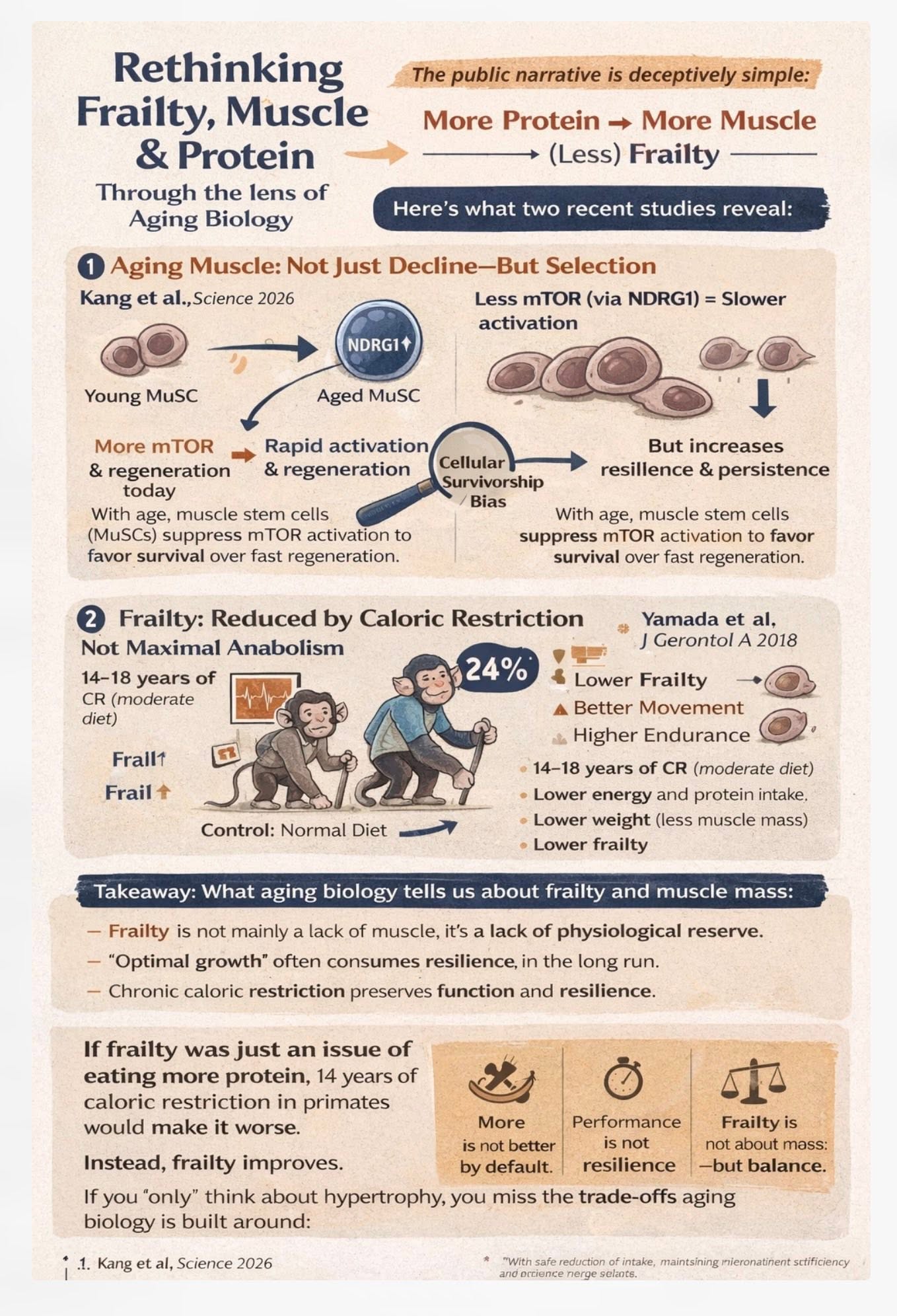
It is catabolic processes that keep our muscles healthy as we age. Our muscles need catabolic processes like autophagy to age in a healthy way.
The heart is a muscle.
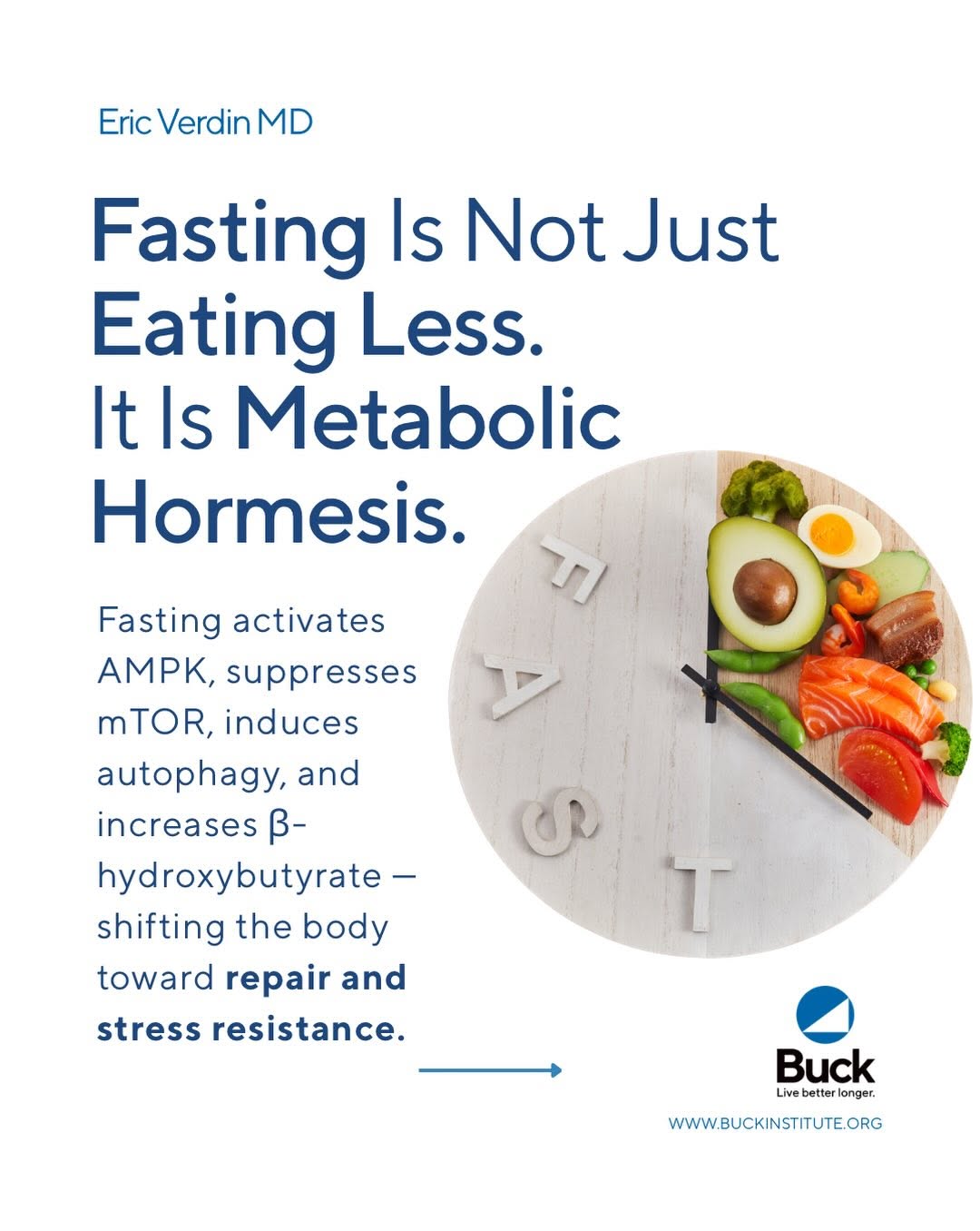
Fasting naturally increases the chaperone-mediated autophagy (CMA) that protects muscle from age-related decline. Exercise like resistance training acts catabolically to increase CMA.
Note: The drug rapamycin activates CMA in muscle. Excessive high-quality protein inhibits CMA. See comments.
Link to full studies:
Paper · Nat Metab · 2025Age-related decline of chaperone-mediated autophagy in skeletal muscle leads to progressive myopathynature.com Paper · Nat Metab · 2025Chaperone-mediated autophagy sustains muscle stem cell regenerative functions but declines with agenature.comWrite-up on study:
medicalxpress.comAge muscle cell recycling defectmedicalxpress.comQuoted:
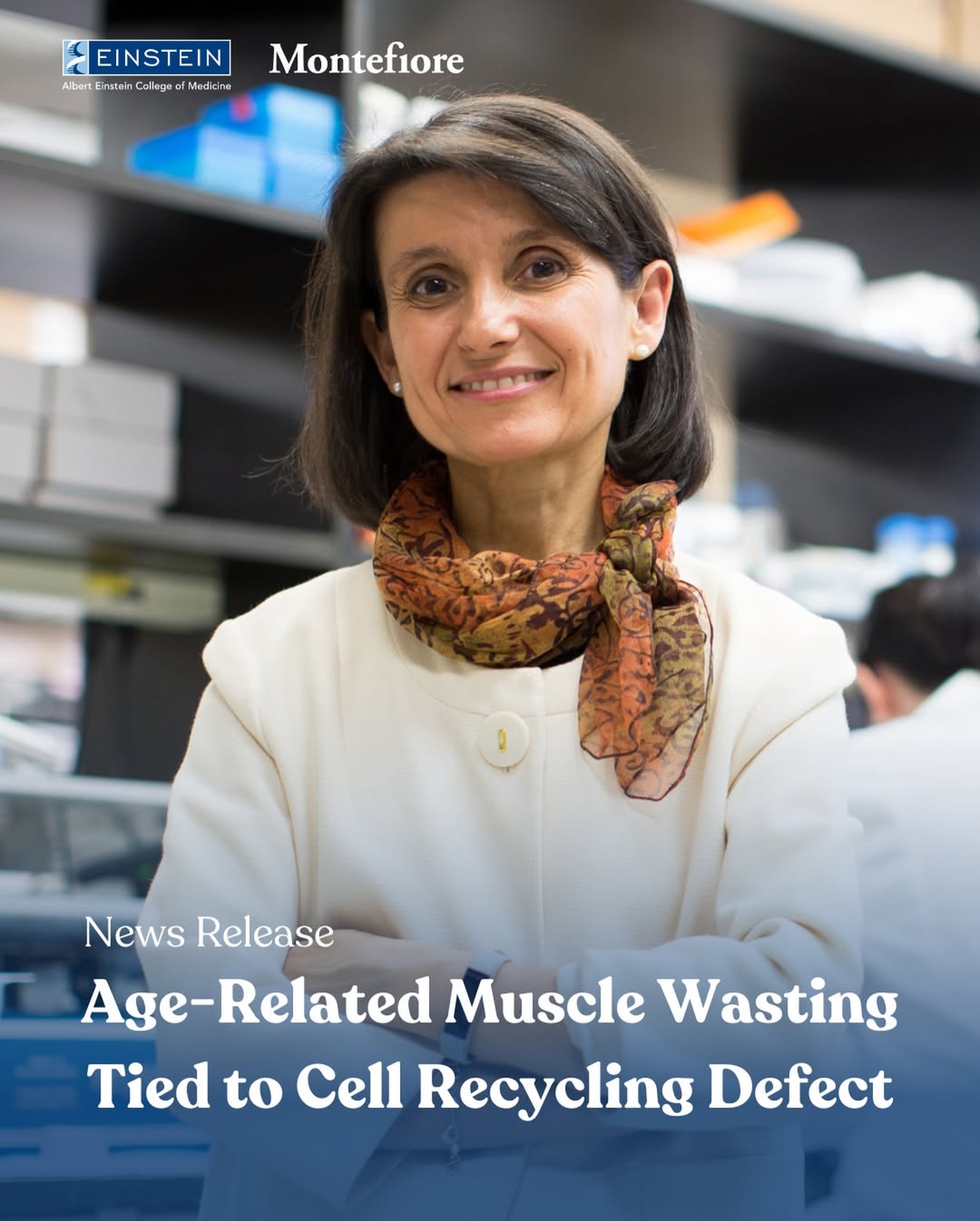
Sarcopenia or muscle wasting often accompanies aging, affecting half of all people over age 80 and significantly raising their risk for falls, injuries, and hospitalizations," said Dr. Cuervo, distinguished professor of developmental & molecular biology and of medicine, the Robert and Renée Belfer Chair for the Study of Neurodegenerative Diseases, and co-director of the Institute for Aging Research at Einstein.
"One of our interesting findings is that simple lifestyle interventions, such as exercise and fasting, can boost CMA activity and help prevent age-related muscle wasting."
The research, conducted in animal models and human muscle samples, found that CMA preserves muscle strength and enables muscles to repair themselves and that boosting CMA activity is a potential therapeutic strategy for preventing age-related muscle decline. Both studies were led in part by Albert Einstein College of Medicine's Ana Maria Cuervo, M.D, Ph.D., one of the world's leading authorities on the role of CMA in health and disease.
CMA allows cells to eliminate damaged or unnecessary proteins and reuse parts of them to build new proteins. In previous studies, Dr. Cuervo and colleagues demonstrated that reduced CMA activity allows intracellular "garbage" to build up in nerves and other cells, leading to neurodegenerative diseases, such as Alzheimer's, as well as vascular and metabolic diseases. However, little was known about the role of CMA in skeletal muscle health.
Quoted:
CMA decline may be one of the earliest molecular events in muscle aging, said Dr. Cuervo. "As we age, a decline in CMA activity is noticeable in multiple organs, including muscle. We found this in the muscle from both our mouse models and in healthy, elderly people that we examined as part of this study—even before clear evidence that muscle function has deteriorated.
"We also found that the muscles of elderly patients with sarcopenia had markedly reduced CMA activity. Our findings identify CMA as a vital guardian of muscle integrity and a promising target for preventing or treating sarcopenia in aging populations."
#muscleHD #autophagyHD #fastingHD #proteinHD #mtorHD #rapamycinHD #cmaHD