How Much Longer Do You Live on LDL Lowering Therapy?
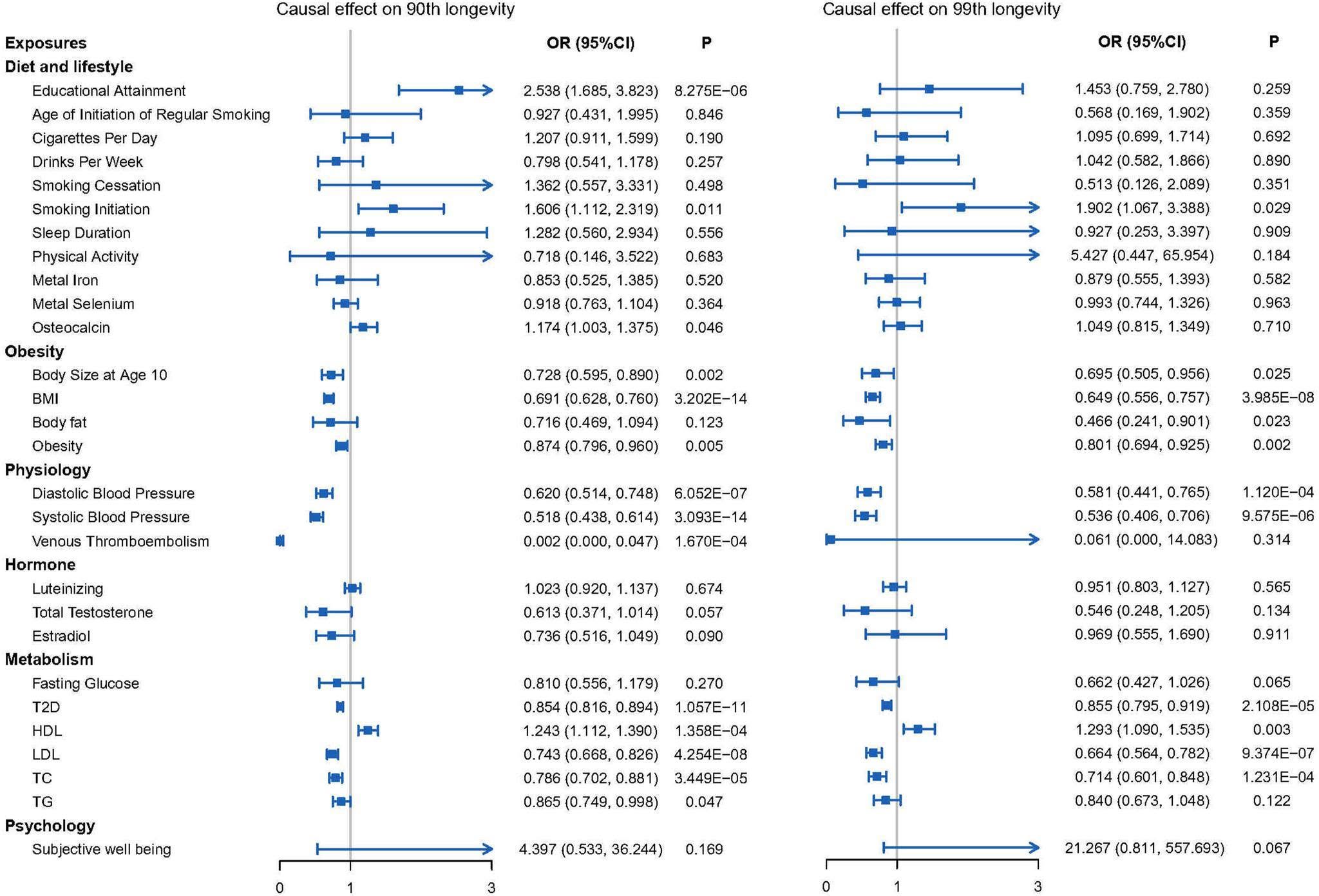
The best answer to this question comes from mendelian randomization studies. Genetically lowered LDL cholesterol by one standard deviation lifelong adds 1.2 years to one's expected lifespan. If you lower it by 2 or 3 standard deviations, you can expect a proportional gain of 2.4 yrs, 3.6 years etc. If you start lowering cholesterol in middle age, you can probably still get somewhat comparable benefits because the worst (most visible) damage happens in later years.
MR:
Paper · Br J Clin Pharmacol · 2021Low-density lipoprotein cholesterol and lifespan: A Mendelian randomization study.Conclusion: This genetic evidence supports that higher LDL-c levels reduce lifespan and longevity. In a general population that is not selected for increased cardiovascular risk, there is likely to be a net lifespan benefit of LDL-c lowering therapies, particularly for PCSK9 inhibitors, although randomized controlled trials are necessary before modification of clinical practice.pubmed.ncbi.nlm.nih.govThe benefits of LDL-C lowering do not seem to be fixed but increase steadily with longer durations of treatment. Each mmol/L LDL-C lowered was associated with a relative risk reduction in major vascular events of 12% for year 1, 20% for year 3, 23% for year 5, and 29% for year 7.
Duration effect:
Paper · Circ: Cardiovascular Quality and Outcomes · 2022Compounding Benefits of Cholesterol-Lowering Therapy for the Reduction of Major Cardiovascular Events: Systematic Review and Meta-AnalysisBackground: Mendelian randomization studies use genetic variants as natural experiments to provide evidence about causal relations between modifiable risk factors and disease. Recent Mendelian randomization studies suggest each mmol/L reduction in low-density lipoprotein cholesterol (LDL-C) sustained over a lifetime can reduce the risk of cardiovascular disease by more than half. However, these findings have not…ahajournals.org