Do oils lower LDL-cholesterol?
We have a meta-analysis of 60 controlled feeding studies showing that replacing just 1% of calories from carbohydrates with either monounsaturated (MUFA) or polyunsaturated fats (PUFA) lowers LDL-c, while saturated fat (SFA) raises it. The beneficial effect appeared to be the largest with the PUFA, which are found in seed oils like soybean, sunflower, safflower, and corn oil, as well as many nuts. Of course, lowering LDL-c compared to carbohydrates shows that we don’t only see a beneficial effect when replacing SFA-rich foods like butter or lard, although that may result in the largest change.
What’s also important about these studies is that fibre and protein were matched between groups, so the results may be more reflective of adding oils, rather than nuts, which comes with fibre and protein. That’s not to say that oils would be superior to nuts or vice versa, but both can be beneficial. Notably, the results for apoB, an even better marker of CVD risk, were similar to that of LDL-c.
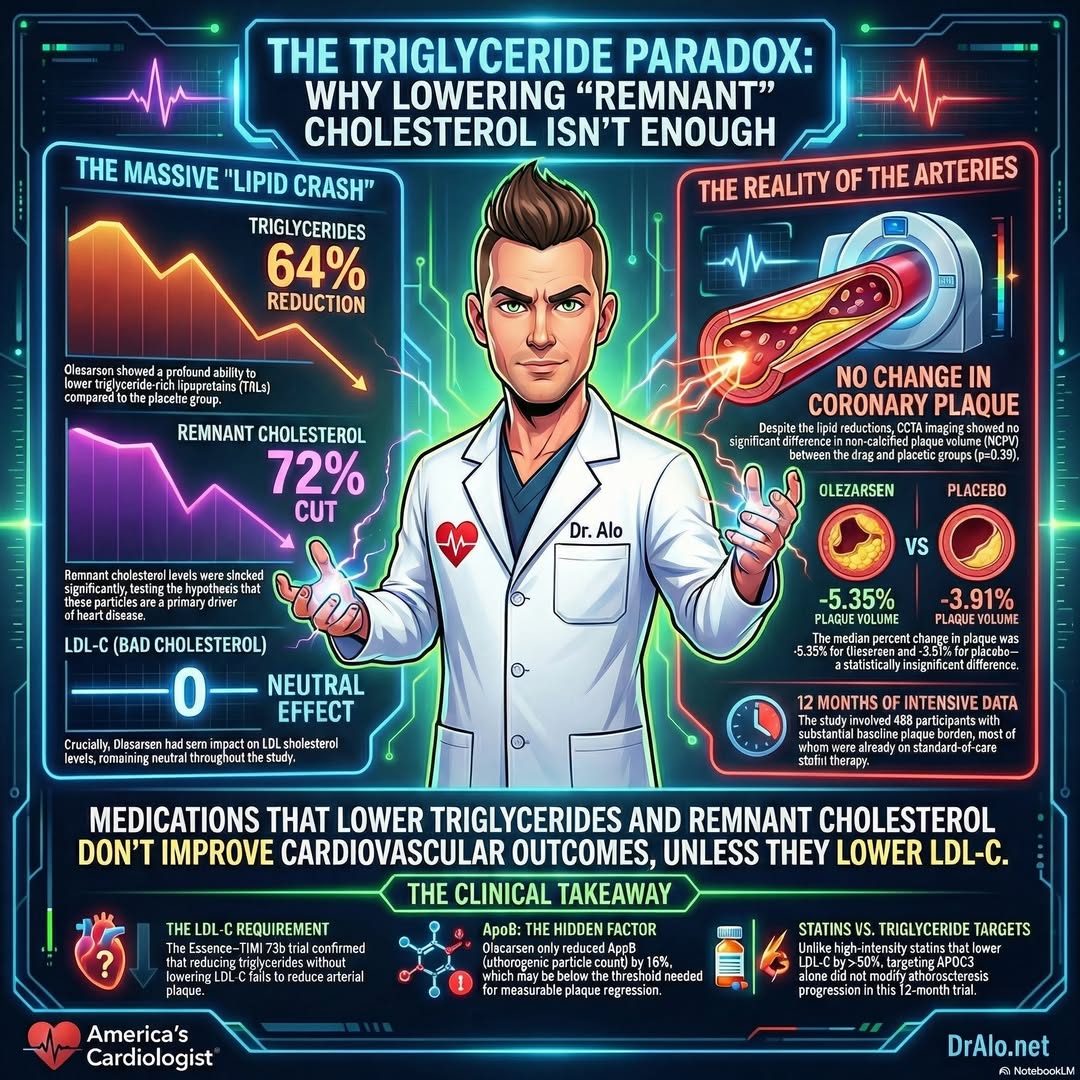
However, Dr. G suggests that apoB isn’t a better predictor than LDL-c and that it’s just an expensive test. For starters, apoB is actually cheaper than a standard lipid panel where I am in Canada. Second, we have an abundance of data showcasing that, while LDL-C is a good predictor of risk, apoB is clearly better.
The main reason LDL particles can lead to CVD is because they contain apoB, which functions like a sort of magnet that can interact with structure within the artery wall. Well, LDL particles aren’t the only ones with ApoB, although they do typically account for most of them. Therefore, a recent systematic review found that measuring apoB was superior to LDL-c for risk assessment in every study!
I hope to see Dr. G update his stance on this and share the latest evidence with his immense following.
References:
PaperScienceDirect articlesciencedirect.com
#nutritionfacts #nutritionfactsorg #vegan #plantbased #apob #ldl #cholesterol #heartdisease #atherosclerosis #nutrition #hearthealth #protein