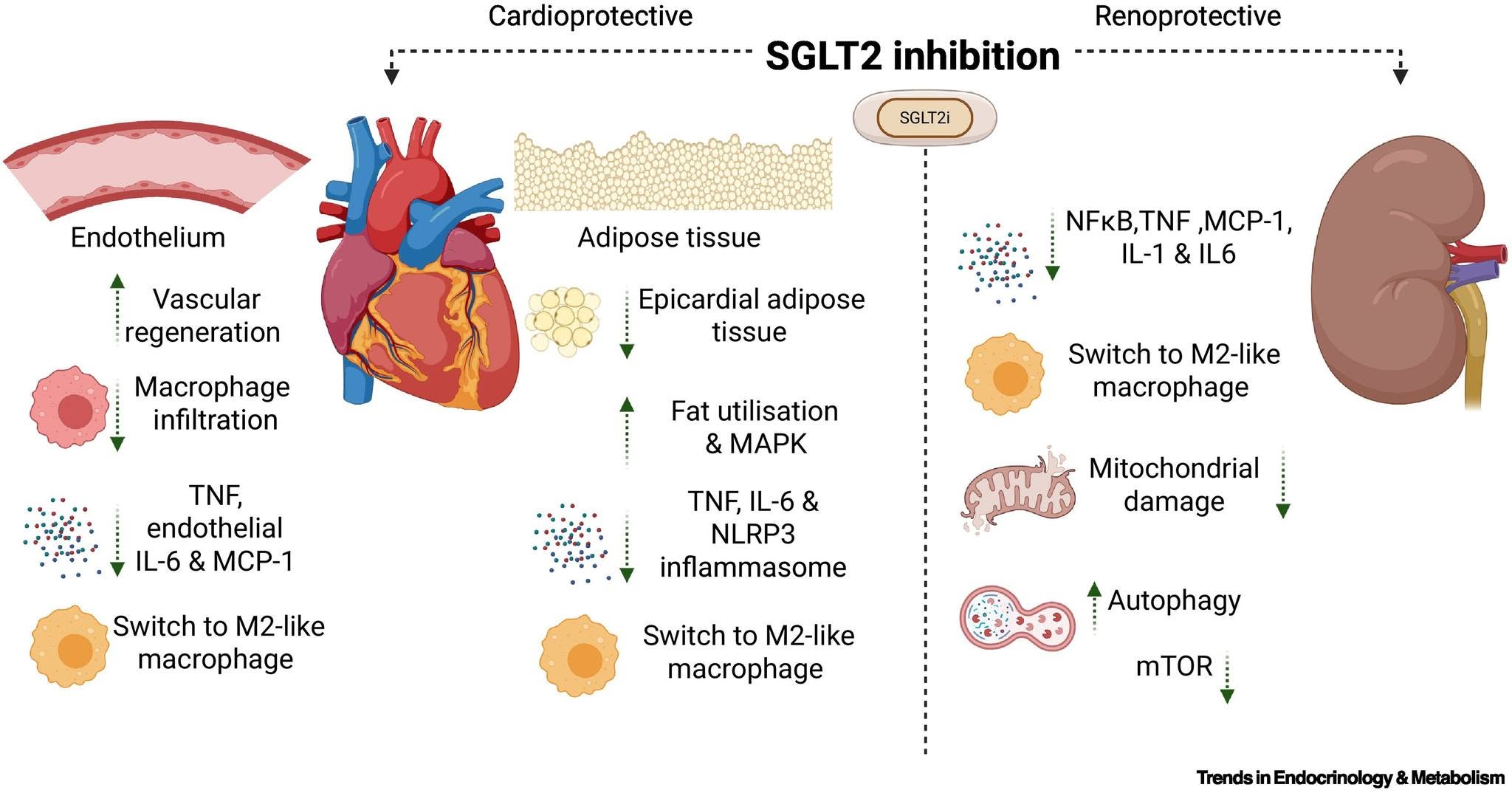
How SGLT2 inhibitors protect the heart and kidneys, in people with metabolic syndrome and diabetes.
These drugs do a lot more than just treat diabetes.
#sglt2HD #diabetesHD #mtorHD #cvdHD #kidneysHD #ckdHD #autophagyHD #inflammationHD
Louis shares a mechanism summary: SGLT2 inhibitors improve endothelial function, reduce macrophage infiltration and inflammatory mediators (TNF, IL-6, MCP-1) and protect the heart and kidneys in metabolic disease.
How SGLT2 inhibitors protect the heart and kidneys, in people with metabolic syndrome and diabetes.
These drugs do a lot more than just treat diabetes.
#sglt2HD #diabetesHD #mtorHD #cvdHD #kidneysHD #ckdHD #autophagyHD #inflammationHD
How SGLT2 Inhibitors Protect the Heart and Kidneys in Metabolic Disease👇
✅Sodium–glucose co-transporter 2 (SGLT2) inhibitors provide strong protection against cardiovascular and renal complications in obesity and metabolic disease, with benefits that extend beyond glucose lowering.
✅Cardioprotective mechanisms.
In blood vessels, SGLT2 inhibitors improve endothelial function and support vascular regeneration, while reducing macrophage infiltration into vascular tissue. This is accompanied by lower levels of inflammatory mediators such as TNF, IL-6, and MCP-1, and a shift of immune cells toward an M2-like (anti-inflammatory) macrophage phenotype, helping stabilize the vascular environment.✅In the heart and surrounding fat depots, SGLT2 inhibition reduces epicardial adipose tissue, enhances fat utilization, and dampens MAPK and NLRP3 inflammasome signaling. These changes decrease cardiac inflammation and improve myocardial energy efficiency, contributing to fewer major adverse cardiovascular events (MACE).
✅Renoprotective mechanisms.
In the kidney, SGLT2 inhibitors suppress key inflammatory pathways, including NF-κB, and reduce cytokines such as TNF, IL-1, IL-6, and MCP-1. This limits immune-cell–driven tissue injury and promotes a shift toward M2-like macrophages, supporting tissue repair.✅SGLT2 inhibition also protects renal cells by reducing mitochondrial damage, enhancing autophagy, and downregulating mTOR signaling, all of which improve cellular stress handling and slow progression of kidney disease.
✅A shared immunometabolic benefit.
Across heart, vessels, adipose tissue, and kidneys, SGLT2 inhibitors act through two major axes:🔴Metabolic reprogramming (improved substrate use and energy balance), and
🔴Anti-inflammatory immune modulation, particularly macrophage polarization toward reparative states.
💡
PaperCell Press articlecell.com#SGLT2Inhibitors #CardiorenalProtection #MetabolicDisease #Immunometabolism #MacrophagePolarization #ChronicInflammation #Endocrinology #KidneyHealth #CardiovascularHealth
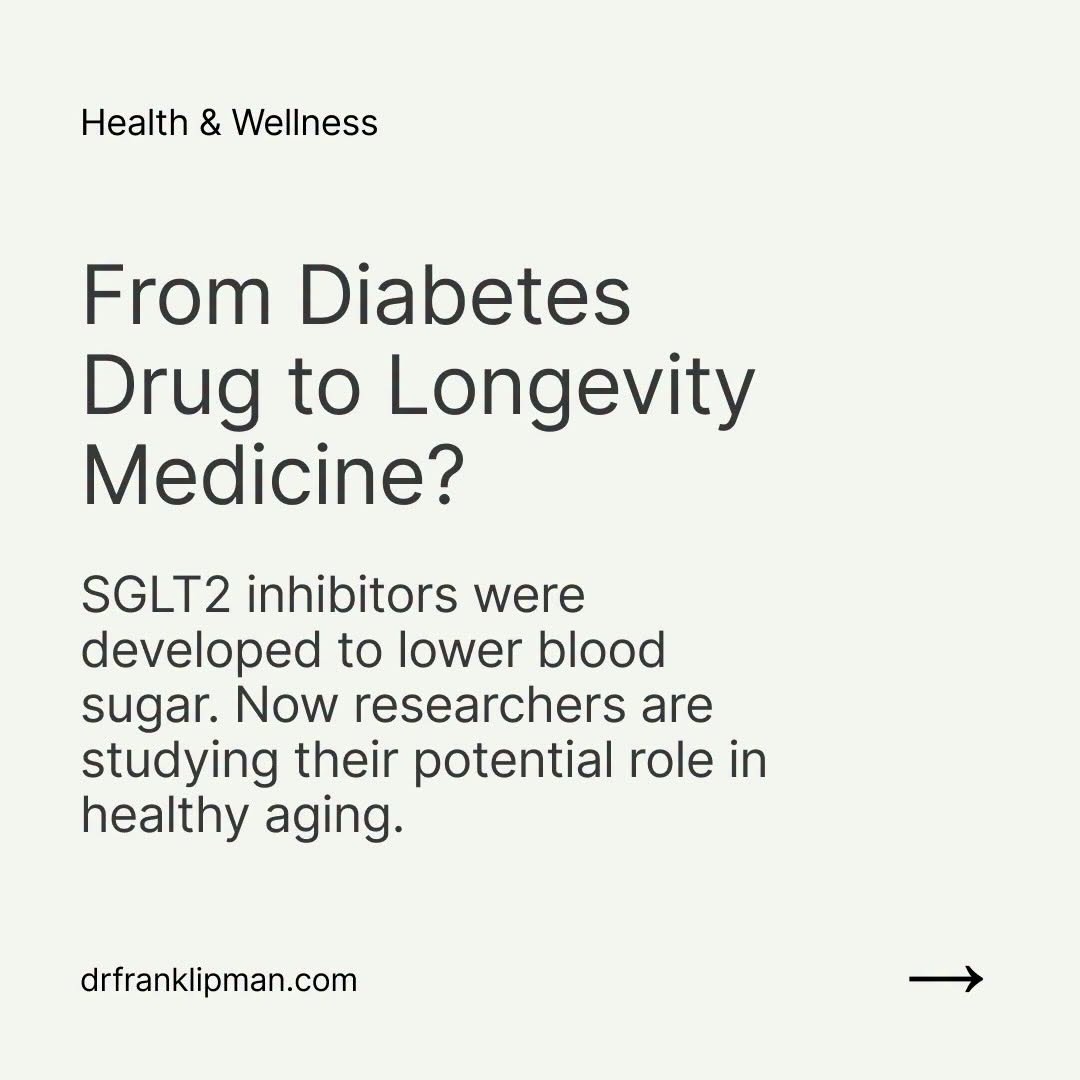
A shared post notes that SGLT2 inhibitors protect heart and kidneys beyond glucose control, and that emerging research suggests influences on inflammation, mitochondrial function, autophagy, AMPK and mTOR. It is largely promotional for a blog, and Louis added only hashtags.
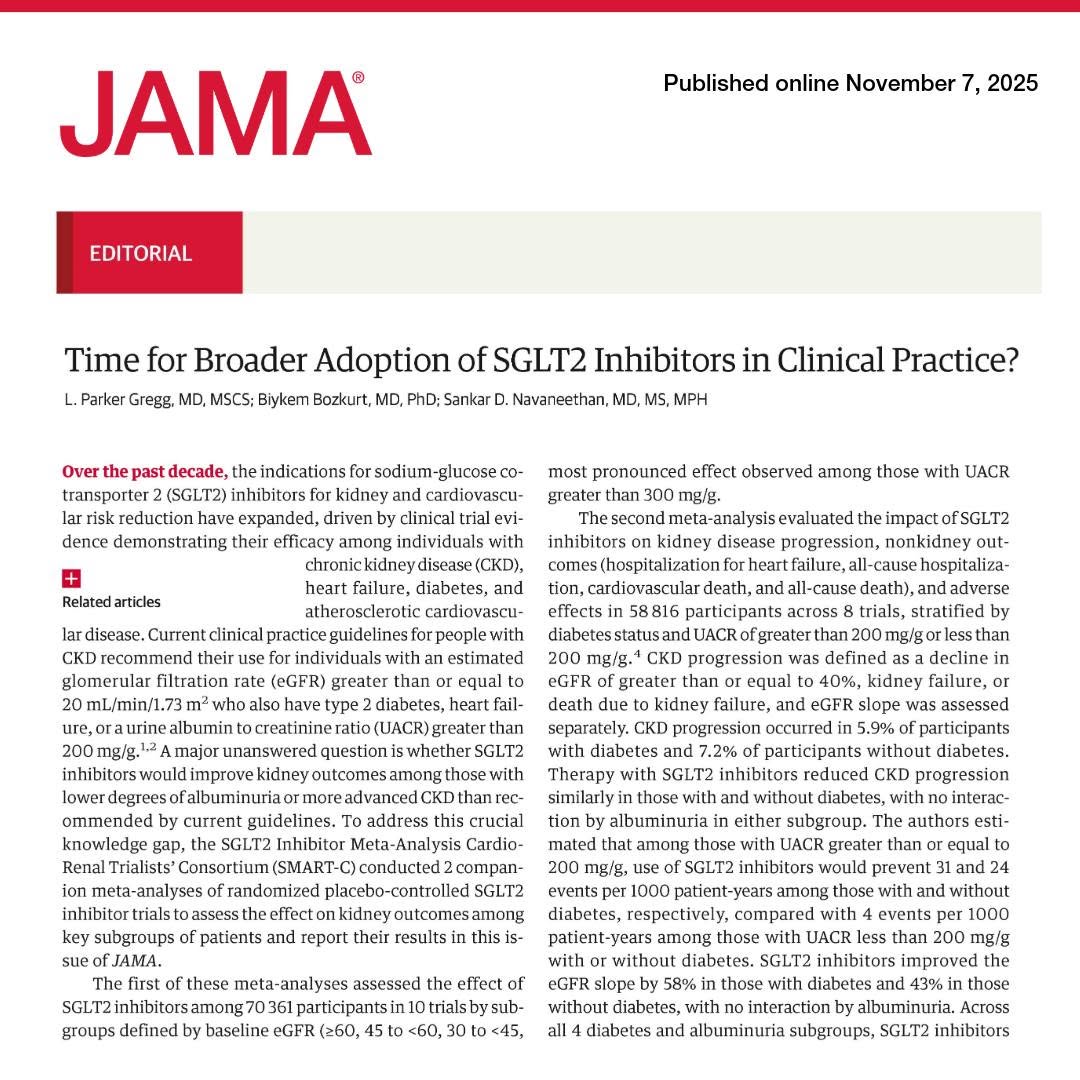
Louis shares a JAMA editorial: meta-analyses show SGLT2 inhibitors consistently reduce kidney disease progression and hospitalizations across eGFR and albuminuria subgroups, regardless of diabetes.
Louis shares a summary of the 2026 ESC guideline on cardiovascular disease and CKD. Key messages include managing CVD and CKD together, testing both eGFR and urinary albumin-to-creatinine ratio, treating albuminuria as a cardiovascular vital sign, and staging CKD with both measures.
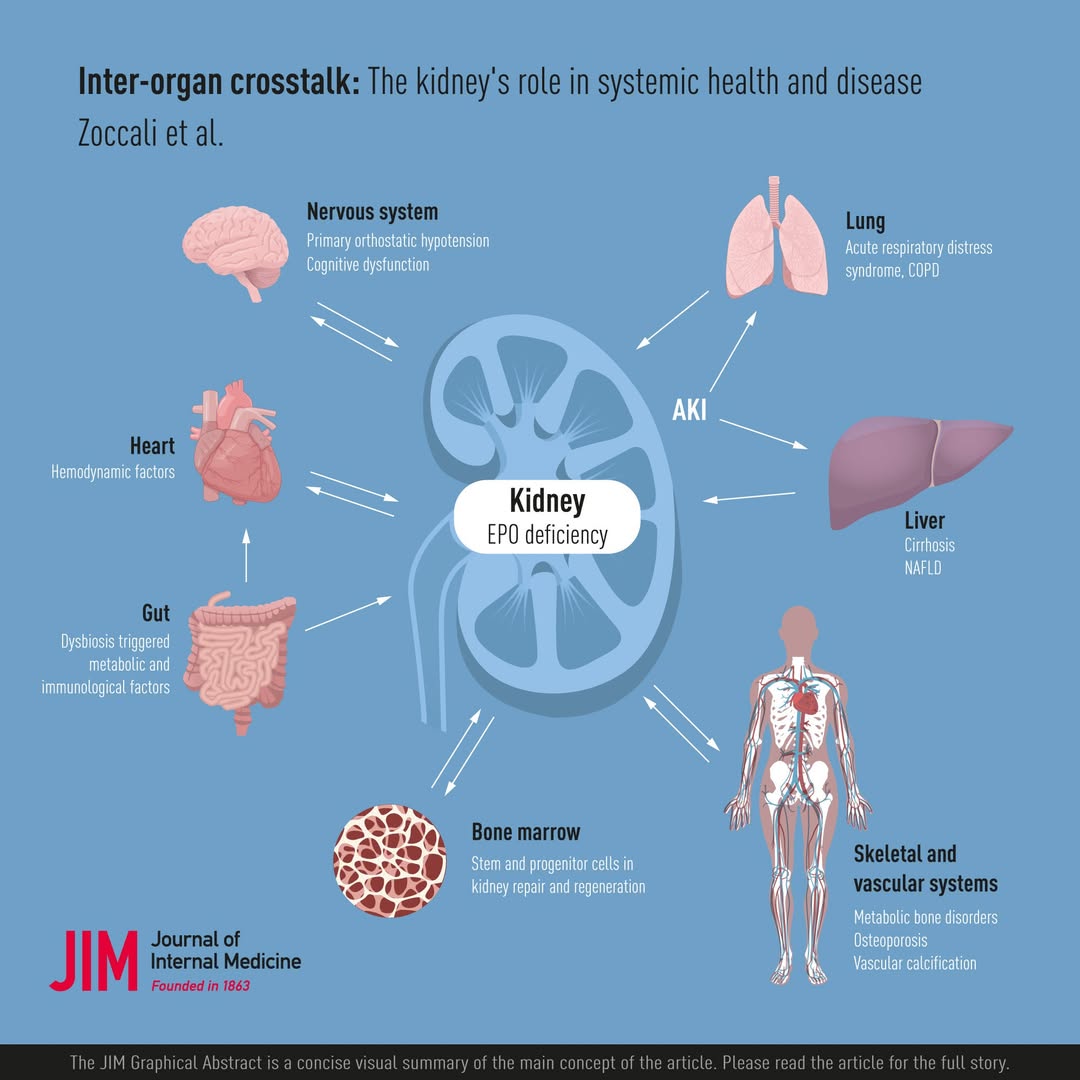
Louis notes that kidney disease is a major risk factor for CVD and dementia and that the latest AHA risk calculator now includes eGFR. A shared review describes the kidney's crosstalk with the heart, brain, gut, liver and lungs.
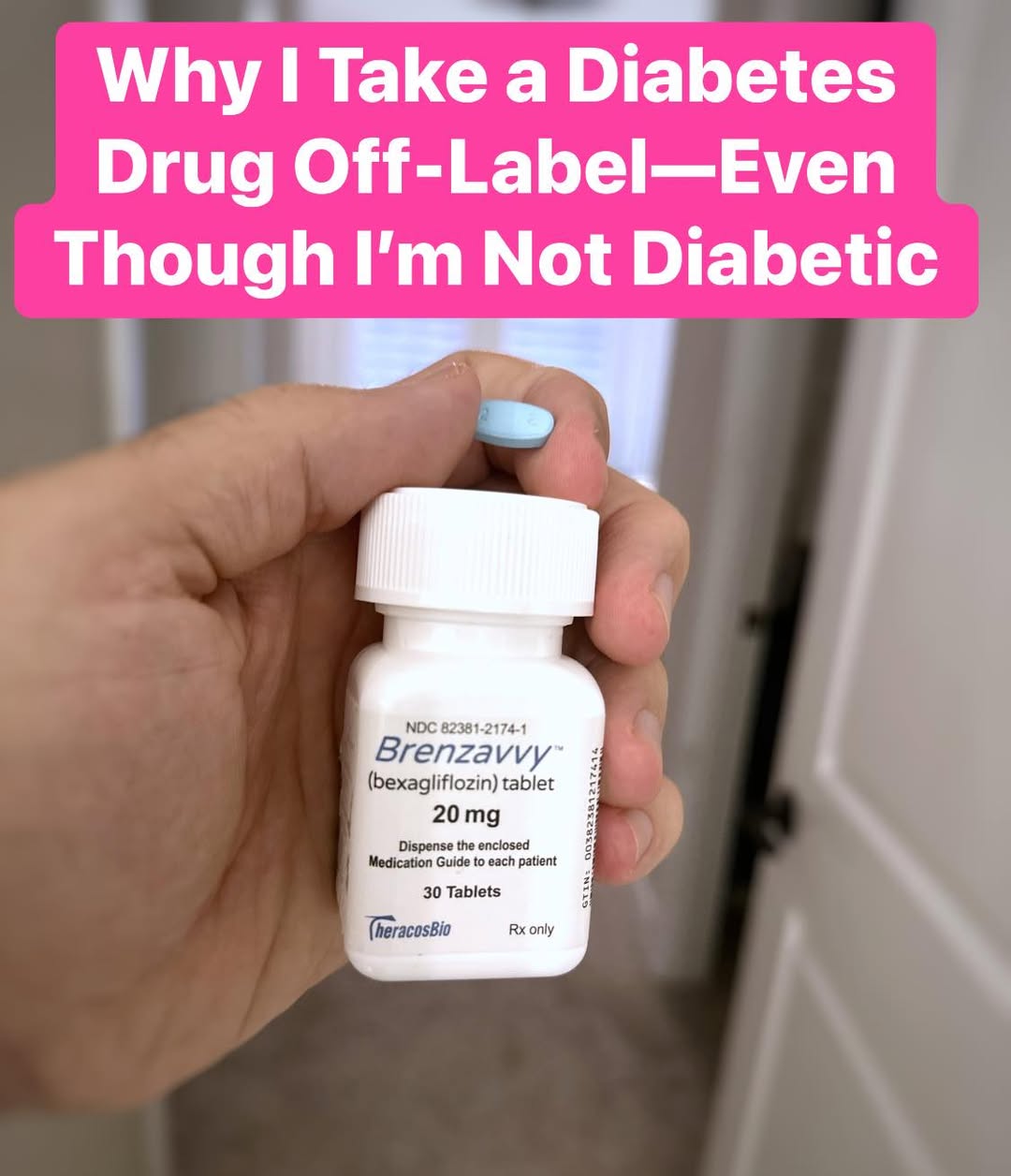
A physician explains why he takes an SGLT2 inhibitor off-label: the drugs cause daily urinary glucose loss and may reduce risks of heart disease, cancer and dementia and even extend lifespan. Most evidence comes from people with diabetes, and Louis frames the class as possibly slowing aging itself.
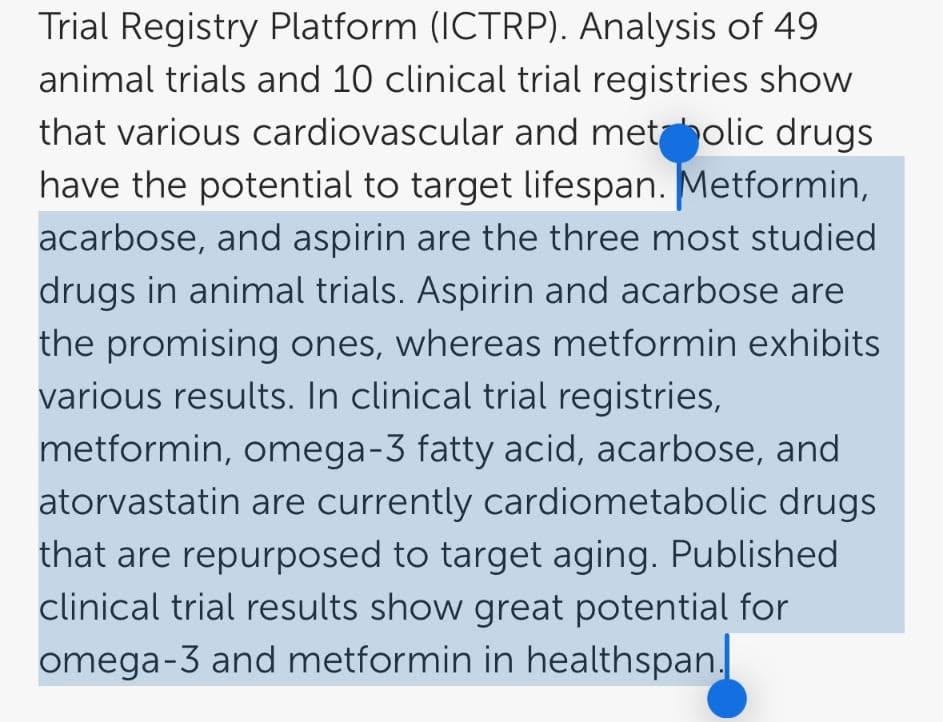
Gokhan shares a Frontiers in Pharmacology systematic review on cardiometabolic drugs repurposed for aging in animal studies and clinical trials. He takes several of these drugs, citing mTOR inhibition and lower glucose, lipid spikes, triglycerides and inflammation.