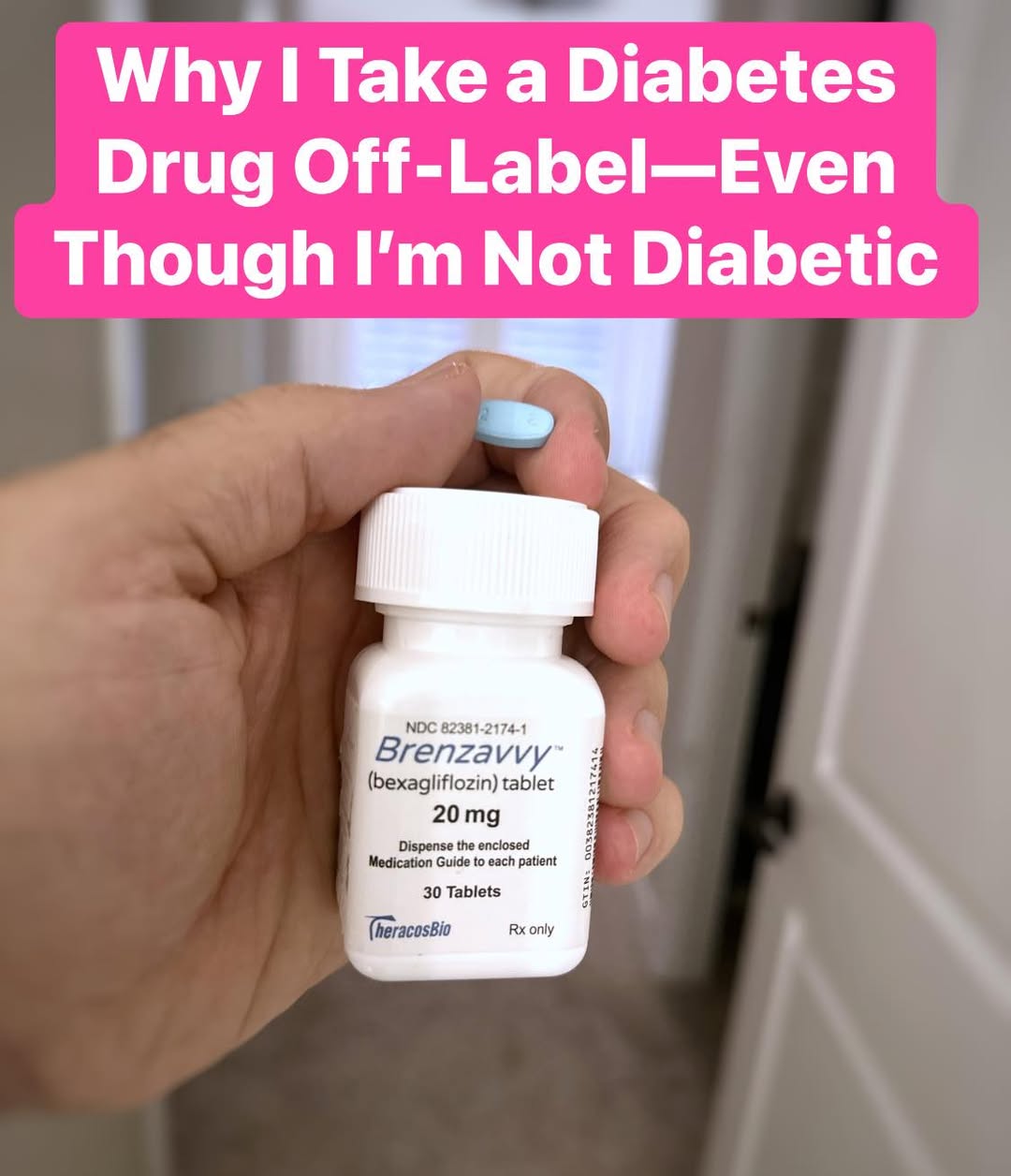
This class of drugs might be fundamentally slowing the aging process itself.
#sglt2HD #diabetesHD #glucoseHD #agingHD #longevityHD #cancerHD #dementiaHD #sglt2dementiaHD #alzheimersHD #cvdHD
A physician explains why he takes an SGLT2 inhibitor off-label: the drugs cause daily urinary glucose loss and may reduce risks of heart disease, cancer and dementia and even extend lifespan. Most evidence comes from people with diabetes, and Louis frames the class as possibly slowing aging itself.
This class of drugs might be fundamentally slowing the aging process itself.
#sglt2HD #diabetesHD #glucoseHD #agingHD #longevityHD #cancerHD #dementiaHD #sglt2dementiaHD #alzheimersHD #cvdHD
Sodium-Glucose Cotransporter 2 inhibitors (SGLT2i) were originally designed to treat type 2 diabetes by increasing glucose excretion through the urine. But like metformin before them, these drugs may have far-reaching benefits beyond diabetes management.
I take Brenzavvy (bexagliflozin), which is an SGLT2 inhibitor used to lower blood sugar levels by promoting glucose excretion through urine.
Other SGLT2 inhibitors in the same drug class include:
- Jardiance (empagliflozin)
- Farxiga (dapagliflozin)
- Invokana (canagliflozin)
- Steglatro (ertugliflozin)
Evidence suggests that SGLT2 inhibitors may reduce the risk of heart disease, cancer, and dementia, improve metabolic flexibility, and even extend lifespan.
While most of the research comes from diabetics, the fundamental mechanisms suggest similar benefits may apply to non-diabetics.
Despite this limitation, I take an SGLT2 inhibitor off-label. Here’s why—and why I think the benefits outweigh the manageable risks.
- They Shift the Body Into a More Efficient Metabolic State
SGLT2 inhibitors prevent the kidneys from reabsorbing glucose, leading to a constant, passive loss of sugar through urine. Every day, users excrete 60–80 grams of glucose, equivalent to 240–320 calories lost effortlessly.
Over a year, that adds up to 87,600 to 116,800 calories removed, which is roughly equivalent to 25–33 pounds of sugar lost per year without changing diet or exercise. This metabolic shift forces the body to burn more fat for energy, increase ketone production, and improve metabolic flexibility.
For diabetics, the benefits are obvious—lower glucose, lower insulin, and reduced metabolic stress. But what about non-diabetics? The effect is less studied, but the fundamental mechanisms remain the same. Lower insulin levels, better glucose disposal, and increased reliance on fat oxidation could still offer advantages for long-term health, even in those without diabetes.
That said, non-diabetics naturally regulate glucose well, so while the shift occurs, the magnitude of the effect may be smaller than in someone with insulin resistance.
- The Cardiovascular Benefits Are Undeniable
Cardiovascular disease is the leading cause of death worldwide, and SGLT2 inhibitors have shown some of the most powerful real-world reductions in heart disease risk of any class of medications.
In large clinical trials with diabetic and heart failure patients, these drugs have been shown to:
- Reduce hospitalizations for heart failure by 30–35%.
- Lower heart attack, stroke, and cardiovascular death risk by 23%.
- Improve kidney function, which plays a major role in long-term heart health.
Because these results were so strong, SGLT2 inhibitors are now recommended for heart failure patients regardless of diabetes status. This suggests their mechanisms extend beyond glucose control—potentially benefiting anyone at risk for cardiovascular disease.
While most trials have focused on diabetic and heart failure patients, the fundamental mechanisms—lowering inflammation, reducing arterial stiffness, improving heart metabolism—suggest that benefits could extend to non-diabetics as well.
Although we don’t yet have large cardiovascular prevention trials in non-diabetics, the sheer magnitude of benefit seen in at-risk populations suggests these drugs could play a valuable role in longevity-focused heart health strategies.
- The Cancer Risk Reduction is Promising but Not Yet Proven in Non-Diabetics
Cancer thrives in high-glucose, high-insulin environments, and many tumors are heavily reliant on glucose metabolism. Since SGLT2 inhibitors reduce glucose and insulin levels, they create a less favorable metabolic environment for cancer growth.
In diabetic patients, studies suggest SGLT2 inhibitors may reduce the risk of certain cancers:
- Colorectal cancer: A study found a 5-year survival rate of 86.2% in SGLT2 inhibitor users vs. 62.3% in non-users.
- Prostate cancer: Risk was 55% lower in SGLT2 inhibitor users, and genetic studies suggest a 48% reduction in advanced prostate cancer.
- Pancreatic cancer: Preclinical studies indicate that SGLT2 inhibitors reduce tumor size and impair glucose metabolism in pancreatic cancer cells.
- Liver cancer: Since fatty liver and insulin resistance drive hepatocellular carcinoma, and SGLT2 inhibitors improve fatty liver and lower insulin, they may reduce liver cancer risk.
However, all of these studies were conducted in diabetic patients, who have inherently higher baseline risks for many cancers. It’s unknown whether these same effects would be seen in non-diabetics.
Mechanistically, reducing glucose and insulin should lower cancer risk in anyone, but until there are randomized controlled trials in non-diabetics, the degree of benefit remains an open question.
- They Appear to Offer Strong Protection Against Dementia
Dementia is increasingly recognized as a metabolic disease, with insulin resistance playing a central role in cognitive decline. Alzheimer’s has even been called Type 3 Diabetes due to the brain’s reduced ability to process glucose as we age.
SGLT2 inhibitors help preserve brain function by:
- Enhancing ketone availability, which provides an alternative fuel source for aging neurons.
- Reducing neuroinflammation, a key driver of cognitive decline.
- Improving blood flow to the brain by enhancing cerebrovascular function.
In diabetic patients, studies show that SGLT2 inhibitors are associated with:
- A 35% lower risk of dementia.
- A 39% lower risk of Alzheimer’s disease.
- A 52% lower risk of vascular dementia.
Again, these studies were conducted in diabetics, who are at higher risk for cognitive decline. Whether non-diabetics would experience the same degree of protection remains unclear, but the mechanisms suggest potential benefits for long-term brain health.
Given that dementia takes decades to develop, taking proactive steps early is critical. SGLT2 inhibitors may offer an additional layer of metabolic support for maintaining cognitive function later in life.
- The NIH Longevity Study Shows Real Potential
Unlike most of the human data, the NIH’s Interventions Testing Program (ITP) longevity study was conducted in non-diabetic mice—and the results were significant.
SGLT2 inhibitors increased median lifespan by 14% and extended 90th percentile survival by 9%.
This effect likely comes from multiple factors, including:
- Mimicking caloric restriction by reducing glucose toxicity.
- Enhancing mitochondrial efficiency and reducing oxidative stress.
- Lowering insulin signaling, a major driver of aging.
- Reducing systemic inflammation, which accelerates aging-related diseases.
While we don’t yet have human lifespan trials, this study provides some of the strongest evidence that SGLT2 inhibitors could benefit even metabolically healthy individuals.
What About Risks?
While the benefits are compelling, SGLT2 inhibitors are not risk-free. However, for most people, the risks are manageable with proper awareness.
- Increased risk of genitourinary infections (UTIs, yeast infections) due to excess glucose in the urine. Good hygiene and hydration help mitigate this.
- Euglycemic diabetic ketoacidosis (euDKA), a rare condition where ketones rise without high blood sugar. This is primarily a concern for people on very low-carb diets or fasting extensively.
- Mild increases in LDL cholesterol, though this is due to a shift toward larger, less harmful LDL particles.
- Potential dehydration, low blood pressure, or dizziness, especially in hot climates or with intense exercise. Drinking adequate fluids and monitoring electrolytes can help.
For most people, these risks are low and manageable. Hydration, proper electrolyte balance, and avoiding extreme ketogenic states significantly reduce concerns like dizziness or rare ketoacidosis.
My Bottomline: Should Non-Diabetics Take SGLT2 Inhibitors?
The strongest evidence exists for diabetics and heart failure patients, but the mechanisms of action suggest broader longevity benefits.
While human data in non-diabetics is still emerging, I personally find the combined cardiovascular, cancer, and neuroprotection potential compelling enough to use an SGLT2 inhibitor off-label.
This is not medical advice—just my personal assessment of the data. If you’re considering it, work with a physician who understands longevity medicine.
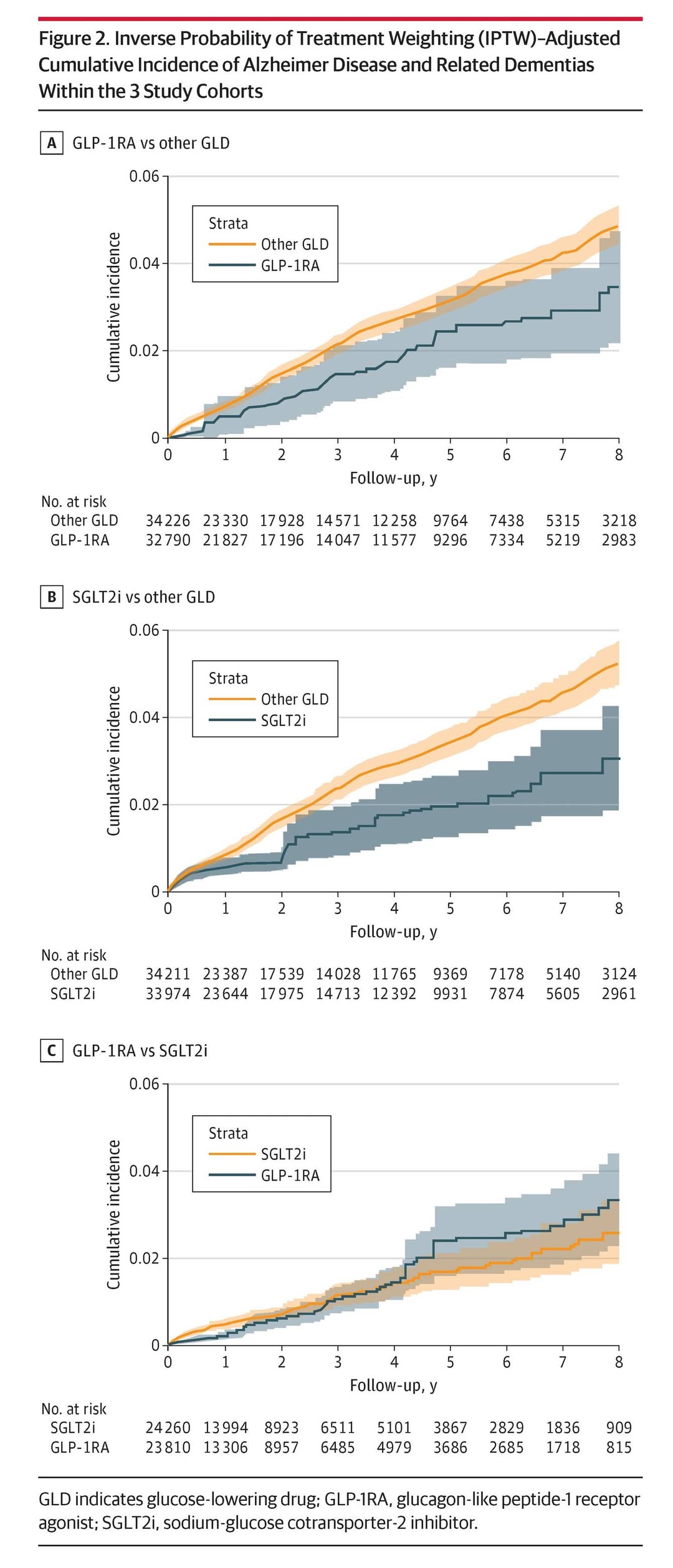
JAMA Neurology report shared by Louis: in people with type 2 diabetes, both GLP-1 receptor agonists and SGLT2 inhibitors were associated with decreased risk of Alzheimer disease and related dementias compared with other glucose-lowering drugs. Louis sees this as evidence for benefits beyond diabetes treatment.
A shared post notes that SGLT2 inhibitors protect heart and kidneys beyond glucose control, and that emerging research suggests influences on inflammation, mitochondrial function, autophagy, AMPK and mTOR. It is largely promotional for a blog, and Louis added only hashtags.
Louis praises a video on height, insulin/IGF-1 and longevity and lays out his argument: diet (refined starch/sugar and excess animal protein) is the main driver of IGF-1, and low IGF-1 is linked to lower cancer and diabetes risk. He cites Laron syndrome, with no documented cancer deaths, little diabetes and less heart disease and Alzheimer's, and a long-lived low-IGF-1 mouse. Claims come from the post and videos, not named papers.
Louis reposts an explanation of Laron syndrome, a mutation preventing IGF-1 production, and notes affected people have almost no cancer or diabetes, lower Alzheimer's risk and low CVD risk.
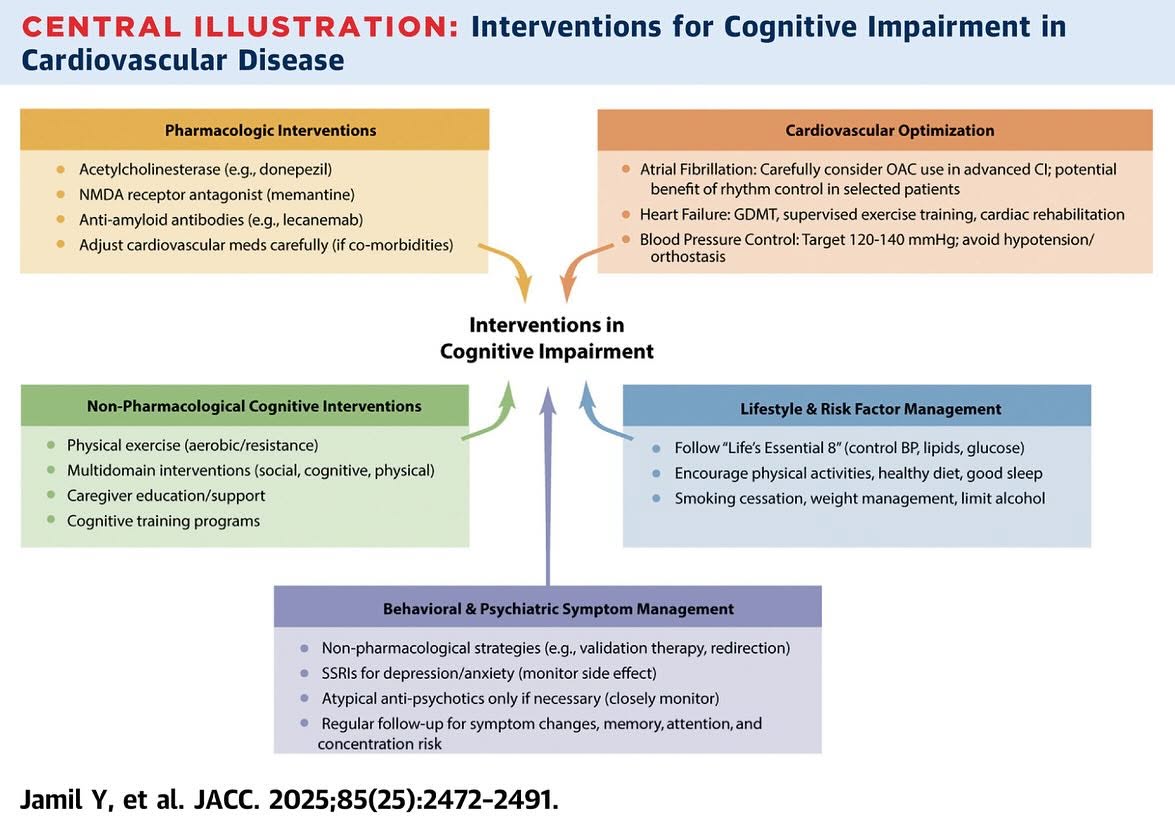
Louis shares a JACC piece arguing that cognitive impairment and CVD share the same biological drivers: chronic inflammation, insulin resistance, hypertension, dyslipidemia, oxidative stress, endothelial dysfunction and atherosclerosis. It suggests lifestyle strategies such as diet, exercise, stress reduction and sleep can address both.
A USC study reported by Medical Xpress found that people closely following a Mediterranean diet had higher levels of the mitochondrial microproteins humanin and SHMOOSE, both linked to protection against cardiovascular disease and neurodegeneration. Foods like olive oil, fish and legumes may influence aging at a cellular level.