HD-OPM Archive
Topics › How to read research

Even a cure for heart disease would show only 2-5% absolute risk reduction in short trials

Louis Nervegna · Feb 23, 2026 · ♥ 9 reactions · 1 comments · original Facebook post
How to read researchStatins
↻ This is a repost. The main version (highest ranked) is Even a cure for heart disease would show only 2-5% absolute risk reduction short-term · Nov 10, 2025.
AI summary & key facts

Short version of the absolute risk argument: because baseline risk over a few years is only 2-5%, absolute reductions of 1-2% from statins or the best lifestyle trials are meaningful.

(no text — see the shared post below)

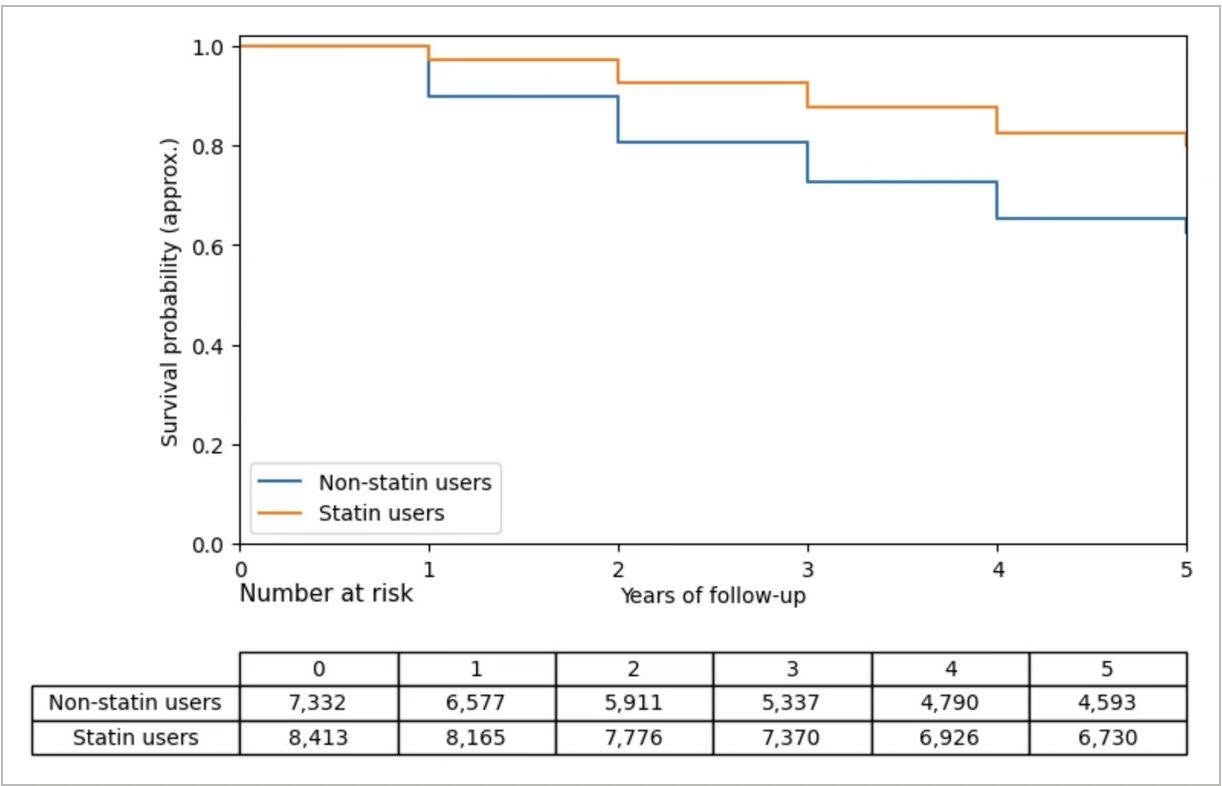
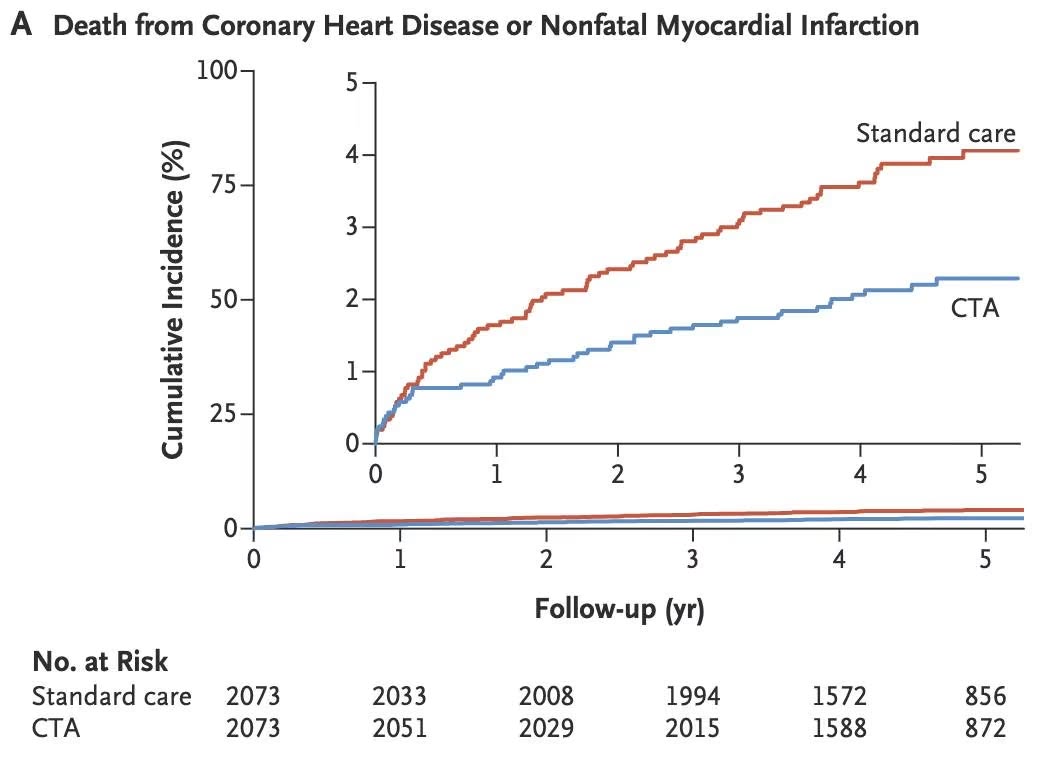
Even a complete CURE for heart disease will only reduce absolute risk by 2-5% in a trial that lasts just a few years.

Why?

Because the absolute risk of having a heart attack itself is only 2-5% during that time frame, even for people at higher risk. You cannot reduce absolute risk to less than zero!

Don’t be fooled by the quacks and charlatans claiming that absolute risk risk reductions of 1-2% are meaningless in trials lasting only a few years.

This is exactly what you see from statins, and it’s also what you see from the best trials on diet and lifestyle. The best you could possibly get from a full CURE is just 2-5% absolute risk reduction in a trial lasting only a few years. Getting 1-2% reduction in that time frame is pretty darn good.

See this past post for more information on absolute risk and statins: ↪ Statin absolute risk reduction is small over years but can exceed 10% over a lifetime.

#absoluteriskHD

#heartdisease#statins#heartattack
← newer: Why 1-2% absolute risk reductions in short statin trials areolder: Does leucine-rich protein cause atherosclerosis? Mouse evide →