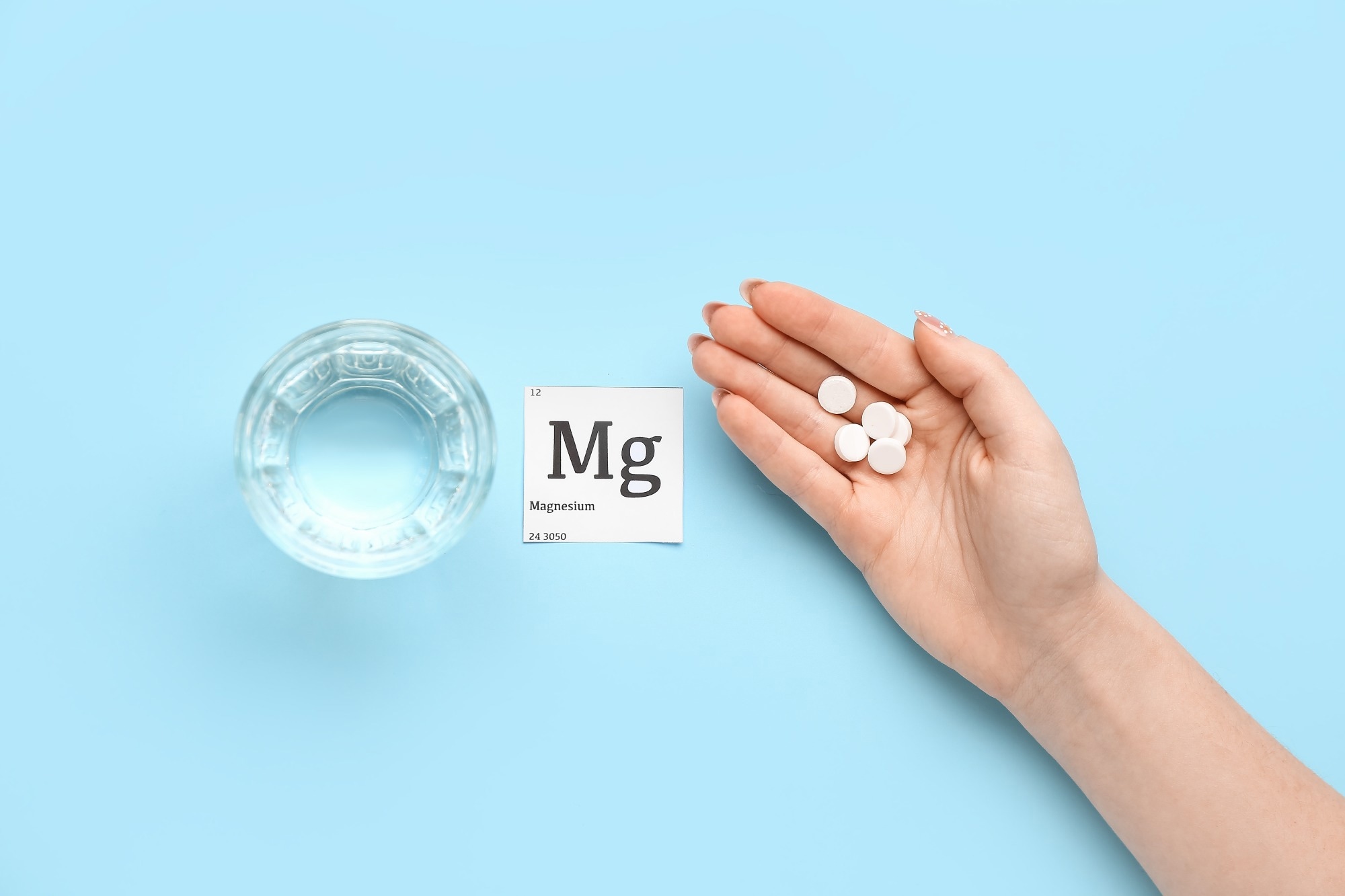
Magnesium supplementation modestly improves fasting blood glucose in older prediabetics, if they they have low levels of magnesium to begin with.
Quoted:
“Only two randomized controlled trials (RCTs) have been carried out to assess the effect of magnesium supplementation in prediabetes subjects. Both trials were small and did not select participants based on magnesium deficiency or closely track dietary magnesium intake, which may explain their mixed results.
Older adults are more likely to have prediabetes and magnesium deficiency due to poor nutrient absorption with age. The current study, therefore, targeted this population.
Testing 360 mg magnesium oxide daily
The researchers conducted an exploratory RCT over 16 weeks in 71 older Chinese adults (mean age 69 years) with prediabetes and magnesium deficiency. They were randomized to receive a magnesium oxide supplement (360 mg elemental magnesium per day, taken once daily with a meal) or a placebo. Sixty-five of them completed the trial.
The primary endpoint was the change in fasting plasma glucose (FPG) from baseline to Month 4.”
“Fasting glucose was also modestly reduced in the magnesium group, with an adjusted mean difference of -0.5 mmol/L. Other measures, including HbA1c, were not significantly different, suggesting that the reduction in fasting glucose did not translate into evidence of sustained overall glycemic improvement over the 16-week period.
The improvement in fasting glycemia is consistent with an earlier trial using a similar sample, though another study produced conflicting findings. The authors emphasize the fundamental premise of the current study: magnesium supplementation is associated with a noticeable improvement in glucose metabolism only in hypomagnesemic patients.”
 News-MedicalMagnesium lower fasting blood sugar in older adultsMagnesium boosts fasting glucose control in older adults with deficiency, but preventing diabetes progression may need more than just mineral correction.news-medical.net