HD-OPM Archive
Topics › Exercise & fitness

Aging muscle has elevated basal mTOR that blocks autophagy, and exercise lowers it

Louis Nervegna · Mar 19, 2026 · ♥ 9 reactions · 2 comments · original Facebook post
Exercise & fitnessAging & longevity
AI summary & key facts

Louis reposts discussion of a study showing aging muscle has paradoxically high mTOR growth signaling that suppresses autophagy. Exercise spikes mTOR briefly but lowers basal levels long term, restoring autophagy, which he links to heart health since the heart is a muscle.

This post is copied fron the rapamycin group: facebook.com/share/p/15eE652UKLQ.

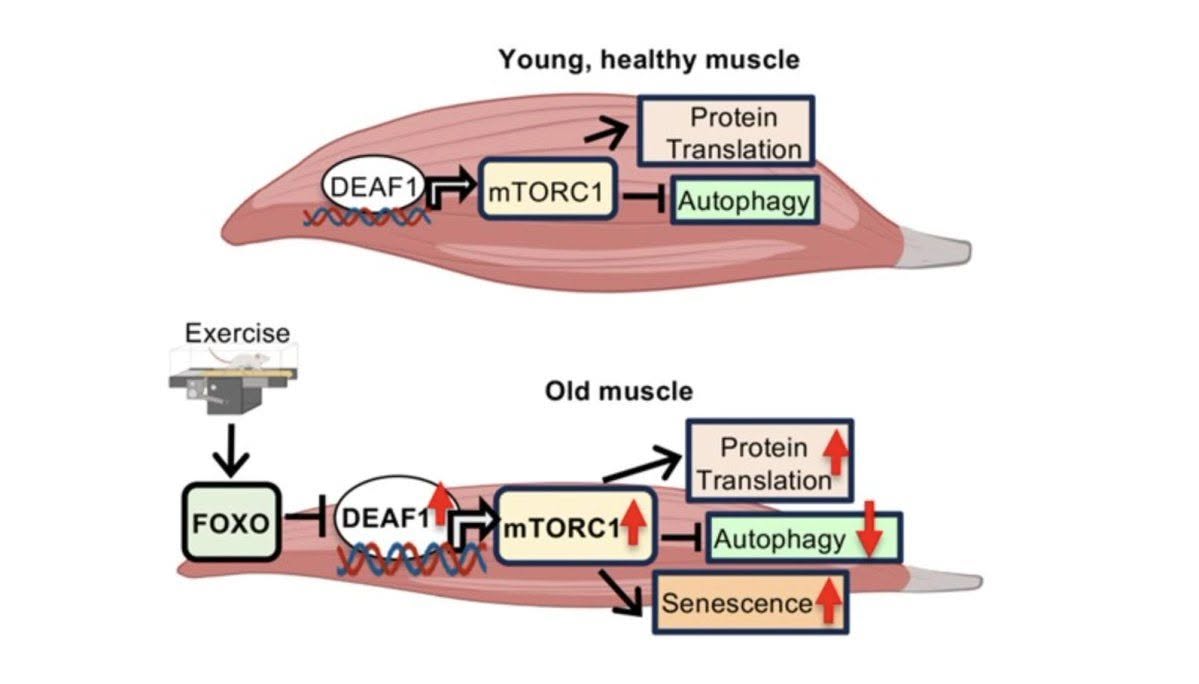
People here may find it interesting as well. The mTOR pathway promotes growth in the human body, including growth of muscle. However, its overactivation becomes pathological as we get older, which contributes to the pathogenesis of major diseases like CVD, and to the aging process itself. Inhibiting this pathway consistently extends lifespan in animal models, influding mammals like rodents.


In the long term, exercise works by decreasing basal levels of mTOR in muscle and stimulating autophagy.

This includes resistance exercise, like lifting heavy weights.

Link to article:

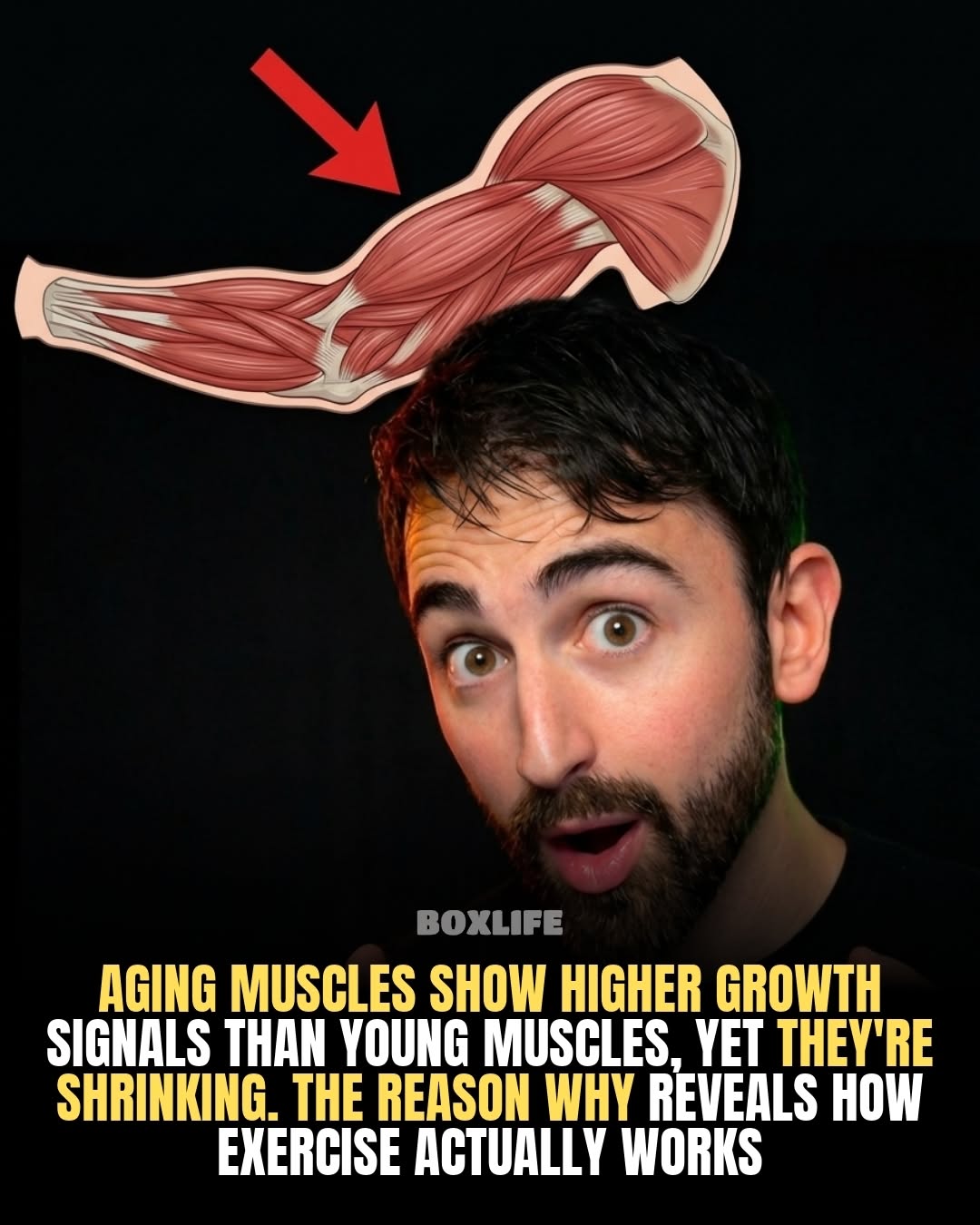
BoxLife MagazineAging Muscles Show Higher Growth Signals Than Young Muscles, Yet They're Shrinking. The Reason Why Reveals How Exercise Actually WorksA new study reveals something strange happening inside aging muscles.boxlifemagazine.com

Spikes in mTOR after exercise are only a short term adaptive repair response. They occur locally in muscle where the damage occurs, and in organs that are stressed by the exercise.

Our basal mTOR levels in muscle naturally increase as we get older, as part of the aging process. This shuts down autophagy. In elderly people with sarcopenia, basal levels of mTOR in muscle are extremely high. Exercise lowers these basal levels and restores missing autophagy.

We need a balance between anabolism (e.g. growth signaling) and catabolism (e.g. autophagy) to keep our muscles healthy as we age.

This is directly relevant to heart disease because the heart is a muscle.

There are still many sports scientists and fitness influencers who fail to understand this. They continue to push the oversimplified idea that more anabolism is all that matters when it comes to muscle… that more mTOR in muscle is always better... This is wrong!

Previous posts on this study, and related studies:
  1. ↪ Exercise lowers basal mTOR and restores autophagy in aging muscle, PNAS study shows
  1. ↪ Muscle in aging is not simply about raising mTOR with protein, says shared review
  1. ↪ Muscle aging involves falling chaperone-mediated autophagy; fasting and exercise raise it

#mtorHD #autophagyHD #exerciseHD #resistancetrainingHD

Research cited

Recent study finds aging muscles paradoxically have elevated mTOR growth signals that suppress autophagy, causing cellular damage despite high growth signaling.

Fruit fly experiments show suppressing mTOR activator DEF1 preserves muscle function and structure into old age.

Regular exercise spikes mTOR short-term but lowers baseline activity later, balancing growth with cleanup.

The research also highlights muscle as a critical endocrine organ affecting heart, brain, and metabolism.

Targeted supplements like creatine, omega-3s, sarcosine, and olive leaf extract can further support muscle longevity.

This paradoxical insight challenges traditional views on muscle aging and maintenance, and more details await in the full article.

This paradigm shift could transform approaches to lifelong muscle health.

No photo description available.
← newer: Israeli HRT study's 749% higher cancer risk at ages 50-65 isolder: Chart from Harvard cohorts on coffee, tea, caffeine and deme →