HD-OPM Archive
Topics › Inflammation & CRP

Engineered regulatory T cells targeting oxidized LDL cut plaque 70% in mice

Gokhan Can · Nov 22, 2025 · ♥ 35 reactions · 7 comments · original Facebook post
Inflammation & CRPBlood vessels, circulation & endotheliumLDL, ApoB & lipid panel
AI summary & key facts

Summarises a University of Pennsylvania preclinical study adapting CAR T therapy: Tregs engineered to recognise oxidized LDL dampened arterial inflammation and reduced plaque 70% in cholesterol-prone mice. Unlike cancer CAR-T, the cells suppress rather than destroy; it is a possible add-on for patients at risk despite cholesterol drugs.

Targeting Oxidized LDL: New CAR-T Therapy Reduces Arterial Plaque by 70%

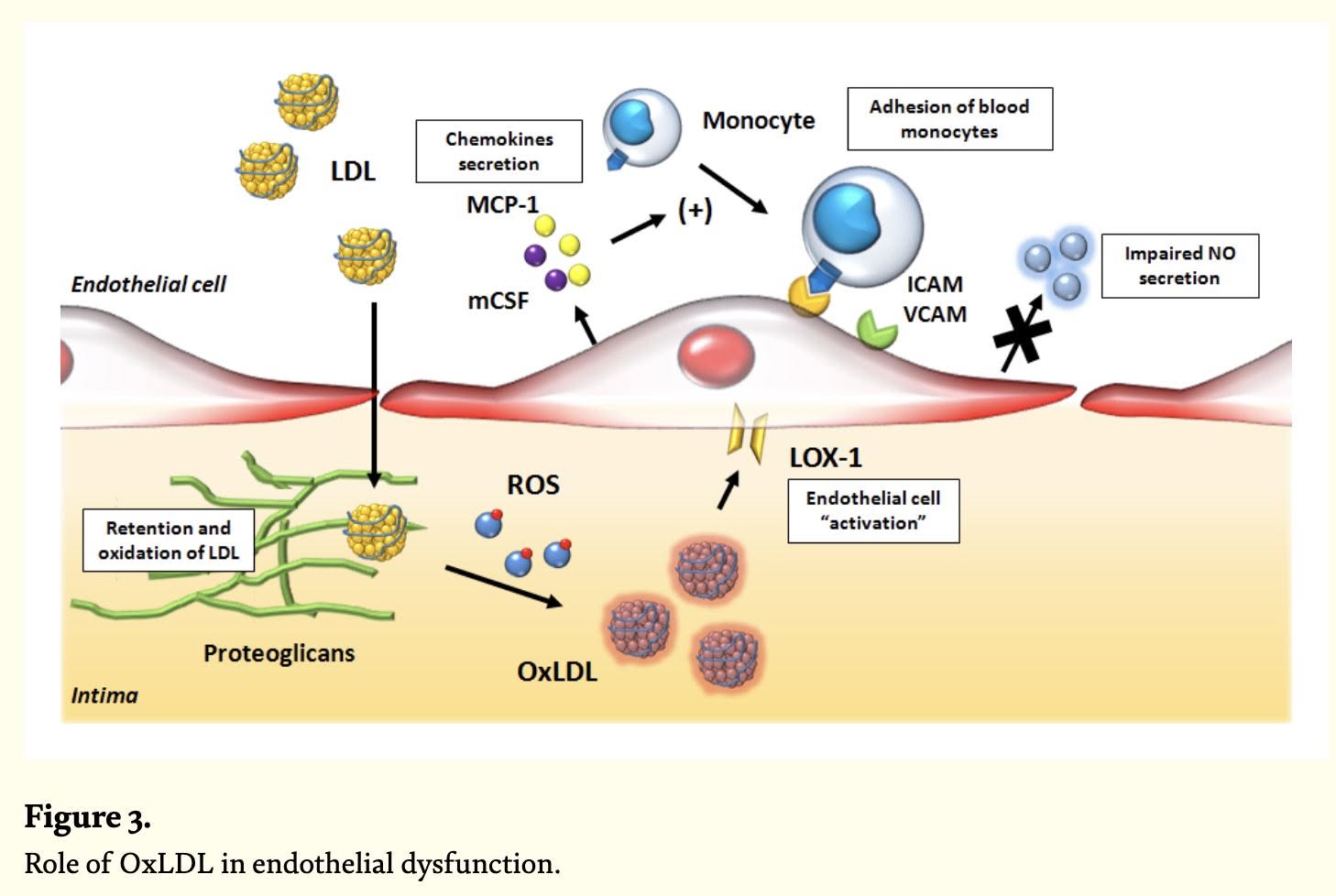
A preclinical study led by researchers at the University of Pennsylvania has demonstrated that CAR T cell therapy—traditionally a cancer treatment—can be effectively adapted to treat atherosclerosis by targeting inflammation. By engineering regulatory T cells (Tregs) to recognize and suppress oxidized LDL (OxLDL), the specific molecule that drives arterial inflammation, the team achieved a 70% reduction in plaque buildup in mice prone to high cholesterol. Unlike standard CAR T therapies that destroy cells, these engineered Tregs work by dampening the local immune response, offering a potential new therapeutic avenue for heart disease patients who remain at risk despite using cholesterol-lowering medications.

medicalxpress.comCar strategy common heart diseasemedicalxpress.com
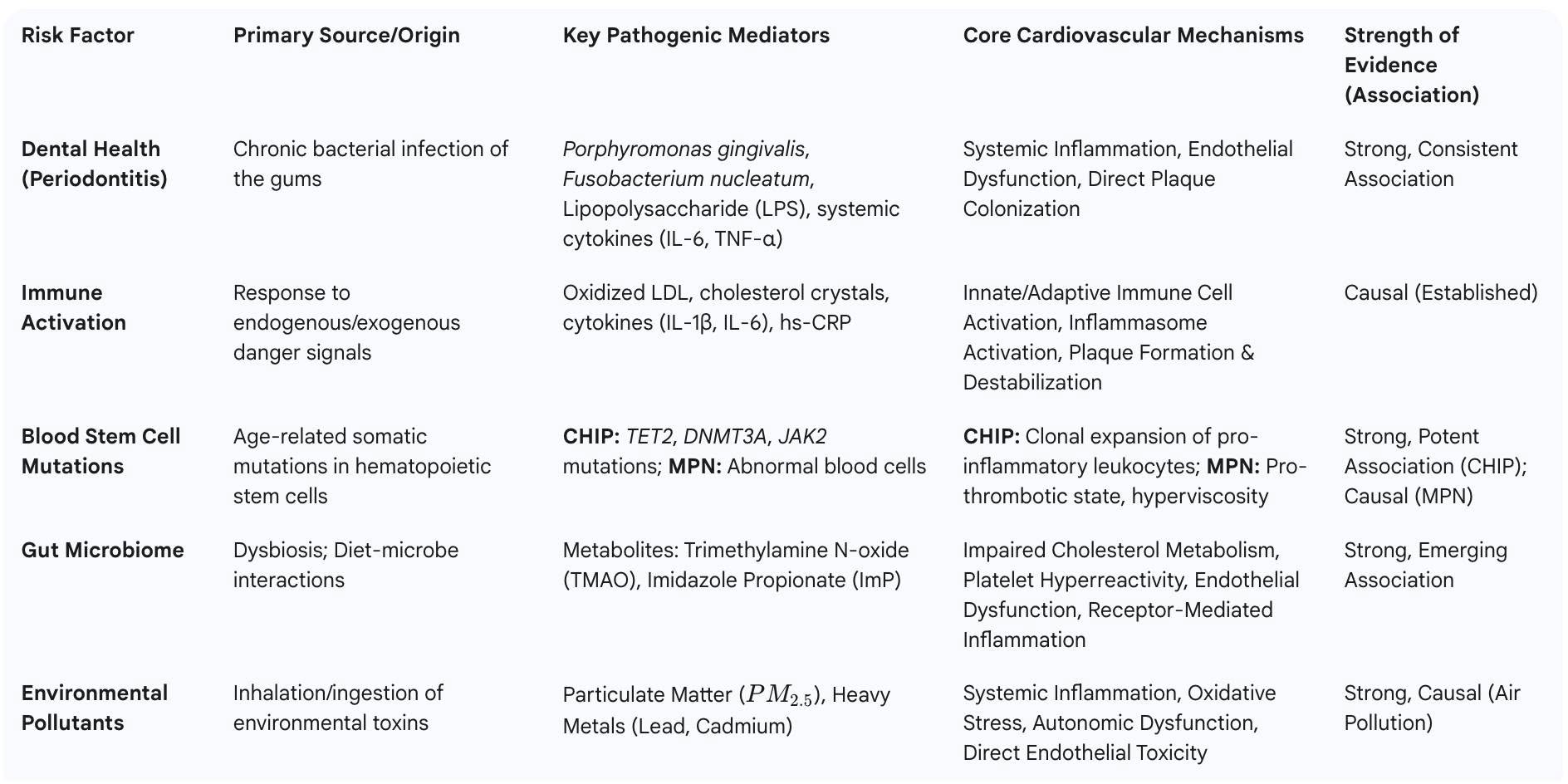
Research cited

#oxidizedldl#heartdisease#plaque#mice#inflammation#cholesterol#cancer#atherosclerosis
← newer: Video on how blood pressure targets evolved: ideal SBP underolder: Meta-analysis of 102 feeding trials: polyunsaturated fat giv →