Sometimes chemotherapy clears a tumour so completely that the surgeon finds nothing left to remove.
That outcome has a name, pathological complete response, and it is not a technicality. In a pooled analysis of 12 international trials and 11,955 patients, funded by the FDA, women who achieved it had substantially better event-free and overall survival, with the strongest association in triple-negative and HER2-positive disease.
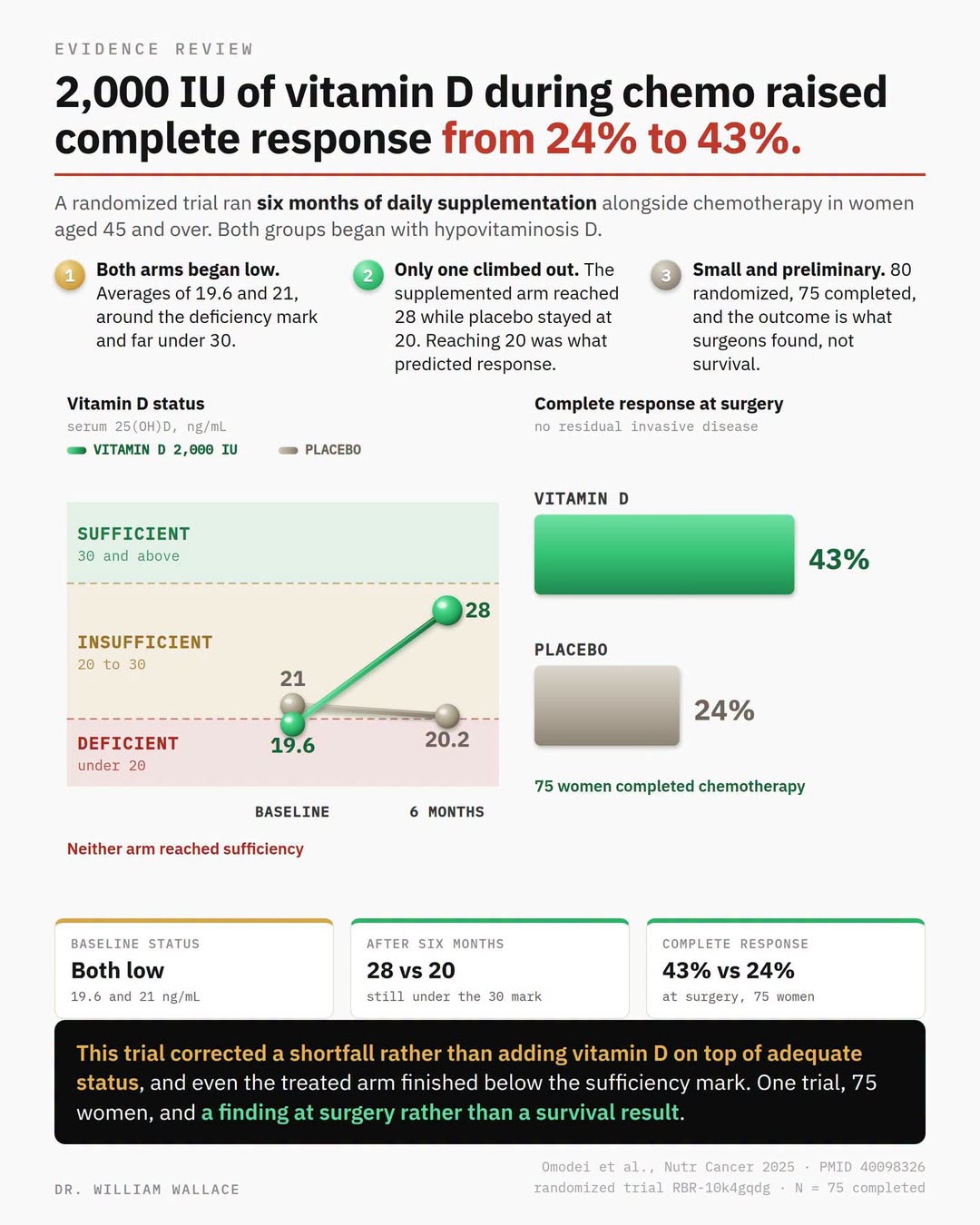
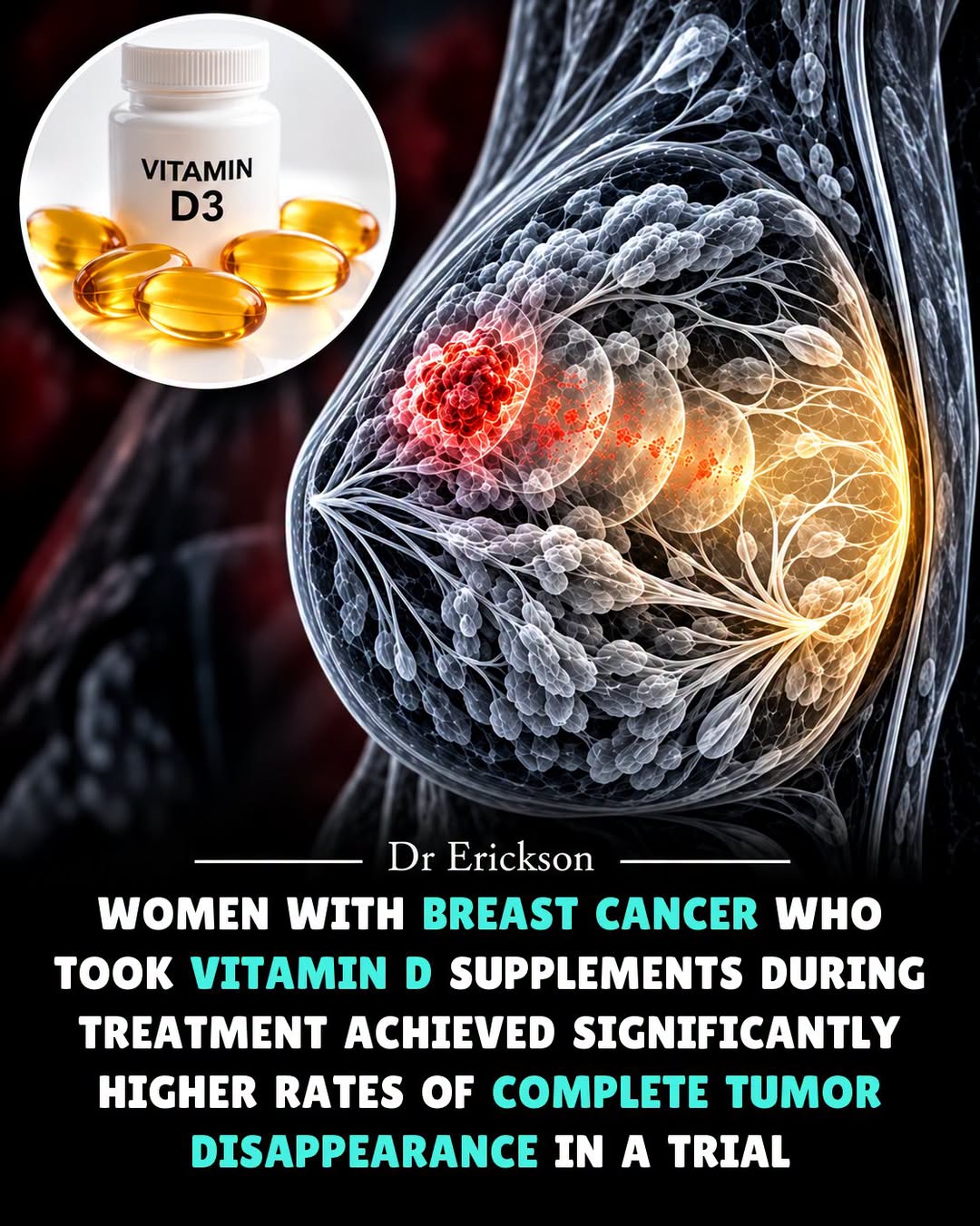
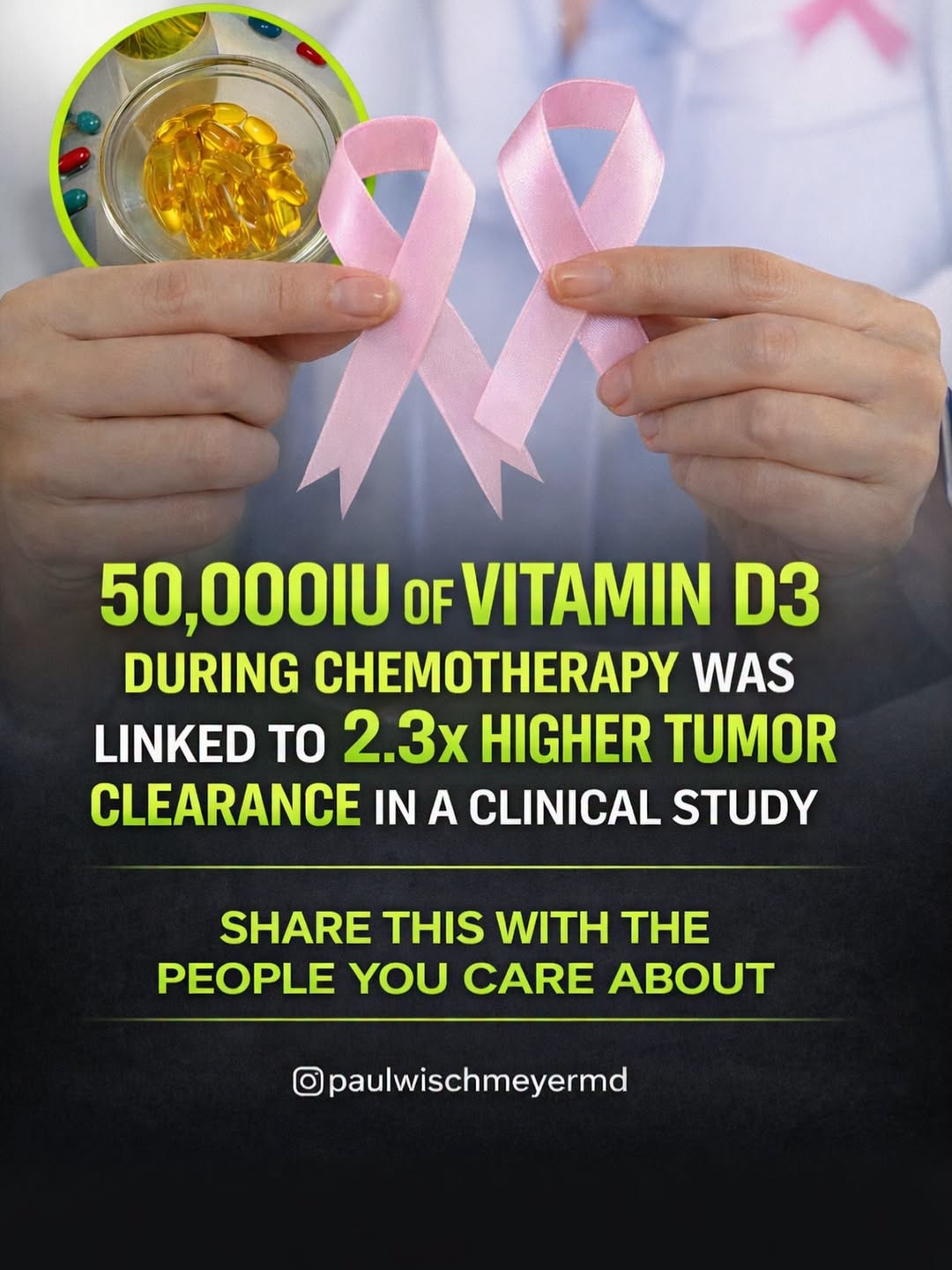
So a trial that moves that number gets attention. In Brazil, 80 women aged 45 and over starting chemotherapy before surgery were randomized to 2,000 IU of vitamin D daily or placebo for six months. Among the 75 who completed treatment and went to surgery, complete response occurred in 43 percent on vitamin D against 24 percent on placebo.
Both groups had hypovitaminosis D at enrollment, averaging 19.6 and 21 ng/mL. The supplemented group finished at 28, still under the 30 mark most labs treat as sufficient. Placebo finished at 20.2, essentially unchanged. The trial's own regression found the predictor of complete response was crossing 20 ng/mL, which is the deficiency line, not reaching a high level. This corrected a shortfall. It did not test whether extra vitamin D helps someone already replete.
The larger caution comes from that same FDA analysis. It established that patients who achieve complete response do better, but it could not validate the measure as a surrogate endpoint. An intervention that raises the complete response rate has not thereby been shown to improve survival. Those are separate claims, and this trial only supports the first.
What is left is a genuine randomized result, in 75 women, at a single centre, on a surgical finding rather than a survival outcome, in a population that was deficient to begin with. That is worth following.
Omodei et al., Nutr Cancer 2025 · PMID 40098326
Cortazar et al., Lancet 2014 · PMID 24529560