Bisphosphonates for bone loss: Reviewing clinical outcomes
Osteoporosis and Fracture Prevention:
- Bisphosphonates are the most widely used medications for osteoporosis. Alendronate, risedronate, ibandronate, and zoledronic acid are the most common (Bilezikian et al., 2009).
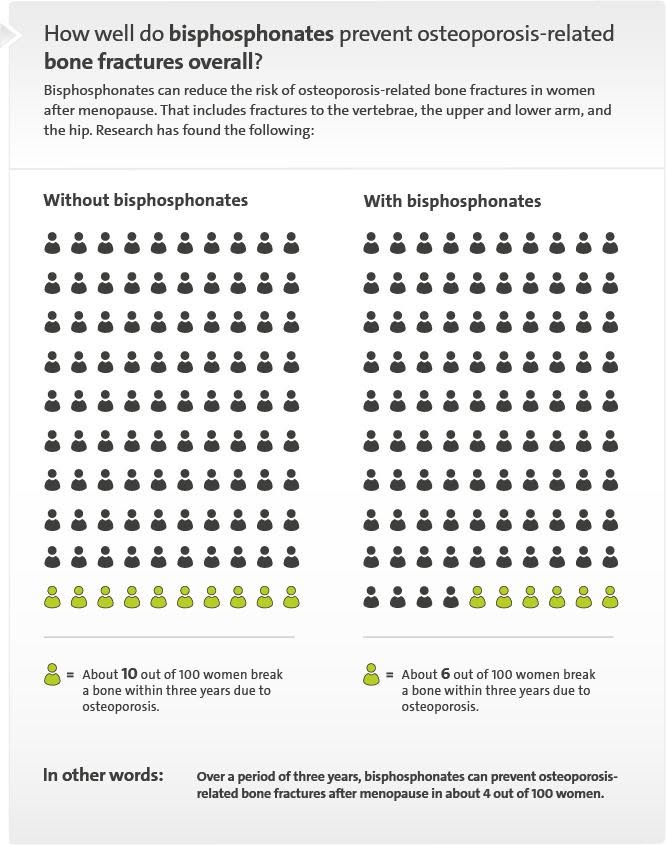
- Alendronate reduces vertebral fractures by 50% and non-vertebral fractures by 50% in women with prevalent vertebral fractures. It reduces hip fracture risk by 34% in the oldest old patients (Black et al., 1996; Cummings et al., 1998; Axelsson et al., 2017).
- Yearly IV zoledronic acid reduces vertebral fractures by 70% and hip fractures by 40% in postmenopausal women. It also reduces fracture risk when given after a hip fracture (Black et al., 2007; Lyles et al., 2007).
- A 2017 meta-analysis found bisphosphonates significantly reduced overall osteoporotic fracture risk (OR 0.62), vertebral fractures (OR 0.55), and non-vertebral fractures (OR 0.73) compared to placebo. Zoledronic acid showed the greatest reduction in overall fracture risk (OR 0.61) (Tan et al., 2017).
Muscle Mass and Strength:
- Some evidence suggests bisphosphonates may have positive effects on muscle mass and strength, but data are limited.
- A retrospective study found alendronate use was associated with increases in skeletal muscle mass index (+0.137 kg/m2), appendicular skeletal muscle mass (+514 g), and lower limb muscle mass (+319 g) at 1 year compared to no treatment, after adjusting for confounders (Ito et al., 2015).
- A retrospective study of osteoporosis patients found 4 years of zoledronic acid treatment increased appendicular skeletal muscle mass by 841 g and skeletal muscle mass index by 0.35 kg/m2, while the control group decreased (Kaneko et al., 2021).
- In a mouse model of Duchenne muscular dystrophy, pamidronate treatment increased muscle strength and suppressed muscle damage markers compared to placebo (Yoon et al., 2016).
- In Caenorhabditis elegans, bisphosphonates delayed age-related muscle decline and improved neuromuscular function across the lifespan (Hughes et al., 2023).
- In analyses of postmenopausal women and bariatric surgery patients, oral bisphosphonates showed modest lean mass preservation effects compared to placebo (Cain et al., 2022).
Bisphosphonates and Mortality:
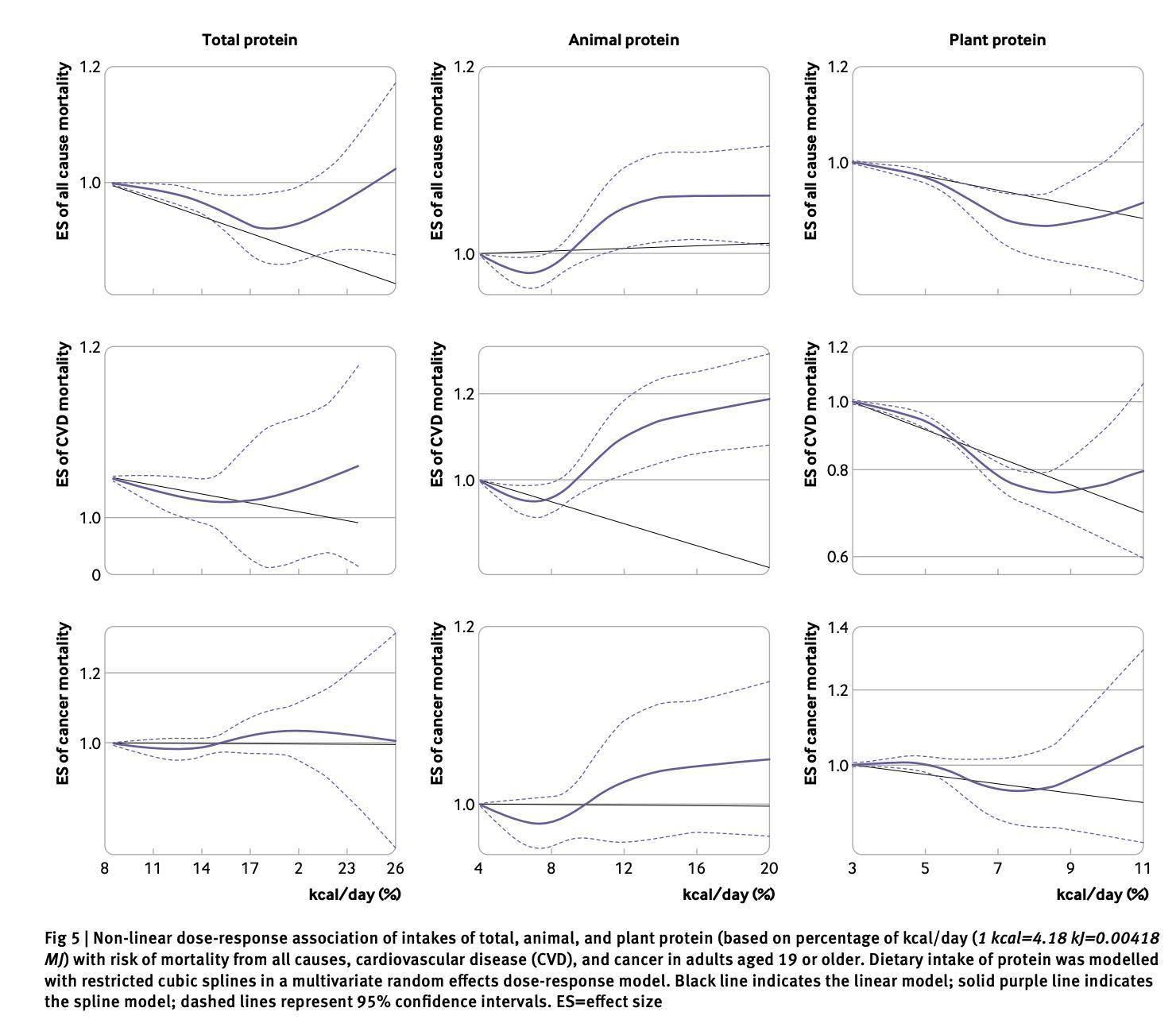
- Several observational studies have reported 25-60% lower overall mortality in osteoporosis patients receiving bisphosphonates, particularly alendronate, that is too large to be solely attributed to fracture reduction (Bliuc et al., 2016).
- However, a 2019 meta-analysis of 38 clinical trials (101,642 participants) found no significant association between all bisphosphonate treatments and overall mortality (risk ratio 0.98; 95% CI, 0.91-1.05). Trials of zoledronate showed no association with overall mortality but evidence of heterogeneity existed (I2 = 48.2%) (Cummings et al., 2019).
- A 2019 retrospective cohort study using propensity score matching found a 15% lower mortality rate in bisphosphonate users vs controls (hazard ratio 0.85, 95% CI 0.79–0.91) over median 2.8 year follow-up. The risk reduction occurred within days of treatment, suggesting potential confounding (Bergman et al., 2019).
- A systematic review and meta-analysis found bisphosphonate use, especially zoledronic acid, reduced post-fracture mortality among osteoporosis patients, particularly after hip/vertebral fractures, compared to non-use (Lin et al., 2021).
Bisphosphonates and Cardiovascular Disease:
- A 2016 meta-analysis of 61 trials found bisphosphonates reduced arterial calcification (mean difference -11.52%; 95% CI -16.51 to −6.52) but not arterial stiffness. No effect on cardiovascular events was seen overall (RR 1.03; 95% CI 0.91–1.17). Bisphosphonates tended to reduce cardiovascular mortality (RR 0.81; 95% CI 0.64–1.02) and significantly reduced all-cause mortality (RR 0.90; 95% CI 0.84–0.98) (Kranenburg et al., 2016).
- Observational studies show mixed results on bisphosphonates and cardiovascular benefits. Some found lower cardiovascular events/mortality with bisphosphonate use, especially after hip fracture, while others found no effect (Sing et al., 2018; Rodríguez et al., 2020; Casula et al., 2020).
- Zoledronic acid may increase atrial fibrillation risk based on post-hoc analyses of some trials, but most observational studies found no increased risk overall with bisphosphonates. Caution is still advised in high-risk patients (Cipriani et al., 2022).
- Current evidence is insufficient to recommend bisphosphonates solely for cardioprotection, but they appear safe in patients with CVD and may provide some cardiovascular benefits (Cipriani et al., 2022).
Bisphosphonates and Cancer:
- In vitro and animal studies suggest bisphosphonates, especially zoledronic acid, have anti-cancer effects through inducing tumor cell apoptosis, disrupting the bone microenvironment, and stimulating anti-tumor immunity (Modi & Lentzsch, 2012).
- Clinical trials in multiple myeloma found adding zoledronic acid to chemotherapy improved survival (Aviles et al., 2007), and zoledronic acid improved overall and progression-free survival vs clodronate (Morgan et al., 2010). However, meta-analyses found no significant survival benefit overall, possibly due to differences in bisphosphonates and populations studied (Modi & Lentzsch, 2012).
- A 2015 meta-analysis of adjuvant bisphosphonates in early breast cancer (18,766 women) found highly significant reductions in bone recurrence (28%), distant recurrence (18%), and breast cancer mortality (18%) in postmenopausal women only (Early Breast Cancer Trialists' Collaborative Group, 2015).
- A pharmacoepidemiologic study found the combination of statins and bisphosphonates was associated with significantly increased overall cancer survival compared to no treatment (HR 0.60; 95% CI, 0.45 to 0.81) (Babcook et al., 2019).
- A remarkable hematological and molecular response pattern was observed in a patient with polycythemia vera during combination therapy with simvastatin and alendronate.
- In lymphoma patients receiving glucocorticoids, oral alendronate prevented chemotherapy-induced bone mineral density loss at 1 year compared to placebo (Westin et al., 2022).
Other Key Points:
- Bisphosphonates are widely used to treat osteoporosis and reduce fracture risk. They have a long half-life in bone (>10 years for alendronate) and effects can persist for years after discontinuation (Papapoulos, 2005).
- Serious adverse effects like osteonecrosis of the jaw are rare (<1-3 per 10,000 patient-years with oral bisphosphonates for osteoporosis). Preventive dental care and avoiding invasive dental procedures during treatment can reduce risk (Cremers & Farooki, 2011).
 mylongevityjourney.blogspot.comBisphosphonatesOsteoporosis and Fracture Prevention: Bisphosphonates are the most widely used medications for osteoporosis. Alendronate, risedronate, iba...mylongevityjourney.blogspot.com