HD-OPM Archive
Topics › Protein

Summary of Dudley Lamming's isoleucine restriction research in rodents

Louis Nervegna · Jul 25, 2026 · ♥ 0 reactions · 1 comments · original Facebook post
ProteinAging & longevityInsulin resistance & diabetes
AI summary & key facts

Louis shares a simplified summary of Dudley Lamming's rodent work on restricting the amino acid isoleucine, linking earlier posts. Human translation is unclear, though some short-term trials of protein restriction show metabolic benefits that might be due to lower isoleucine intake.

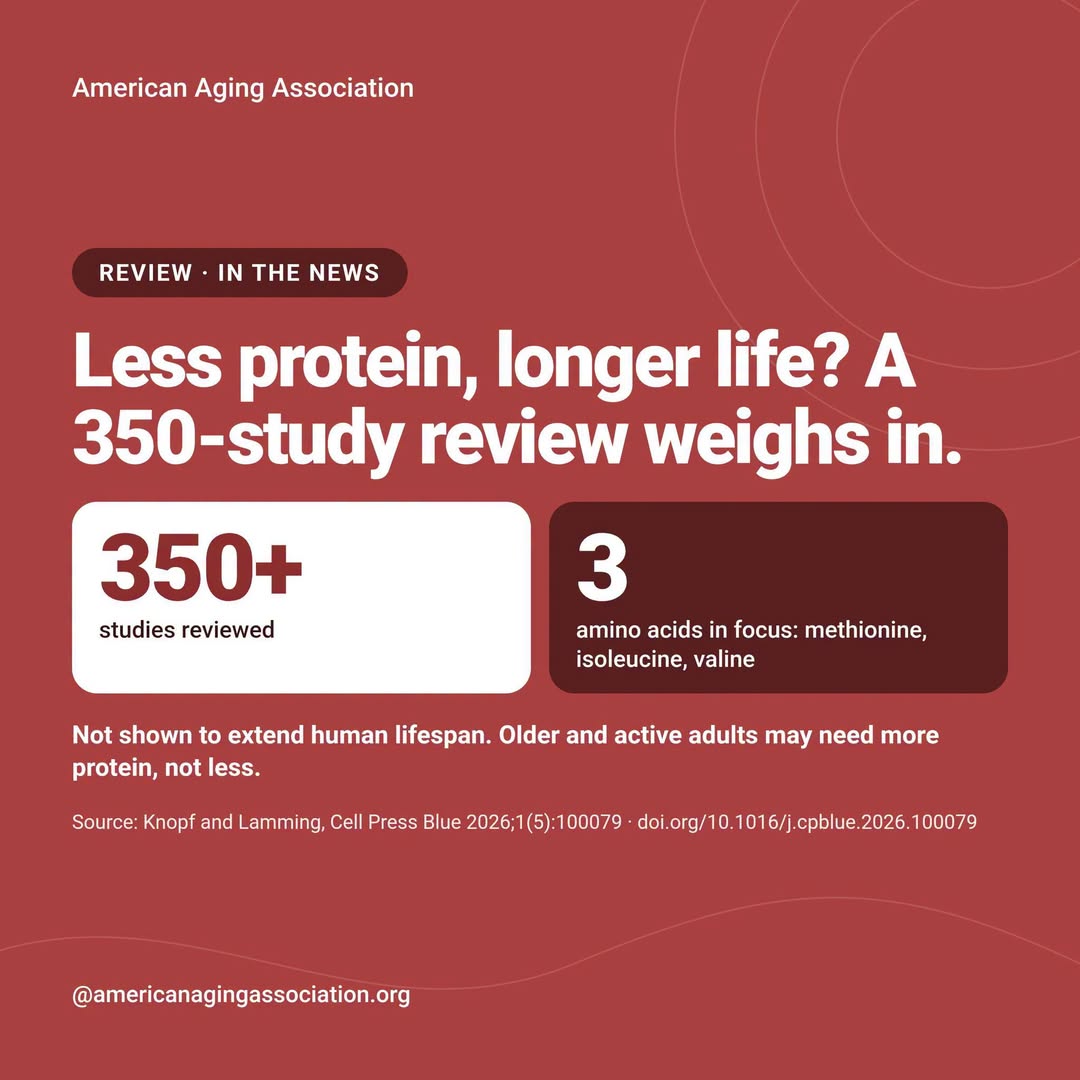
A very simplified summary of Dudley Lamming’s research on isoleucine restriction in rodent models at the University of Wisconsin.

I’ve done several previous posts on this research, which can be found here:

  1. ↪ Cutting dietary isoleucine by two-thirds extended male mouse lifespan 33%
  1. ↪ Isoleucine restriction extended male HET3 mouse lifespan 33% despite higher calorie intake
  1. ↪ Valter Longo says higher whole-food plant protein likely protects against heart disease

It’s still unclear to what degree, if any, this will translate to humans.

But some recent clinical trials have shown short term metabolic benefits to protein restriction in humans, and it is conceivable that this is due primarily to the lower isoleucine intake:

  1. facebook.com/share/v/1DGMpPZjmA
  1. ↪ Cutting protein to 10% of calories matched 25% calorie restriction in a 27-day RCT
  1. ↪ Keto influencer with LDL near 500 mg/dL discovers isoleucine restriction (Lamming work)
  1. ↪ Isoleucine restriction extends mouse lifespan 33%, and may explain the old rice diet

The chief source of isoleucine in the human diet is high-quality animal protein. By contrast, plant sources of protein tend to be a lot lower in isoleucine.

This research does suggest a plausible biological mechanism by which excessive high-quality animal protein can be harmful.

#isoleucineHD #proteinHD #dudleylammingHD #proteinrestrictionHD #agingHD #longevityHD #plantproteinHD #animalproteinHD
This content isn't available right now

When this happens, it's usually because the owner only shared it with a small group of people, changed who can see it or it's been deleted.

Research cited

← newer: High-dose vitamin D with chemo raised complete response 2.3-older: Small RCT: vitamin D raised pathological complete response t →