Whey protein powder results in the production of more insulin than an equivalent number of calories from white bread or pure glucose.
Reference:
Paper · Nutr Metab (Lond) · 2012The insulinogenic effect of whey protein is partially mediated by a direct effect of amino acids and GIP on β-cells.Conclusion: Compared with white wheat bread meal, whey causes an increase of postprandial insulin, plasma amino acids, GIP and GLP-1 responses. The in vitro data suggest that whey protein exerts its insulinogenic effect by preferential elevation of the plasma concentrations of certain amino acids, GIP and GLP-1.pubmed.ncbi.nlm.nih.gov PEScienceWhey Protein Insulin Spikes and How to Avoid ThemWhey protein can cause significant insulin spikes—sometimes greater than carbs. Learn how whey affects insulin, ketosis, and why whey-casein blends are the smarter choice.pescience.com
In the particular human study cited above, whey resulted in roughly TWICE the insulin production of pure glucose or white bread, when compared calorie for calorie.
(See graph in photo below from the study. Gray bar is whey. White bar is white bread. Black bar is pure glucose. Y-axis is insulin level.)
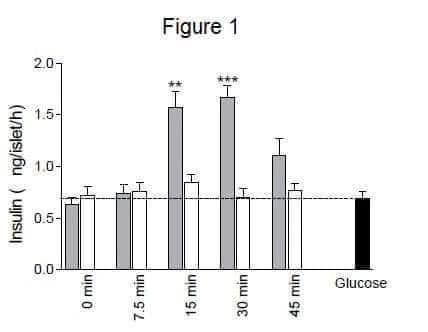
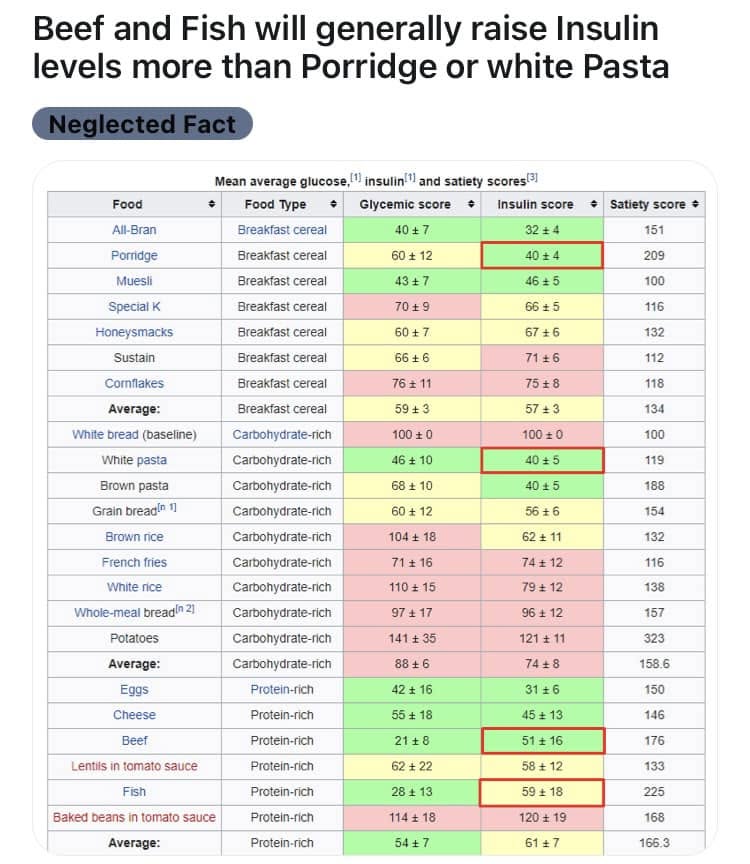
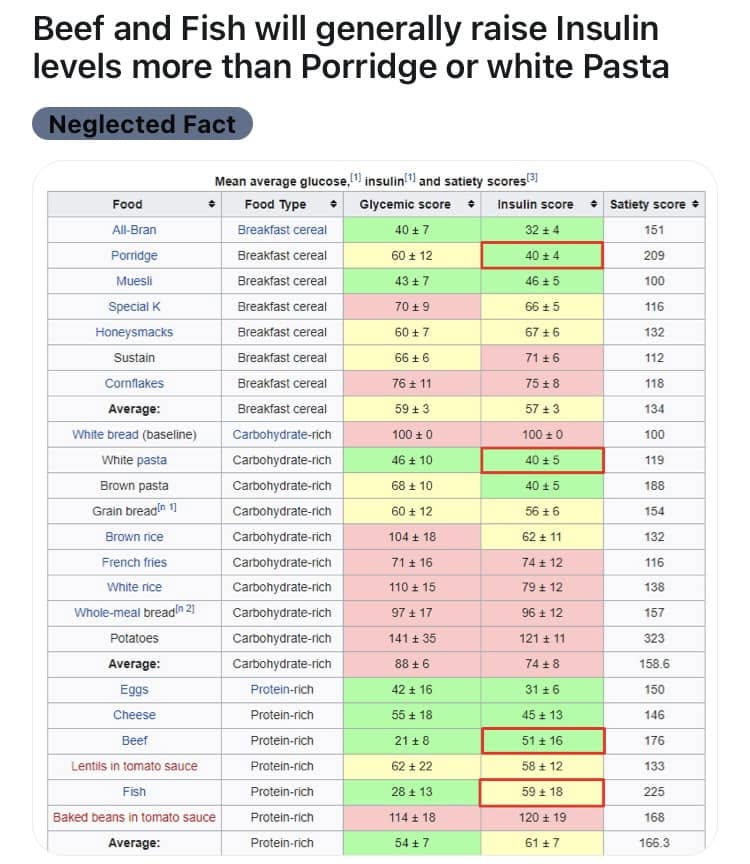
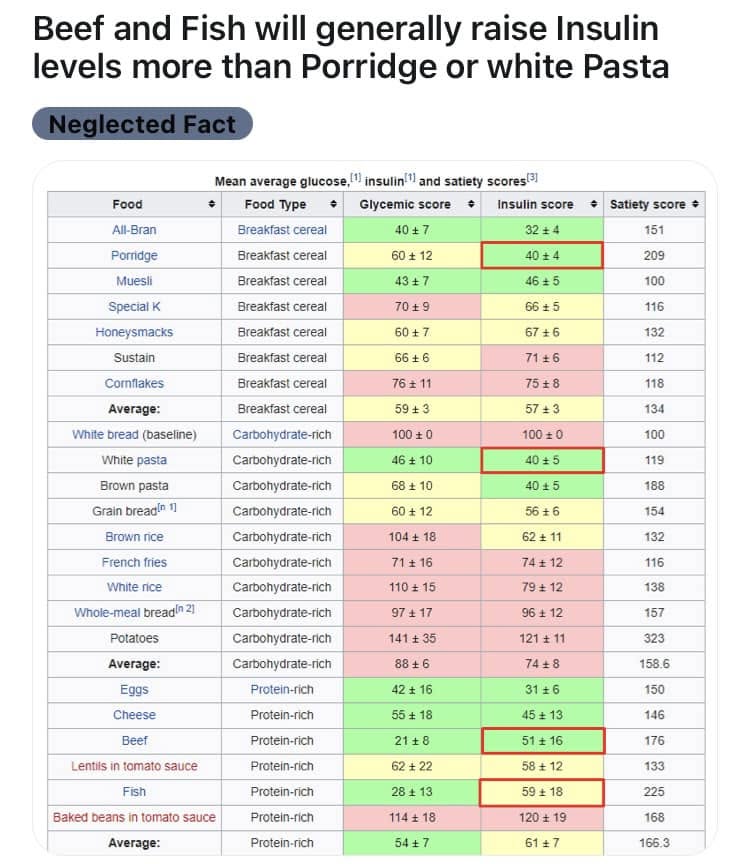
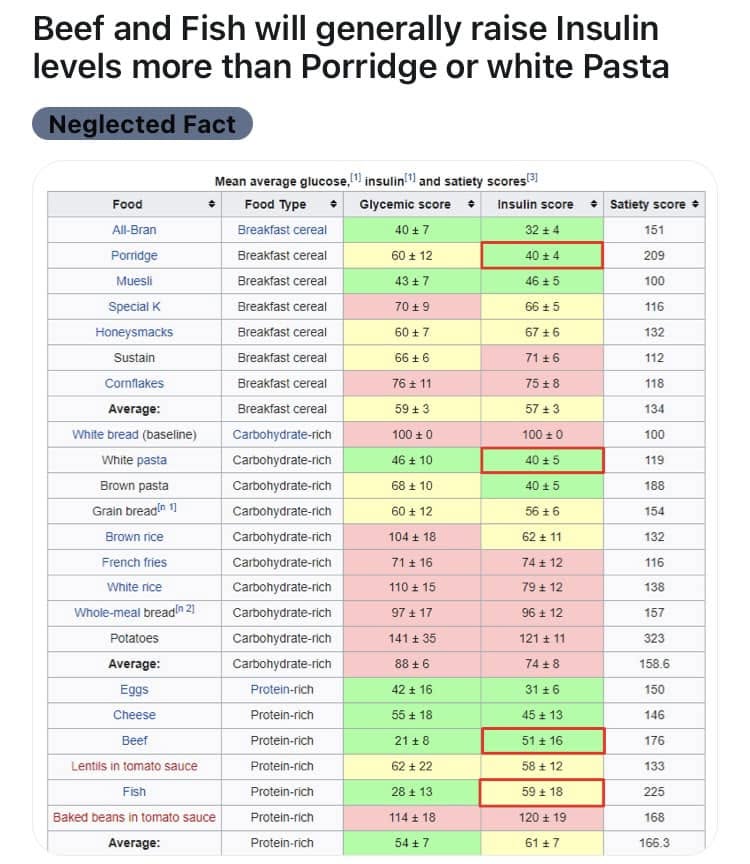
Whey has one of the highest insulin indexes of any food that has been tested. It is one of the most insulinogenic foods that we currently know of.
Why does whey raise insulin so much?
Because insulin facilitates the entry of amino acids into muscle and organs, the same way that insulin facilitates the entry of glucose into muscles and organs. Many people don’t realize this. As soon as the pancreas senses that amino acid concentrations have increased in the blood (after eating protein), it secretes insulin to drive those amino acids into skeletal muscle. Just like it does with glucose.
Whey is the most bioavailable source of protein. It quickly raises amino acids in the blood to very high levels. The pancreas responds by producing very large amounts of insulin.
#wheyHD #proteinHD #insulinHD #insulinindexHD #cgmsHD #igf1HD