(no text — see the shared post below)
Many people don’t realize that insulin directly stimulates the liver to produce cholesterol.
This is one of the reasons why people with insulin resistance and metabolic syndrome tend to have high cholesterol.
Reference:
 massgeneralbrigham.orgHow Is Cholesterol Produced? | Mass General BrighamCholesterol exists in many foods you eat, but how is cholesterol produced in the body? Learn how the liver makes cholesterol and how much you actually need.massgeneralbrigham.org
Quoted:
“When you eat sugar, your body releases a hormone called insulin. Insulin controls many processes in the body, but importantly, it signals to your liver to make more cholesterol.
“What ends up happening in an unhealthy diet is that you ingest a lot of fat, cholesterol, and sugar,” says Dr. Bhattacharya [Cardiologist at MGH / Harvard]. “So not only are you ingesting the building blocks for cholesterol, but the sugar and high insulin levels (particularly if you have insulin resistance or diabetes) turns up the speed and the amount of cholesterol that you produce.”
Insulin is a growth promoter. When levels are high, insulin signals to the body that food resources are plentiful and that it is safe to leave defensive mode and transition into growth mode.
High insulin essentially tells the liver: We have plenty of energy and building blocks; keep producing cholesterol. When insulin levels rise, they trigger a series of signals that keep the HMG-CoA reductase enzyme in its active state. This enzyme is the rate limiting step for cholesterol production in the human body. (See comments for more on this.)
When you eat foods high in refined sugar and refined starch, or rich in high-quality protein, you spike insulin. This stimulates your liver to release more cholesterol into the bloodstream.
Yes, protein spikes insulin as well. It’s not just carbs. Calorie for calorie, whey protein powder spikes insulin more than white bread or pure glucose. Calorie for calorie, beef spikes insulin more than white pasta or oatmeal.
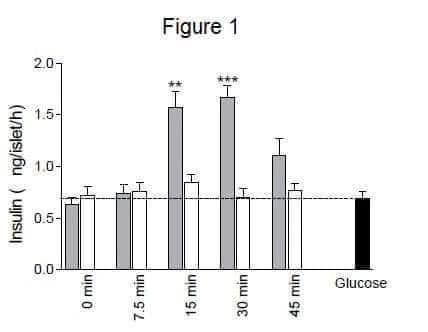
↪ Beef and whey raise insulin more than pasta, oatmeal or glucose: use the insulin index
↪ Whey protein raised insulin about twice as much as glucose or white bread per calorie
In general, higher quality animal protein tends to result in more insulin production than lower quality plant protein, because of the mix of more growth-promoting amino acids that it contains. The pancreas secretes insulin to drive these growth-promoting amino acids into muscle for the same reason that it secretes insulin to drive glucose into muscle.
While protein stimulates production of insulin which activates HMG-CoA, it also stimulates production of glucagon which de-activates HMG-CoA. This offsets some (but not all) of the deleterious effect. The deleterious effect on cholesterol is significantly more pronounced in the context of insulin resistance, where the inhibitory signals from glucagon are attenuated. In insulin-resistant states, glucagon's effectiveness is often diminished in its ability to manage hepatic glucose and lipid production, allowing the insulin-stimulated pathways for lipogenesis to proceed more strongly.
Note that in the case of refined carbohydrate, there is no such offsetting factor from glucagon, making the situation even worse.
People often see big drops in cholesterol when they replace a good portion of their animal protein intake with plant protein from whole food. This is usually attributed to the reduction in saturated fat and dietary cholesterol and to the additional fiber, but the reduction in high-quality protein itself may play an additional role that goes beyond these other factors, especially in people with insulin resistance.
If you are having trouble lowering your cholesterol despite dramatically reducing saturated fat and refined carbs, try substituting more plant protein from whole food in place of high quality animal protein, especially red meat and processed meat. This really works. It is a proven evidence-based strategy to naturally lower cholesterol. Regardless of what mechanisms explain why it actually works, many controlled feeding studies in humans have proven that it is effective.
#insulinHD #refinedsugarHD #proteinHD #liverHD #ldlHD #refinedstarchHD #insulinindexHD #animalproteinHD #plantproteinHD #insulinldlHD