Rapid Plaque Progression Amongst Lean Mass Hyper-Responders Following a Ketogenic Diet with Elevated ApoB and LDL-Cholesterol
Letter to the Editor JACC (submitted)
———-
Quoted:
“The recent publication by Soto Mota et al. (1) raises significant concerns regarding data reporting practices particularly due to the omission of key pre-specified outcome data and the apparent bias in how the findings have been framed and interpreted.
Although the study was pre-registered on ClinicalTrials.gov (NCT05733325) with the primary outcome defined as percent change in non-calcified plaque volume (NCPV), a value for this outcome is not presented in the main body of the paper. Instead, individual level NCPV data is presented in figures presenting pre/post values for 100 participants, and the authors provide only a vague reference to “stable NCPV” across participants, omitting statistical analyses and precise values.
Since publication, the lead author has shared (Figure 1) that NCPV increased by a median 18.8 mm³, representing an approximate 43% rise from baseline, indicating that this value was calculated, available and intentionally omitted from the publication. This NCPV increase of 18.8 mm³ exceeds, by 3.8-fold, the median annualised NCPV progression rate of 4.9 mm³ observed in healthy individuals (2). For further context, this stands in stark contrast to data from DISCO-CT, where non-diabetic patients with non-obstructive coronary atherosclerosis experienced NCPV regression with either optimal medical therapy alone (mean change: -21.3 mm3) or optimal medical therapy with dietitian-led advice to adhere to the Dietary Approaches to Stop Hypertension diet (mean change: -51.3 mm3) (3).
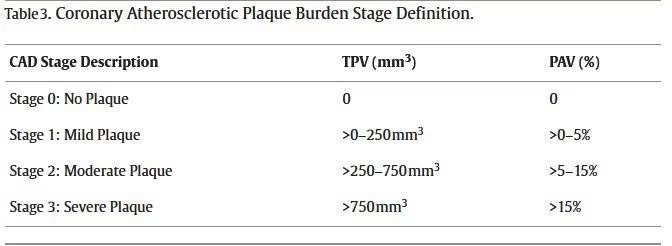
Furthermore, the reported secondary outcome of percent atheroma volume (PAV) is stated as a 0.8% increase. For comparison, using data from the PARADIGM study (4), this is almost 2-fold greater than the annualized rate of change of 0.45% in the low-risk strata and higher than the 0.58% increase observed in the high-risk strata (4). More notably, it approaches the 0.93% annual PAV increase previously associated with elevated risk of major adverse cardiovascular events (MACE) in participants who experienced no cardiovascular events between serial coronary computed tomography angiography (CCTA) scans (5).
osf.ioOSFosf.io