Sarcopenia: Can a drug fight aging associated muscle and functional loss?
Conclusions
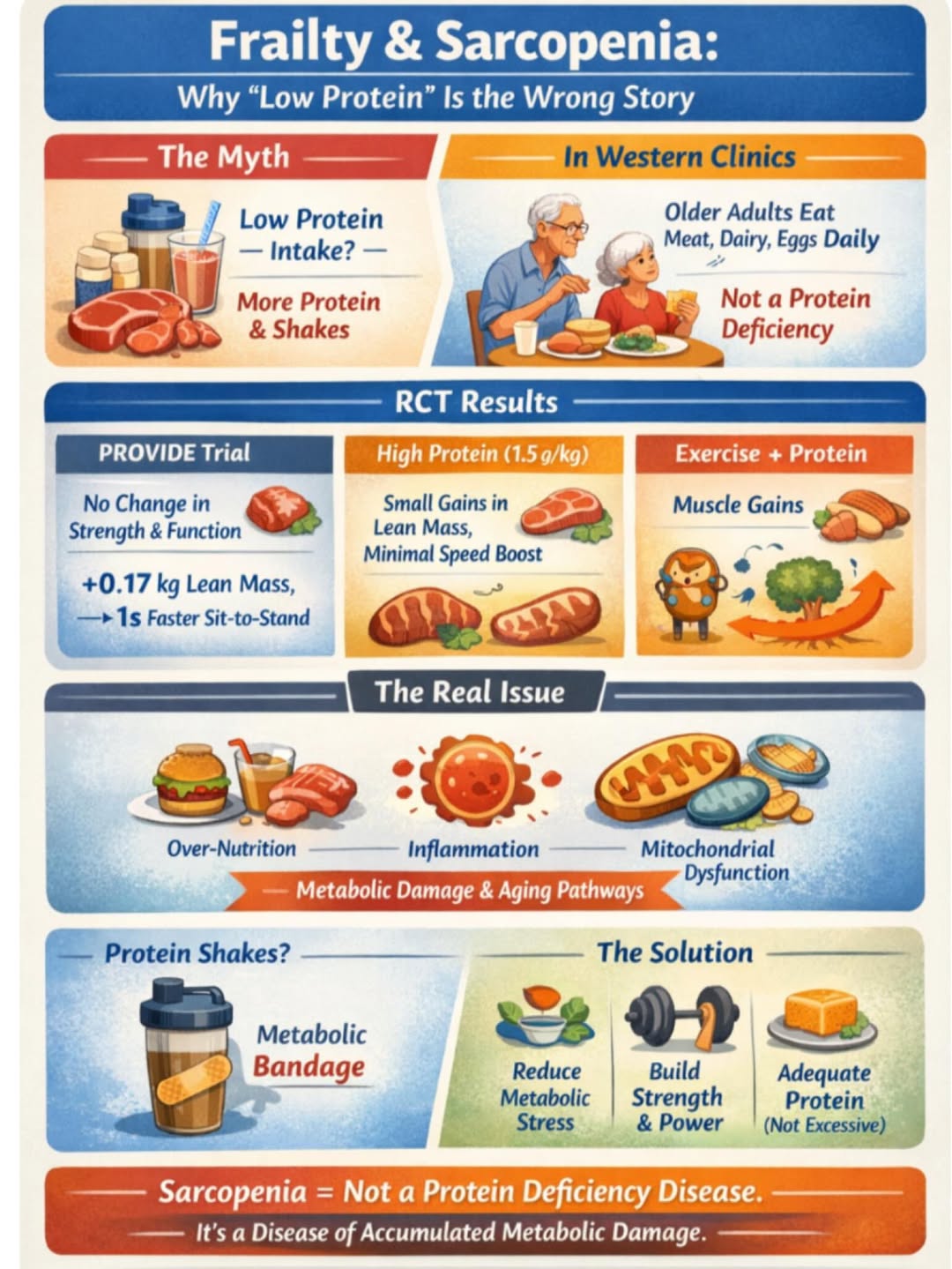
Currently, no drug should be prescribed for the indication of sarcopenia. Testosterone should be reserved for confirmed hypogonadism, and vitamin D should be supplemented only to correct a deficiency. The foundation of management remains strength and power training combined with a protein-rich diet. The future, however, is bright with possibility, as researchers move beyond single-target drugs and begin to explore therapies that address the fundamental biological drivers of aging itself.
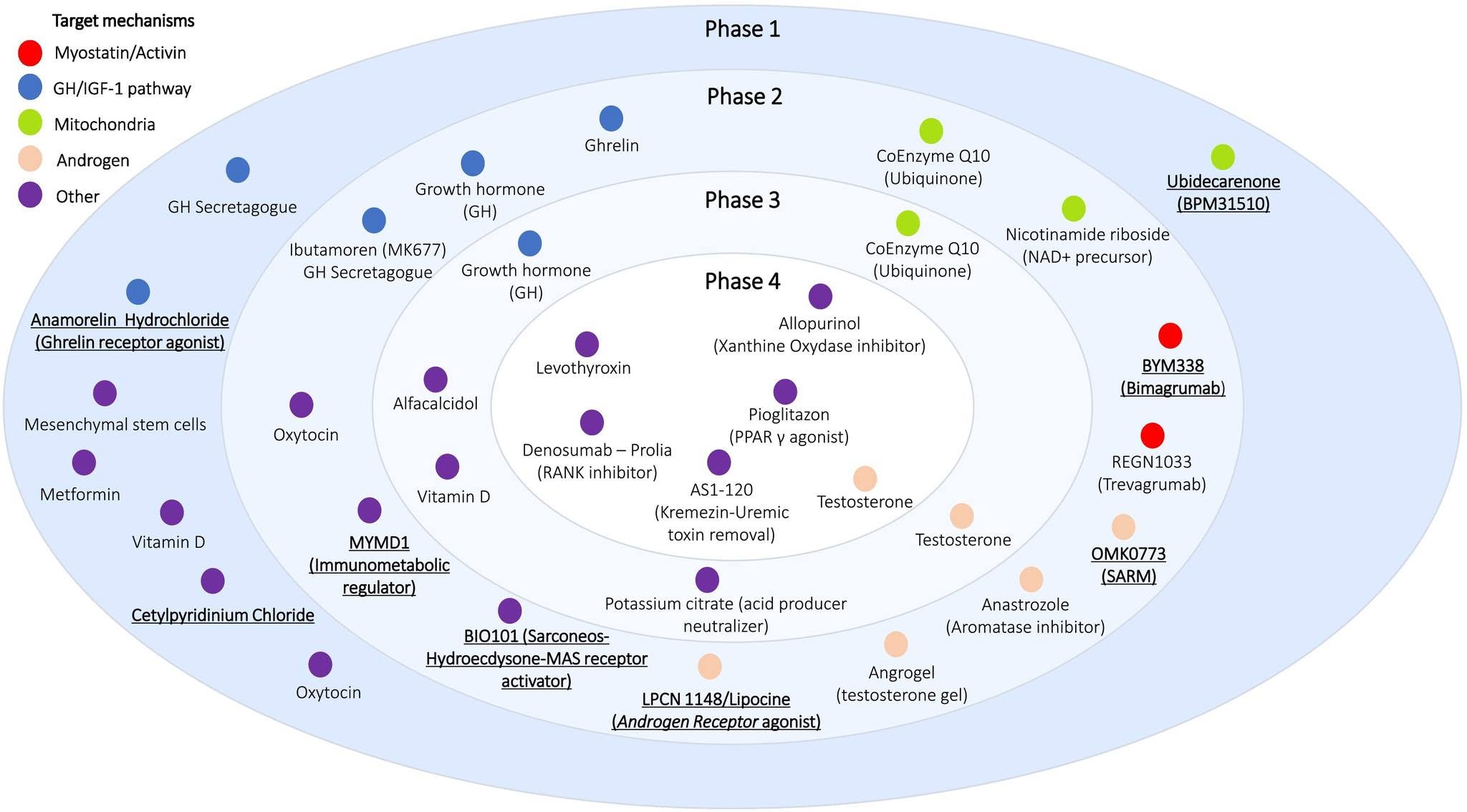
An in-depth review by Rolland et al. from Dec 2023 in the journal Metabolism provides a sweeping analysis of the pharmacological landscape for sarcopenia, the progressive and debilitating loss of muscle mass and function associated with aging. Since its official recognition as a disease in 2016, the quest for an effective drug treatment has intensified. However, the authors reveal a field still in its infancy, where front-line treatments remain non-pharmacological—namely strength exercise and nutritional support—and no drug has yet secured regulatory approval for this specific indication.
The review meticulously outlines a fundamental challenge in sarcopenia drug development: a scarcity of clinical trials that have specifically recruited and studied patients formally diagnosed with sarcopenia. Most therapeutic trials have instead targeted broader older populations, such as men with hypogonadism or postmenopausal women, and have assessed the effects of drugs on individual components of sarcopenia—muscle mass, muscle strength, or physical performance—rather than the syndrome as a whole. This approach, coupled with a wide variety of assessment tools and endpoints across studies, has created a fragmented evidence base that makes direct comparisons and firm conclusions difficult.
Trials in Sarcopenic Patients: A Glimmer of Insight
The few randomized controlled trials (RCTs) conducted in diagnosed sarcopenic populations have yielded mixed and often underwhelming results.
- A trial of Bimagrumab, a monoclonal antibody that inhibits the myostatin and activin A pathway, initially showed great promise. A phase 2 study reported that Bimagrumab not only increased thigh muscle volume and appendicular lean mass (ALM) but also improved physical performance, including walking speed and endurance, particularly in the frailest participants. However, a subsequent, larger phase 3 trial failed to replicate these functional improvements. Despite a significant 7% increase in lean body mass compared to placebo, the drug showed no significant effect on the Short Physical Performance Battery (SPPB) or the 6-minute walk test, underscoring the critical and recurring challenge of translating gains in muscle mass into meaningful functional benefits.
- The selective androgen receptor modulator (SARM) MK-0773 was tested in women with sarcopenia and moderate physical dysfunction. While it led to a within-group increase in muscle mass, the difference compared to placebo was not statistically significant, and no improvements in muscle strength or physical performance were observed.
- A trial investigating the angiotensin-converting enzyme inhibitor (ACEi) Perindopril in sarcopenic older adults found no effect on lean body mass, muscle strength, or a range of physical performance measures after 12 months.
- Vitamin D has been the subject of intense research, but its isolated effect remains unclear. Nine RCTs have studied its use in sarcopenic patients, but always in combination with protein supplementation and/or exercise. While some meta-analyses suggest that these combinations can improve handgrip strength or chair-stand test times, the effects are weak and cannot be attributed to vitamin D alone. The benefit of vitamin D is likely greatest in individuals with a baseline deficiency.
Investigating Sarcopenia Components in Broader Populations
The bulk of the research has come from trials in various older populations, assessing effects on muscle health.
Hormonal Drugs
- Testosterone: The age-related decline in testosterone has made it a prime candidate for intervention. Meta-analyses consistently show that testosterone therapy in older men with low levels increases muscle mass and, to a lesser extent, muscle strength. However, the review emphasizes that this is not a panacea. The Belgian Society of Gerontology and Geriatrics considers the effect on muscle strength to be "modest or minimal," and most investigations conclude that the benefit on physical performance is "unconvincing" or "null." Furthermore, long-term safety, particularly regarding cardiovascular events and prostate health, remains an area requiring more definitive data, leading to cautious recommendations.
- Selective Androgen Receptor Modulators (SARMs): Designed to provide the muscle-building benefits of androgens while minimizing unwanted side effects, SARMs like enobosarm have shown the ability to increase lean body mass in healthy older adults and in patients with cancer-related muscle wasting. However, functional improvements have been inconsistent, and their long-term safety profile, especially concerning effects on lipids and liver function, is largely unknown.
- Estrogen and DHEA: Despite a biological rationale, estrogen therapy has not proven effective for preserving muscle mass or strength in postmenopausal women, and its associated cancer risk limits its utility. Similarly, Dehydroepiandrosterone (DHEA), a testosterone precursor, has shown only minimal and inconsistent effects, with some pooled data suggesting a small gain in fat-free mass for women only.
Growth Factors and Myostatin Inhibitors
- Growth Hormone (GH) and GH Secretagogues (GHS): While GH treatment can effectively increase lean body mass in older adults, it has repeatedly failed to translate into improved muscle function or strength. This, combined with a high rate of side effects like joint pain, edema, and impaired glucose metabolism, gives it a poor benefit-to-risk balance. GHS (ghrelin mimetics) like anamorelin and capromorelin also increase lean mass, but similarly, most studies show no functional benefit. One trial of capromorelin in at-risk older adults did find modest functional gains, suggesting that the frailty of the target population may be a key factor.
- Myostatin/Activin Pathway Inhibitors: Beyond Bimagrumab, other agents have been tested. An antibody, LY2495655, improved lean mass and some performance tests (like stair climbing) in older fallers. These results, while promising, underscore the need for more phase 3 trials to confirm efficacy and safety.
Other Pharmacological Avenues
- ACE Inhibitors (ACEi) and ARBs: Though observational studies suggested a potential benefit, the review concludes that data from RCTs and meta-analyses "do not support the use of ACEi or ARBs to improve muscle function in older people."
- β-blockers: Generally considered detrimental to muscle adaptation and endurance, some research is exploring agents like espindolol, which has shown promise in treating cachexia by combining anti-catabolic and anabolic effects. This could open new avenues for muscle wasting conditions, including sarcopenia.
The Future of Sarcopenia Drug Treatment: A Geroscience Approach
The review concludes by looking toward the future, highlighting the Geroscience hypothesis—that by targeting the fundamental biological mechanisms of aging, we can delay or prevent multiple age-related diseases, including sarcopenia. This has opened up several innovative preclinical research avenues:
- Exerkines: These are signaling molecules released by muscle during exercise. Several are being investigated as potential therapeutics:
- Apelin: In aged mice, apelin treatment was shown to reverse sarcopenia, increasing muscle mass and function. The review identifies it as a "major target" for future research.
- Irisin: This myokine promotes muscle hypertrophy in animal models and may rescue muscle from atrophy.
- Inflammatory Cytokines (IL-6, TNF-α): The role of inflammation is complex. While chronic inflammation is detrimental, acute inflammatory signals are necessary for muscle repair and adaptation. Therapies blocking these cytokines in rheumatoid arthritis have not significantly improved muscle mass.
- Senolytics: These drugs, such as dasatinib and quercetin, work by clearing senescent cells that accumulate with age and drive inflammation. In preclinical models, senolytics have improved physical endurance and grip strength in aged mice, suggesting a powerful, novel mechanism to combat functional decline.
- Gut Microbiome: An emerging "gut-muscle axis" suggests that the composition of intestinal bacteria influences muscle metabolism and inflammation. The identification of specific bacterial peptides that may induce sarcopenia opens up entirely new therapeutic possibilities.
Conclusion and Recommendations for Practice
The overarching conclusion from this extensive review is that the path to a sarcopenia drug is fraught with complexity. The persistent disconnect between gains in muscle mass and improvements in physical function suggests that targeting muscle size alone is insufficient. Sarcopenia is a multifactorial syndrome, and effective treatment will likely require personalized approaches and combination therapies that may include drugs, targeted exercise, and specific nutritional interventions.
metabolismjournal.comLink to metabolismjournal.commetabolismjournal.com