A New Paradigm: The Infectious Roots of Heart Disease
#
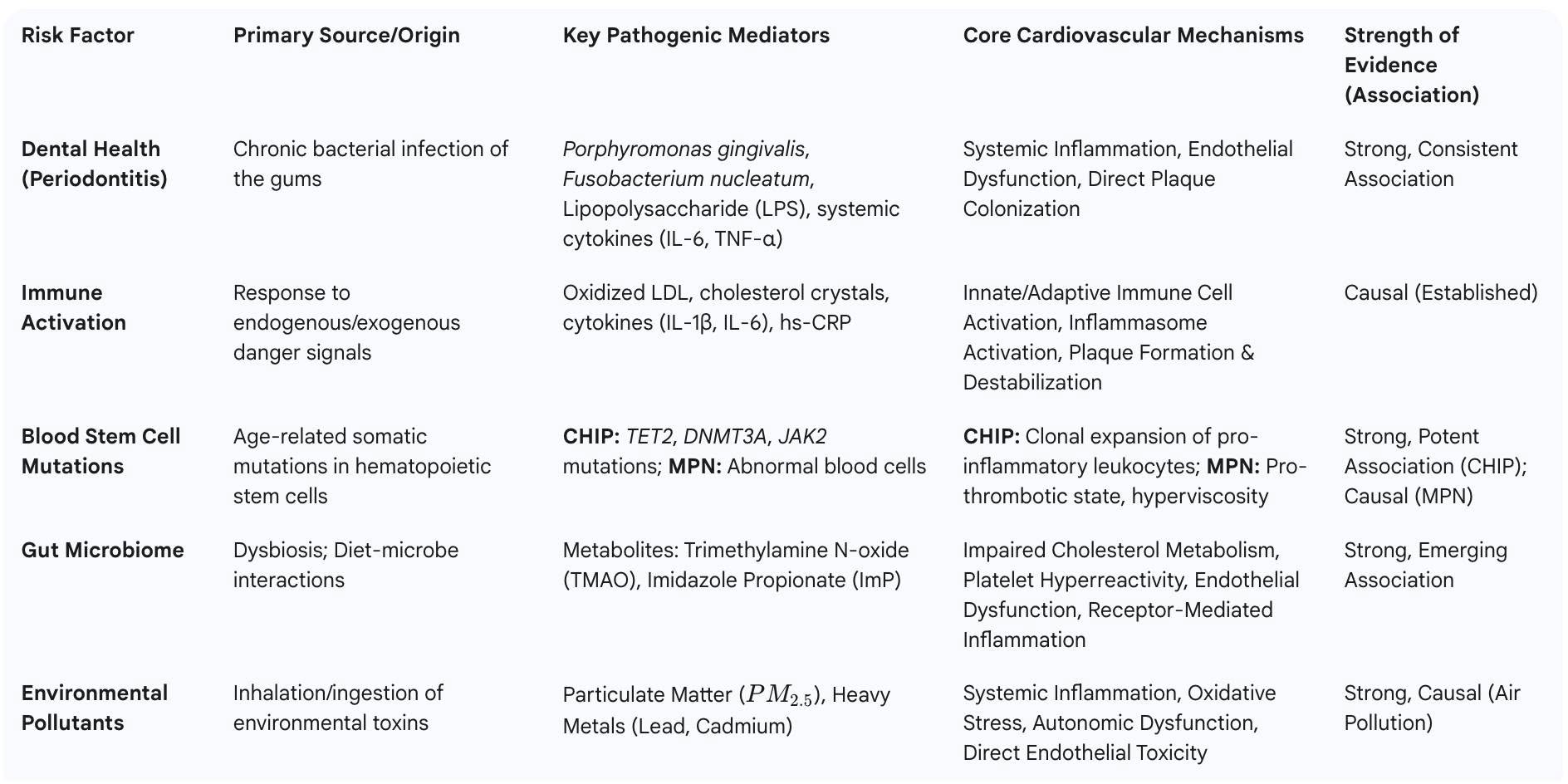
For generations, the narrative surrounding coronary heart disease has centered on a familiar cast of culprits: high cholesterol, hypertension, smoking, and diabetes. This traditional view posits that atherosclerosis, or the hardening of the arteries, is primarily a disease of lifestyle and metabolism. However, a compelling and rapidly growing body of evidence is forcing a paradigm shift, suggesting that this established view is incomplete. Research indicates that chronic, often hidden, infections may be a pivotal and previously underappreciated factor in the development, progression, and ultimate rupture of atherosclerotic plaques. This "infectious hypothesis" is not new, dating back to experiments in the 1970s, but it has been revitalized by advanced molecular techniques that reveal the hidden microbial world within our own arteries. This emerging understanding recasts heart disease, at least in part, as an infectious and inflammatory condition, opening the door to revolutionary new strategies for prevention and treatment.
Microbial Footprints in Diseased Arteries
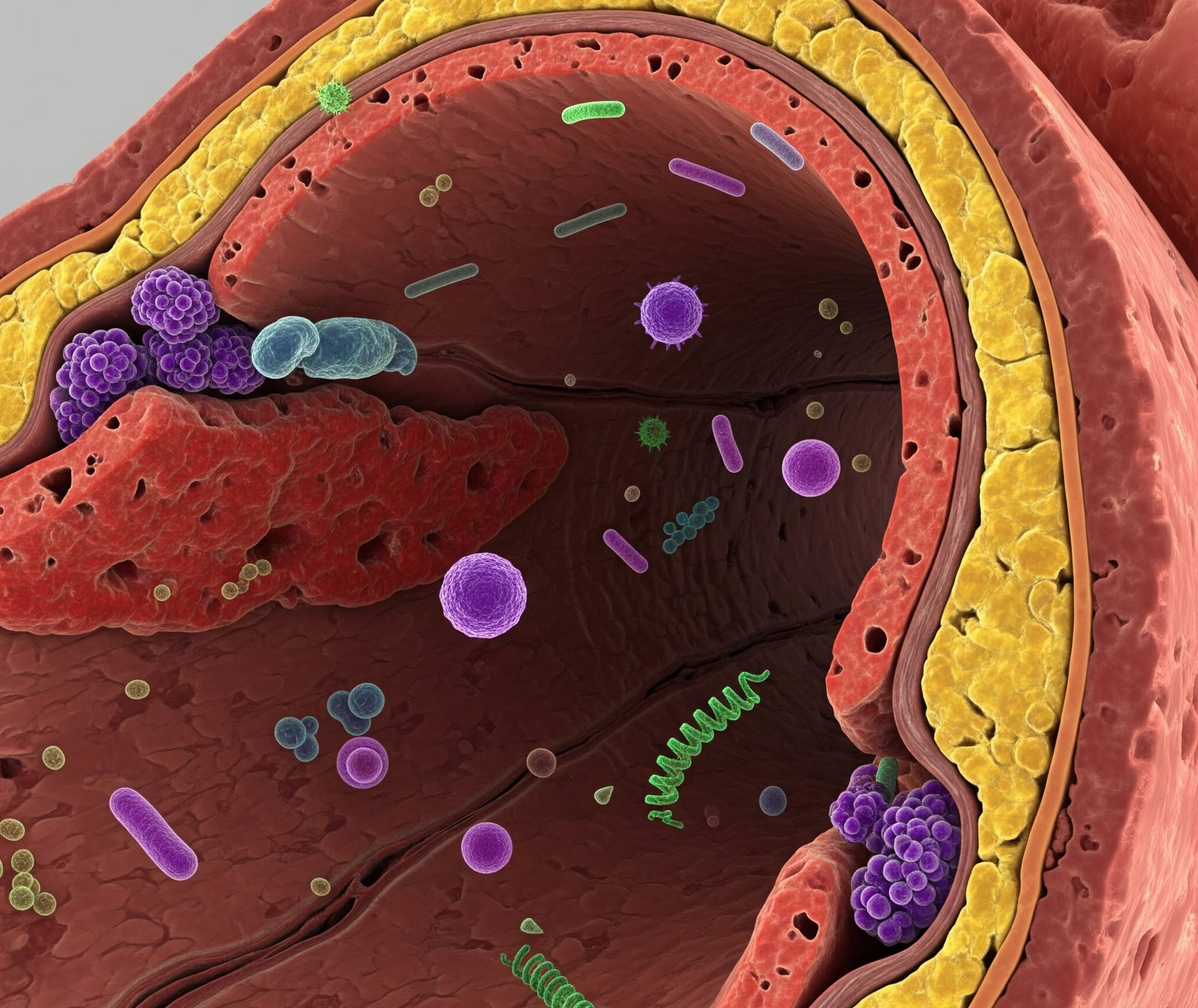
A cornerstone of the infectious hypothesis is the direct detection of microbes within the very plaques that cause heart attacks. Using highly sensitive molecular tests, scientists have uncovered the genetic footprints—the DNA—of a wide array of bacteria and viruses inside arterial lesions. These microbes often originate from distant sites in the body, such as the mouth, gut, and respiratory tract, suggesting they travel through the bloodstream to colonize the vessel wall.
A landmark 2025 study published in the Journal of the American Heart Association provided a stunning piece of this puzzle. Researchers found that oral streptococci of the “viridans group” were the most common bacteria identified, present in approximately 42% of coronary plaque samples. These bacteria are ubiquitous in the human mouth, forming the basis of dental plaque, and are typically considered harmless. Their frequent presence deep inside the arteries of the heart was a revelatory finding, strongly reinforcing the long-observed epidemiological link between poor oral health, chronic gum disease (periodontitis), and an increased risk of heart attacks. Pathogens specifically associated with periodontitis, such as Porphyromonas gingivalis, have also been consistently identified in atheromas, further cementing the mouth-heart connection.
Beyond oral bacteria, other pathogens have been strongly implicated. Chlamydia pneumoniae, a bacterium that causes respiratory infections, was a primary focus of research in the 1990s. Multiple studies found its DNA and proteins within plaques, and animal models demonstrated that infection could accelerate atherosclerosis. Similarly, latent viruses, particularly herpesviruses like cytomegalovirus (CMV), have been found in arterial lesions. These viruses establish lifelong infections and are thought to contribute to chronic vascular inflammation over many years. This evidence collectively shows that atherosclerotic plaques are not sterile accumulations of fat but can be active, colonized microbial habitats.
Mechanisms: From Chronic Inflammation to Autoimmune Attack
Infectious agents contribute to heart disease through a sophisticated and multifaceted assault on the vascular system. Their mechanisms can be broadly categorized into several key pathways:
- Chronic Inflammation: Persistent infections, whether in the gums, lungs, or elsewhere, create a state of chronic, low-grade systemic inflammation. This elevates inflammatory markers in the blood, such as C-reactive protein, which can damage the delicate inner lining of the arteries (the endothelium). More critically, when microbes directly colonize the arterial wall, their components (like lipids and proteins in their cell walls) are recognized by the immune system's frontline sensors, known as Toll-like receptors (TLRs). This triggers a powerful local inflammatory cascade within the plaque itself, recruiting immune cells that ingest cholesterol, transforming into "foam cells" and driving plaque growth.
- Molecular Mimicry and Autoimmunity: One of the most elegant and insidious mechanisms is a process of mistaken identity. Certain bacterial proteins, most notably a class called Heat Shock Proteins (HSPs), bear a striking structural resemblance to human HSPs. During a chronic infection, the body produces antibodies to fight the bacterial HSP. However, when human arterial cells are stressed by traditional risk factors like high blood pressure, they display their own human HSP on their surface as a danger signal. The anti-bacterial antibodies can then cross-react and mistakenly attack the human arterial cells, initiating an autoimmune "friendly fire" that causes persistent vascular injury and inflammation.
- Direct Pathogenic Effects: Infections can also directly worsen cardiovascular risk factors. Some viral and bacterial infections can alter lipid metabolism, leading to lower levels of "good" HDL cholesterol and higher triglycerides. Furthermore, bacterial toxins can impair endothelial function and promote a pro-clotting state, making the blood more likely to form a thrombus.
The Biofilm Breakthrough: A Hidden Bacterial Bunker
Perhaps the most significant recent discovery is that bacteria within plaques often organize themselves into biofilms. A biofilm is a resilient, structured community of microbes encased in a self-produced slimy matrix that glues them to a surface. The 2025 study on oral streptococci found that these bacteria formed distinct biofilm colonies within the necrotic, lipid-rich core of the plaques.
This biofilm formation is a game-changing insight for two reasons. First, inside the biofilm, bacteria enter a dormant, metabolically slow state, effectively hiding from the immune system. Macrophages circulating in the plaque do not recognize these dormant colonies, allowing a chronic infection to smolder for years without causing alarm. Second, the protective slime matrix makes the bacteria highly resistant to antibiotics, which cannot easily penetrate the biofilm or kill inactive cells.
This "hidden bunker" model provides a powerful explanation for the sudden and unpredictable nature of heart attacks. Researchers theorize that while the biofilm is stable, it is a silent threat. However, an external trigger—such as a systemic viral infection like the flu, a high fever, or even intense stress—can "awaken" the dormant bacteria. The activated bacteria begin to multiply and break out of the biofilm, suddenly becoming visible to the immune system. The immune system then launches a massive, localized inflammatory assault against the newly exposed invaders right in the most vulnerable part of the plaque. This intense inflammation releases enzymes that rapidly digest and weaken the plaque's protective fibrous cap, leading to its rupture. The exposed plaque contents trigger a blood clot (thrombus) that blocks the artery, causing a heart attack. This model explains not only why infections like the flu can trigger cardiac events but also why past clinical trials using short-term antibiotics failed—they were unable to eradicate the bacteria bunkered down in their resilient biofilm fortresses.
Clinical Implications and the Future of Cardiovascular Prevention
The recognition of infection's role in heart disease has profound implications for both current and future medical practice. It elevates the importance of managing chronic inflammation as a core component of cardiovascular health.
For prevention, the message is clear and actionable. Meticulous oral hygiene—including regular brushing, flossing, and professional dental care to treat periodontitis—is no longer just about preserving teeth; it is a critical strategy to reduce the load of bacteria entering the bloodstream and seeding the arteries. Likewise, staying up-to-date on vaccinations for influenza, COVID-19, and pneumonia is a vital protective measure, as preventing these acute infections can avert the trigger that might awaken a dormant plaque biofilm and cause a heart attack.
Looking forward, these discoveries are paving the way for revolutionary therapeutic approaches. While simple antibiotics have failed, future strategies might involve drugs that can specifically dismantle biofilms or targeted antimicrobials used for high-risk patients. The ultimate goal, however, may be vaccination. Researchers now speculate that a vaccine targeting key atherogenic bacteria, such as the viridans streptococci or P. gingivalis, could one day prevent a significant portion of heart attacks. This would represent a true paradigm shift, transforming the treatment of our leading killer from a chronic management problem into a preventable, infectious-style disease, much as the discovery of H. pylori transformed ulcer treatment decades ago. While heart disease remains a complex condition influenced by genetics, diet, and lifestyle, acknowledging its infectious component provides a powerful new lens through which to understand and, ultimately, conquer it.
Deep Dive:
docs.google.comGoogle Docdocs.google.com