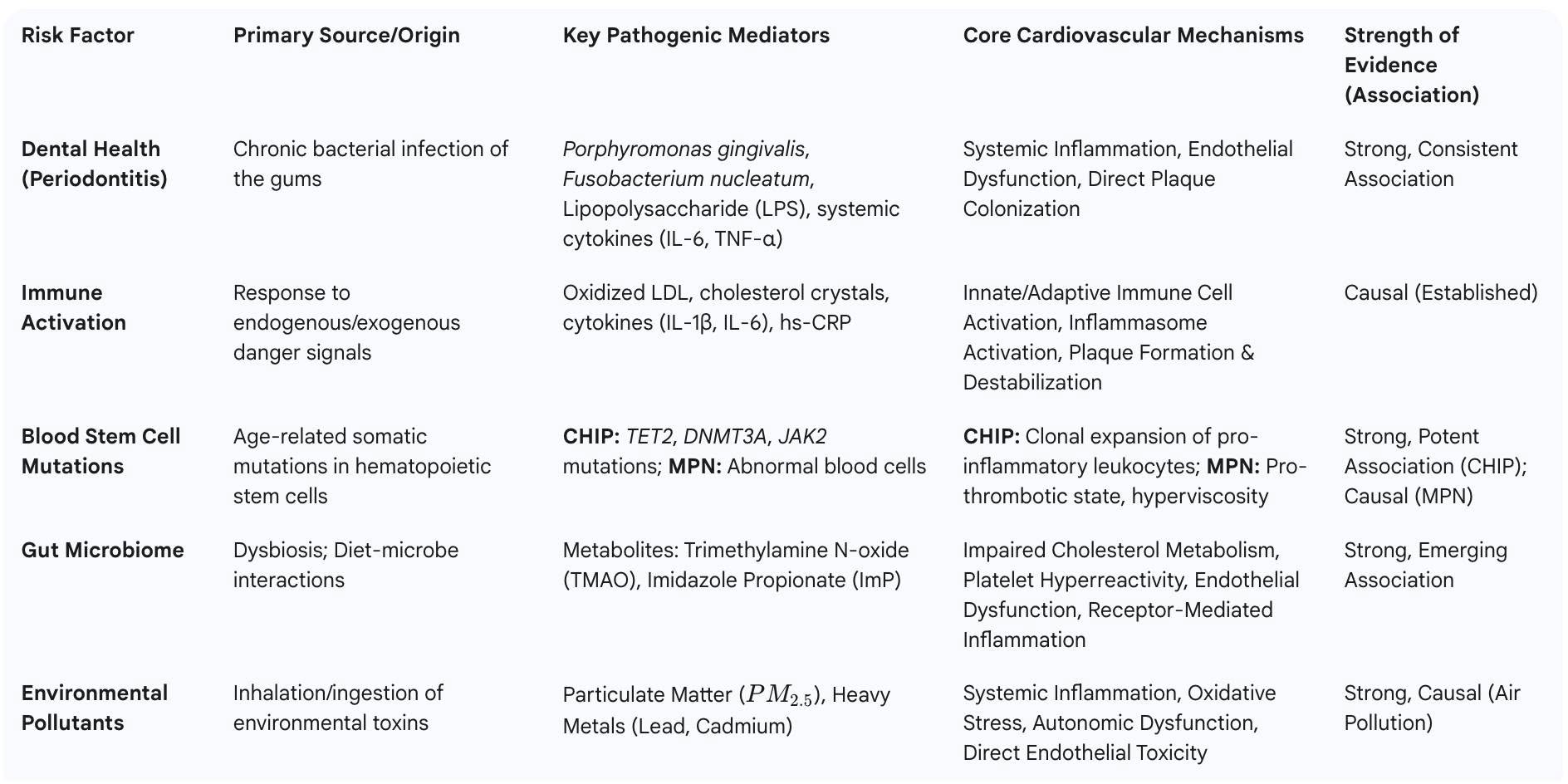
This video covers a discussion with Dr. Peter Libby about the role of inflammation in atherosclerosis, highlighting it as a disease characterized by constant cellular struggle within plaques and an increasingly recognized contribution of superficial erosion to thrombotic complications. Dr. Libby explains how bone marrow inflammatory signaling and clonal hematopoiesis drive leukocyte accumulation in plaques, and discusses anti-inflammatory therapies like canakinumab and colchicine which have demonstrated cardiovascular benefits, underscoring inflammation as a promising therapeutic target. As research provides deeper insights into inflammatory pathways, it will enable more precise anti-inflammatory interventions to improve outcomes in atherosclerosis.
 ▶
Clonal hematopoiesis (CHIP) mutations precede and raise atherosclerosis risk in PESA study
CNIC researchers report in Nature Medicine, using the PESA-CNIC-Santander cohort, that people with clonal hematopoiesis mutations at baseline were more likely to develop atherosclerosis later, supporting it as a cause rather than a consequence. A related European Heart Journal study is also noted.