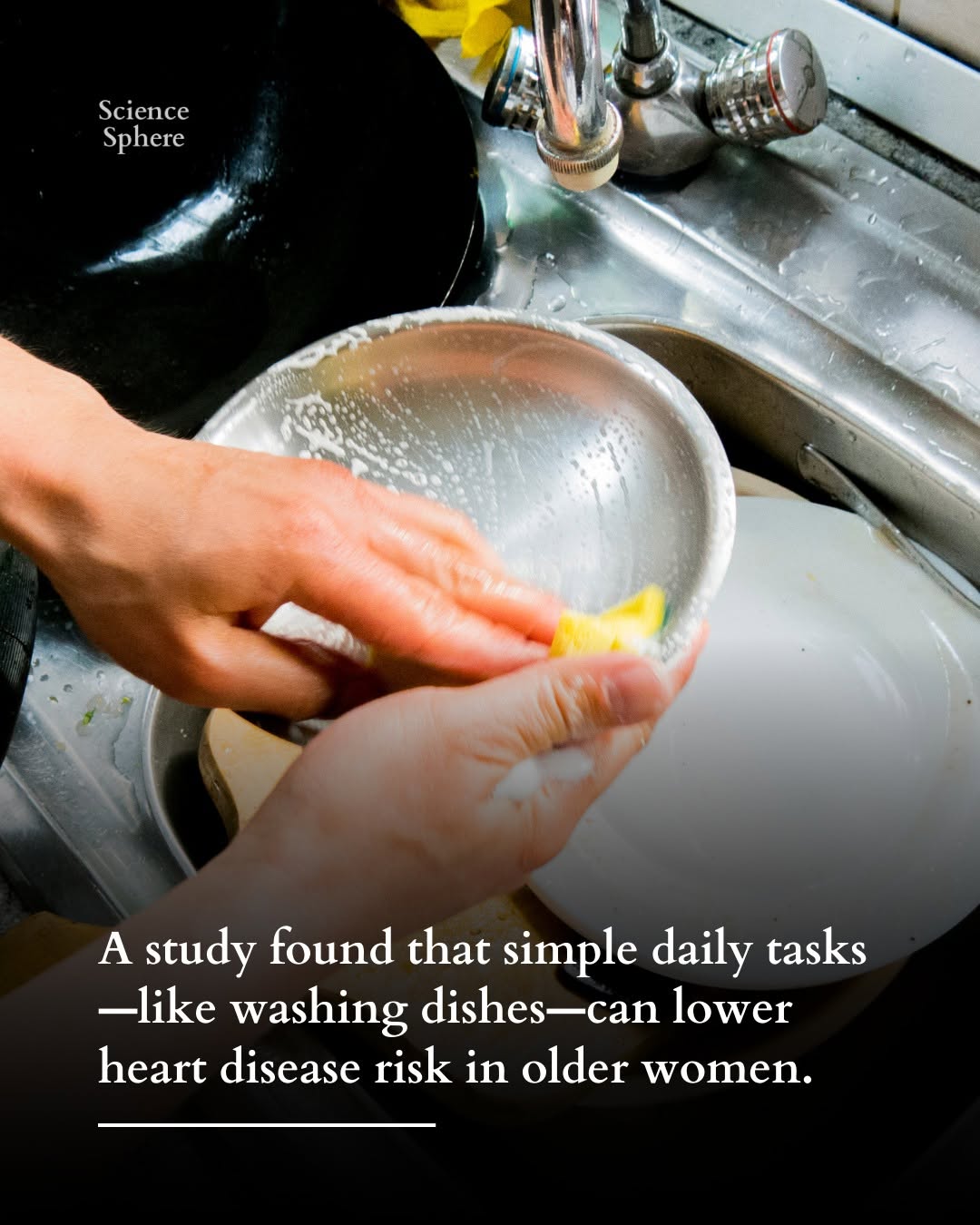
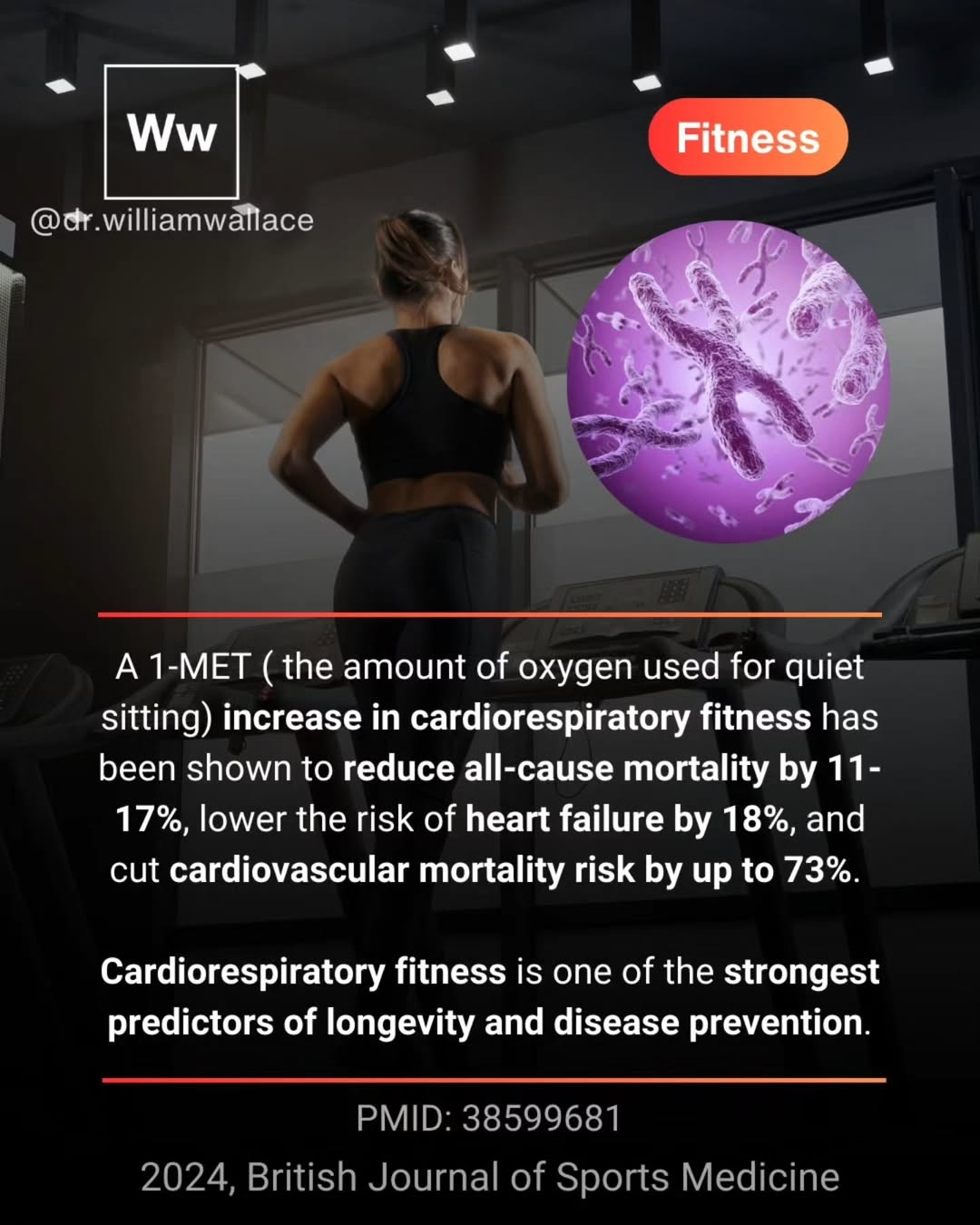
There is likely a lot of reverse causality involved here, but nevertheless, there is a strong association between doing a lot of housework and lower risk of heart attack and stroke. Anything you can do to avoid being sedentary probably lowers risk.
#exerciseHD
🫧 For older women, the path to a healthier heart may begin not with the treadmill, but at the kitchen sink.
A large study of 5,416 U.S. women aged 63–97 without pre-existing heart disease finds that simply spending more time “up and about” in daily life—doing housework, gardening, cooking, or self-care—is strongly linked to lower cardiovascular risk.
Women who logged at least four hours of such daily life movement had a 43% lower risk of cardiovascular disease and coronary heart disease compared with those moving less than two hours a day. They also showed a 30% lower risk of stroke and a striking 62% lower risk of dying from cardiovascular causes.
To capture these subtle behaviors, participants wore research-grade accelerometers for up to seven days, while a machine-learning algorithm classified each awake minute into sitting, sitting in a vehicle, standing still, daily life movement, or walking/running. Daily life movement covered the small but continuous motions of moving around a room or patio—getting dressed, preparing meals, tending plants—that rarely appear in traditional exercise studies focused on brisk walking or running.
Over the follow-up period, 616 women developed cardiovascular disease, 268 had coronary heart disease, 253 experienced a stroke, and 331 died from cardiovascular causes, underscoring how powerful routine movement can be at an age when heart disease risk is highest. The authors argue that recognizing and explicitly including these everyday activities in physical activity guidelines could motivate more older adults to stay on their feet—and reap meaningful protection for their hearts.
Follow Science Sphere for regular scientific updates
📄 RESEARCH PAPER
📌 Steve Nguyen et al., “Accelerometer-Derived Daily Life Movement Classified by Machine-Learning and Incidence of Cardiovascular Disease in Older Women: The OPACH Study”, Journal of the American Heart Association (2022)