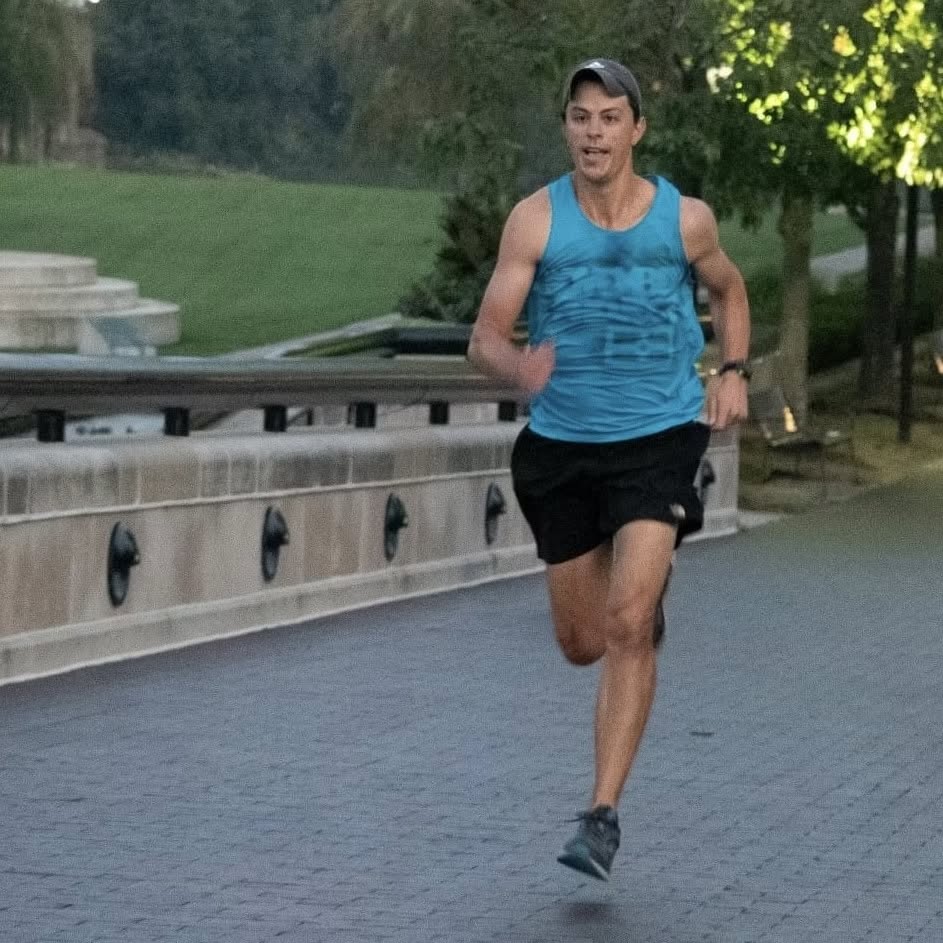
Despite a stuffy nose and tightness in his chest, Jason Shaw felt like running.
At 39, he'd been exercising nearly every day for more than half his life. He'd run seven marathons. He led an outdoor exercise group in Indianapolis that met before dawn, no matter the weather.
"That's always been my cure-all, was exercise," Jason said. "So I thought, 'I'll get at least a moderate workout.' And that's when it got a lot worse."
As he jogged up a few stairs, pain exploded in his chest. He looked up the symptoms on his phone, and everything pointed to a heart attack. Refusing to believe it, he went home and cooked dinner. When he couldn't swallow his food, he lay down, holding his chest. His girlfriend insisted he get to the emergency room.
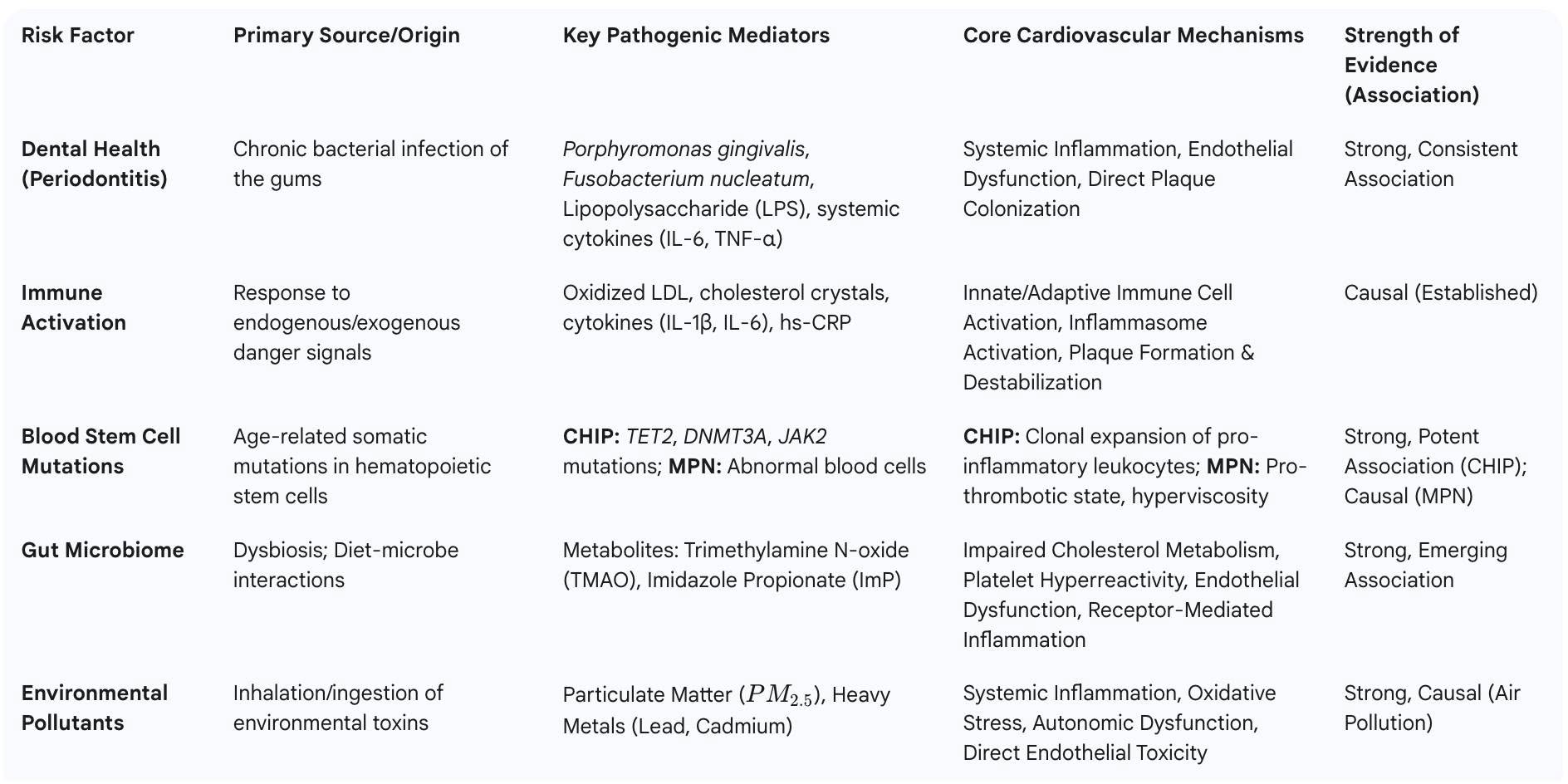
Tests found two major blockages in the arteries leading to his heart. The doctor explained that loosened clots had caused the blockages, probably because of inflammation caused by pneumonia.
Jason had a successful double bypass two days later.
After three days, he was strong enough to continue his recovery at his dad's house. The nurses told him it was the fastest they had seen anyone get out of the hospital for any surgery, let alone a double bypass. Clearly, his lifelong passion for fitness was paying off.
Soon he was walking a mile and a half to his cardiac rehabilitation appointments. Only three weeks after his surgery, Jason was running 45 minutes on a treadmill in the rehab office.
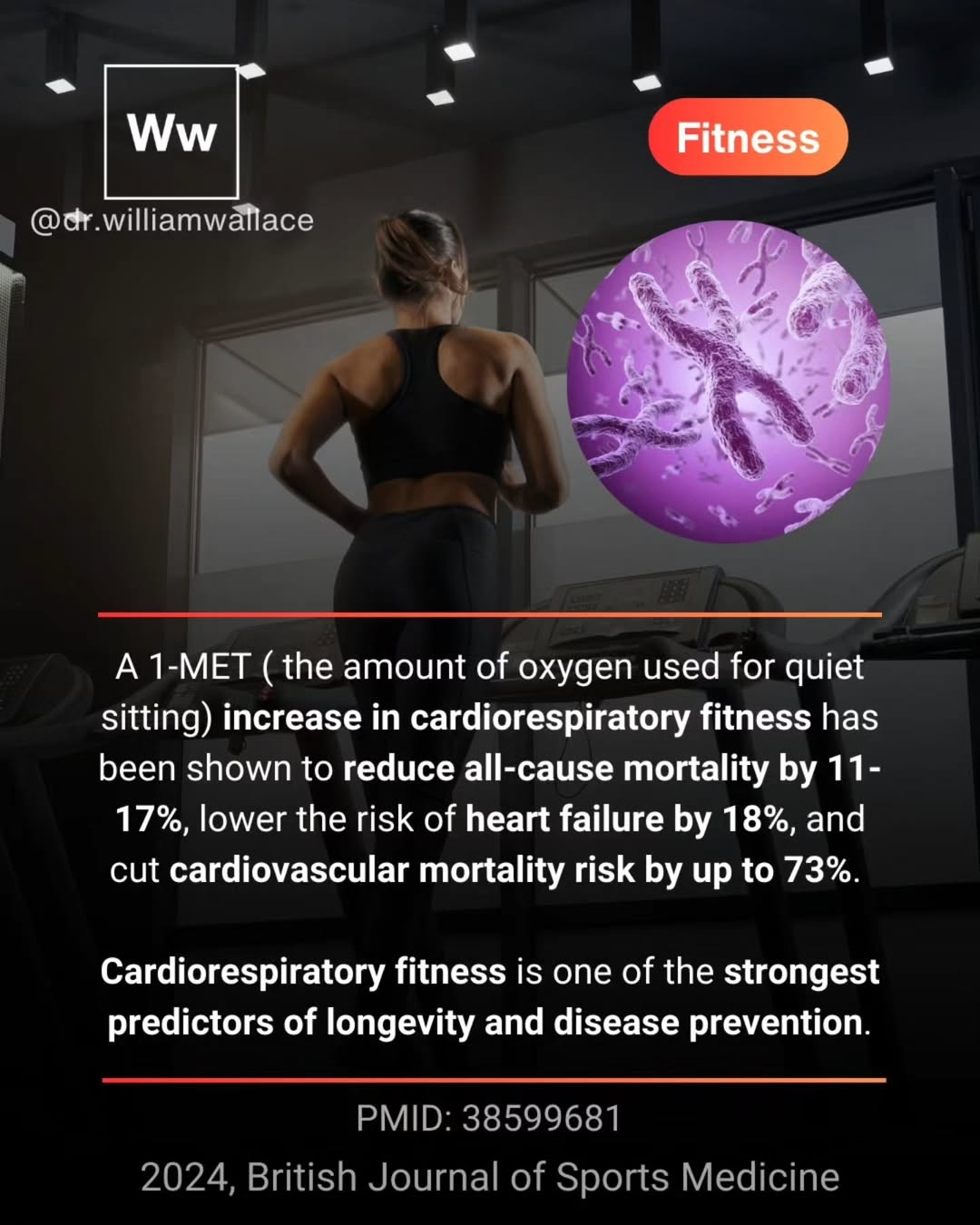
The ordeal has made him even more of an evangelist for physical health. Good fitness and a heart-healthy diet not only help prevent cardiovascular problems, but they can also help people recover more quickly if they do have a problem.
Also, he learned, if all the signs point to a heart attack, believe it. "Listen to the people around you," he said. "Don't ignore the signs. Don't be stubborn. You cannot survive a heart attack on your own."