John McDougal likely died of a sudden cardiac arrest in his sleep. This is almost always caused by a large heart attack.
It appears that he did have significant heart disease.
In fact, it was severe enough at age 67 that he felt that if he went to the hospital, they would insist on doing angioplasty and stents.
In his 50’s, he had a CAC scan which showed significant calcification of the coronary arteries.
This is all by his own admission.
See quotes below.
He did have a major stroke at age 18, but he has never provided any evidence that this was ischemic in nature. The vast majority of strokes at that age are non-ischemic and have other causes, especially arterial dissection. He obviously did not have familial hypercholesterolemia, because he was able to drive his cholesterol very low with diet alone.
It is very unlikely that McDougal actually did have an ischemic stroke at age 18, like he repeatedly claimed. Ischemic strokes are very rare in 18yo’s. Strokes at that age are almost always caused by arterial dissection. This is coming directly from Peter Rogers, who is a Harvard/Stanford trained neuroradiologist and image-guided surgeon. He is an expert on strokes. And he practices a diet similar to the McDougal diet himself. So this is not a hit piece. He believes that the clinical evidence suggests McDougal had an arterial dissection at 18yo, not an ischemic stroke. See minute 7:00 of this video:
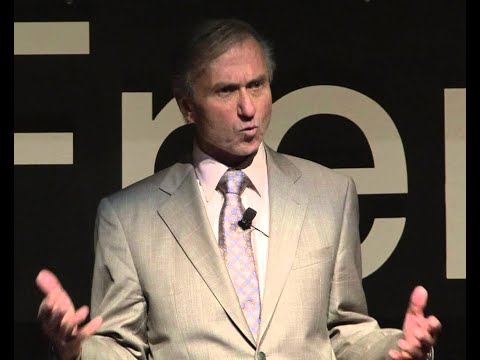 ▶Video · YouTube · Peter Rogers MDDr Mcdougall's stroke June 2024Dr Mcdougall had a stroke at 18 years old with left hemiplegia. He made a fantastic recovery, and worked for years as a surgical assistant to pay his way through medical school. He had a fall at around 70 years of age, apparently with a fracture, that led to loss of weight and increased frailty. This video explains his previous stroke, and the correlation…youtu.be

Atherosclerosis plays little to no role in arterial dissection, especially at such a young age.
Quoted from McDougal himself:
"In my nearly defenseless condition, they would have wanted to know the condition of my heart before anything else would be done. This decision for them would be easy to justify: after all, I was an elderly male (67) and I had a past history of serious atherosclerosis, having suffered a major stroke at age 18. I have no doubt that there are old blockages (scars) in my arteries that developed as a young man eating the Western diet (my highest cholesterol had once been 338 mg/dL). Twenty years ago I had a CT heart scan (performed out of curiosity) showing significant amounts of calcification in my coronary arteries demonstrating that I had atherosclerotic plaque disease. These blockages were, however, old fibrous scars. Since I changed my diet at age 27 my cholesterol has dropped to below 150 mg/dL and I am confident that no new disease has formed. But the scars (with calcium in them) remain for a lifetime.
The plaques found on my heart scan are healed, stable, non-lethal, and of no risk to me—unless they were to be discovered and treated by a cardiologist or a bypass surgeon. If I would have gone to the hospital after my fall in March of 2015, I would have been facing the standard practice of prophylactic revascularization: angioplasties with stents placed before any other treatment to my bones would be provided. Remember, I refused to go to the hospital so I avoided this common scenario. I healed at home."
My comment:
His claim that the significant amount of calcification on his CT scan was just “old fibrous scars” is not believable.
That CT scan was done in the late 90’s or early 2000’s when he was in his age 50’s. The widespread technology did not exist to accurately image soft plaque at that time. There is no possible way to conclude from that scan alone that there was not a significant amount of unstable soft plaque in his arteries, as well as calcification. For all we know, he did have a lot of soft plaque in his 50’s after being on his diet for 25+ years at that point. Most people who have a high CAC score at that age also have significant soft plaque as well.
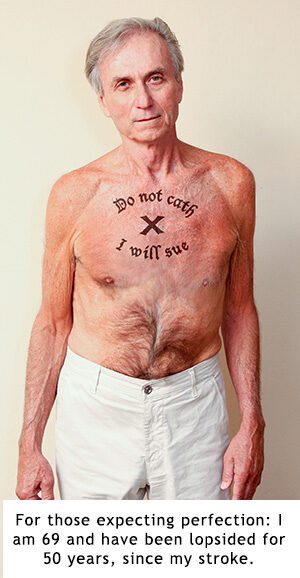 McDougallBeware of Interventional Cardiologists (Heart Surgeons) - McDougallRead the latest on serious health-related issues and what you can do about them. Hear success stories from people who were helped by the McDougall Program.drmcdougall.com