In humans, it is impossible to study the effects of a particular diet over an entire lifetime, in a randomized controlled trial.
But this can be easily done in mice and other shorter-lived mammals. Running long-term randomized controlled trials in mice is fairly easy, because they only live around 2-3 years.
————-
In mice, long term adherence to a ketogenic diet:
- Protects against weight gain, and induces weight loss
- Maintains insulin sensitivity, and reduces insulin levels
Unfortunately, in the long run, it also:
- Causes hypercholesterolemia
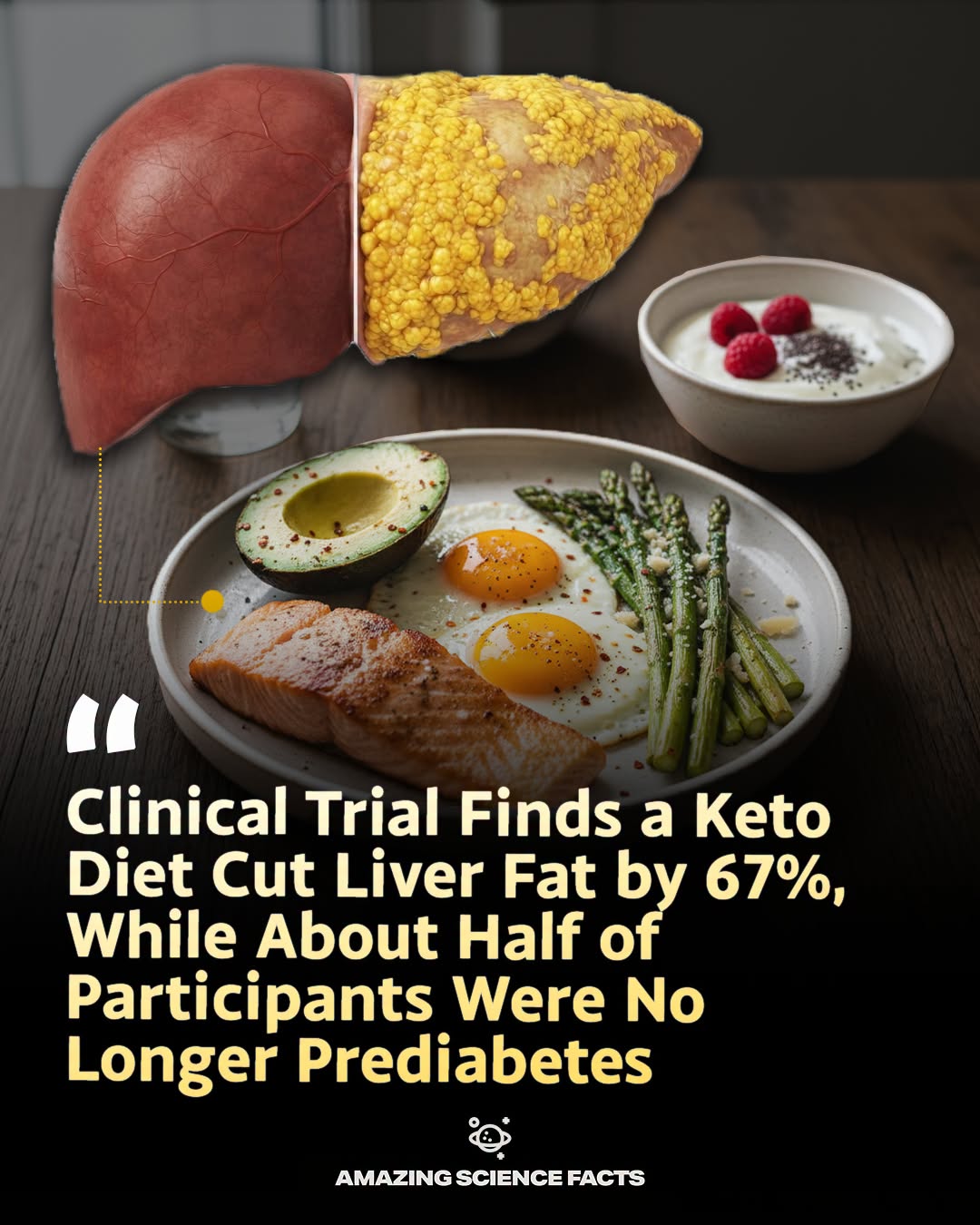
- Induces fat accumulation in the liver
- Impairs the pancreas’s ability to secrete insulin, ultimately leading to impaired glucose tolerance
Quoted:
“Ketogenic diets (KDs)—very-low-carbohydrate and very-high-fat diets—have gained popularity as therapeutic against obesity and type 2 diabetes. However, their long-term effects on metabolic health remain understudied. Here, we show that, in male and female mice, a KD protects against weight gain and induces weight loss but over time leads to the development of hyperlipidemia, hepatic steatosis, and severe glucose intolerance. Unlike mice on conventional high-fat diet, KD-fed mice remain insulin sensitive and display low-insulin levels. Hyperglycemic clamp and ex vivo glucose-stimulated insulin secretion assays revealed systemic and cell-intrinsic impairments in insulin secretion. Transcriptomic profiling of islets from KD-fed mice indicated endoplasmic reticulum (ER)/Golgi stress and disrupted ER-Golgi protein trafficking, which were confirmed by electron microscopy showing a dilated Golgi network consistent with defective insulin granule trafficking and secretion. Together, these results suggest that long-term KD leads to multiple aberrations of metabolic parameters that caution their systematic use as a health-promoting dietary intervention.”
#ketoHD #weightlossHD #liverfatHD #insulinHD #pancreasHD #miceHD