Why is Elevated Cholesterol Harmful?
Cholesterol is essential for life. It’s a key component of cell membranes and a building block for hormones and other important molecules. Because it’s so important, almost every cell in your body can make its own cholesterol. On top of that, your liver produces cholesterol and packages it into lipoprotein particles (like LDL), which then circulate in your blood and can be taken up by tissues.
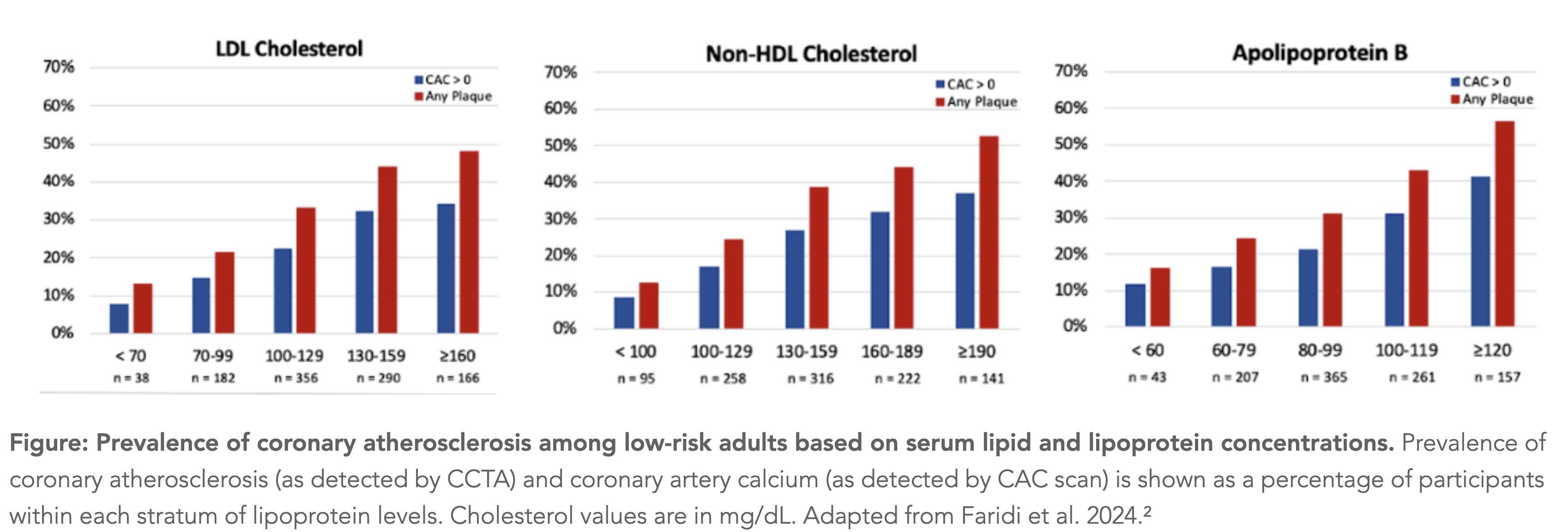
The problem isn’t cholesterol itself—it’s having too much of it in the bloodstream, especially too many ApoB-containing particles (like LDL). Think of cholesterol-carrying lipoproteins as a nutrient delivery system: at normal levels, they support healthy function; at high levels, they become a continuous “growth and activation” signal to cells throughout the body.
This is easiest to see in atherosclerosis. When ApoB-containing particles are elevated, more of them slip into the artery wall and get trapped. There, they drive the growth of atherosclerotic plaque—an inflammatory, cholesterol-rich lesion that gradually narrows and stiffens arteries. If you want to keep your arteries open and flexible, keeping ApoB/LDL levels low is one of the most powerful levers you have.
The effects aren’t limited to arteries. Studies show that high circulating cholesterol can stimulate hematopoietic stem cells (the cells in your bone marrow that give rise to blood cells), pushing them toward a more inflammatory, myeloid lineage. In other words, elevated cholesterol doesn’t just sit there as a “marker” on a lab test—it actively promotes systemic inflammation and accelerates aspects of blood and immune system aging.
Just as chronic overnutrition (too many calories, carbs, sugar, fat, or even protein) can make you sick and shorten your life, too much circulating cholesterol is harmful, even though cholesterol itself is vital. That’s the apparent paradox: a molecule essential for life can, in excess, become a major driver of disease.