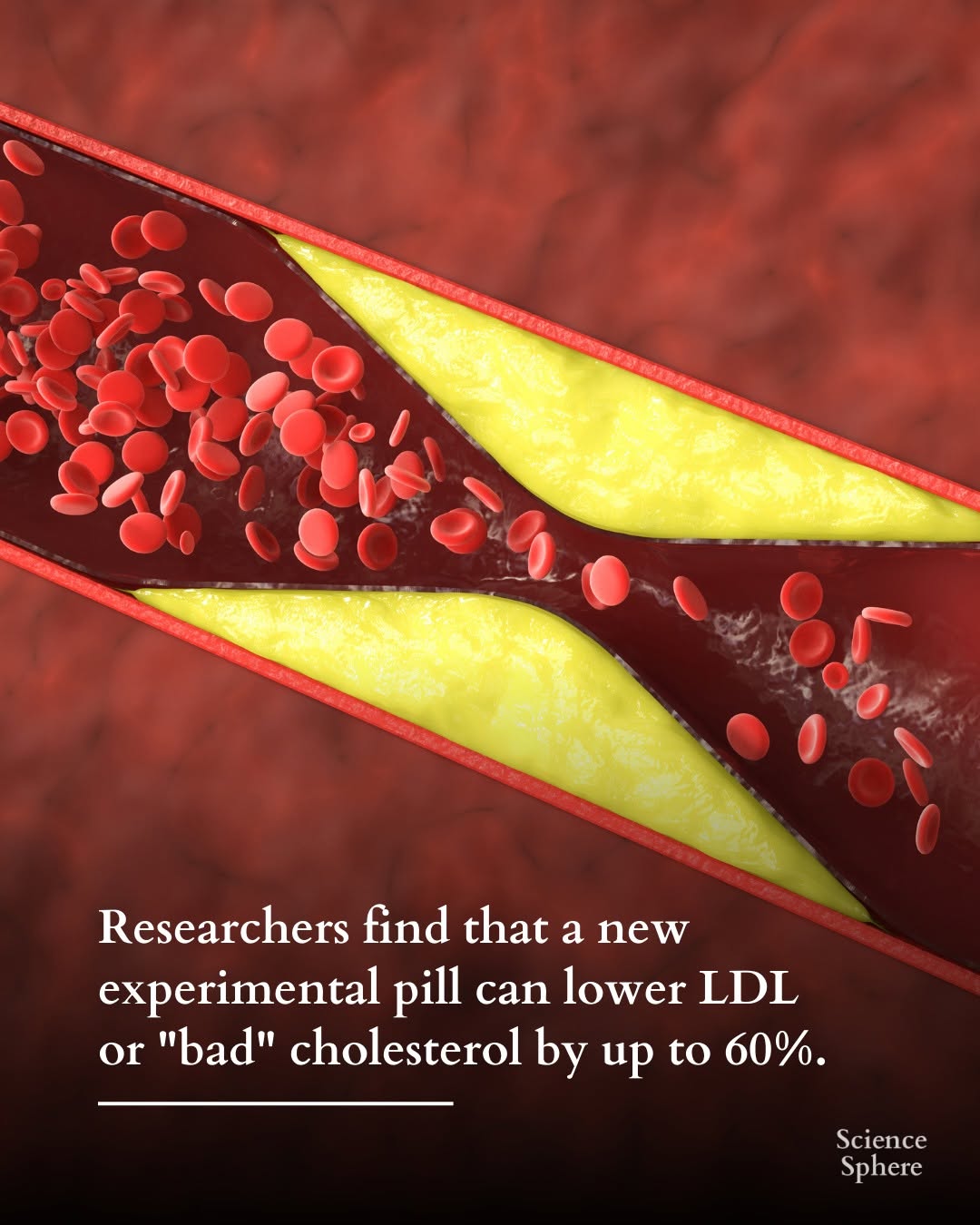
🫀 A once-daily pill may soon offer statin-resistant patients an injectable-level weapon against “bad” cholesterol.
An international phase 3 trial tested enlicitide, an oral PCSK9 inhibitor, in 303 adults with heterozygous familial hypercholesterolemia whose LDL levels remained high despite statins. Participants from 59 sites in 17 countries were randomized to enlicitide or placebo for 52 weeks, all on background statin therapy. Unlike existing PCSK9 drugs given by injection, enlicitide is taken as a tablet, a format clinicians say could improve adherence in people reluctant to self-inject.
After 24 weeks, enlicitide cut LDL cholesterol by an average of 58.2%, while LDL rose by 2.6% in the placebo group; at 52 weeks, LDL remained 55.3% lower with enlicitide versus an 8.7% increase on placebo. The drug also reduced non-HDL cholesterol by about 52%, apolipoprotein B by roughly 48%, and lipoprotein(a) by nearly 25%, all markers tied to cardiovascular risk. Safety was broadly similar to placebo, with low discontinuation rates and no new major safety signals in the phase 3 program.
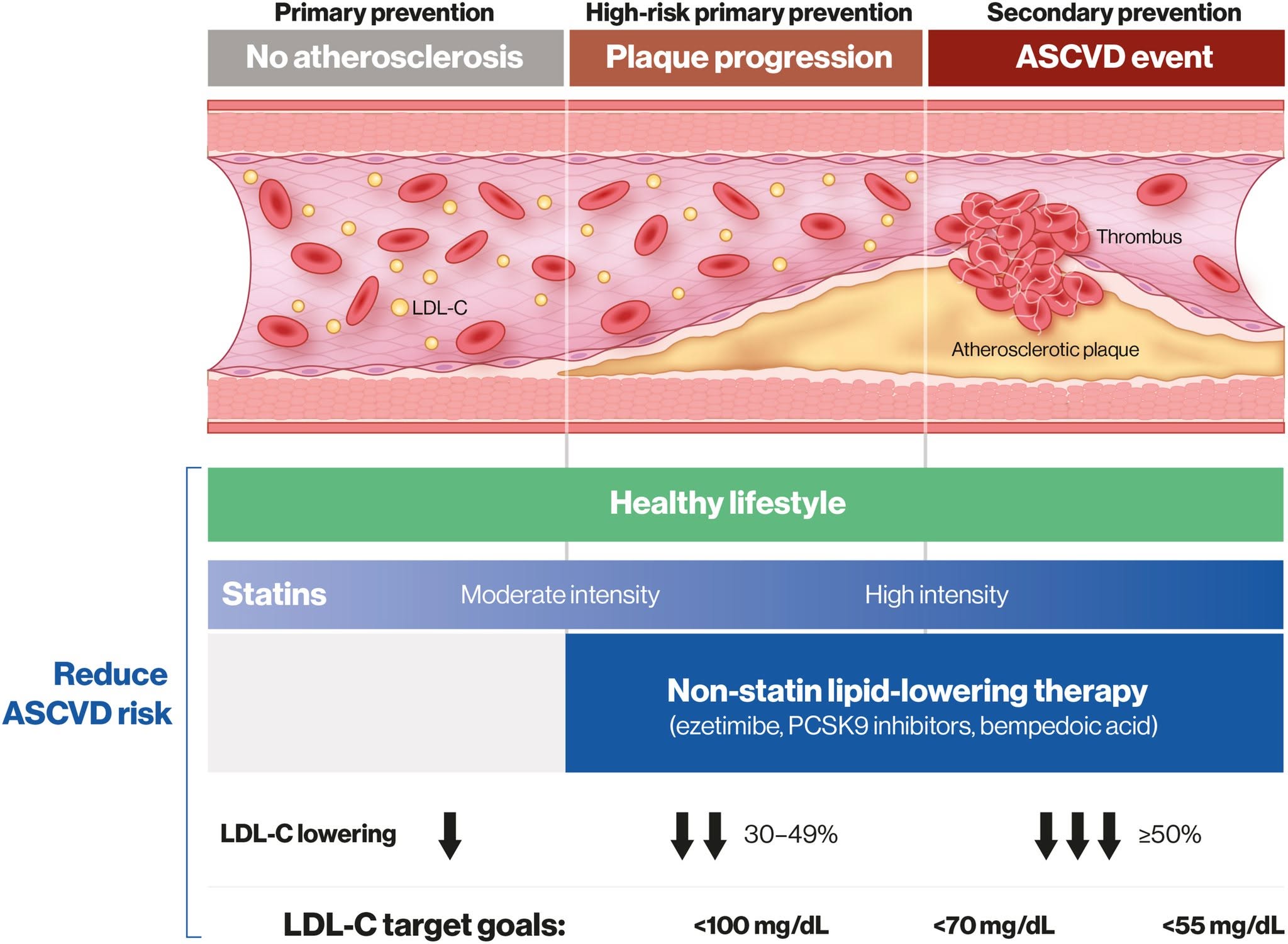
Experts note that larger, longer outcomes trials are still needed to confirm whether these LDL reductions translate into fewer heart attacks and strokes, and to test the pill in people beyond those with familial hypercholesterolemia. Still, because enlicitide matches injectable PCSK9 inhibitors in LDL lowering while offering oral convenience, cardiologists and dietitians see it as a potentially transformative option for patients who cannot reach guideline targets with statins and lifestyle alone.
Follow Science Sphere for regular scientific updates
📄 RESEARCH PAPER
📌 Ann Marie Navar et al, “Efficacy and Safety of Oral PCSK9 Inhibitor Enlicitide in Adults With Heterozygous Familial Hypercholesterolemia,” JAMA (2025)