HD-OPM Archive
Hashtags

#pcsk9

42 posts

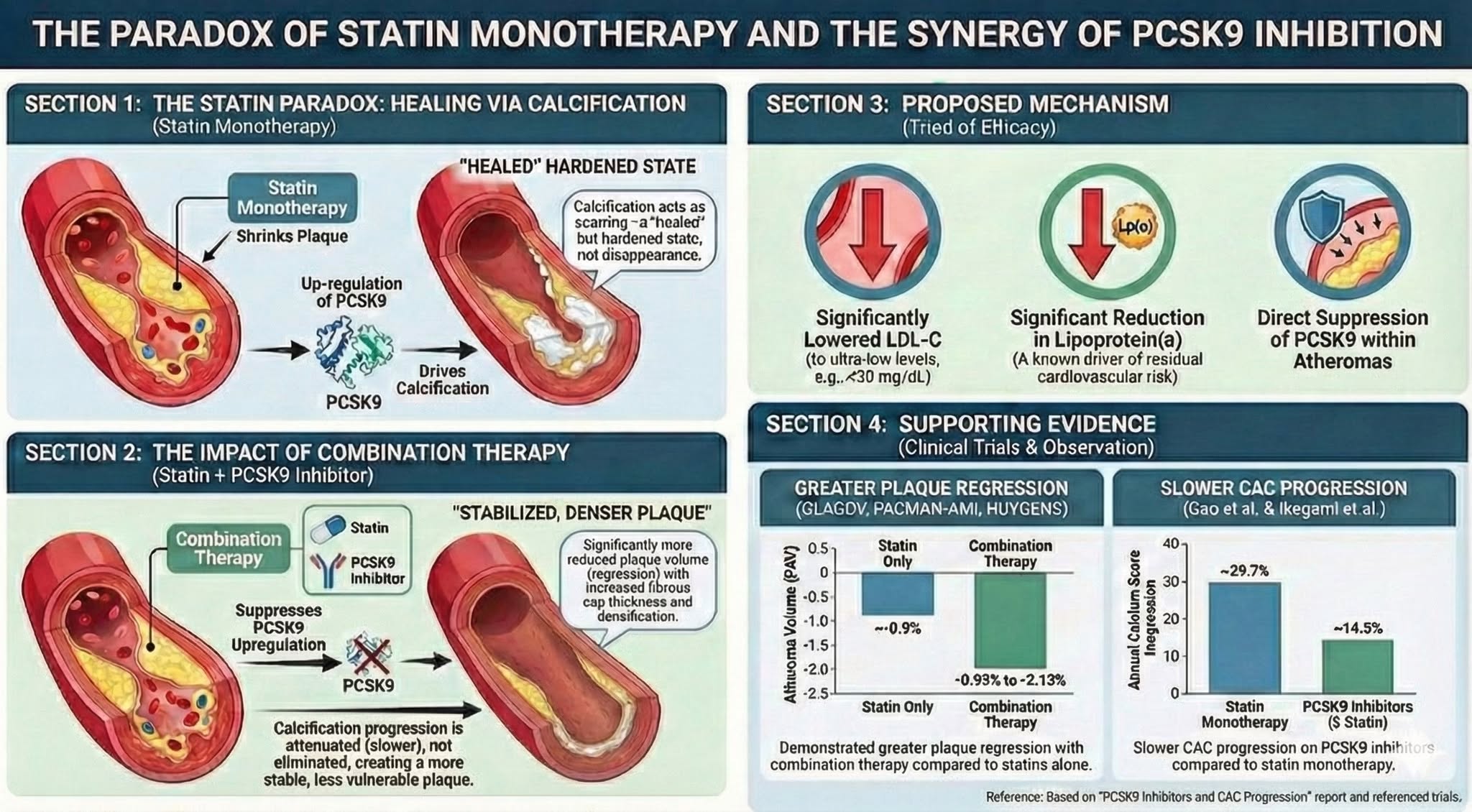
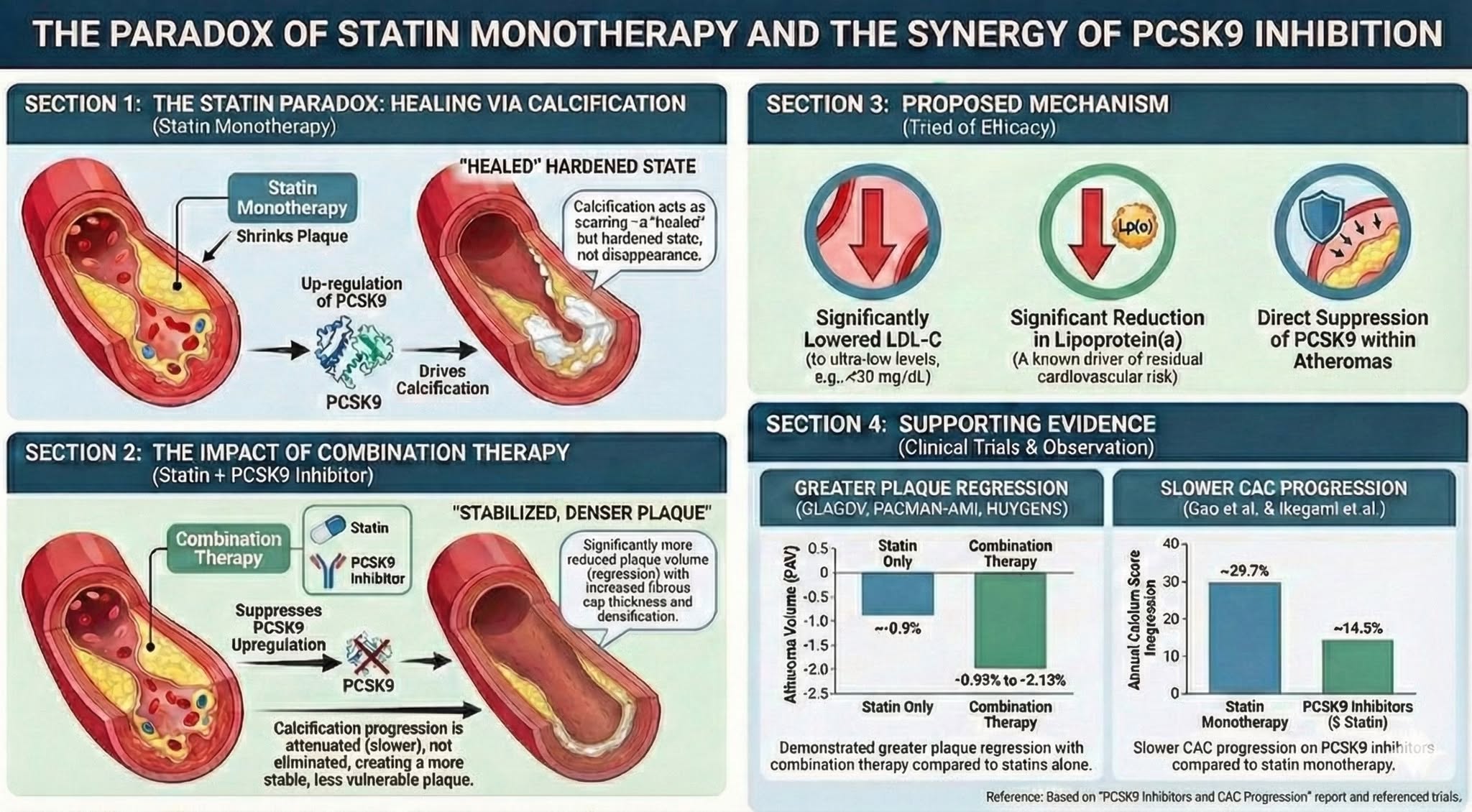
PCSK9 inhibitors regress soft plaque without the calcification surge seen with statins

Jul 02, 2026 · Louis Nervegna ♥ 28 · 💬 22 PCSK9, ezetimibe & newer drugs

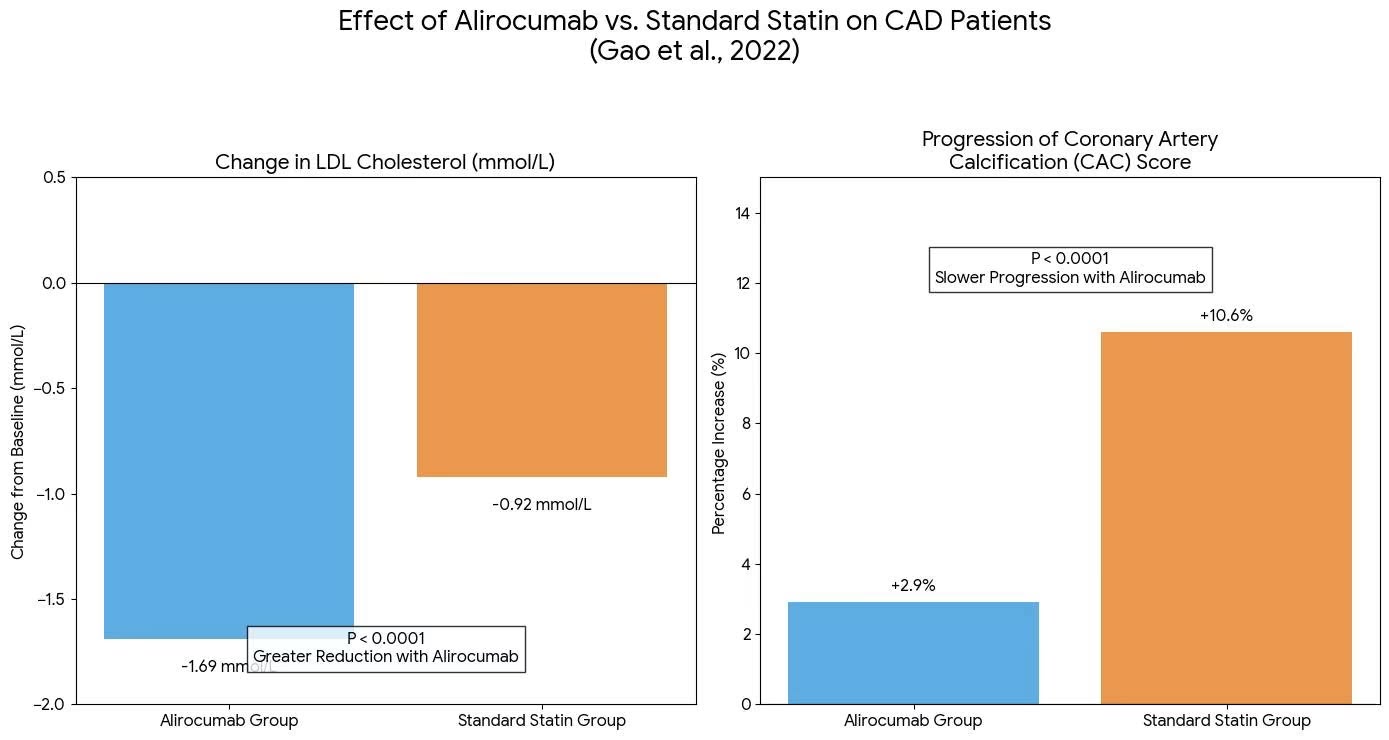
Louis highlights Gokhan Can's article on imaging evidence that PCSK9 inhibitors shrink plaque without the calcific increase often seen with statins. He cautions that no randomized outcome trials test PCSK9 inhibitors as monotherapy, though adding one to a statin attenuates statin-induced calcification and lowers events more than statins alone.

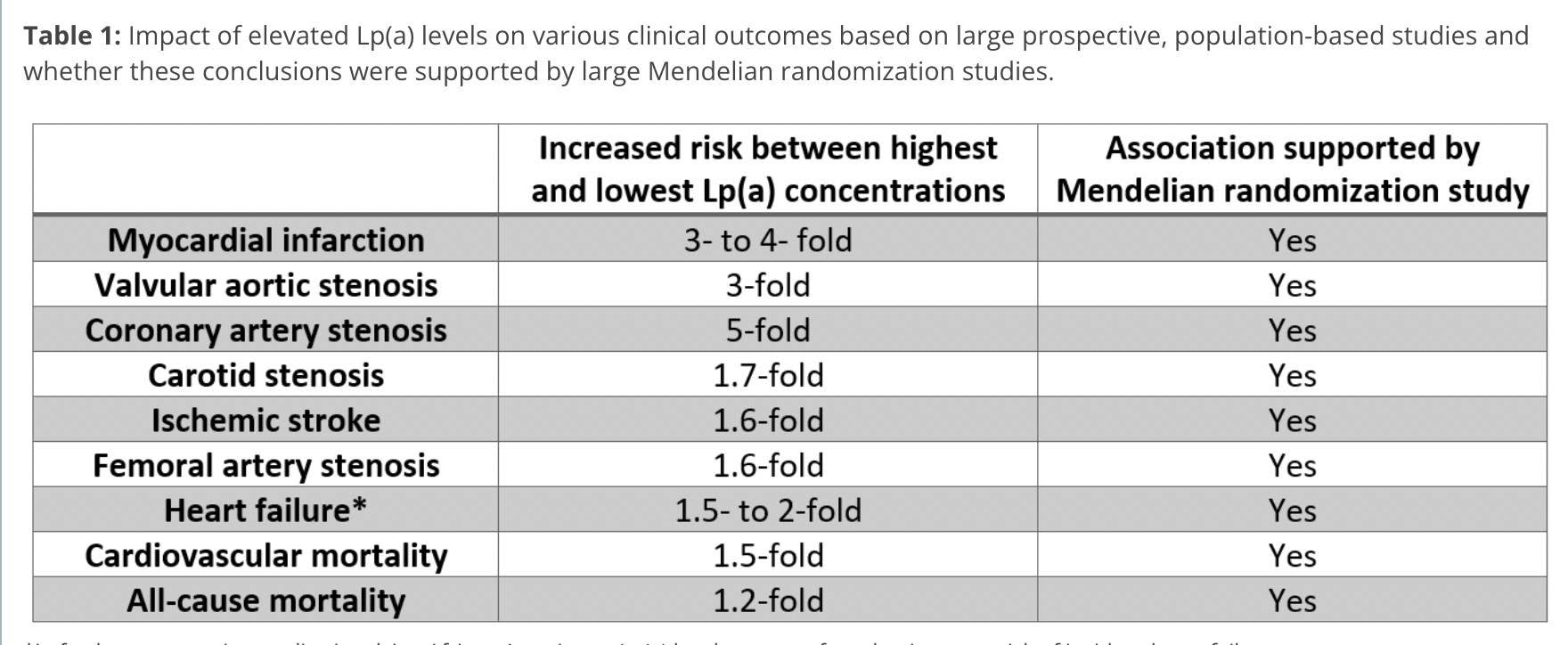
No trial shows PCSK9 inhibitor monotherapy cuts heart attacks; HORIZON undermines Lp(a)

Oct 31, 2026 · Louis Nervegna ♥ 16 · 💬 32 ↩ 1 PCSK9, ezetimibe & newer drugs

Louis argues guidelines recommend against PCSK9 inhibitor monotherapy as first-line primary prevention because no randomized trial shows it lowers heart attacks, strokes or CVD mortality. He adds that the HORIZON trial massively lowered Lp(a) but had no effect on MACE, so people on PCSK9i mainly to lower Lp(a) should revisit that choice, since statins or statins plus PCSK9i are proven even with high Lp(a).

PCSK9 gene-editing therapy may not be safe yet; patient deaths occurred in a trial

Mar 18, 2025 · Louis Nervegna ♥ 22 · 💬 24 PCSK9, ezetimibe & newer drugs

Louis warns that experimental PCSK9 gene therapies for lowering LDL may be unsafe because people have died in trials, and notes that safe, effective drugs already exist, including PCSK9 inhibitors. He clarifies that the deaths were specific to the gene therapy in that trial, with unclear cause, and were not seen in long PCSK9 inhibitor drug trials.

Six RCTs show statins reverse total plaque volume by 5% to 17%

Aug 25, 2026 · Louis Nervegna ♥ 27 · 💬 9 ↩ 1 Plaque, CAC & CT angiography

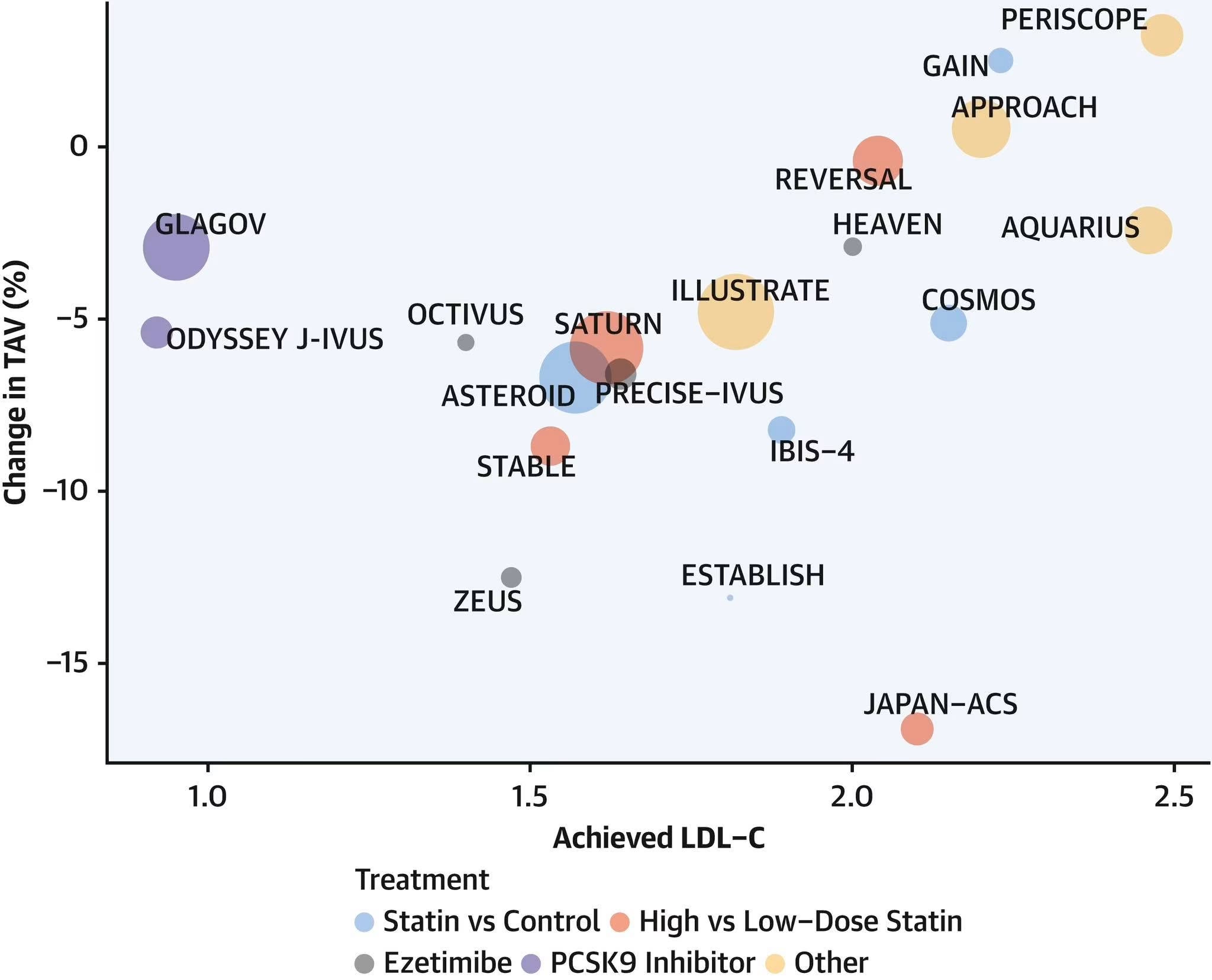
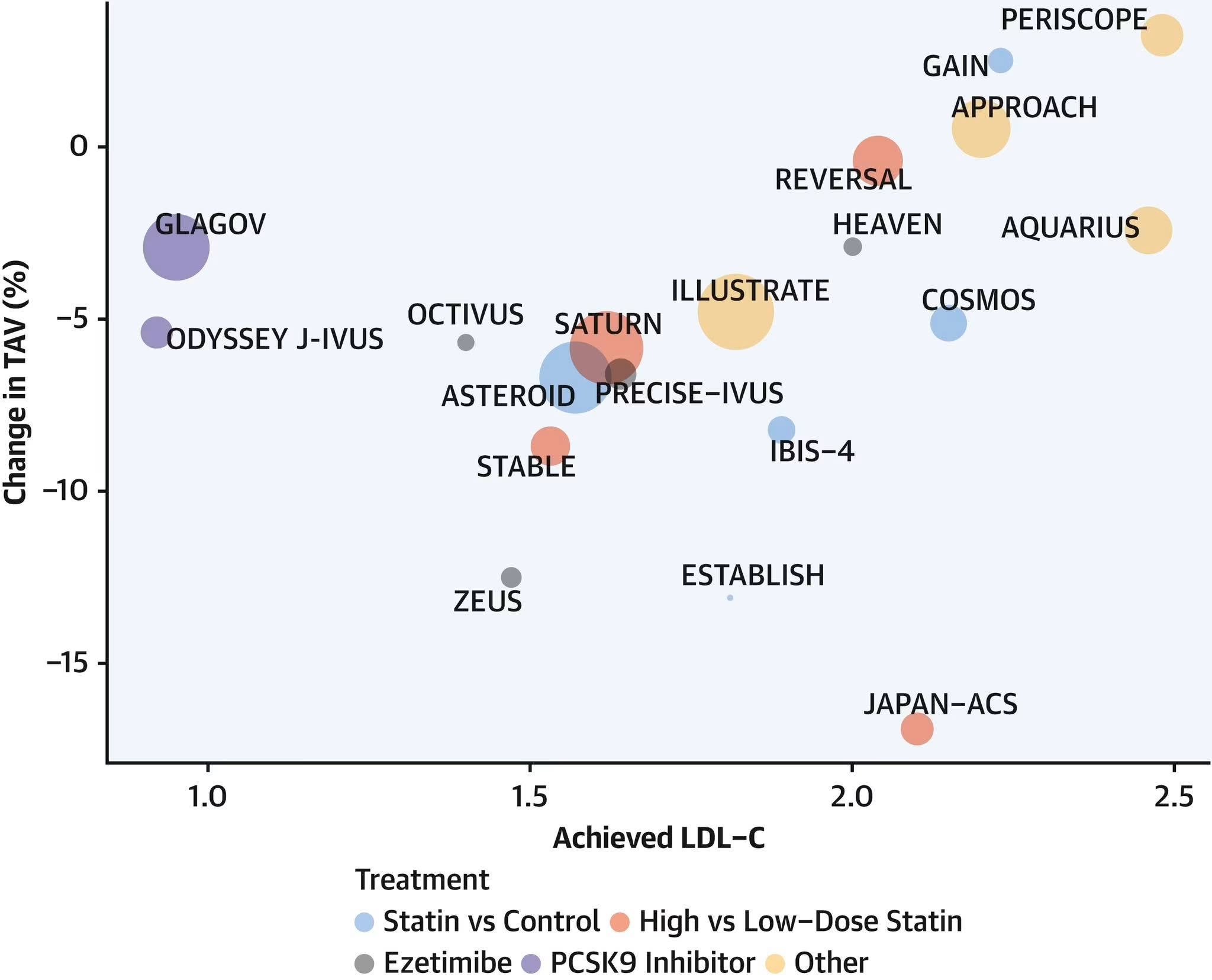
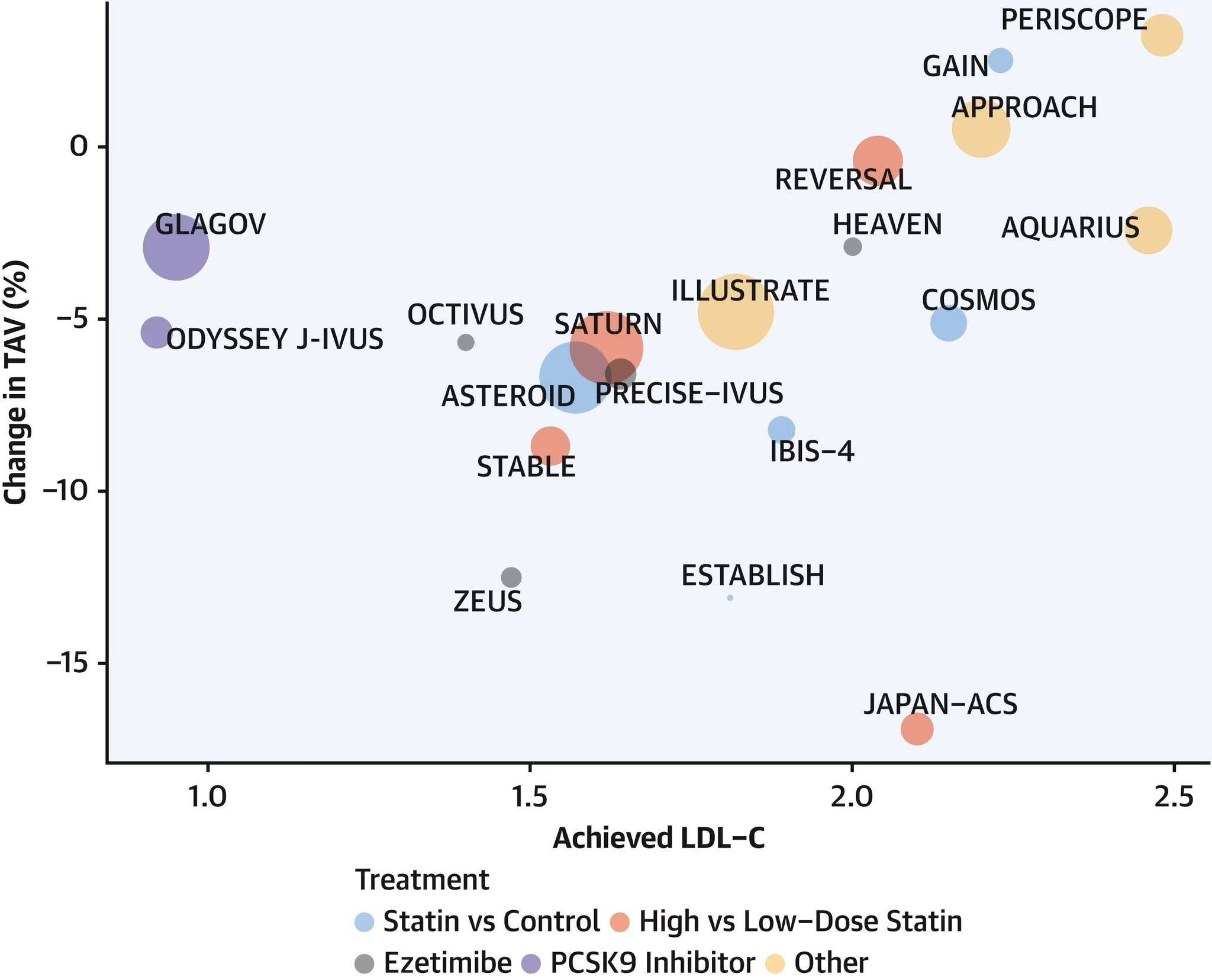
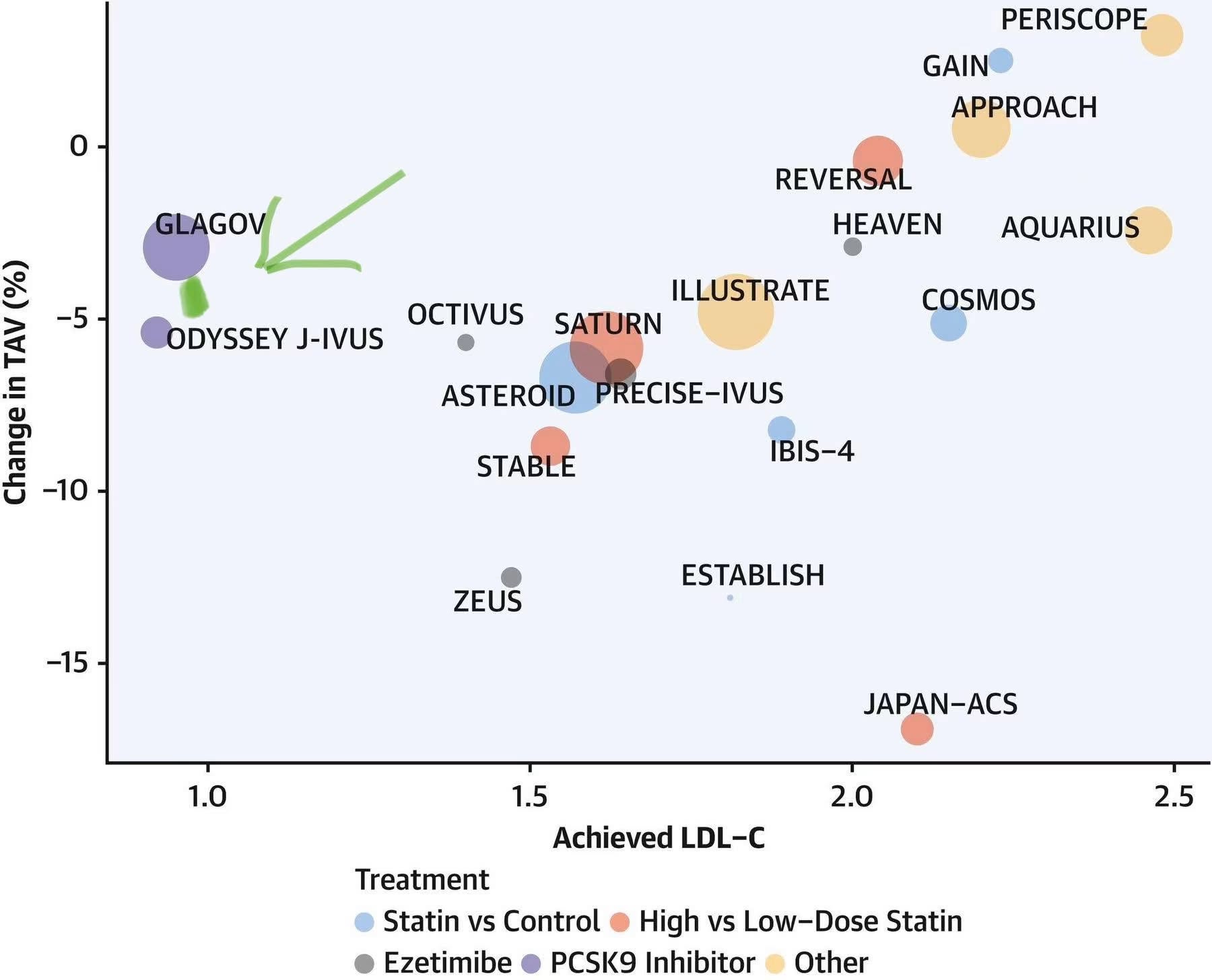
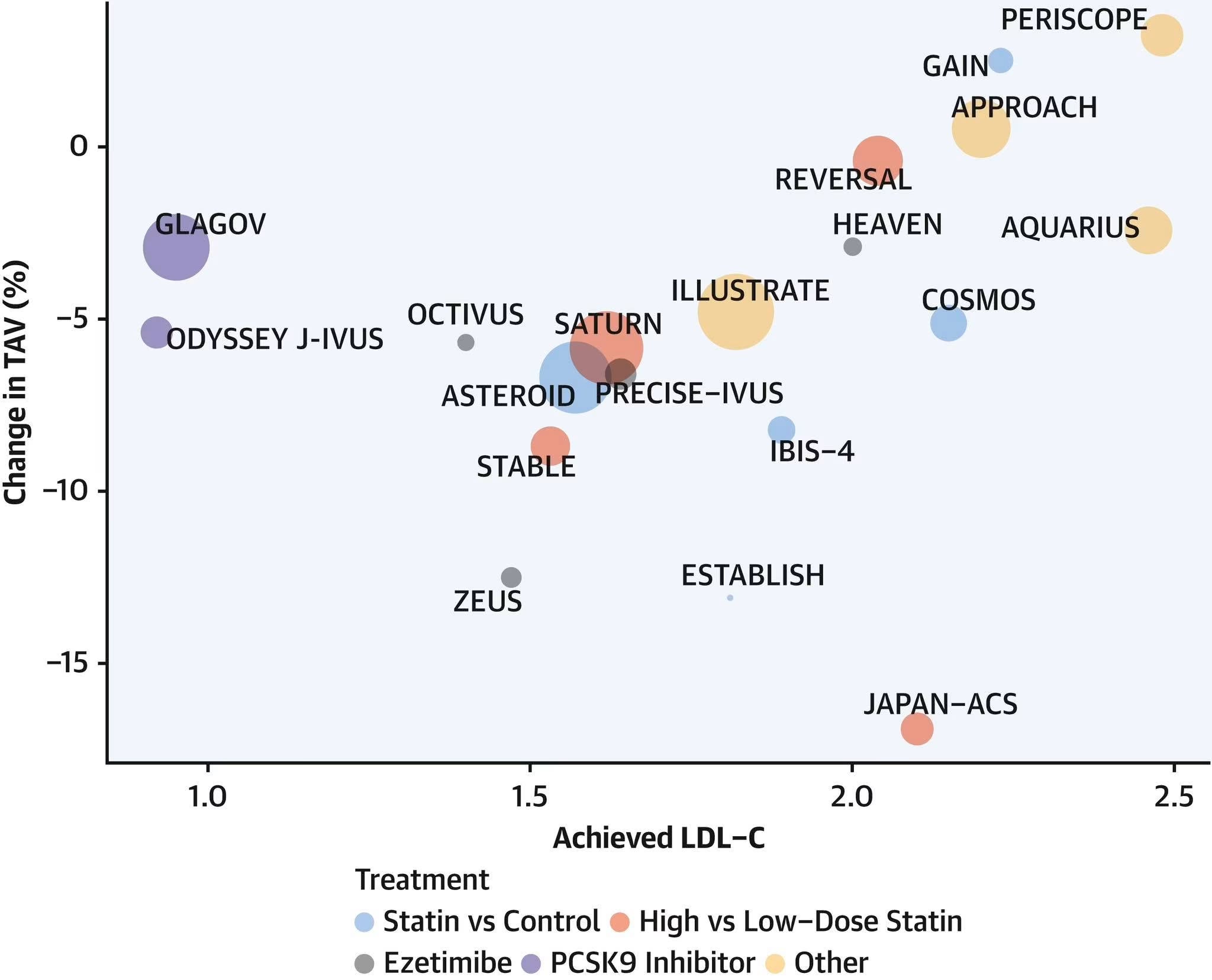
Louis lists six randomized trials showing reversal of total atheroma volume with statins: COSMOS ~5%, SATURN ~5.5%, ASTEROID ~6.5%, IBIS-4 ~7.5%, STABLE ~8%, JAPAN-ACS ~17%. Reversals were measured by CT angiography or IVUS and came from soft rather than calcified plaque. A shared chart relates LDL to TAV change across statin, PCSK9 and ezetimibe trials.

Only lipophilic statins like atorvastatin enter the brain; PCSK9 drugs and ezetimibe don't

Oct 18, 2025 · Louis Nervegna ♥ 25 · 💬 10 Brain health & dementia

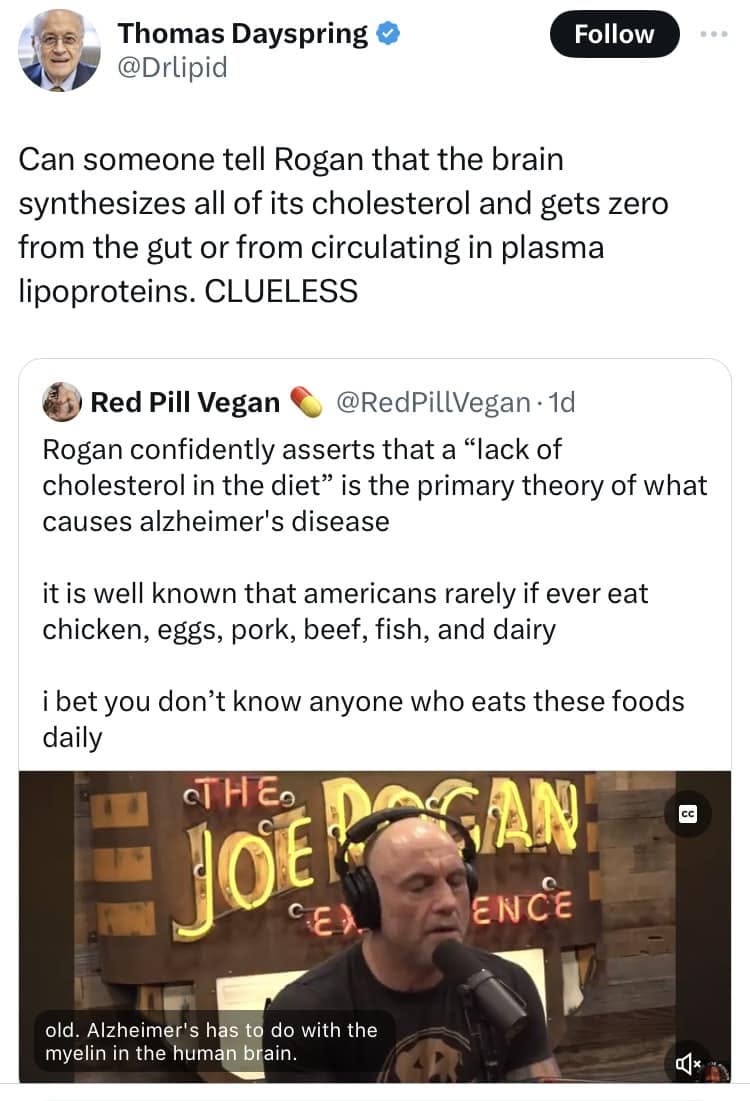
Louis explains the blood-brain barrier and cholesterol: the brain makes its own cholesterol separately from blood, so non-statin LDL drugs and hydrophilic statins like rosuvastatin have little brain effect. Lipophilic statins do enter the brain, with promising observational data against Alzheimer's, and a 20,000-person atorvastatin trial is under way. Two prior trials showed statins do not worsen existing Alzheimer's, and midlife high LDL is a leading modifiable dementia risk (2024 Lancet Commission, about 7% of US cases per Louis).

Plaque reduction: statins, PCSK9 inhibitors and ezetimibe have the strongest evidence

May 18, 2024 · Gokhan Can ♥ 32 · 💬 5 Plaque, CAC & CT angiography

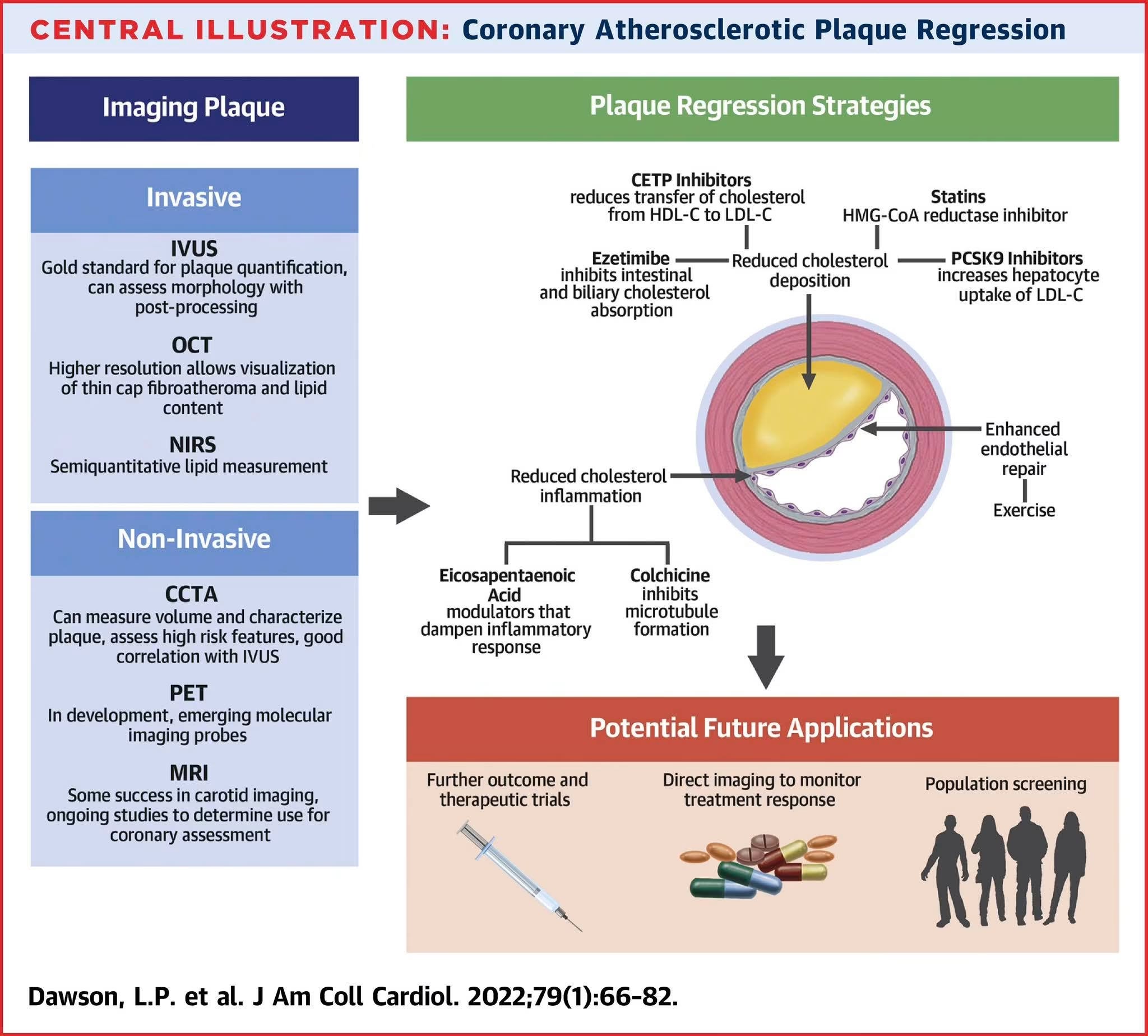
Ranks interventions for regressing or stabilizing atherosclerotic plaque. Statins, PCSK9 inhibitors and ezetimibe have the strongest trial evidence, with high-dose EPA and pioglitazone fairly good; colchicine, aged garlic, Centella, pine bark, nattokinase and plant-based diets are promising but need rigorous imaging RCTs, and evidence for exercise, L-arginine and vitamin K2 is limited.

Why Louis takes a low-dose statin: known side effects beat unknown ones of newer drugs

May 09, 2024 · Louis Nervegna ♥ 15 · 💬 20 Statins

Louis explains his personal reasoning for choosing a low-dose statin over newer cholesterol drugs: statin side effects are well characterized after decades, while newer drugs may have undiscovered ones. He adds that this is probably why statins remain standard of care for most people. This is personal opinion, not a study.

Limiting diabetes risk on LDL-lowering drugs: statin risk is modest, alternatives exist

Nov 26, 2025 · Gokhan Can ♥ 7 · 💬 17 Statins

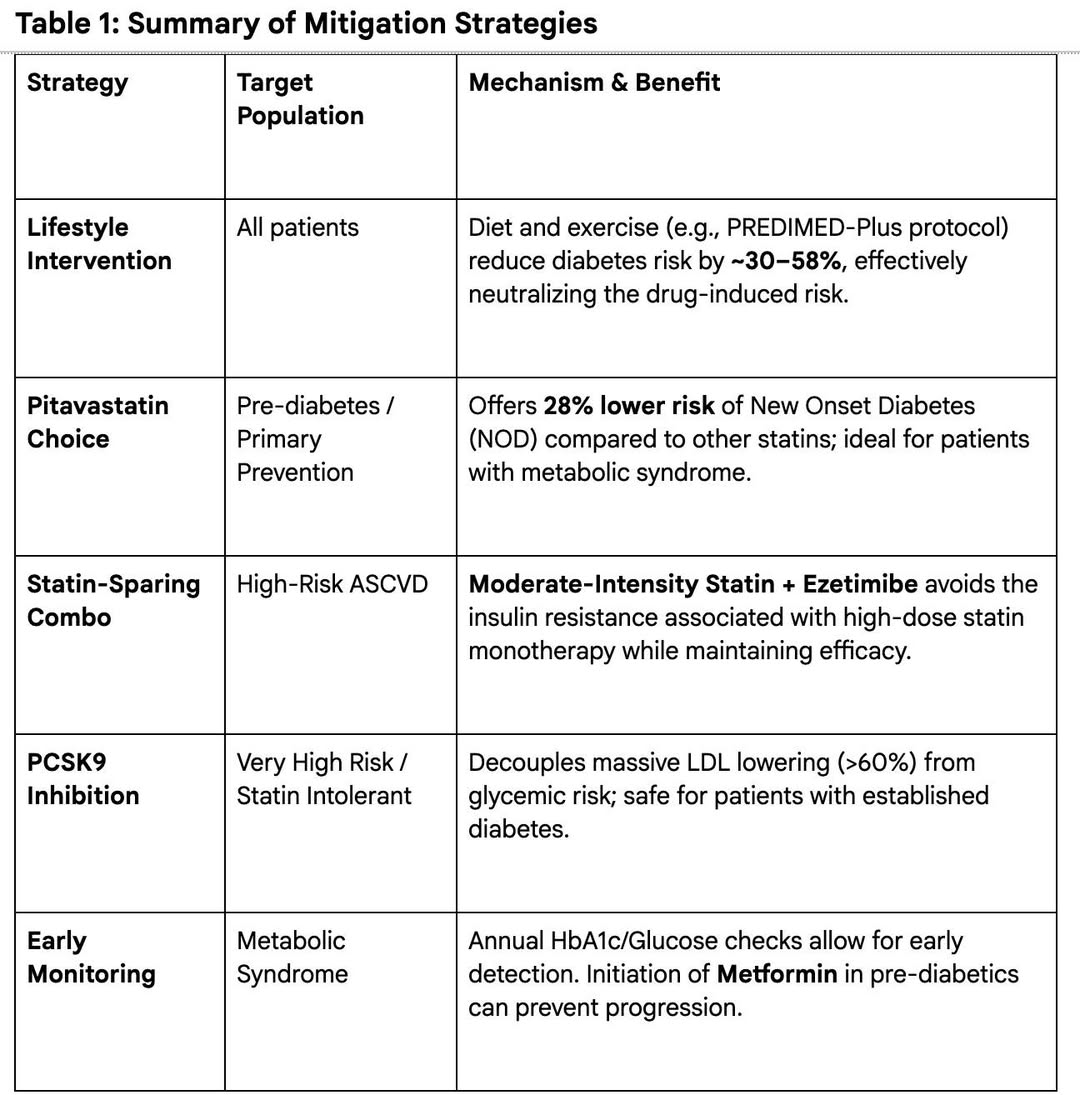
Review explaining that statins modestly increase new-onset diabetes in a dose-dependent way, mostly in people with existing metabolic risk factors, and that cardiovascular benefit clearly outweighs this. It suggests statins mainly bring forward diagnosis in predisposed people, outlines mechanisms (beta-cell dysfunction, insulin resistance) and proposes ezetimibe, PCSK9 inhibitors and pitavastatin as options that limit glycemic harm.

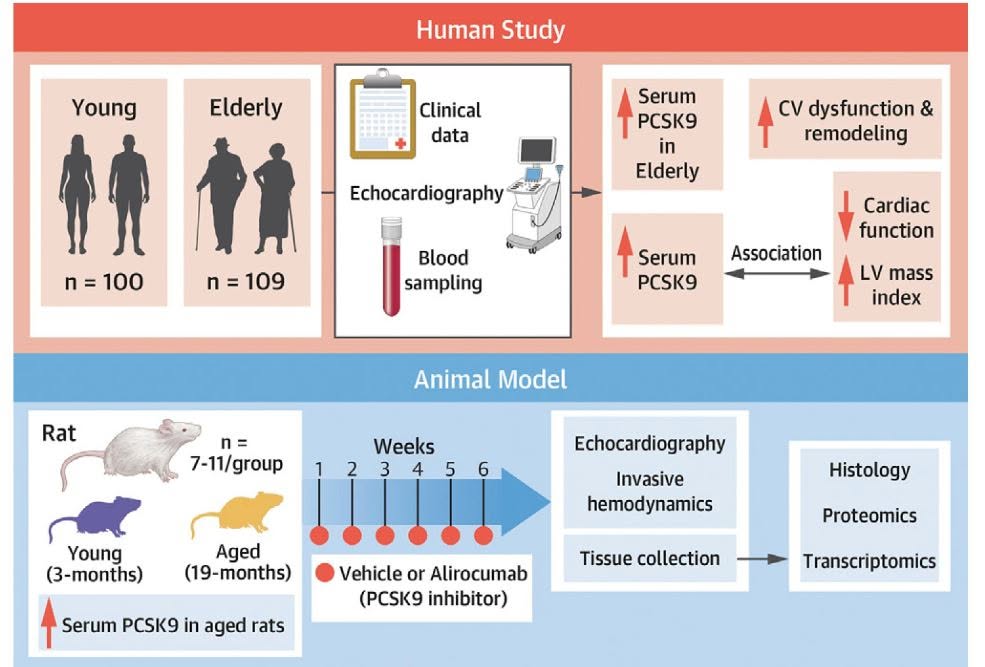
PCSK9 inhibition may slow cardiometabolic aging beyond lowering cholesterol

Dec 21, 2023 · Louis Nervegna ♥ 15 · 💬 11 PCSK9, ezetimibe & newer drugs

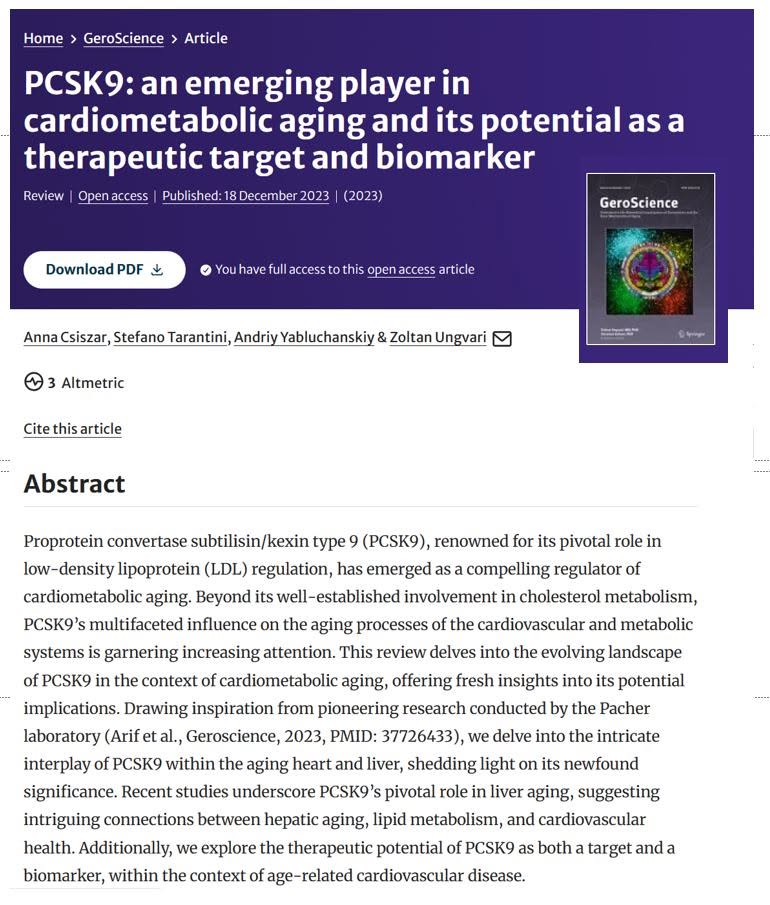
Louis highlights a GeroScience open-access review proposing PCSK9 inhibition may ameliorate age-related cardiac and liver pathology, and that a multivariate genome-wide analysis of aging traits identified PCSK9 as a potential drug target for healthy aging. He adds that botanical compounds such as berberine also inhibit PCSK9. The anti-aging role remains an emerging research area.

Review: PCSK9 emerges as a regulator of cardiometabolic aging in heart and liver

Jan 31, 2024 · Louis Nervegna ♥ 15 · 💬 9 PCSK9, ezetimibe & newer drugs

Louis suggests PCSK9 inhibitor drugs may be treating aging itself in the cardiovascular system and liver, sharing a February 2024 GeroScience review. The review describes PCSK9 as an emerging regulator of cardiometabolic aging, with links between liver aging, lipid metabolism and cardiovascular health, drawing on work from the Pacher laboratory. The claim about drugs treating aging is speculative.

Lipoprotein(a) explained: 80-90% genetic, stable for life, a risk factor beyond LDL

Oct 05, 2024 · Gokhan Can ♥ 12 · 💬 8 Lp(a)

Explainer on Lp(a): an LDL-like particle with apo(a) attached, 80-90% genetically determined, fully expressed by 1-2 years of age, and elevated in about 1 in 5 US individuals (1.4 billion globally). Levels above 50 mg/dL or 125 nmol/L raise ASCVD risk, possibly via impaired fibrinolysis and cholesterol deposition, and may occur with normal lipid panels.

Review: aggressive LDL lowering outweighs theoretical risks, yet few reach <55 mg/dL

Oct 28, 2025 · Gokhan Can ♥ 13 · 💬 5 LDL, ApoB & lipid panel

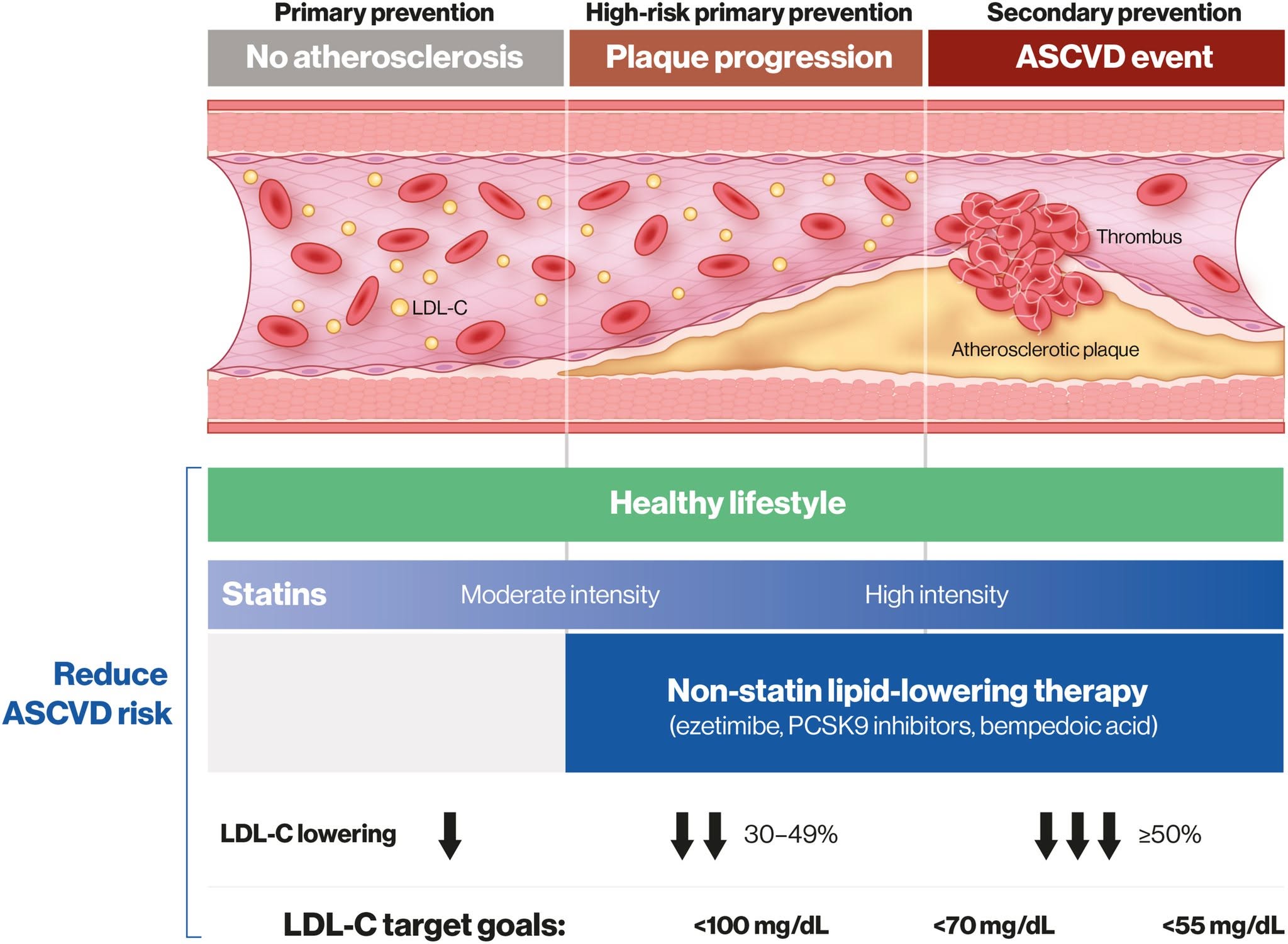
Summarises a July 2025 review: guidelines now target LDL-C <55 mg/dL (<40 after a recurrent event), PCSK9 inhibitors add 59-62% LDL reduction, and evidence (FOURIER, CTT meta-analysis, PCSK9 genetics) supports benefit to very low levels. It says safety concerns such as hemorrhagic stroke, cognitive decline (EBBINGHAUS) and hormone disruption are unsupported, while fewer than one in four high-risk patients reach target.

Genetics suggest statins' small diabetes risk is tied to LDL lowering (Gemini-assisted)

Sep 07, 2026 · Louis Nervegna ♥ 6 · 💬 11 Statins

Louis shares a post, written with Gemini AI, arguing that the small rise in new-onset type 2 diabetes with intensive lipid lowering reflects target-mediated effects rather than an off-target drug side effect. Genetic variants mimicking HMGCR (statin) and NPC1L1 (ezetimibe) inhibition show modestly higher glucose and diabetes risk.

Six statin trials show 5 to 17% total plaque reversal, with the best results at lowest LDL

Oct 31, 2026 · Louis Nervegna ♥ 12 ↩ 1 Plaque, CAC & CT angiography

Louis shares a chart of randomized trials showing plaque reversal with statins, ezetimibe and PCSK9 inhibitors, with total atheroma volume change plotted against LDL-C. Total plaque reversal ranged from about 5% to 17% in six older statin trials, measured by CT angiography or IVUS, and came from soft rather than calcified plaque. The chart suggests total plaque reversal begins once LDL falls below roughly 90 mg/dL.