What does an Optimal Treatment look like?
The following is the Drs. Brad Bale and Amy Doneen methodology for reversing heart disease plaque from a paper in 2016 (paper, recent video).
- [Lifestyle] All patients received extensive behavioral, dietary and lifestyle counseling in keeping with accepted guideline practice.
- [Regular testing] Clinicians review laboratory data, CAC and CIMT imaging. Markers like inflammation and fasting insulin are regularly tested monitored.
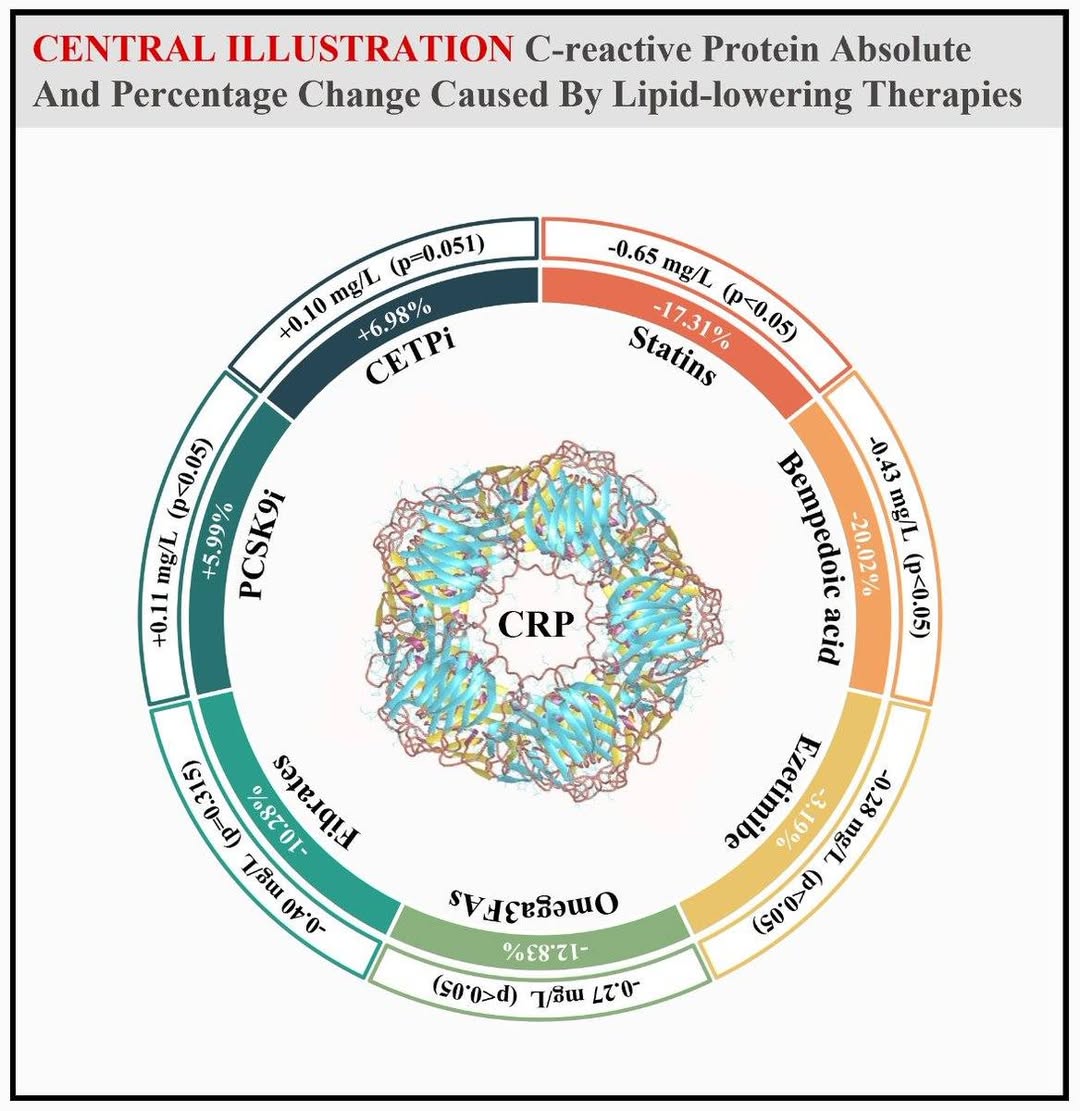
- [Lipid Control] Treat patients with statin, statin plus niacin, statin plus ezetimibe, or statin plus niacin and ezetimibe. Statin-intolerant patients were treated with ezetimibe plus niacin.
- [Omega 3 and additional metabolic drugs] Additional therapy with fibrates, bile acid sequestrants, and fish oils was also used as needed to achieve the more aggressive NCEP ATP III lipid goals.
- [SBP < 120, ideally using an ACE Inhibitor] Patients with a history of coronary artery disease (CAD) and/or hypertension were treated with angiotensin-converting enzyme inhibitor (ACEi), angiotensin receptor blocker, β-blocker, diuretic, renin inhibitor, and/or clopidogrel as indicated.
- [Anti-platelet] Use low dose aspirin for secondary prevention and other high risk individuals.
- [Diabetic drugs for obese and/or insulin resistant] Patients with newly diagnosed insulin resistance, metabolic syndrome, and diabetes mellitus were started on oral insulin sensitizing agents, primarily metformin and pioglitazone.
- [Anti-inflammatories] Treat chronic inflammation with colchicine (already FDA approved for secondary prevention), and perhaps others (high dose omega 3, low dose pioglitazone, curcumin, 4 herb synergy...).
- Additional supplements that might help with longevity, help avoid vitamin deficiencies etc.
Results (paper)
Median time to last carotid intima-media thickness (CIMT) was 3.0 years. Compared to baseline, follow-up analysis of all treatment groups at 2 years showed a 52.7% decrease in max CIMT, a 3.0% decrease in mean CIMT, and an 87.0% decrease in the difference between max and mean CIMT (p < 0.001). Plaque composition changes occurred, including a decrease in lipid-rich plaques of 78.4% within the first 2 years (p < 0.001). After the first 2 years, CIMT and lipid-rich plaques continued to decline at reduced rates.
Fast forward to 2023
I'd add the following (they might be already doing some of this because the paper is old):
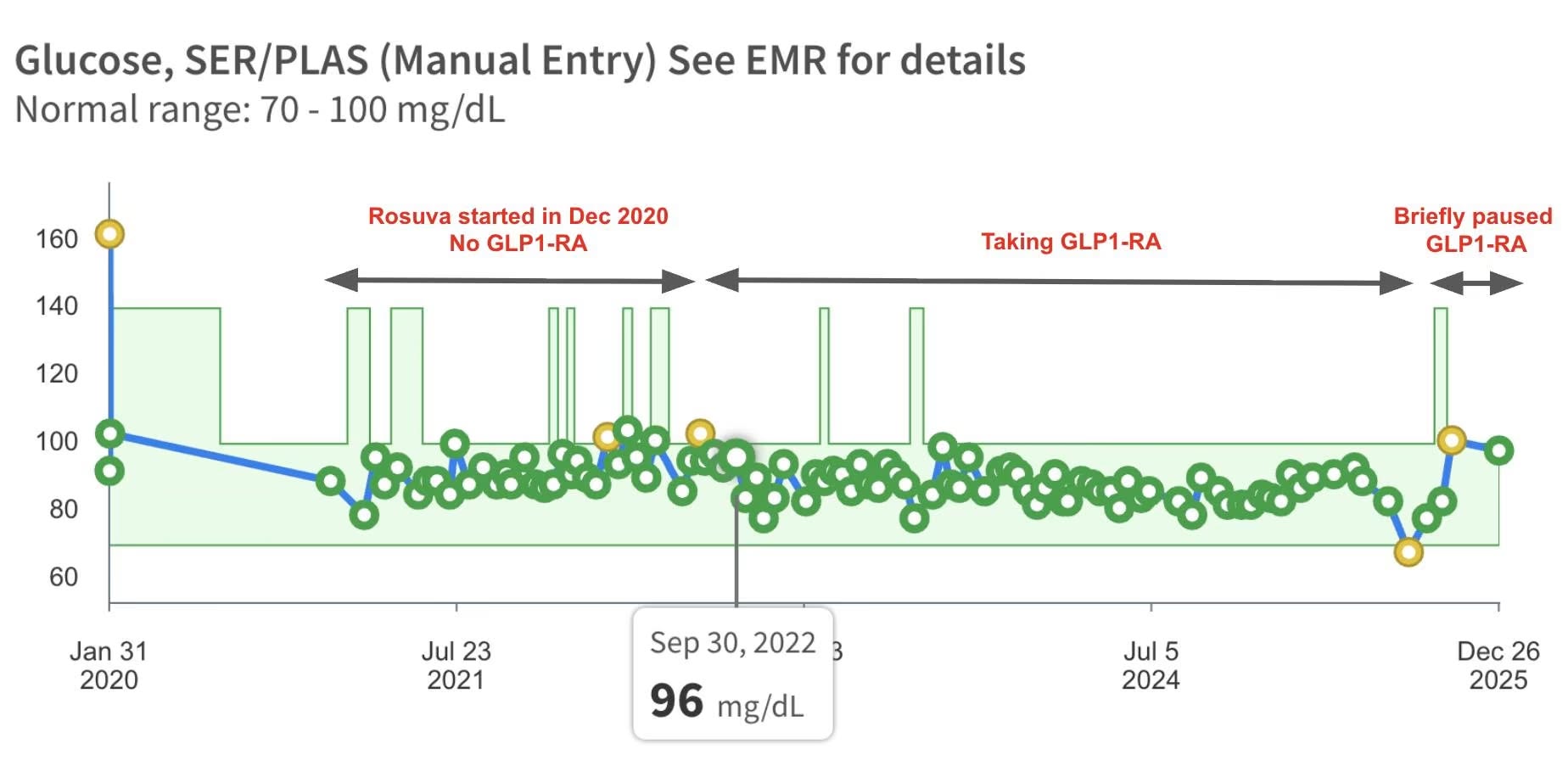
- [Weight loss] Use Semaglutide or Tirzepatide for weight loss if behavioral counseling fails.