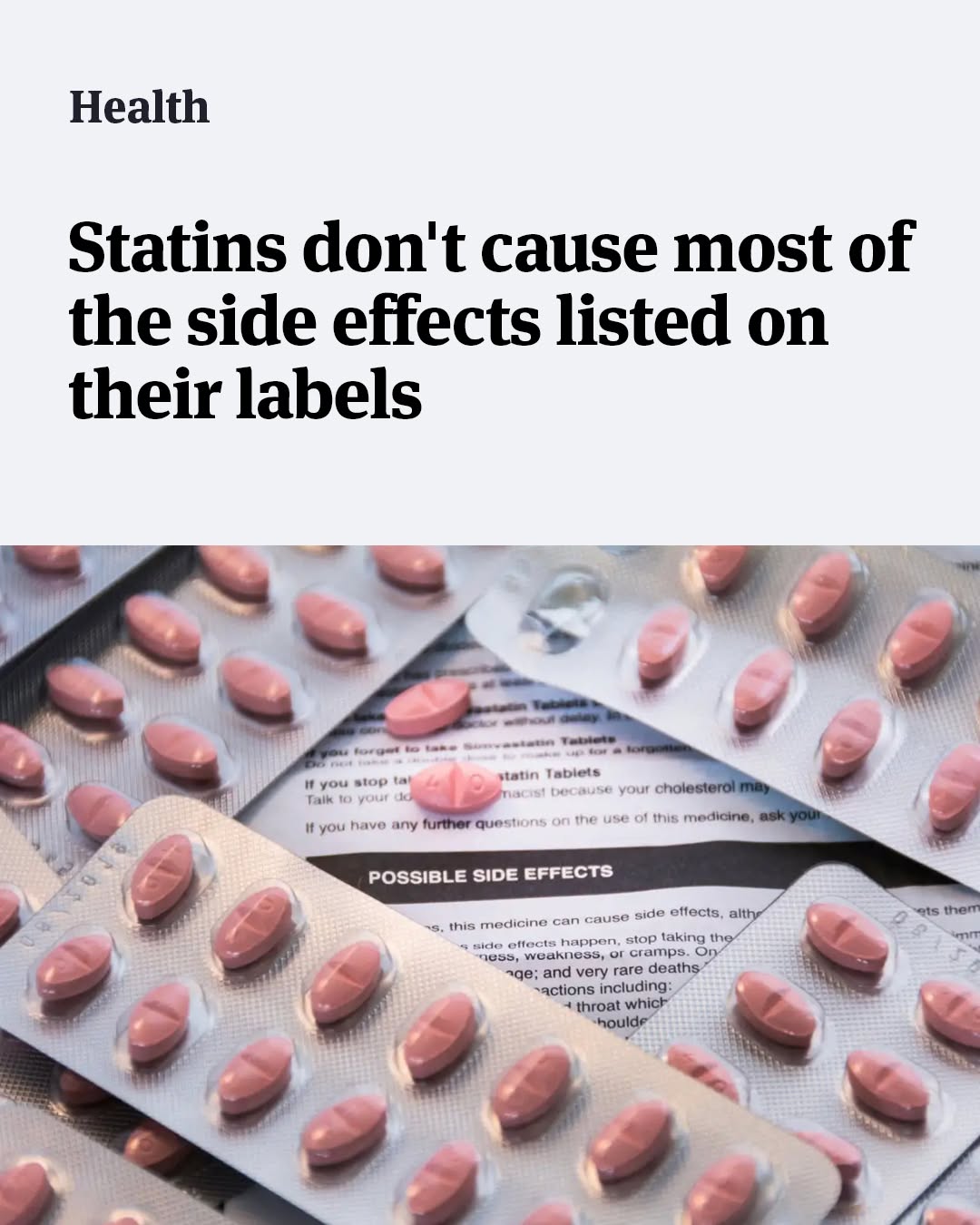
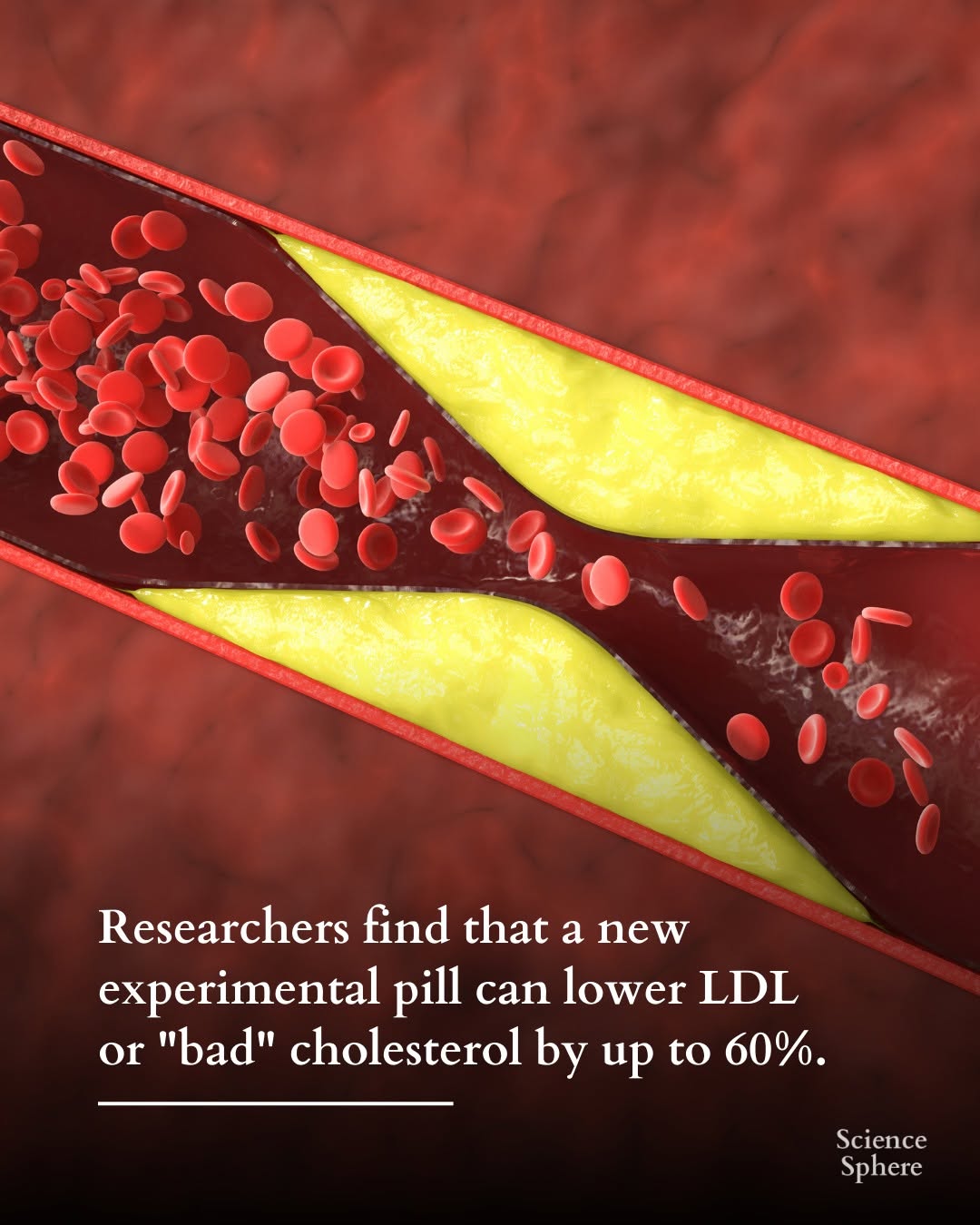
I want to correct some misunderstandings about red yeast rice vs statins that I’ve seen in comments.
A number of years ago, the FDA forced all manufacturers of red yeast rice products in the USA to remove the naturally occurring statin molecule lovastatin (also called monacolin K) from their products. Red yeast rice products sold in the USA are now supposed to contain NO appreciable amount of lovastatin.
.
nccih.nih.govRed yeast ricenccih.nih.govLovastatin is a 100% natural molecule (from red yeast rice), and was the very first commercially available statin drug, approved by the FDA in 1986. It was sold under the brand name Mevacor. You can still get a prescription for it today if you want, although it isn’t used much any more because it is fairly weak compared to the newer statins.
So this begs the question:
If red yeast rice is now supposed to contain little to NO lovastatin (monacolin K) then why does it still lower cholesterol?
The answer is that it contains a number of other compounds in the monacolin family besides just monacolin K (lovastatin). These other monacolins work together as a group to lower cholesterol in a similar way to taking monacolin K (lovastatin) alone.
So what’s the point of taking red yeast rice if you can just take a statin?
Well, many would argue that there is no point… but this is not entirely true.
First, red yeast rice is natural, and this matters a great deal to a lot of people, whether justified or not. But remember that prescription lovastatin is also natural.
Second, some people who can not tolerate statins do seem to be able to tolerate red yeast rice. The family of natural monacolins in red yeast working together produces less side effects in some people than high doses of a single statin molecule taken by itself. So red yeast rice might be worth a try if you can not tolerate traditional statins, or if you’re looking for a way to lower your statin dose to reduce side effects. Please discuss with your doctor and don’t do this on your own.
What are the downsides of red yeast rice compared to statins?
It is unregulated and sold as a supplement. So quality control will not be anywhere near as good as with an FDA approved drug. If you buy a random red yeast rice product on the internet, you have no idea what amount of the active ingredients (monacolins) that you are actually getting, if any.
But most important, there is a lack of large long-running RCT’s proving benefit like with commercially available statins. Even though it does lower LDL, there is no hard proof from RCT’s that red yeast rice will lower the risk for heart attacks and strokes in people at high risk. This means that you may be taking a big gamble, particularly if you are at high risk.