The Case for LDL Lowering: A Comprehensive Look at Statins, Diet, and Cardiovascular Health
Introduction
The debate around cholesterol-lowering drugs, particularly statins, has been ongoing for years. There was a time when skepticism about statins was understandable. Some people believed that these medications worked primarily through pleiotropic (multiple) effects, such as reducing inflammation, rather than directly lowering low-density lipoprotein (LDL) cholesterol. However, over the past 10-15 years, numerous clinical trials and scientific research have painted a very different picture. Today, the evidence overwhelmingly supports the benefits of LDL lowering, both through medication and lifestyle changes. This article delves into why LDL lowering is essential, how different approaches work, and why the skepticism that once surrounded statins is no longer warranted.
LDL Lowering: The Evidence Is Overwhelming
1. Nearly All Forms of LDL Lowering Work
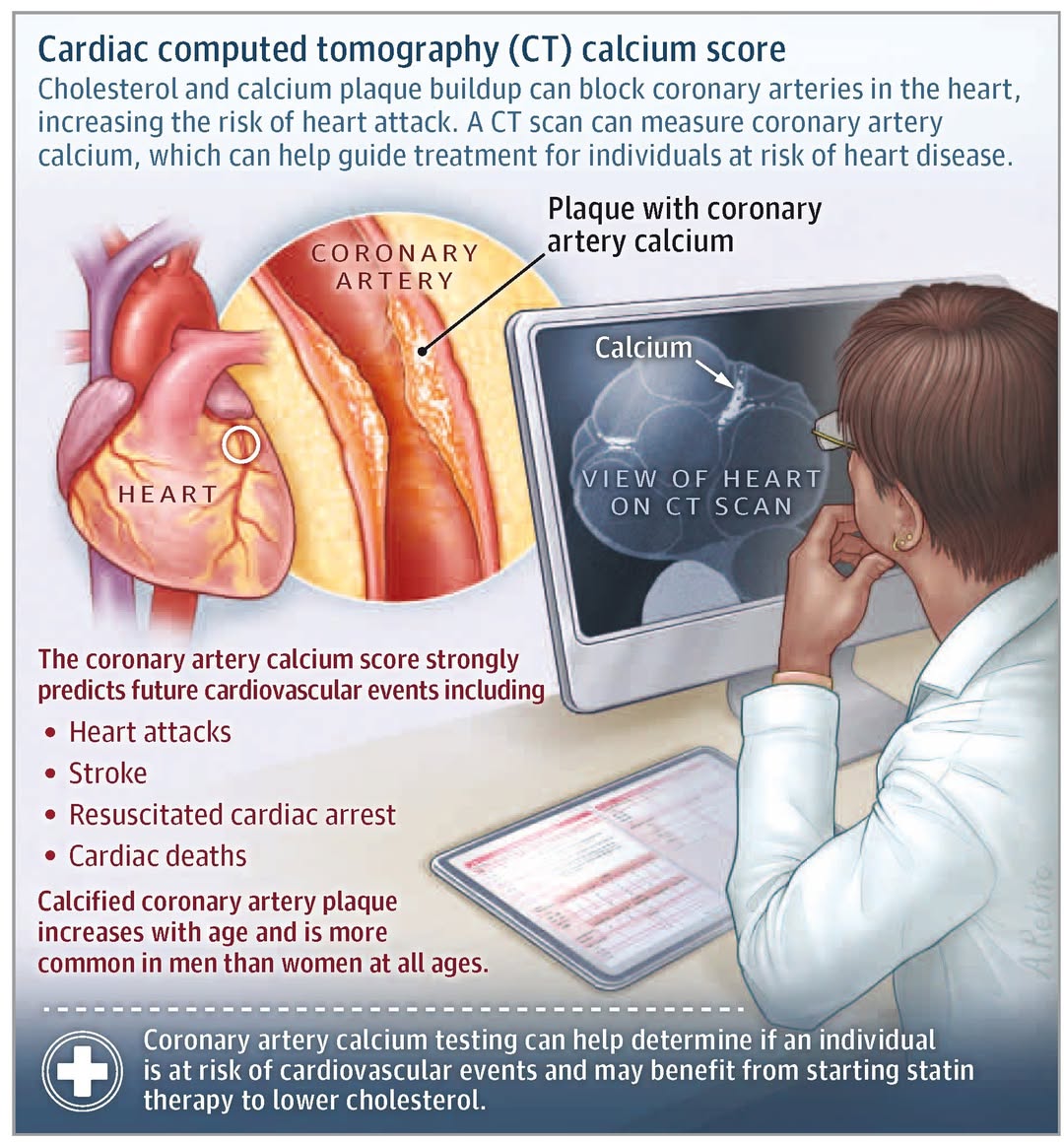
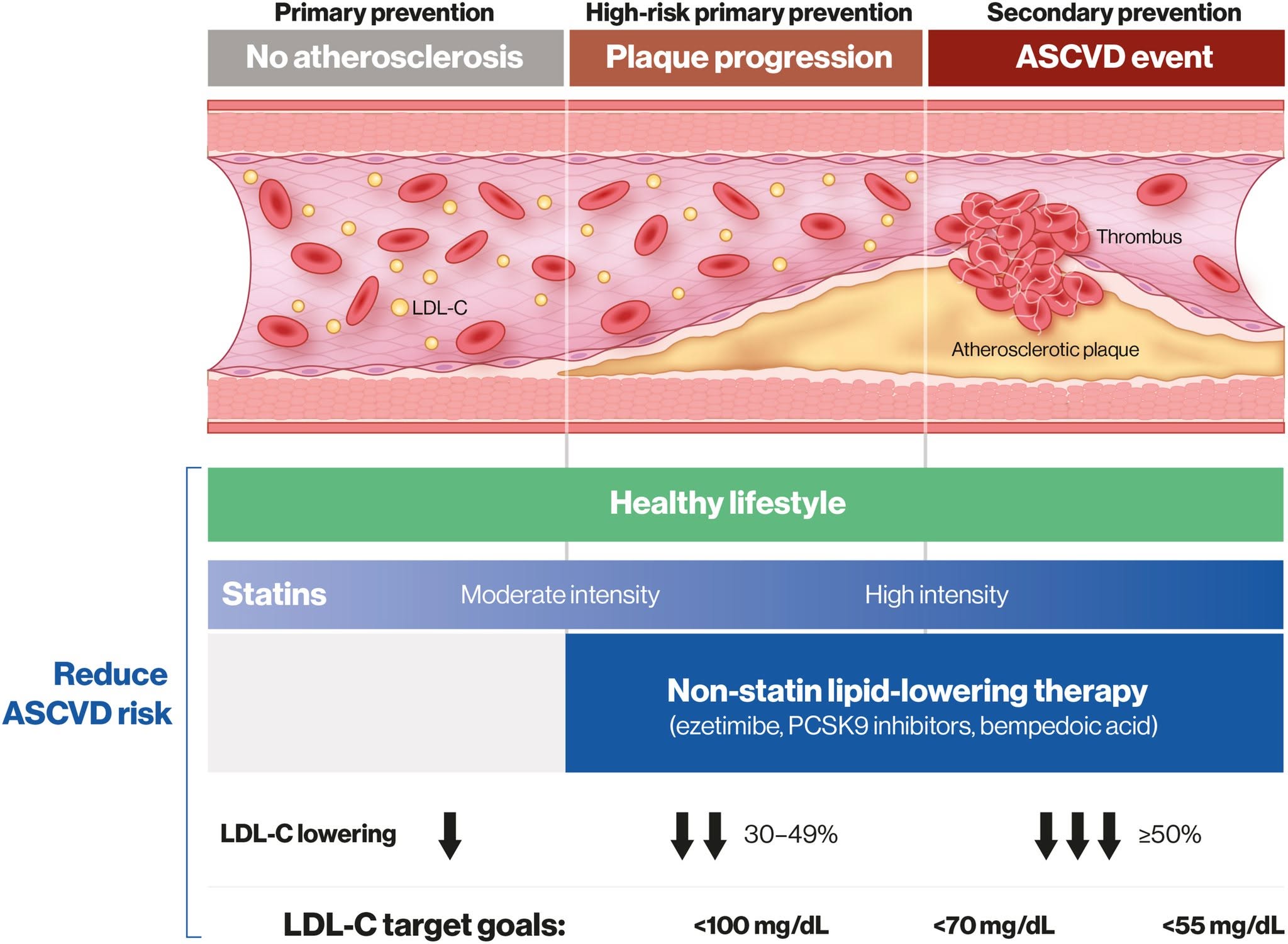
LDL cholesterol, often referred to as "bad cholesterol," is a primary driver of atherosclerosis—a condition where plaque builds up inside the arteries, leading to cardiovascular diseases such as heart attacks and strokes. The rationale behind LDL lowering is simple: reduce the amount of LDL in the bloodstream, and you reduce the risk of plaque buildup, improve the plaque stability and reduce subsequent cardiovascular events.
Over the past several decades, the FDA has approved around 16 drugs that effectively lower LDL levels. These include statins, ezetimibe, PCSK9 inhibitors, and more. Additionally, dietary interventions, such as reducing saturated fat intake, have also been shown to lower LDL cholesterol. The sheer number of approved drugs and successful dietary approaches underscores the robustness of LDL lowering as a strategy.
Statins, in particular, have been extensively studied and have consistently shown significant reductions in cardiovascular events. Ezetimibe, which works by reducing the absorption of cholesterol in the intestines, has also demonstrated benefits, especially when combined with statins. PCSK9 inhibitors, a newer class of drugs, have proven to be highly effective in lowering LDL levels and reducing cardiovascular risk in patients who are statin-intolerant or require additional LDL lowering.
What’s remarkable is that nearly all methods of lowering LDL cholesterol reduce cardiovascular events. This consistency across different approaches further strengthens the argument that lowering LDL is a fundamental strategy for reducing cardiovascular risk.
2. Slowing and Possibly Stopping Atherosclerotic Plaque Progression
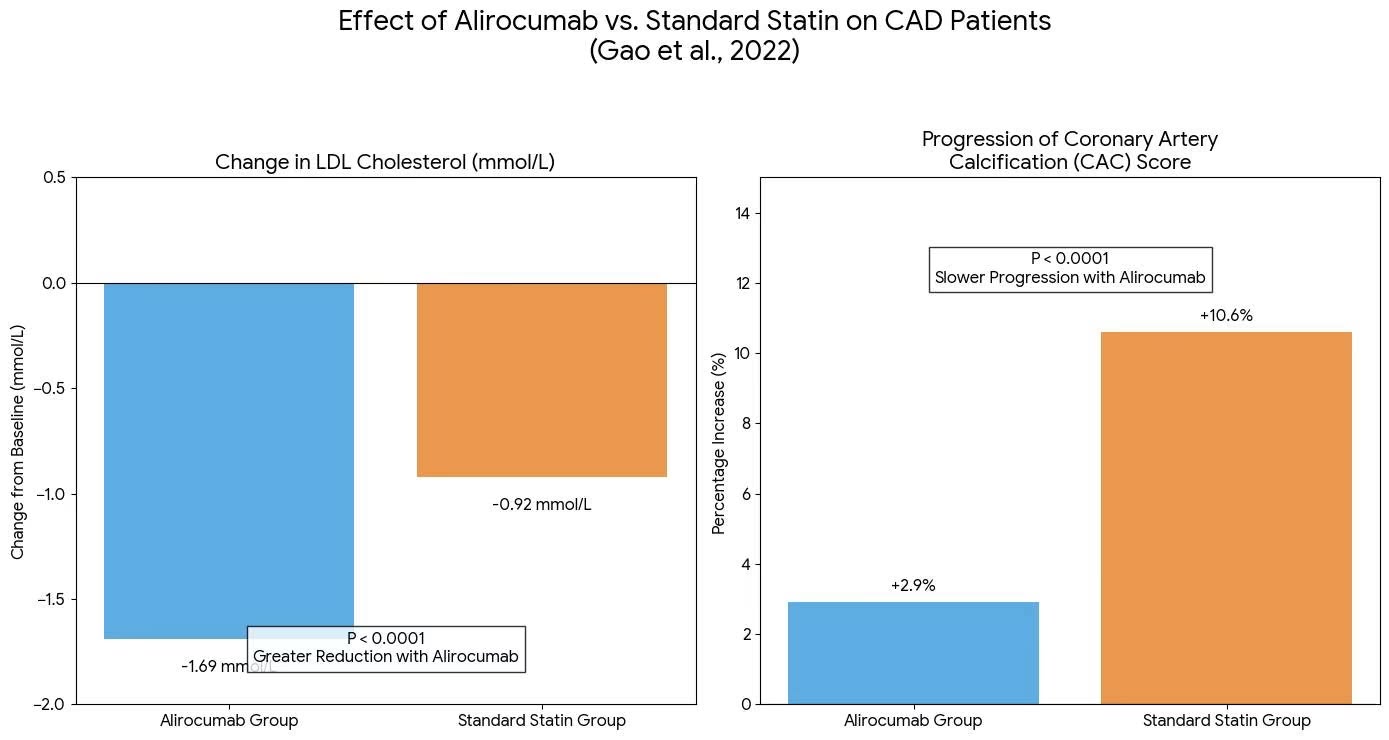
One of the most exciting developments in recent years is the evidence suggesting that high-dose statins, and combinations of statins with other drugs like ezetimibe or PCSK9 inhibitors, can slow and potentially stop the progression of atherosclerotic plaque.
Atherosclerosis, the buildup of plaques in the arteries, is the underlying cause of most cardiovascular diseases. Traditionally, it was thought that once plaque formed, it was there to stay. However, studies have shown that aggressive LDL lowering can not only slow the progression of plaque but, in some cases, even reduce the size of existing plaques. This has enormous implications for preventing heart attacks and strokes.
High-dose statins, in particular, have been shown to stabilize plaques, making them less likely to rupture and cause a heart attack. The addition of ezetimibe or PCSK9 inhibitors to statin therapy has been shown to further reduce LDL levels and provide additional protection against plaque progression. The ability to influence plaque development in such a profound way underscores the importance of LDL lowering in cardiovascular health.
3. LDL Lowering Leads to Better Outcomes in Various Health Conditions
Beyond cardiovascular disease, LDL lowering has shown benefits in a wide range of health conditions, including kidney disease, cancer, and dementia. This is because blood vessels play a critical role in delivering oxygen and nutrients to all organs in the body. When blood vessels are healthy, organs function better, and the risk of disease is reduced.
For example, in chronic kidney disease (CKD), cardiovascular disease is a leading cause of death. LDL lowering in CKD patients has been shown to reduce cardiovascular events and improve outcomes. Similarly, there is emerging evidence that lowering LDL cholesterol may reduce the risk of certain cancers, particularly those related to inflammation and oxidative stress.
Dementia, a condition characterized by cognitive decline, has also been linked to vascular health. Studies suggest that high LDL levels may contribute to the development of dementia by promoting atherosclerosis in the blood vessels that supply the brain. Therefore, LDL lowering may offer protection against cognitive decline by maintaining healthy blood flow to the brain.
While there are a few exceptions to the benefits of LDL lowering—such as a slightly increased risk of type 2 diabetes with statin use—the overall evidence overwhelmingly supports the positive impact of LDL lowering on health outcomes.
Addressing the Skepticism: Why Some People Still Doubt
Despite the substantial evidence in favor of LDL lowering, there are still pockets of skepticism. This skepticism may stem from a variety of factors, including outdated beliefs, misinformation, and conflicts of interest.
i) Lack of Awareness
One reason for skepticism is a lack of awareness of the latest research. The understanding of LDL cholesterol and its role in cardiovascular disease has evolved significantly over the past decade. People who are not up-to-date with the latest studies may still hold onto old beliefs that statins work primarily through anti-inflammatory effects rather than LDL lowering. However, as trial after trial has shown, the primary benefit of these drugs is their ability to lower LDL cholesterol, which directly reduces the risk of cardiovascular events.
ii) Conflicts of Interest
Another factor contributing to skepticism is conflicts of interest. In some cases, individuals or organizations may promote alternative viewpoints because they have something to gain, whether it be financial incentives, increased media attention, or a desire to differentiate themselves from mainstream medical advice. It is important to recognize that these alternative viewpoints are often not supported by rigorous scientific evidence.
The Role of Trusted Sources
Given the complexity of medical research and the potential for misinformation, it is crucial to rely on trusted sources for health advice. Organizations such as the American College of Cardiology (ACC) base their guidelines on a thorough review of the evidence and are reliable sources for information on cardiovascular health.
In contrast, platforms like the Joe Rogan Show, while entertaining and thought-provoking, are not designed to provide scientifically accurate health information. The show often features guests with alternative viewpoints that may not be supported by evidence. While it’s important to consider different perspectives, it’s equally important to recognize that not all sources of information are created equal. For your own benefit, it is wise to prioritize information from trusted medical professionals and organizations.
Conclusion
The evidence supporting LDL lowering is robust and convincing. From slowing the progression of atherosclerotic plaque to improving outcomes in a wide range of health conditions, lowering LDL cholesterol is a critical strategy for promoting cardiovascular health and overall well-being. While skepticism about statins and other LDL-lowering approaches may have been warranted in the past, the weight of evidence today leaves little doubt about their effectiveness.
For anyone seeking to reduce their risk of cardiovascular disease and improve their health, the message is clear: listen to trusted sources, stay informed about the latest research, and be cautious of alternative viewpoints that are not backed by solid evidence. Your health is too important to leave to chance, and LDL lowering is a proven strategy for protecting it.
(I wrote this post initially, and asked gpt4o AI to edit it. Happy to share any references or dig into the literature together if there are any questions or lingering concerns.)