Pomegranate for Heart Health
Pomegranate, particularly in the form of pomegranate juice (PJ), has demonstrated significant potential in the prevention and management of cardiovascular disease (CVD). This is largely attributed to its rich content of polyphenols, including ellagitannins, punicalagins, and anthocyanins, which possess potent antioxidant, anti-inflammatory, and anti-atherogenic properties.
Effects on Heart Disease and CVD Prevention:
- Reduction in Carotid Intima-Media Thickness (CIMT):
- Study: "Pomegranate for Your Cardiovascular Health" (2013)
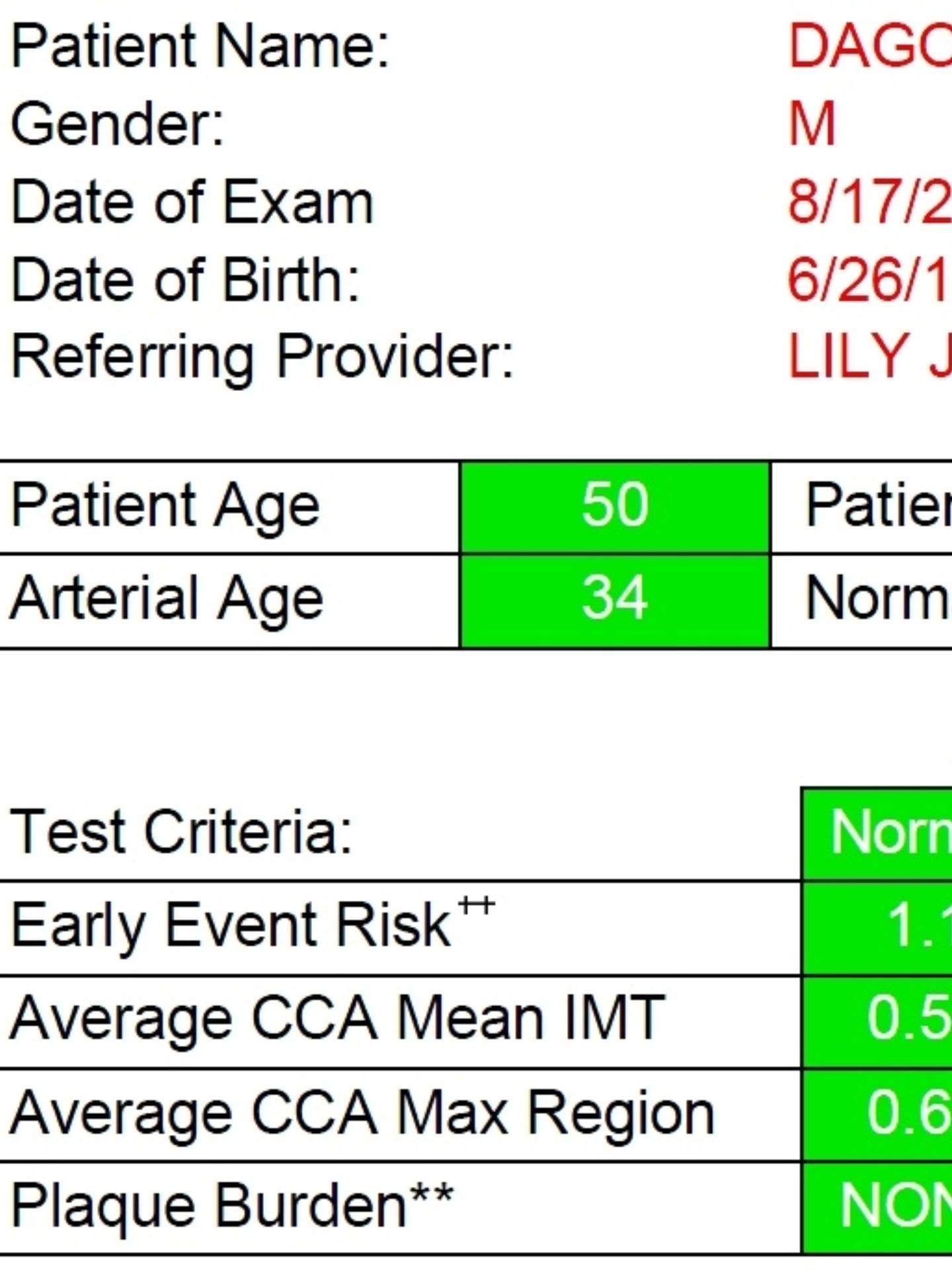
- Results: In a study involving patients with carotid artery stenosis (CAS), consumption of PJ for up to one year resulted in a significant reduction in CIMT by up to 35%. In contrast, the control group (no PJ) experienced a 10% increase in CIMT over the same period. The mean CIMT reduction was gradual, with 13%, 22%, 26%, and 35% decreases observed after 3, 6, 9, and 12 months of PJ consumption, respectively.
- Mechanism: Reduced CIMT indicates a decrease in the thickness of the arterial wall, suggesting a reduction in atherosclerosis progression.
- Improved Blood Pressure:
- Study: "Effects of pomegranate juice on blood pressure: A systematic review and meta-analysis of randomized controlled trials" (2017)
- Results: A meta-analysis of 8 randomized controlled trials (RCTs) showed that PJ consumption significantly reduced both systolic blood pressure (SBP) by an average of 4.96 mmHg and diastolic blood pressure (DBP) by 2.01 mmHg. The effects on SBP were consistent regardless of the duration or dose of PJ consumption. Doses greater than 240cc had a borderline significant effect on reducing DBP.
- Study: "Pomegranate for Your Cardiovascular Health" (2013)
- Results:
- Hypertensive patients consuming 50 mL/day of PJ for two weeks showed a 5% reduction in SBP and a 36% decrease in serum angiotensin-converting enzyme (ACE) activity.
- CAS patients showed reductions in SBP of 7%, 11%, 10%, 10%, and 12% after 1, 3, 6, 9, and 12 months of PJ consumption, respectively.
- Healthy participants consuming 330 mL/day of PJ for four weeks had significant decreases in SBP (-3.14 mmHg), DBP (-2.33 mmHg), and mean arterial pressure (-2.60 mmHg).
- Inhibition of Serum Lipid Peroxidation:
- Study: "Pomegranate for Your Cardiovascular Health" (2013)
- Results:
- Healthy subjects consuming 50 mL/day of PJ concentrate for two weeks experienced a 16% decrease in susceptibility to free radical-induced lipid peroxidation.
- Supplementation with 20 mL of PJ concentrate/day for one week significantly decreased plasma lipid peroxidation by 11%.
- Supplementation with 50 mL PJ concentrate/day for an additional week resulted in a further 21% decrease in plasma lipid peroxidation.
- CAS patients had significant reductions in serum oxidative status, with antibodies against oxidized LDL (Ox-LDL) decreasing by 24% and 19% after one and three months of PJ consumption, respectively. Total antioxidant status (TAS) in serum increased 2.3-fold after 12 months, and susceptibility of serum to oxidation decreased by up to 62% after 12 months.
- Type 2 diabetes patients consuming 50 mL/day of PJ for three months reduced basal serum thiobarbituric acid reactive substances (TBARS) levels by 28%.
- Mechanism: Reduced lipid peroxidation indicates a decrease in oxidative stress, a key factor in the development of atherosclerosis.
- Stimulatory Effect on Serum Paraoxonase 1 (PON1):
- Study: "Pomegranate for Your Cardiovascular Health" (2013)
- Results:
- Healthy subjects showed an 18% increase in serum PON1 activity after two weeks of PJ consumption.
- CAS patients showed increases in serum PON1 arylesterase activity of 11%, 42%, 49%, and 83% after 3, 6, 9, and 12 months of PJ consumption, respectively.
- Type 2 diabetes patients had a 12% increase in PON1 activity after three months of PJ consumption.
- Mechanism: PON1 is an enzyme associated with HDL ("good" cholesterol) that has antioxidant and anti-atherogenic properties. Increased PON1 activity contributes to protection against atherosclerosis.
- Inhibitory Effect on Macrophage Atherogenicity:
- Study: "Pomegranate for Your Cardiovascular Health" (2013)
- Results:
- Human monocyte-derived macrophages (HMDM) from type 2 diabetes patients consuming PJ for three months produced less reactive oxygen species (ROS) compared to before PJ consumption.
- Ox-LDL uptake by HMDM was significantly reduced by 36%.
- Mechanism: Macrophages play a crucial role in early atherogenesis. Reduced ROS production and Ox-LDL uptake by macrophages indicate a decrease in their contribution to atherosclerosis development.
What a Patient Should Do:
Based on the evidence, patients looking to improve their cardiovascular health or prevent CVD can consider incorporating pomegranate, particularly in the form of juice, into their diet.
- Consume Pomegranate Juice: Consider for a daily intake of around 240 mL (about 8 ounces) of 100% pomegranate juice or 50mL for BP and other benefits. This dosage has been shown to provide significant benefits in multiple studies. It is essential to choose pure pomegranate juice without added sugars or other additives.
- Consider Pomegranate Extract: If consuming juice is not feasible---too much sugar, pomegranate extract supplements standardized to contain a high percentage of ellagitannins can be an alternative.
- Combine with a Heart-Healthy Diet: Pomegranate consumption should be part of a broader dietary approach that includes:
- A diet rich in fruits, vegetables, whole grains, and lean proteins.
- Limited intake of saturated and trans fats, cholesterol, sodium, and added sugars.
- Regular physical activity.
- Monitor Blood Pressure and Lipid Profile: Regular check-ups with a healthcare provider are important to monitor blood pressure, cholesterol levels, and other CVD risk factors.
- Consult with a Healthcare Provider: Before making significant dietary changes, especially if you have existing health conditions or are taking medications, it is crucial to consult with a healthcare provider.
Specific Recommendations based on Studies:
- For patients with carotid artery stenosis (CAS) or those at high risk of atherosclerosis, regular consumption of pomegranate juice has shown significant benefits in reducing CIMT and improving other cardiovascular markers.
- For hypertensive patients, pomegranate juice can be a valuable addition to a blood pressure management plan, potentially reducing the need for or dosage of antihypertensive medications.
- For individuals with high oxidative stress or lipid disturbances, pomegranate juice can help reduce oxidative stress markers and improve lipid profiles.
Important Considerations:
- Bioavailability: The bioavailability of pomegranate polyphenols can vary among individuals due to differences in gut microbiota composition. Some individuals may convert ellagitannins into urolithins more efficiently than others, potentially leading to greater benefits.
- Sugar Content: While pomegranate juice offers numerous health benefits, it does contain natural sugars. Individuals with diabetes or those monitoring their sugar intake should consume it in moderation and consider its impact on their overall diet.
- Medication Interactions: Pomegranate juice may interact with certain medications, such as those metabolized by the liver's cytochrome P450 enzymes. It is essential to discuss pomegranate consumption with a healthcare provider if taking any medications.
In conclusion, the consumption of pomegranate, particularly in the form of juice, presents a promising dietary strategy for improving cardiovascular health and reducing the risk of CVD. The evidence from various studies demonstrates its positive effects on CIMT, blood pressure, lipid profiles, oxidative stress, and other key cardiovascular markers. By incorporating pomegranate into a heart-healthy lifestyle, individuals can potentially enhance their cardiovascular well-being and reduce their risk of developing CVD.