(no text — see the shared post below)
An old post from the rapamycin group that people here might find interesting…
mTOR controls autophagy
——-
David Sabatini briefly explains how diet and nutrition affect mTOR. This is the clearest and most accurate video that I have ever seen on this subject.
Inhibiting this mTOR pathway activates autophagy and extends lifespan in nearly every animal species tested so far— including rodents and primates (marmosets).
Sabatini first discovered the mTOR pathway in mammals at MIT, and first showed that rapamycin inhibits it. He has spent his entire professional career working on mTOR, and has made many other major contributions (e.g. first discovering that mTOR exists as two protein complexes, mTORC1 and mTORC2). If a Nobel prize in medicine is eventually awarded for mTOR, then Sabatini is widely considered to be a likely recipient.
Here are my notes on key points:
Note that Sabatini says multiple times during the interview that the relationship between nutrition and mTOR is a very complicated subject, and no one has all the answers yet— his answers are what he personally thinks is probably true.
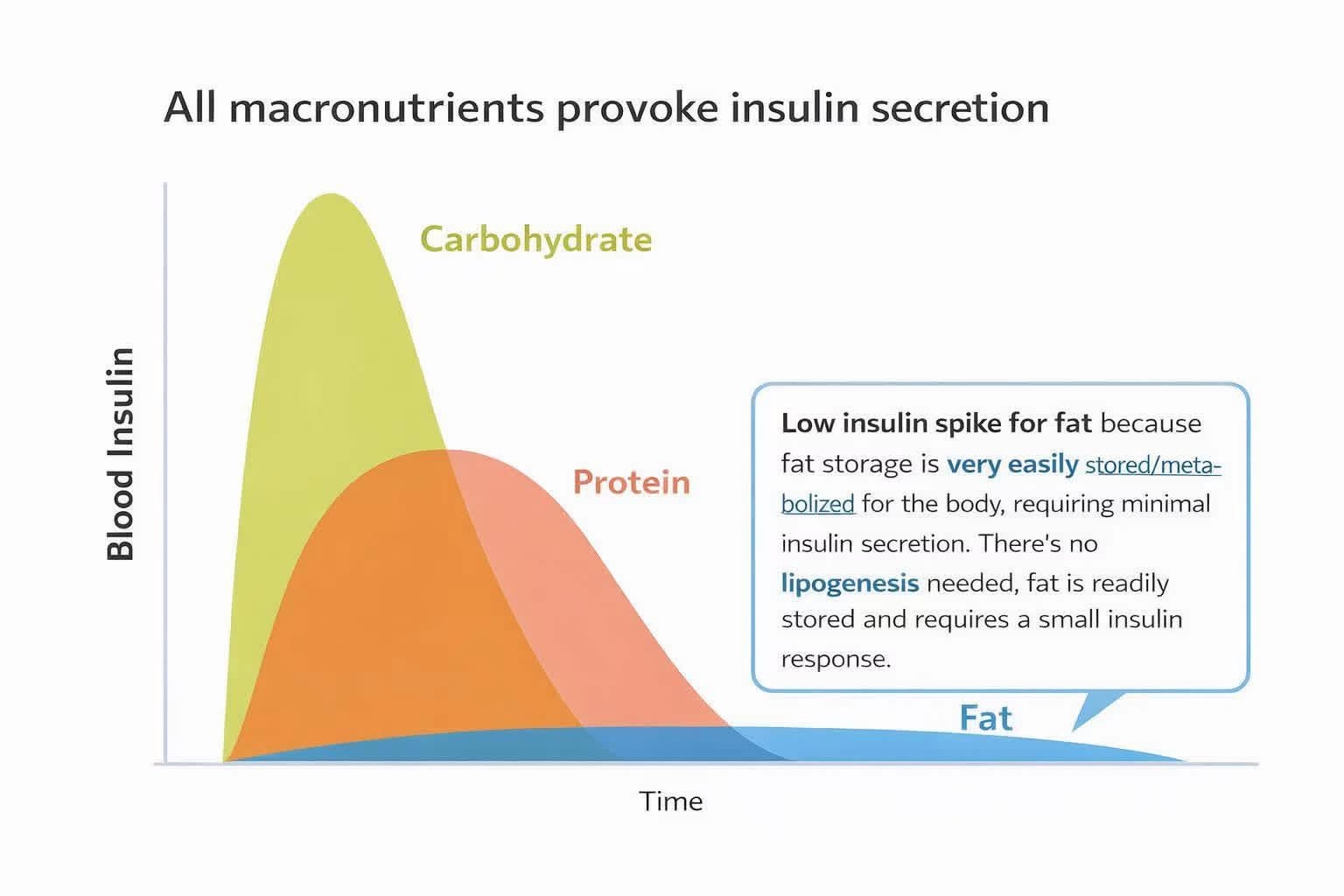
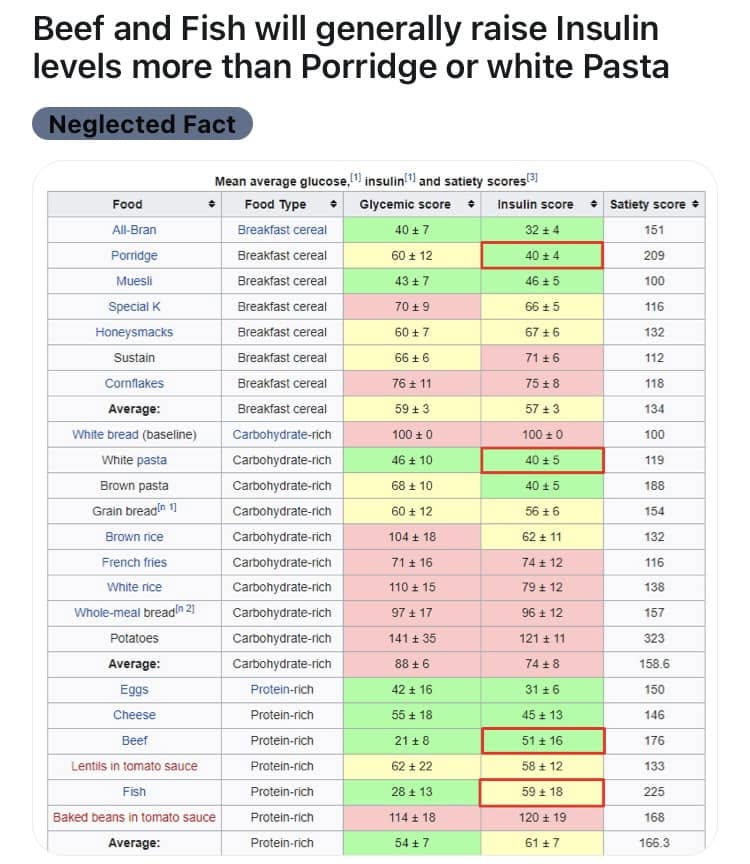
- (1:55) The two best ways to lower mTOR with diet are to control the amount of mTOR-activating amino acids we consume and the amount of insulin we produce. Low amino acid and low carbohydrate diets will both keep mTOR low in most tissues (and activate autophagy). Both work, either independently or in combination.
- (3:05) His opinion is that the best diet to lower mTOR is probably a higher carbohydrate diet composed of primarily lower glycemic index carbohydrate (he gives the examples of vegetables and intact whole grains which take a longer time to digest). This keeps both amino acids and insulin low at the same time. He worries about high [saturated] fat diets because of an increased risk for atherosclerosis.
- (4:00) mTORC1 probably senses the area under the curve for insulin. So it’s not necessarily the insulin spikes that matter, but rather the total amount of insulin produced over the course of the day. The more total insulin produced in a day, the higher the levels of mTORC1 will be.
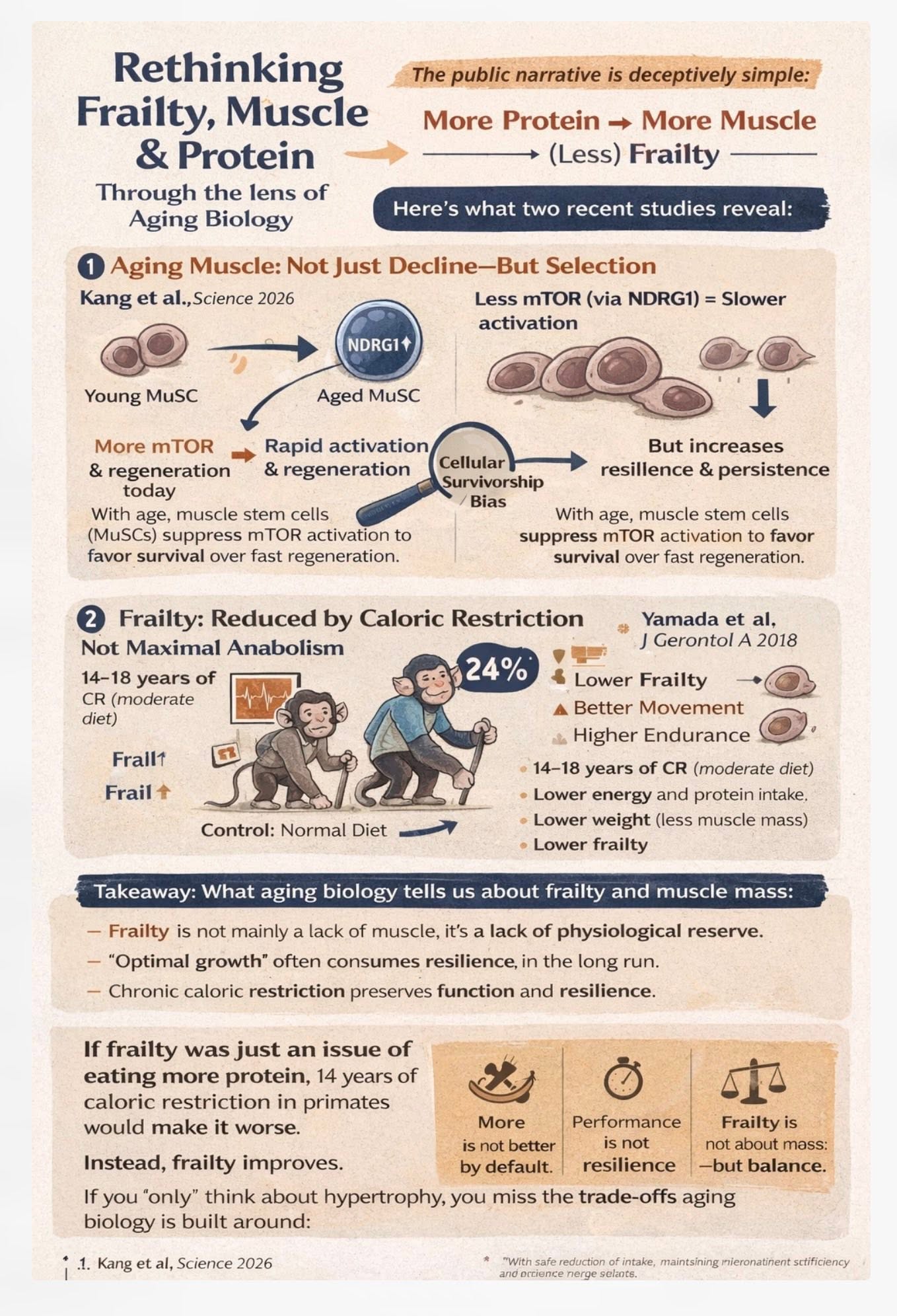
- (4:35) A little more protein is probably good for muscle health of older people.
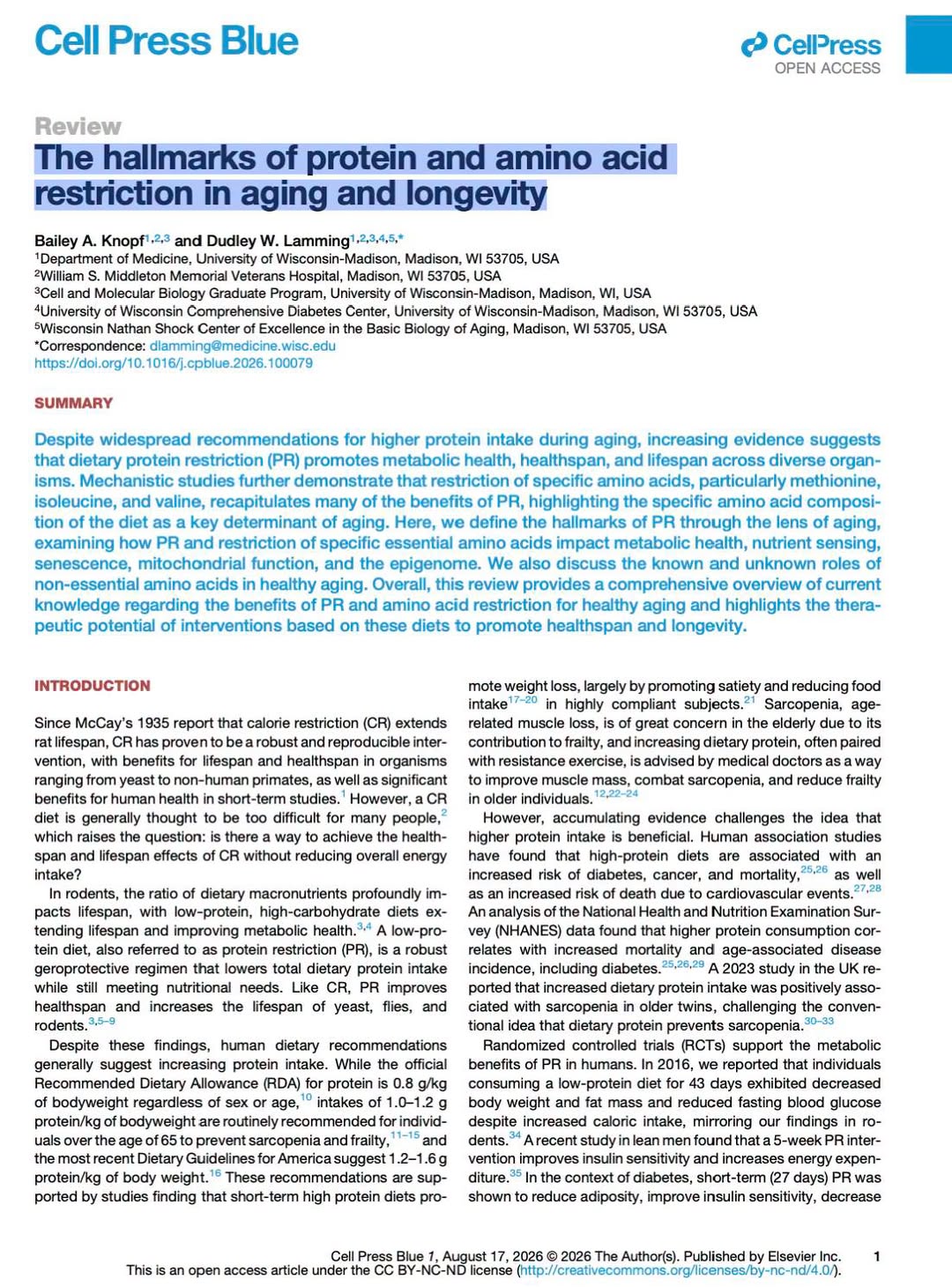
- (6:00). Low [animal] protein diets are associated with longevity. (His caveat is that this depends on where you are in the life cycle. He is not advocating low protein diets for old people.)
- (6:20) Fasting may be the easiest way to inhibit mTORC1. His best guess is that 18 hours of fasting is good enough to inhibit mTORC1 and promote autophagy. In mice, it is much less (only a couple hours).
- (7:20) He thinks fasting and CR probably both act on mTOR in similar ways. He thinks the area under the mTOR curves is probably the same for both. (The CR curve lowers mTOR a little bit, but for a long time. The fasting curve lowers mTOR a lot, but for a shorter time. The area under both curves is approximately the same.) He thinks that total area under the curve is the best way to think about how various interventions affect mTOR.
- (8:40) It’s much easier to do intermittent fasting than CR. He is more a fan of intermittent fasting for this reason.
- (9:15) He thinks autophagy starts to ramp up somewhere between 12 to 18 hours after beginning a fast, and this depends on a lot of different variables.
- (10:00) Autophagy is not an on/off switch. It is a dimmer switch. You always have some level of basal autophagy. The longer you fast, the more you ramp it up (the more you turn the dimmer switch).
- (10:20) Autophagy can be activated in only a matter of minutes after mTORC1 is inhibited. They see this in their in vitro experiments with cell cultures. You probably only need autophagy activated for a couple hours for it to do its job in vivo. An 18 hour fast probably activates autophagy for a couple of hours, at a high enough level to derive benefits.
- (11:30) When you restrict protein, you start breaking down muscle and liver to release protein through autophagy. (This is not a bad thing. Autophagy is good for you, if not taken to extreme.)
- (12:30) The strongest amino acid activators of mTORC1 are leucine, arginine, methionine, lysine, in that order. It seems that mTORC1 evolved to sense these particular amino acids, especially leucine. [These mTOR-activating amino acids are a lot more prevalent in animal protein than in plant protein.]
#mtorHD #davidsabatiniHD #leucineHD #arginineHD #methionineHD #lysineHD #bcaasHD #rapamycinHD #autophagyHD #aminoacidsHD #insulinHD #glycemicindexHD #insulinindexHD #agingHD #longevityHD #proteinHD #muscleHD #carbohydrateHD #fatHD #wholegrainsHD #vegetablesHD #fastingHD #calorierestrictionHD