I exercise regularly. I pay attention to my diet. I wear a continuous glucose monitor.
Yet as I approached 70, I noticed a gradual rise in my glucose levels despite doing many of the things we traditionally recommend.
So I decided to experiment with a GLP-1 receptor agonist.
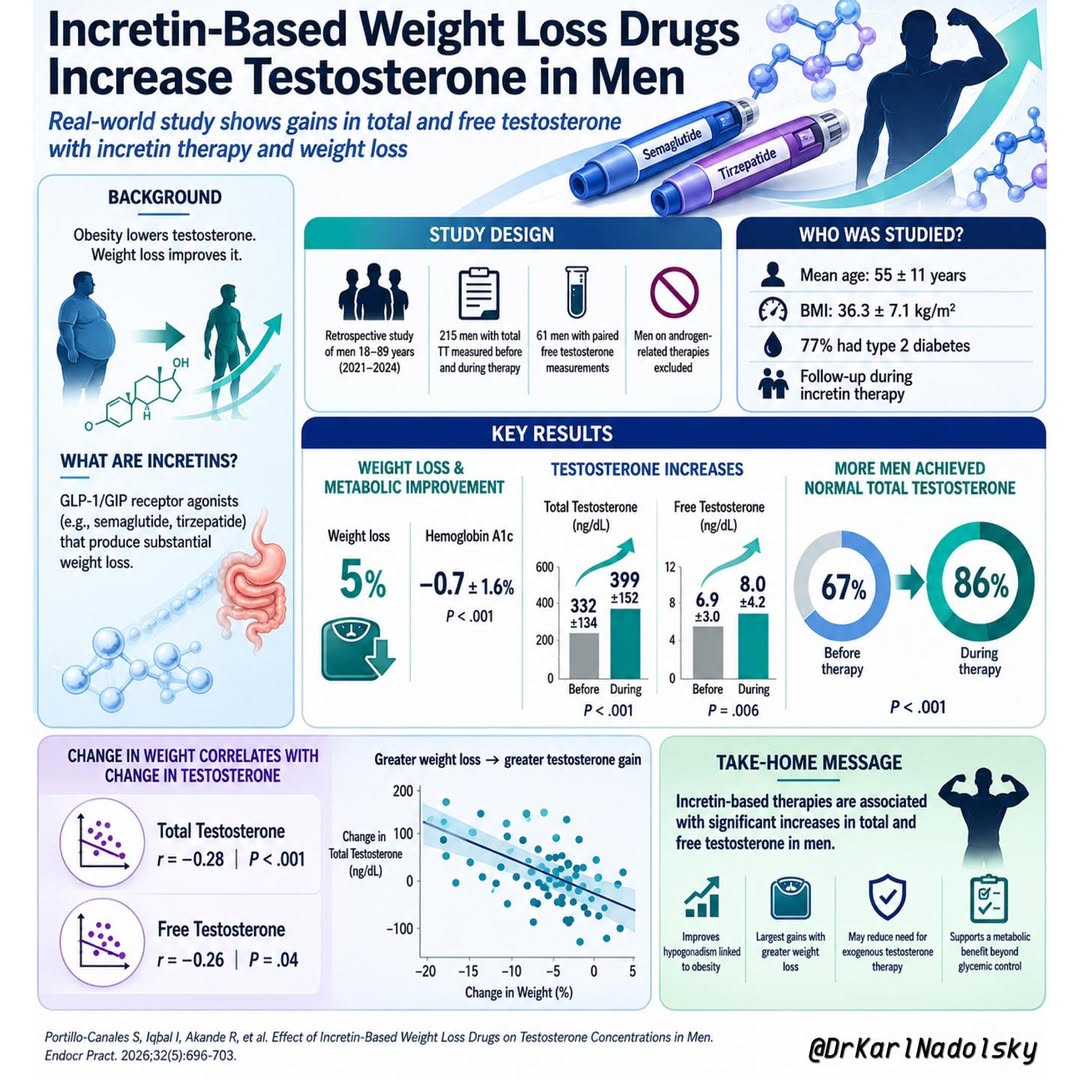
Weight loss was never my primary goal. What interested me was metabolic health. In my case, the effects on glucose control and insulin sensitivity were measurable.
But biology is rarely free of trade-offs.
At higher doses, I experienced something that clinicians describe as anhedonia—a reduced sense of pleasure. Food became less interesting. More importantly, parts of daily life felt less rewarding. I have since heard similar reports from others.
For some people, that may be an acceptable trade-off. For others, it may not.
I ultimately settled on a much lower dose. Enough to improve metabolic markers. Low enough to still feel like myself.
Why am I interested in this class of drugs beyond weight loss?
Because multiple lines of evidence continue to point toward glucose and insulin regulation as important pathways in aging biology. Discoveries from model organisms, findings from the NIH Interventions Testing Program, and more recent human studies all suggest that metabolic health influences far more than body weight.
Today, GLP-1 therapies have demonstrated cardiovascular benefits, kidney protection, and reductions in several markers of inflammation. There are also intriguing signals in other areas, including cancer risk, although those questions remain far from settled.
We should be careful not to overstate what we know.
No study has yet shown that GLP-1 drugs extend human lifespan. But the emerging data are compelling enough to deserve serious attention.
Would I recommend them to everyone? No.
But for individuals whose metabolic health continues to decline despite strong lifestyle habits, these therapies may be worth discussing with an experienced physician.
Measure before you start. Measure again after. Let the data guide the decision.
That is what personalized longevity medicine looks like in practice.