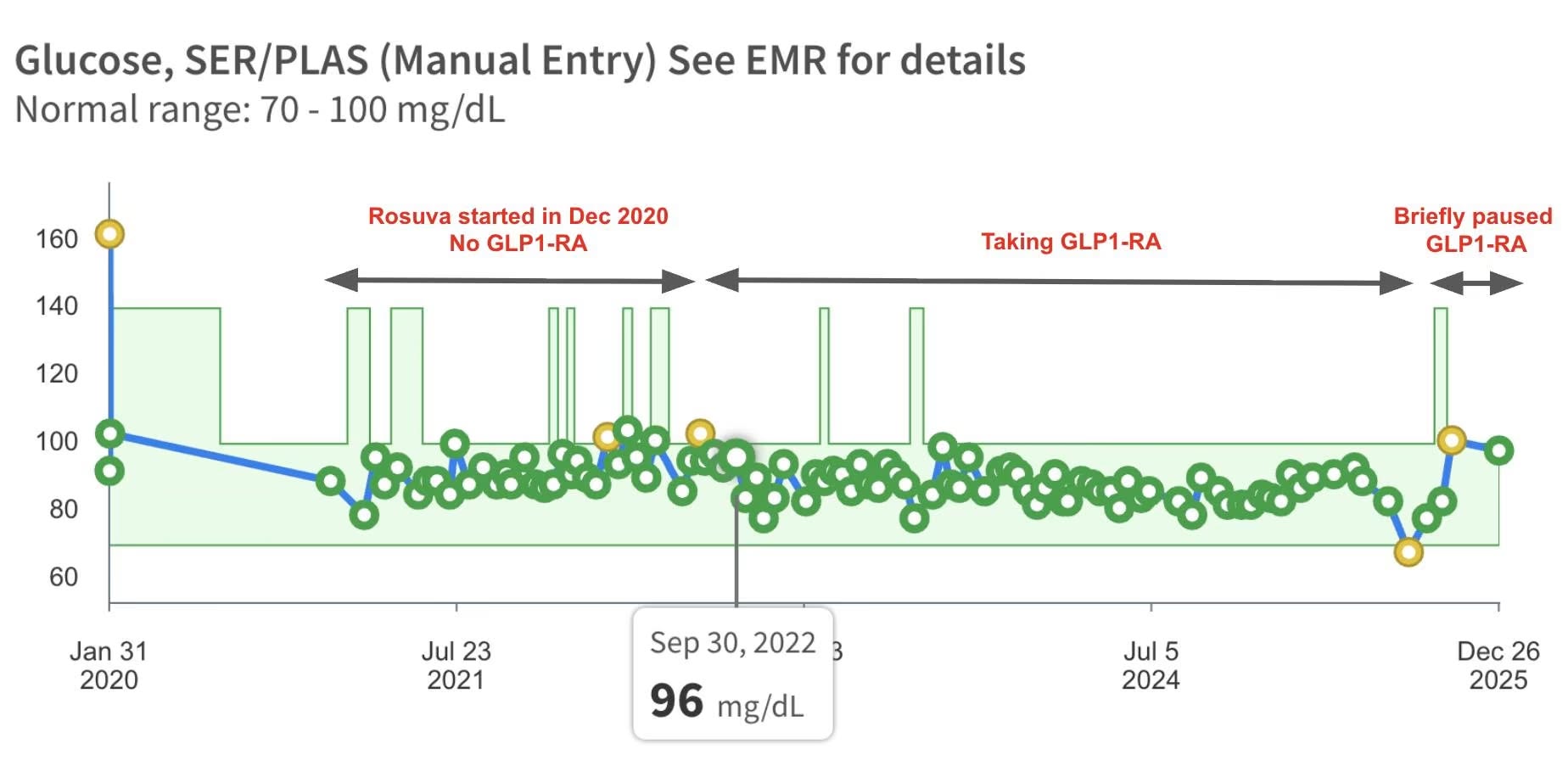
Minimizing Type 2 Diabetes Risk While being on LDL Lowering Drugs
1. Executive Summary: The Clinical Paradox
The pharmacological management of dyslipidemia faces a modern "syndemic"—the synergistic epidemics of atherosclerotic cardiovascular disease (ASCVD) and type 2 diabetes mellitus (T2D). While statins remain the cornerstone of preventive cardiology, significantly reducing cardiovascular mortality, they present a clinical paradox: the very agents used to protect the vasculature may modestly increase the risk of developing diabetes.
Current evidence establishes that statin therapy is associated with a dose-dependent increase in new-onset diabetes, particularly in patients with pre-existing metabolic risk factors. However, the cardiovascular benefits of statins—specifically the reduction of myocardial infarction and stroke—unequivocally outweigh this metabolic risk. The modern clinical challenge is to move toward "metabolic precision medicine," utilizing non-statin agents (ezetimibe, PCSK9 inhibitors) and specific statin types (pitavastatin) to aggressively lower LDL-C while minimizing glycemic harm.
2. Statin-Associated New-Onset Diabetes (NOD)
2.1 Epidemiology and Quantification of Risk
The link between statins and dysglycemia was firmly established by the JUPITER trial (2008). While high-intensity rosuvastatin reduced major cardiovascular events by 44%, it was associated with a 26–27% increase in physician-reported diabetes compared to placebo. Subsequent meta-analyses have clarified the magnitude of this risk:
- Global Incidence: A meta-analysis of 13 randomized controlled trials (RCTs) involving over 91,000 participants established a 9% increased relative risk (OR 1.09) of incident diabetes with standard statin therapy.
- Dose-Dependency: The risk is directly proportional to potency. Intensive-dose therapy (e.g., atorvastatin 80 mg) carries a 12% higher risk of NOD compared to moderate-dose therapy.
- Number Needed to Harm (NNH): The absolute risk is modest. Approximately 255 patients need to be treated with a statin for four years to cause one excess case of diabetes. In contrast, treating the same number prevents approximately 5–9 major cardiovascular events (Number Needed to Treat [NNT] ≈ 30–50).
2.2 The "Metabolic Cliff"
Statin-induced diabetes is not a random adverse event; it is predictable. The risk is concentrated in individuals already teetering on a "metabolic cliff." Post-hoc analyses of the JUPITER and TNT trials reveal that excess diabetes cases occur almost exclusively in patients with baseline risk factors, including:
- Impaired Fasting Glucose (IFG): 100–125 mg/dL.
- Obesity: BMI > 30 kg/m².
- Metabolic Syndrome: Elevated triglycerides or hypertension.
- HbA1c: > 6%.
In patients with normal glycemic markers and body weight, the risk of developing diabetes on statin therapy is negligible. Thus, statins likely accelerate the diagnosis in predisposed individuals by weeks or months rather than inducing de novo pathology in healthy subjects.
2.3 Molecular Mechanisms of Diabetogenicity
The biological plausibility of statin-induced diabetes rests on two primary mechanisms: beta-cell dysfunction and peripheral insulin resistance.
- Impaired Insulin Secretion: Statins inhibit HMG-CoA reductase, blocking the mevalonate pathway. This depletes isoprenoids (FPP and GGPP) required for the prenylation of GTPases, which are essential for insulin granule exocytosis. Furthermore, statins may directly inhibit L-type calcium channels in beta-cells, mimicking the effect of calcium channel blockers and reducing insulin release.
- Cellular Lipotoxicity: By upregulating LDL receptors (LDLR) on beta-cells, statins increase cholesterol uptake into the pancreas. This accumulation leads to oxidative stress and mitochondrial dysfunction (lipotoxicity).
- Peripheral Resistance: In adipose and muscle tissue, lipophilic statins inhibit the translocation of GLUT4 glucose transporters to the cell membrane, reducing glucose uptake.
2.4 The Statin Hierarchy
Not all statins carry equal risk. A clear hierarchy exists based on lipophilicity and potency:
- High Risk (Lipophilic/Potent): Atorvastatin and Rosuvastatin are associated with the highest risk of NOD. Rosuvastatin, despite being hydrophilic, exhibits high risk due to its extreme potency and LDLR upregulation.
- Moderate Risk: Simvastatin shows a dose-dependent risk profile.
- Neutral/Protective (The Safety Tier):
- Pravastatin: Hydrophilic and less potent, it showed a 30% reduction in diabetes risk in the WOSCOPS trial.
- Pitavastatin: A unique lipophilic statin that appears metabolically protective. In the J-PREDICT study, it reduced the conversion of pre-diabetes to diabetes. Meta-analyses suggest pitavastatin users have a 28–31% lower risk of diabetes compared to those on atorvastatin or rosuvastatin.
3. The Role of Non-Statin Therapies
To resolve the conflict between lipid goals and glycemic safety, clinicians can utilize non-statin agents that effectively lower LDL-C without diabetogenic toxicity.
3.1 Ezetimibe: The Metabolic Neutralizer
Ezetimibe inhibits intestinal cholesterol absorption via the NPC1L1 protein. Because it does not enter peripheral tissues or inhibit intracellular isoprenoid synthesis, it is metabolically benign.
- IMPROVE-IT Trial: Adding ezetimibe to simvastatin lowered LDL-C by an additional 24% but resulted in no increase in new-onset diabetes (HR 1.04, p=0.50) compared to simvastatin alone.
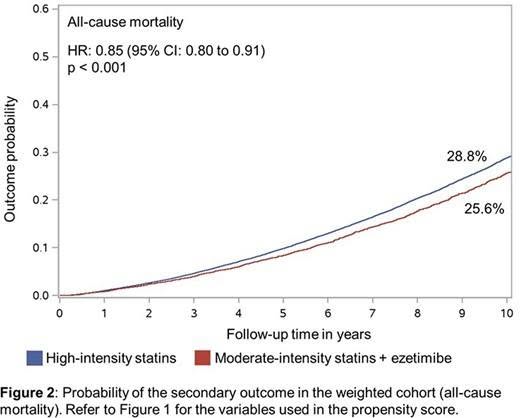
- Clinical Utility: Ezetimibe allows for a "statin-sparing" strategy. Using a moderate-dose statin plus ezetimibe achieves the same LDL reduction as a high-dose statin but with significantly less metabolic toxicity. Real-world data indicates this combination reduces diabetes incidence by 16% relative to high-intensity statin monotherapy.
3.2 PCSK9 Inhibitors: Decoupling Potency from Toxicity
PCSK9 inhibitors (evolocumab, alirocumab) offer profound LDL-C reductions (50–60%) and resolve the genetic paradox where low LDL variants are linked to diabetes.
- Clinical Evidence: In the landmark FOURIER (evolocumab) and ODYSSEY OUTCOMES (alirocumab) trials, there was no significant increase in new-onset diabetes or worsening of glycemia, even in patients with pre-diabetes.
- Mechanism: These agents act on the LDL receptor recycling pathway in the liver and do not affect pancreatic beta-cell function or insulin sensitivity in peripheral tissues.
3.3 Bempedoic Acid
A newer agent, bempedoic acid, targets ATP citrate lyase. In the CLEAR Outcomes trial, it demonstrated a favorable metabolic profile, with no increase in HbA1c or incident diabetes, making it a viable option for statin-intolerant patients.
4. Integrated Clinical Mitigation Strategies
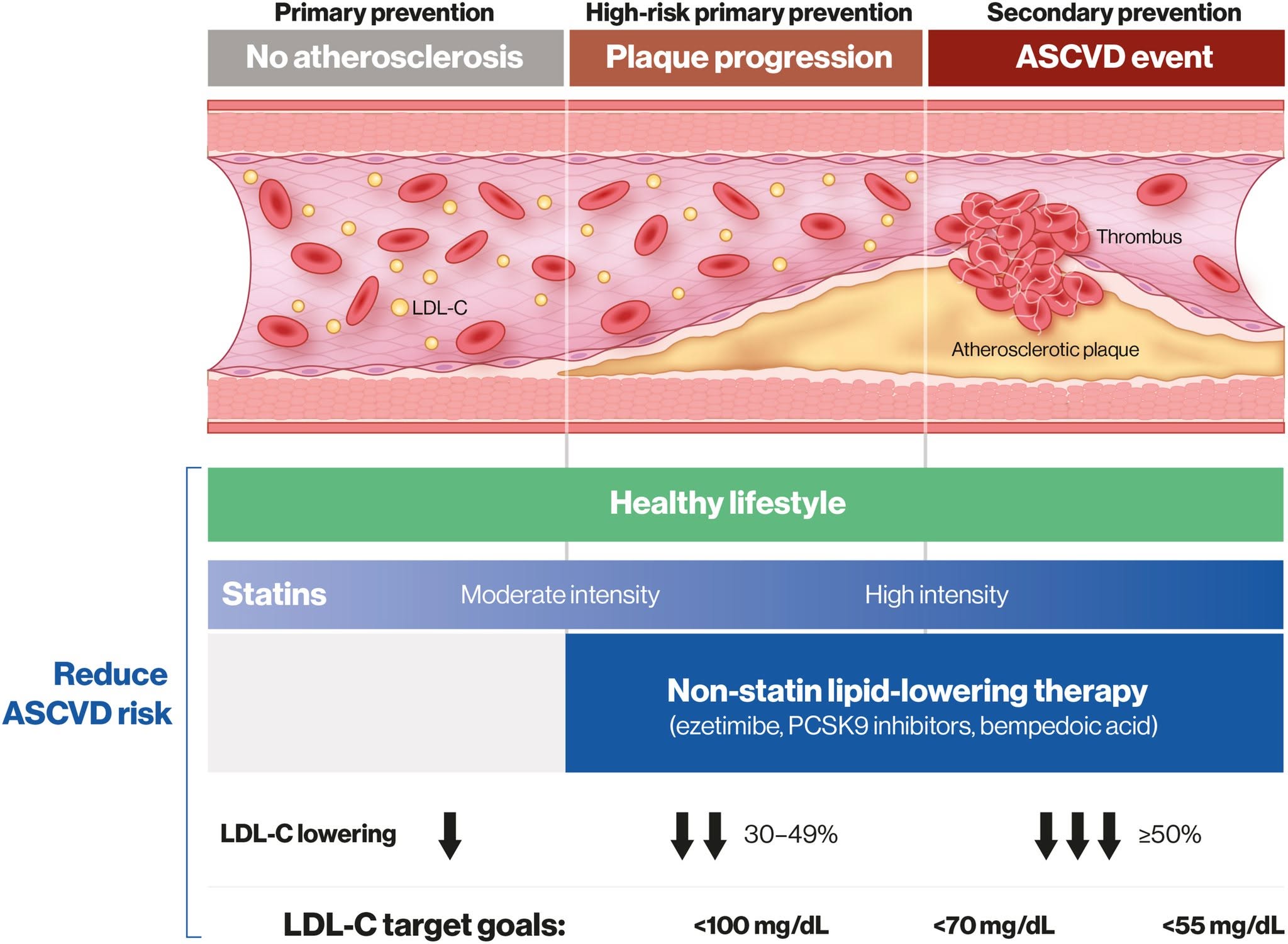
Current guidelines emphasize that diabetes risk should not deter lipid-lowering therapy. Instead, a proactive mitigation strategy should be employed.
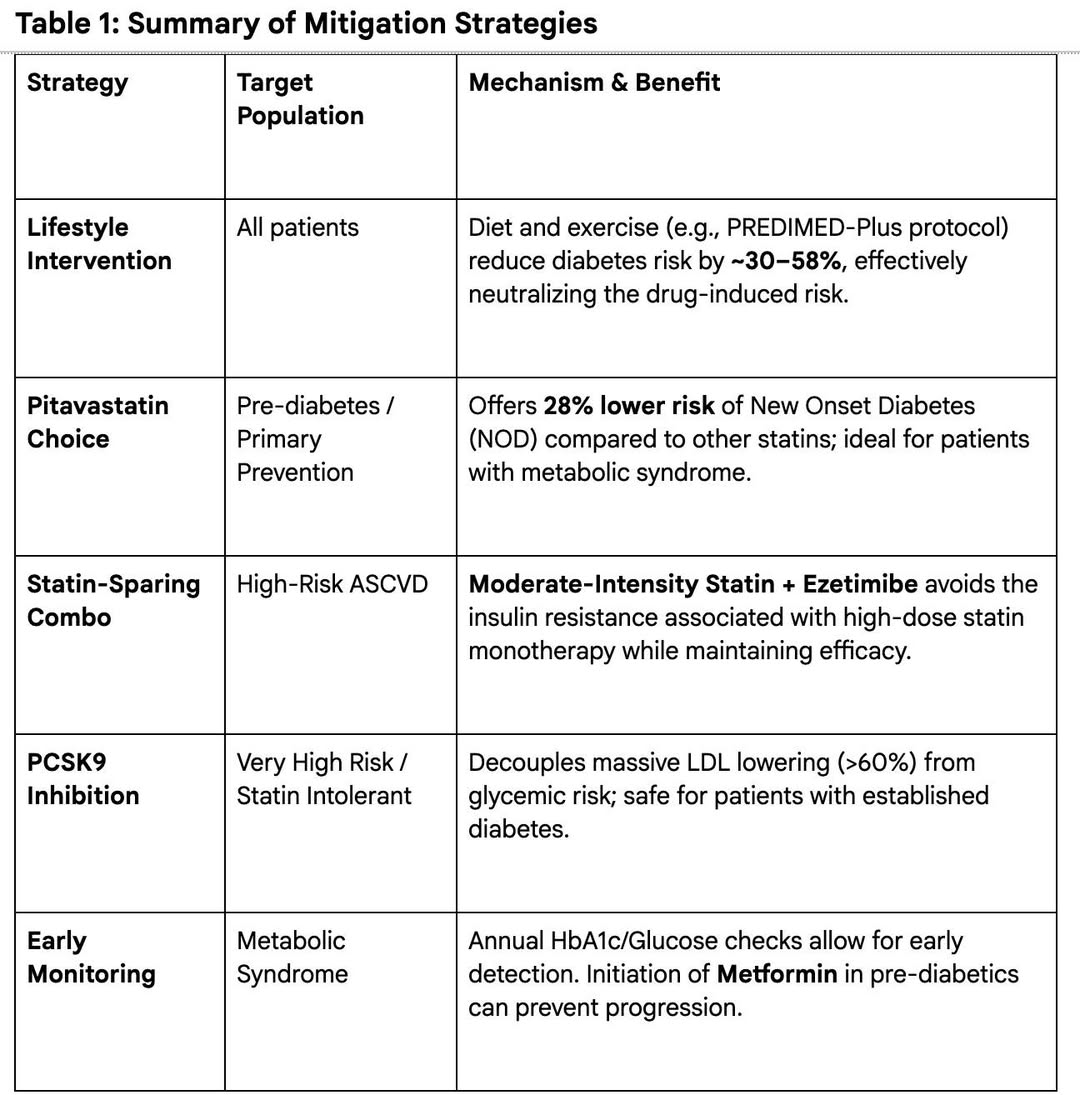
Table 1: Summary of Mitigation Strategies
<See table>
4.1 Lifestyle as a Counter-Regulatory Force
Lifestyle modification is the most powerful tool to offset statin risk. The Diabetes Prevention Program (DPP) and PREDIMED-Plus trials demonstrate that weight loss and physical activity can reduce the risk of T2D by 58% and 30%, respectively. High cardiorespiratory fitness has been shown to completely negate the excess diabetes risk associated with statins.
4.2 The "Statin-Sparing" Protocol
For a patient requiring >50% LDL-C reduction who is at high risk for diabetes (e.g., HbA1c 6.1%, BMI 32), the traditional approach would be Rosuvastatin 40 mg. The "metabolic precision" approach suggests:
- Rosuvastatin 5–10 mg (Moderate intensity to minimize beta-cell toxicity).
- + Ezetimibe 10 mg (Adds 20–25% LDL reduction with neutral metabolic impact).
- Result: Equivalent LDL lowering with significantly preserved insulin sensitivity.
5. Conclusion
The "statin paradox" is a manageable clinical reality. While statins—particularly high-potency lipophilic agents—increase the relative risk of type 2 diabetes by approximately 9–12%, this risk is largely confined to individuals with pre-existing metabolic dysfunction. Importantly, the cardiovascular benefits of statin therapy remain robust even in those who develop diabetes.
We have entered an era of nuanced lipid management. The "high-dose statin for everyone" dogma is being replaced by a tailored approach. By integrating Pitavastatin for metabolic protection, utilizing Ezetimibe and PCSK9 inhibitors to spare high statin doses, and aggressively implementing lifestyle changes, clinicians can decouple cardiovascular protection from metabolic harm. The ultimate goal is to treat the whole patient—preventing the heart attack without provoking the pancreas.
docs.google.comGoogle Docdocs.google.com