HD-OPM Archive

Most popular posts 301–400

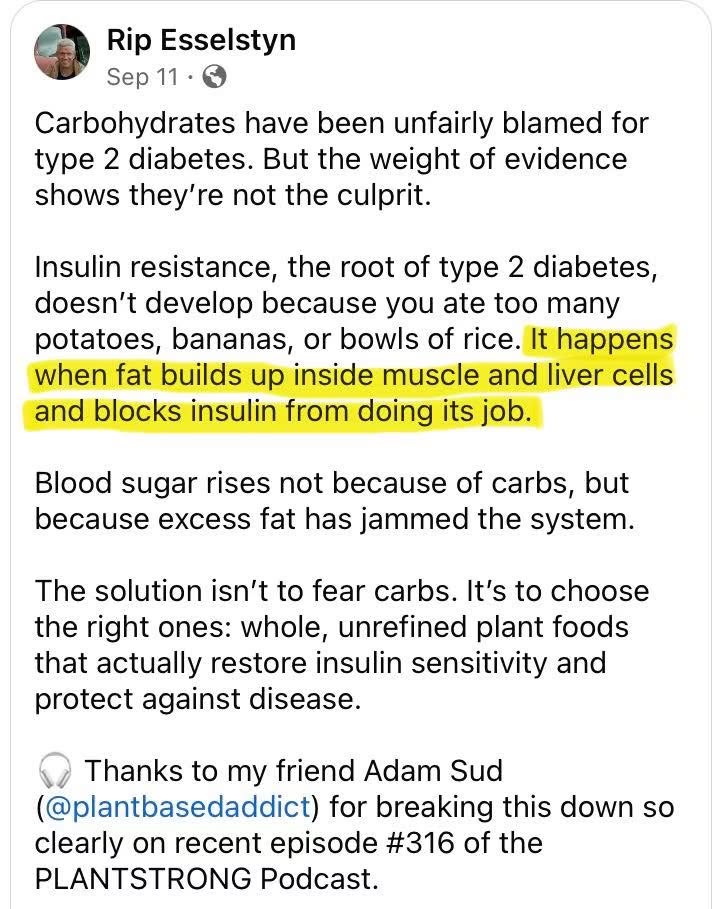
  1. Diabetes researchers cite fat in muscle and liver as the main cause of insulin resistance

    Oct 19, 2025 · Louis Nervegna ♥ 23 · 💬 13 Insulin resistance & diabetes

    Louis says leading diabetes researchers increasingly agree that fat build-up inside muscle and liver is what causes insulin resistance in most people. Food types can make accumulation easier or harder, but the main cause is overall calorie overconsumption, and very lean people with no ectopic fat rarely develop insulin resistance whatever they eat.

  2. High insulin/IGF-1 tied to cancer, diabetes; Laron syndrome and low-IGF-1 mice live longer

    May 13, 2025 · Louis Nervegna ♥ 23 · 💬 13 Aging & longevity

    Louis praises a video on height, insulin/IGF-1 and longevity and lays out his argument: diet (refined starch/sugar and excess animal protein) is the main driver of IGF-1, and low IGF-1 is linked to lower cancer and diabetes risk. He cites Laron syndrome, with no documented cancer deaths, little diabetes and less heart disease and Alzheimer's, and a long-lived low-IGF-1 mouse. Claims come from the post and videos, not named papers.
  3. Ornish trial: lifestyle program cut cardiac events, but plant-based diet was not a cure

    Jun 24, 2024 · Louis Nervegna ♥ 11 · 💬 20 ↩ 13 Mediterranean, DASH, MIND & plant-forward diets

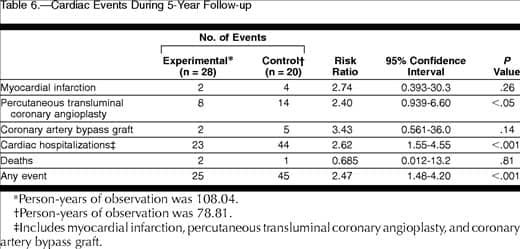
    In Ornish's small 1998 randomized trial, patients on the diet and lifestyle program had significantly fewer cardiac events over 5 years than controls (25 events in 28 patients vs 45 in 20 controls). Even among 28 who adhered, there were still 2 heart attacks, 8 angioplasties, 2 bypasses, 23 hospitalizations and 2 deaths, so the diet was not a cure.

  4. Dark chocolate linked to 21% lower type 2 diabetes risk over 30 years in Harvard cohorts

    May 29, 2026 · Louis Nervegna ♥ 24 · 💬 9 Nuts, fish, coffee, tea, cocoa & other foods

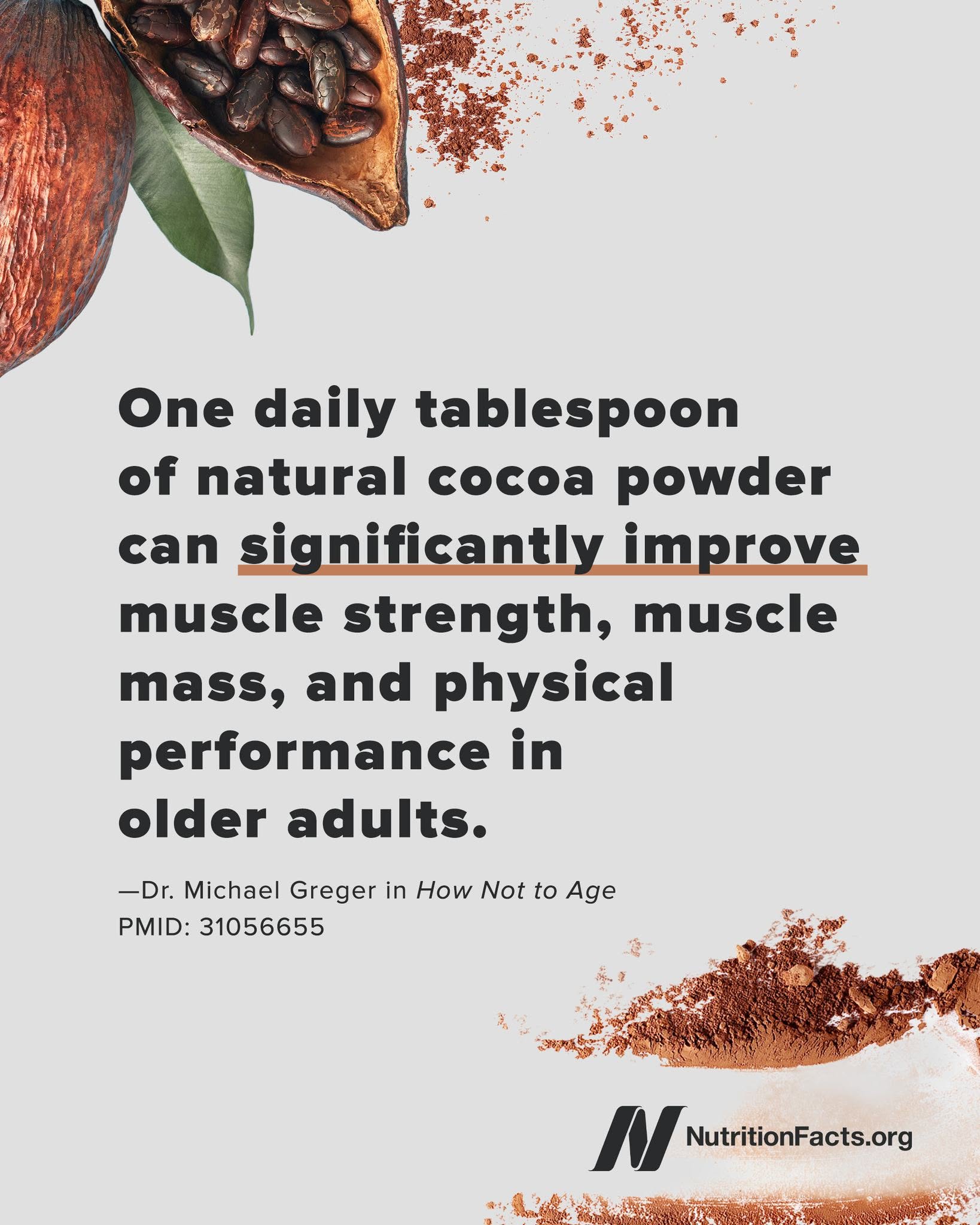
    Louis shares Harvard analysis of nearly 200,000 people in the Nurses' Health Studies and Health Professionals Follow-up Study. Dark chocolate was associated with lower diabetes risk, while milk chocolate was linked to weight gain and no benefit. He advises low-sugar dark chocolate with cocoa butter rather than milk fat.

  5. Lyon Diet Heart Study: Mediterranean diet cut heart attacks and cardiac death 73%

    Mar 30, 2025 · Louis Nervegna ♥ 24 · 💬 7 Mediterranean, DASH, MIND & plant-forward diets

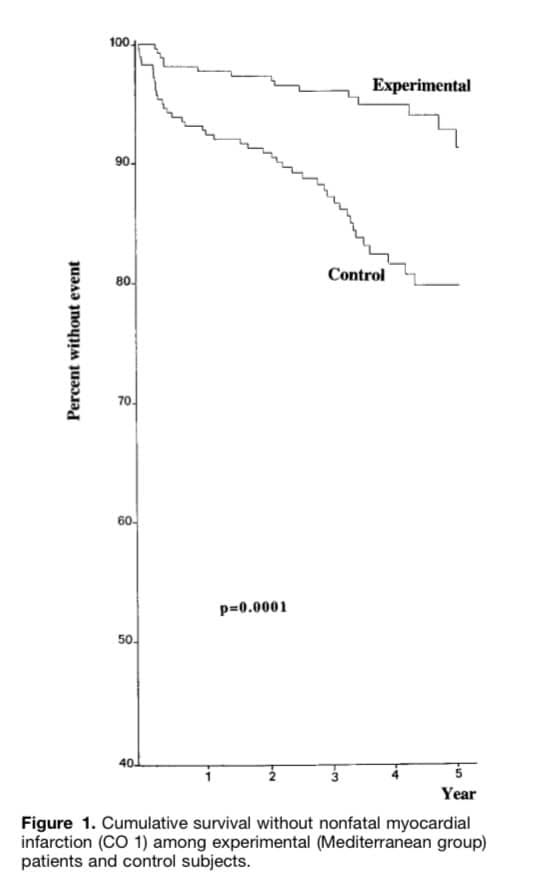
    Louis summarizes the Lyon Heart Study (1988-1992), which randomized over 600 heart attack survivors to a Mediterranean-style diet or an AHA diet. After a mean of 27 months, the Mediterranean group had far fewer cardiac events and deaths, and the trial was stopped early. The diet was not low-fat: it was rich in olive and canola oil, nuts, seeds and fatty fish, and low in butter, cream and red meat.

  6. Six randomized diet trials showed plaque reversal, from Ornish to CORDIOPREV and DISCO

    Oct 16, 2024 · Louis Nervegna ♥ 32 · 💬 5 ↩ 11 Plaque, CAC & CT angiography

    Louis lists the only six human RCTs in which diet reversed plaque: Lifestyle Heart Trial (Ornish diet), STARS and SCRIP (AHA diet), PREDIMED, CORDIOPREV (Mediterranean) and DISCO (DASH-style). Successful diets emphasized produce, legumes, whole grains, nuts, olive oil, fish and some dairy. They limited junk food, refined grains, butter, fatty red meat and heavy alcohol. He links each paper.

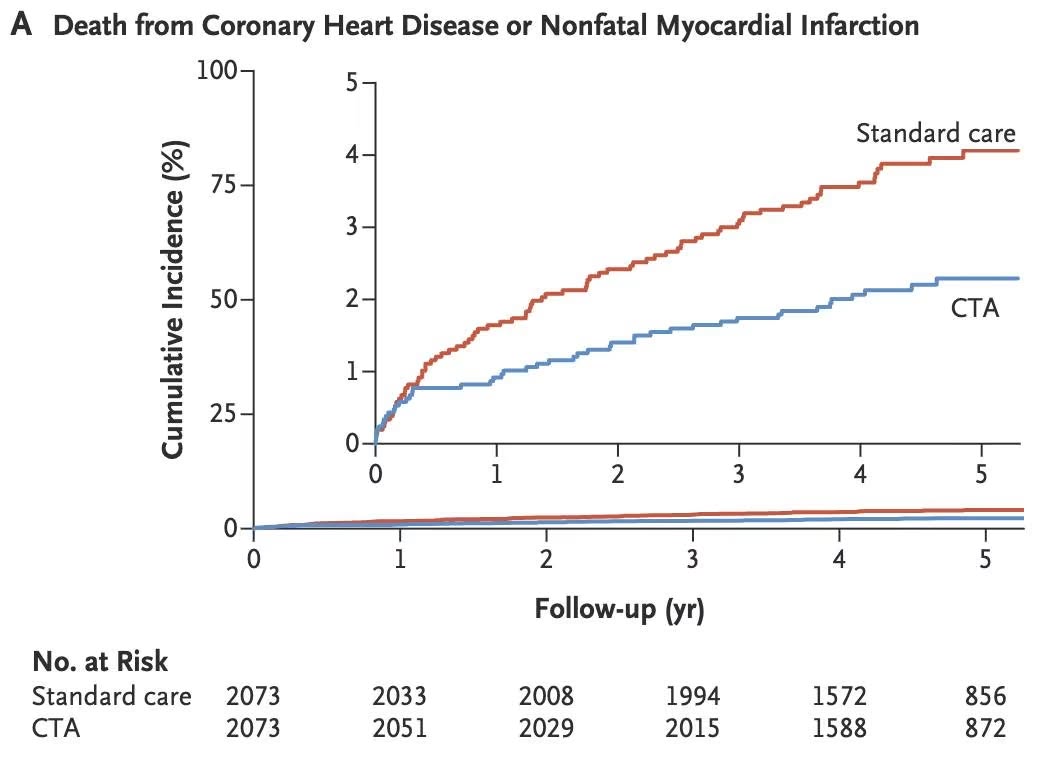
  7. SCOT-HEART: CT angiography cut 5-year coronary death or MI risk 41% in chest pain patients

    Jan 03, 2026 · Gokhan Can ♥ 12 · 💬 18 Plaque, CAC & CT angiography

    Summarises SCOT-HEART (4,146 patients with stable chest pain, standard care vs standard care plus coronary CTA). CTA guidance lowered coronary death or nonfatal MI to 2.3% from 3.9%, mainly by directing aspirin and statin use to patients with plaque. Total procedures were similar by year 5; results apply to chest-pain patients only.

  8. 'Uncured' and 'nitrate-free' processed meats can carry as many or more nitrosamines

    Jul 10, 2024 · Louis Nervegna ♥ 13 · 💬 16 ↩ 19 Meat, eggs & dairy

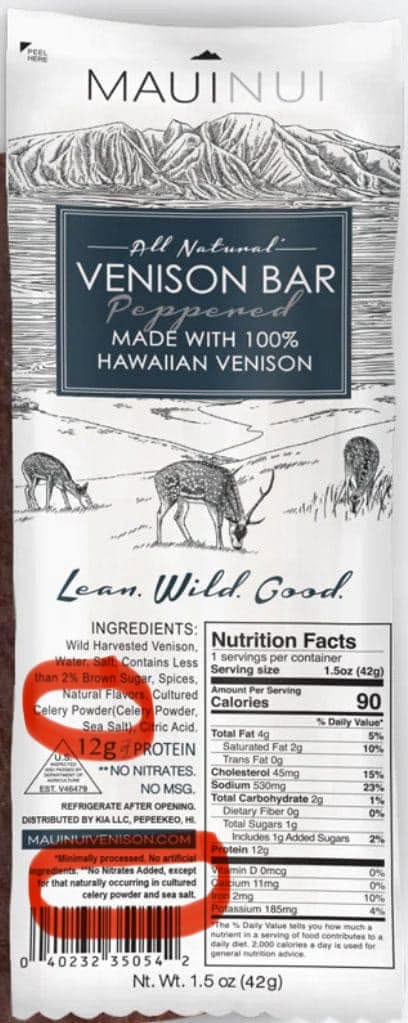
    The poster warns that jerky, bacon, sausage and deli meats labeled natural or uncured use celery juice or powder as nitrate sources, avoiding USDA nitrite limits while still forming carcinogenic nitrosamines when cured and heated. Cured meat is a WHO group 1 carcinogen and shows the worst hazard ratios of any food besides trans fats in cohorts.

  9. A zero CAC does not rule out plaque in symptomatic patients; 54% had CAC 0 in Denmark

    Dec 22, 2023 · Louis Nervegna ♥ 13 · 💬 16 ↩ 3 Plaque, CAC & CT angiography

    Louis shares a MedPage Today report that a zero calcium score is not a clean bill of health when symptoms are present, especially in young people and women. In the Western Denmark Heart Registry, over half of symptomatic patients undergoing CT angiography had a CAC of zero, and half of those with symptomatic blockages had zero CAC.

  10. Swapping 1 tbsp butter for plant oil linked to 17% lower cancer and all-cause death

    Sep 14, 2026 · Louis Nervegna ♥ 17 · 💬 12 Fats & oils (saturated fat, seed oils, omega-6, olive oil)

    Louis shares an AHA press release on Harvard cohort data (Nurses' Health Study I and II, Health Professionals) for 221,054 adults. Replacing a daily tablespoon of butter with unsaturated plant oil was associated with lower cancer and total mortality, and each extra tablespoon of butter with higher cancer risk. Olive, canola and soybean oil showed the biggest benefits.
  11. Mild mitochondrial stress from statins is hormetic, not harmful

    Nov 17, 2025 · Louis Nervegna ♥ 25 · 💬 11 Statins

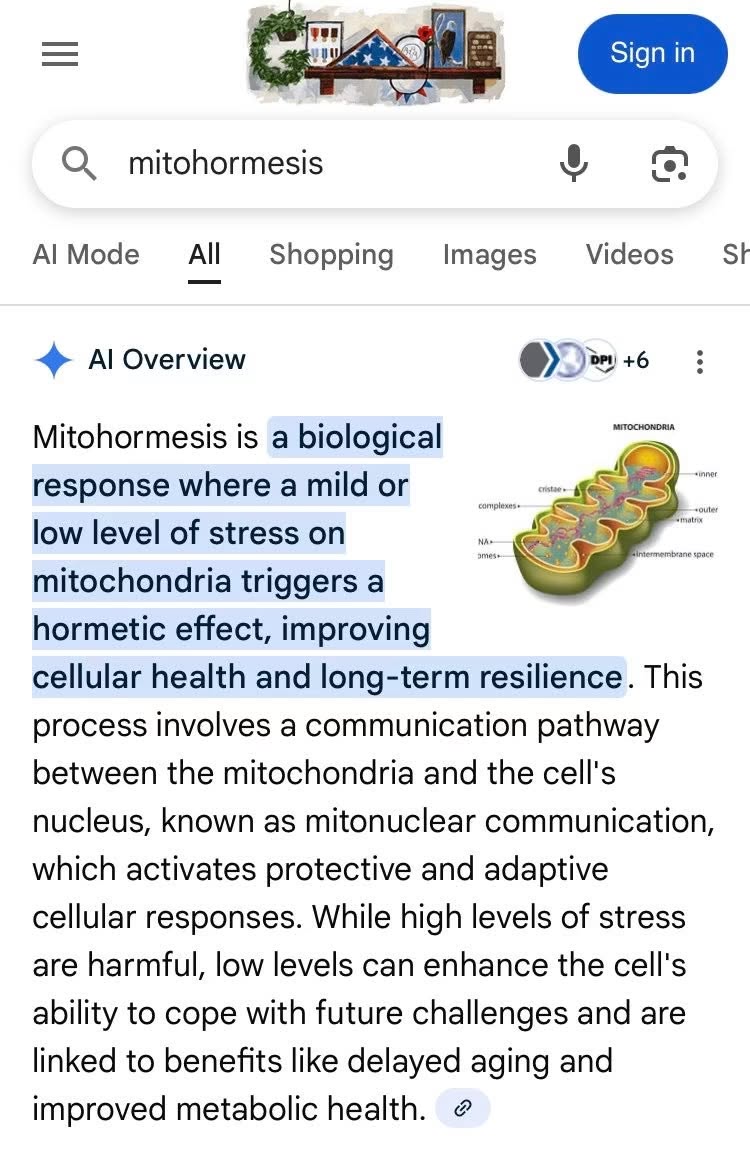
    Louis argues that mild mitochondrial toxicity from statins, metformin, exercise and calorie restriction is mitohormesis, which is beneficial at low doses. He says influencer claims that statins damage mitochondria misrepresent this.

  12. Two years of structured exercise reversed up to 20 years of heart aging at age 50

    Mar 18, 2025 · Louis Nervegna ♥ 25 · 💬 8 Exercise & fitness

    Louis reshares a FoundMyFitness description of Dr. Benjamin Levine's trial, in which sedentary 50-year-olds who trained 5-6 hours per week for two years made their hearts structurally younger, more like a 30-year-old's. The protocol combined Norwegian 4x4 intervals, recovery aerobics, long endurance sessions and twice-weekly strength training.

  13. Omega-6:omega-3 ratio does not predict heart disease; nuts and seeds link to lower risk

    Jun 12, 2024 · Louis Nervegna ♥ 21 · 💬 13 Fats & oils (saturated fat, seed oils, omega-6, olive oil)

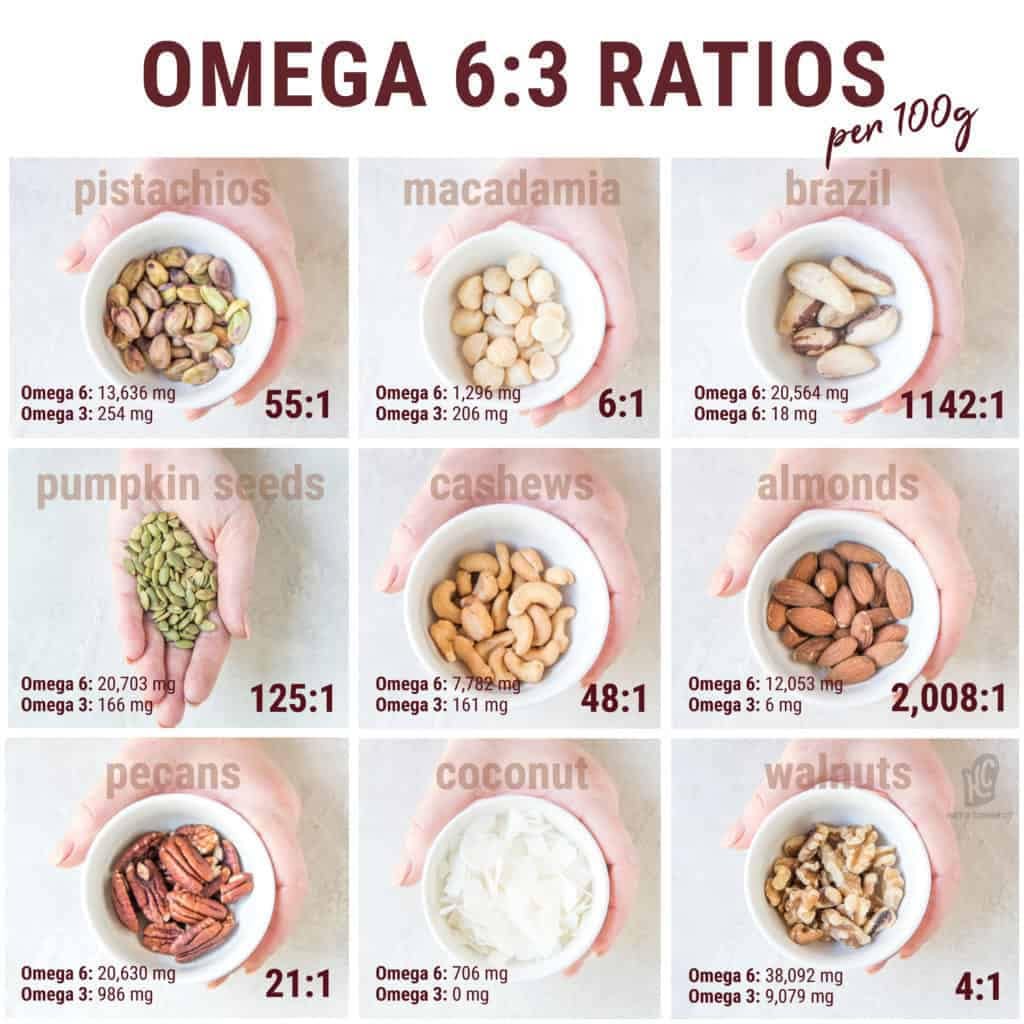
    The poster rejects claims that pistachios, almonds, cashews, pumpkin seeds and similar foods are harmful because of a high omega-6:omega-3 ratio. He says these foods are associated with lower heart disease and diabetes risk (possibly excepting very high coconut intake) and the ratio is useless for predicting risk.

  14. Vitamin K2 trials show better glucose and HbA1c in type 2 diabetes, per Life Extension

    Sep 09, 2024 · Louis Nervegna ♥ 19 · 💬 14 ↩ 1 Supplements & vitamins

    Louis shares a Life Extension article summarizing RCTs of vitamin K and glucose metabolism. Three RCTs of MK-7 vitamin K2 (90-360 mcg/day for 3-6 months) lowered fasting glucose and HbA1c in type 2 diabetes versus placebo, and trials in healthy and prediabetic people improved insulin sensitivity. Louis takes it for insulin sensitivity despite failed arterial calcification trials. Source is a supplement-industry magazine.

  15. 2025 ACC statement: inflammation is actionable in CVD, with universal hsCRP screening

    Oct 09, 2025 · Gokhan Can ♥ 15 · 💬 13 Inflammation & CRP

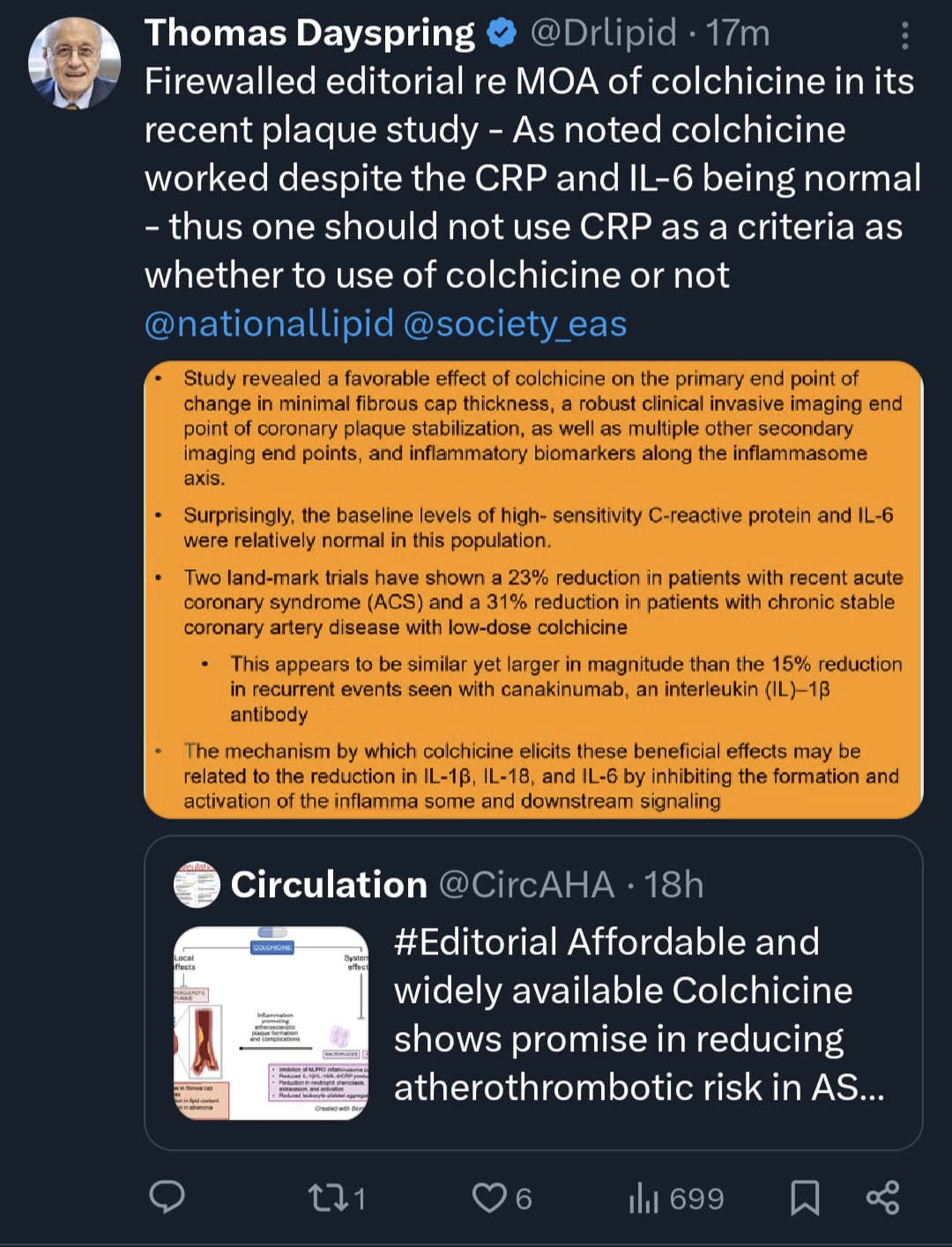
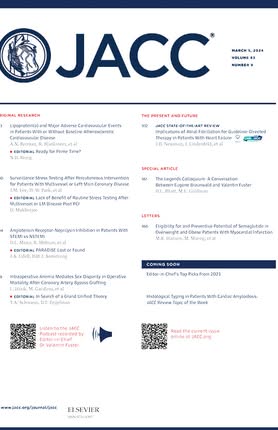
    Summarises the 2025 ACC Scientific Statement (JACC) concluding the inflammation-ASCVD link is now clinically actionable. It recommends universal hsCRP screening in primary and secondary prevention alongside cholesterol, notes IL-6 and fibrinogen also predict risk, and says CT perivascular fat attenuation is promising but not routine. It contrasts this with a more cautious 2002 CDC/AHA workshop.

  16. Boston Heart's desmosterol test is likely a waste of money, argues Louis

    Jan 15, 2024 · Louis Nervegna ♥ 13 · 💬 15 Risk assessment & lab tests

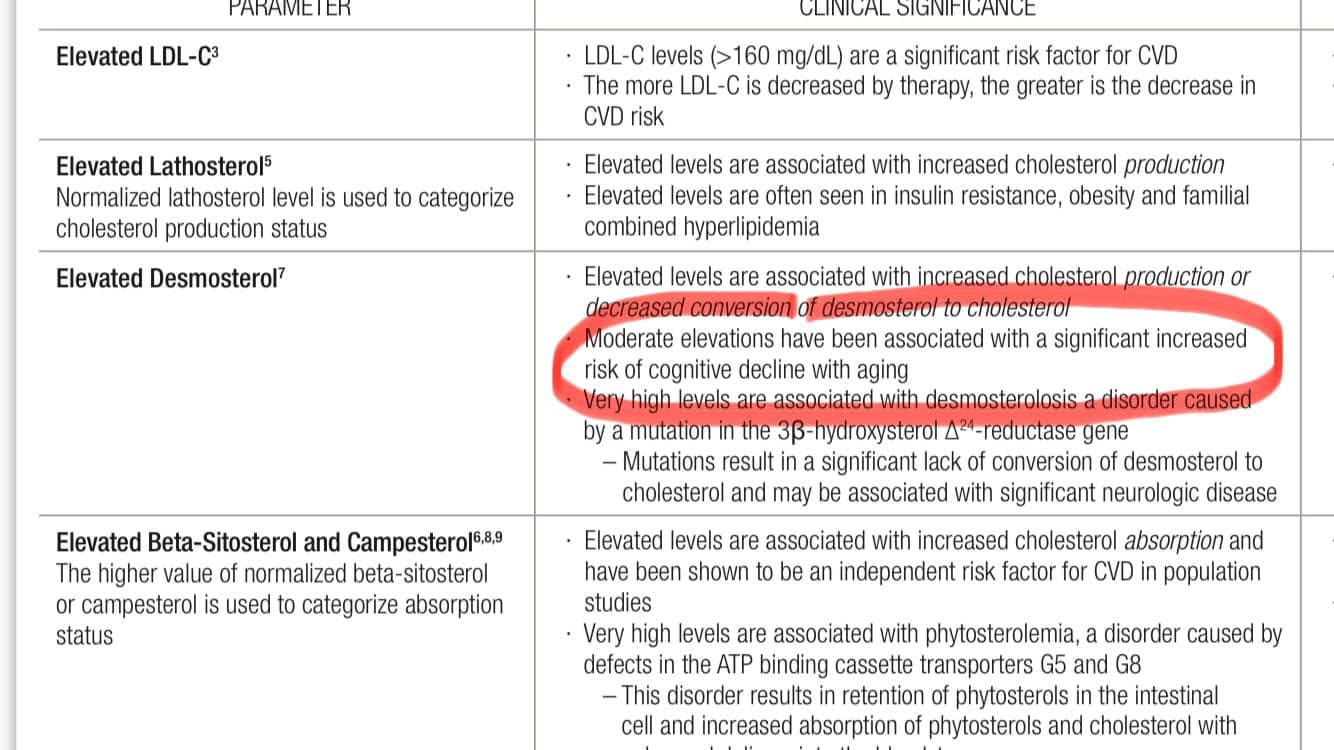
    Louis critiques the desmosterol blood test, a marker of cholesterol production marketed for predicting statin response and Alzheimer's risk. He argues statin response can simply be checked by trying a statin, and that in healthy people high (not low) desmosterol is associated with higher dementia risk, so claims that statins raise Alzheimer's risk via lowering desmosterol are backwards. Even the test maker's material says lower desmosterol is optimal.
  17. High-dose atorvastatin after heart attack cut events ~30% in 30 days (PROVE IT-TIMI 22)

    Jan 25, 2025 · Louis Nervegna ♥ 12 · 💬 16 Statins

    Louis explains why patients are immediately given atorvastatin 80 mg after a heart attack: PROVE IT-TIMI 22 showed an almost 30% reduction in death, repeat heart attack or rehospitalization within 30 days versus a lower-potency statin. The speed suggests pleiotropic effects (anti-inflammatory, plaque and endothelial stabilizing) rather than LDL lowering. Lipophilic statins at maximum dose work best in this setting.

  18. Louis pays about $1.30 per month for a statin

    Jan 04, 2025 · Louis Nervegna ♥ 16 · 💬 25 Statins

    Louis comments on a Brad Stanfield video about preventing a heart attack for $5.45 per month, noting his own statin costs about $1.30 per month, essentially free.

  19. Gotu kola extract reportedly stabilized high-risk plaque in small studies

    Nov 17, 2023 · Louis Nervegna ♥ 16 · 💬 16 ↩ 2 Supplements & vitamins

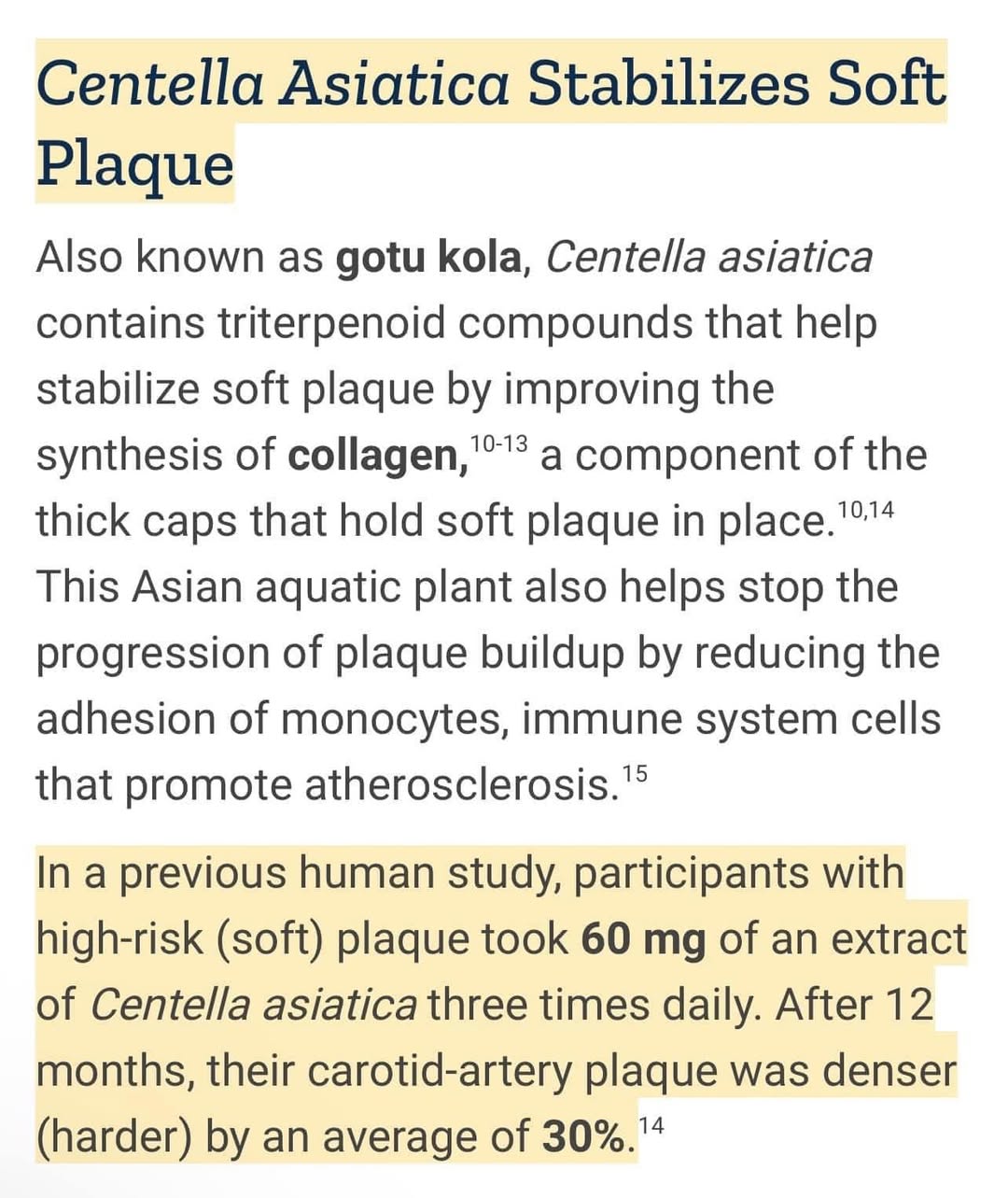
    Louis flags, as needing larger trials, Life Extension's summary that 60 mg of Centella asiatica extract three times daily hardened soft carotid plaque by 30% over 12 months, with fewer cardiovascular events in the randomized phase, and hardened femoral plaque by 63% with no size increase versus 23% in controls. He says it may target endothelial health. Evidence comes from small studies summarized by a supplement-company magazine.

  20. Engineered regulatory T cells targeting oxidized LDL cut plaque 70% in mice

    Nov 22, 2025 · Gokhan Can ♥ 35 · 💬 7 Inflammation & CRP

    Summarises a University of Pennsylvania preclinical study adapting CAR T therapy: Tregs engineered to recognise oxidized LDL dampened arterial inflammation and reduced plaque 70% in cholesterol-prone mice. Unlike cancer CAR-T, the cells suppress rather than destroy; it is a possible add-on for patients at risk despite cholesterol drugs.

  21. Mendelian randomization in 1 million people: statin-like genetics cut dementia risk 76-82%

    Nov 06, 2025 · Gokhan Can ♥ 11 · 💬 17 Brain health & dementia

    Summarises Dr Stanfield's video on a Mendelian randomization study of over a million people. Short RCTs show no cognitive harm or benefit and observational studies suggest protection; genetic variants mimicking lifelong statin and ezetimibe action were linked to 76-82% relative dementia risk reduction, implying long-term benefit missed by short trials. The video also notes treating hearing loss, vision loss and midlife depression.

  22. Whey protein raised insulin 90% more than white bread despite 57% lower glucose response

    May 15, 2026 · Louis Nervegna ♥ 11 · 💬 17 Protein

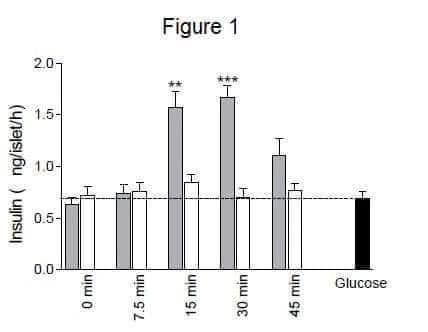
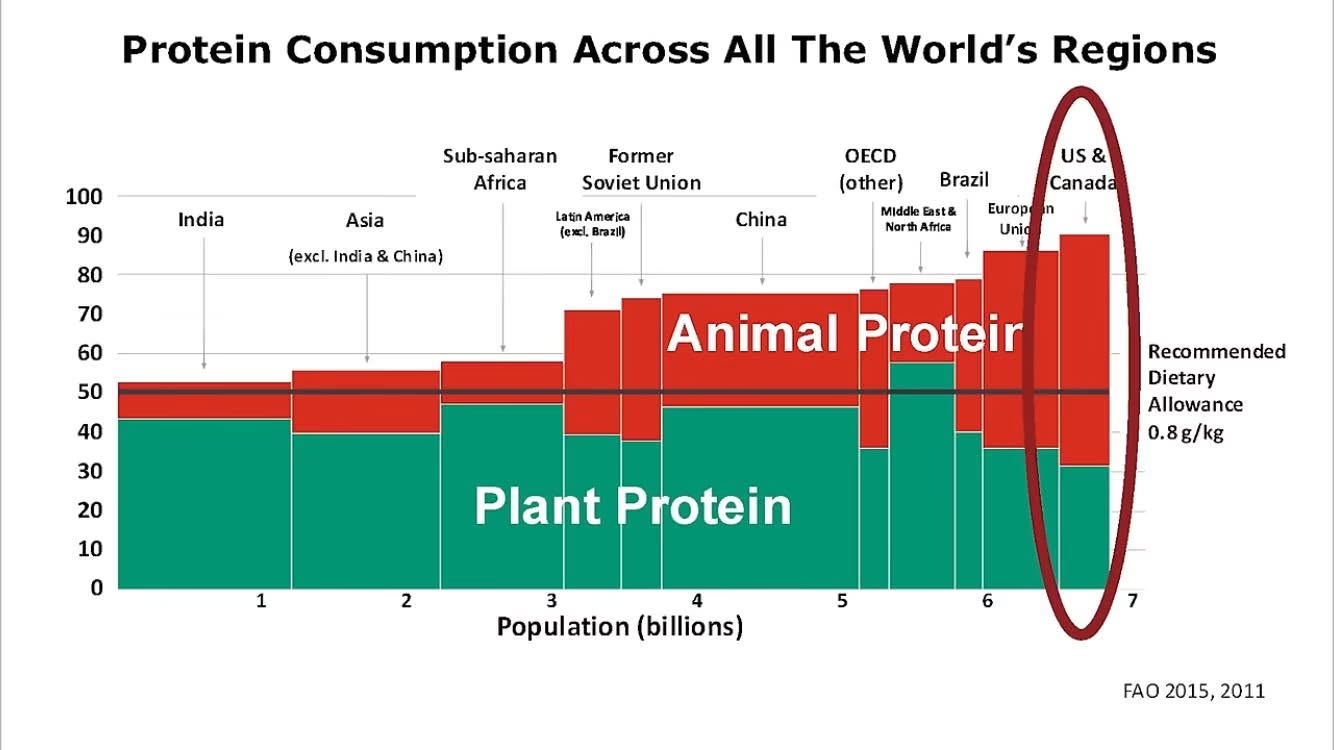
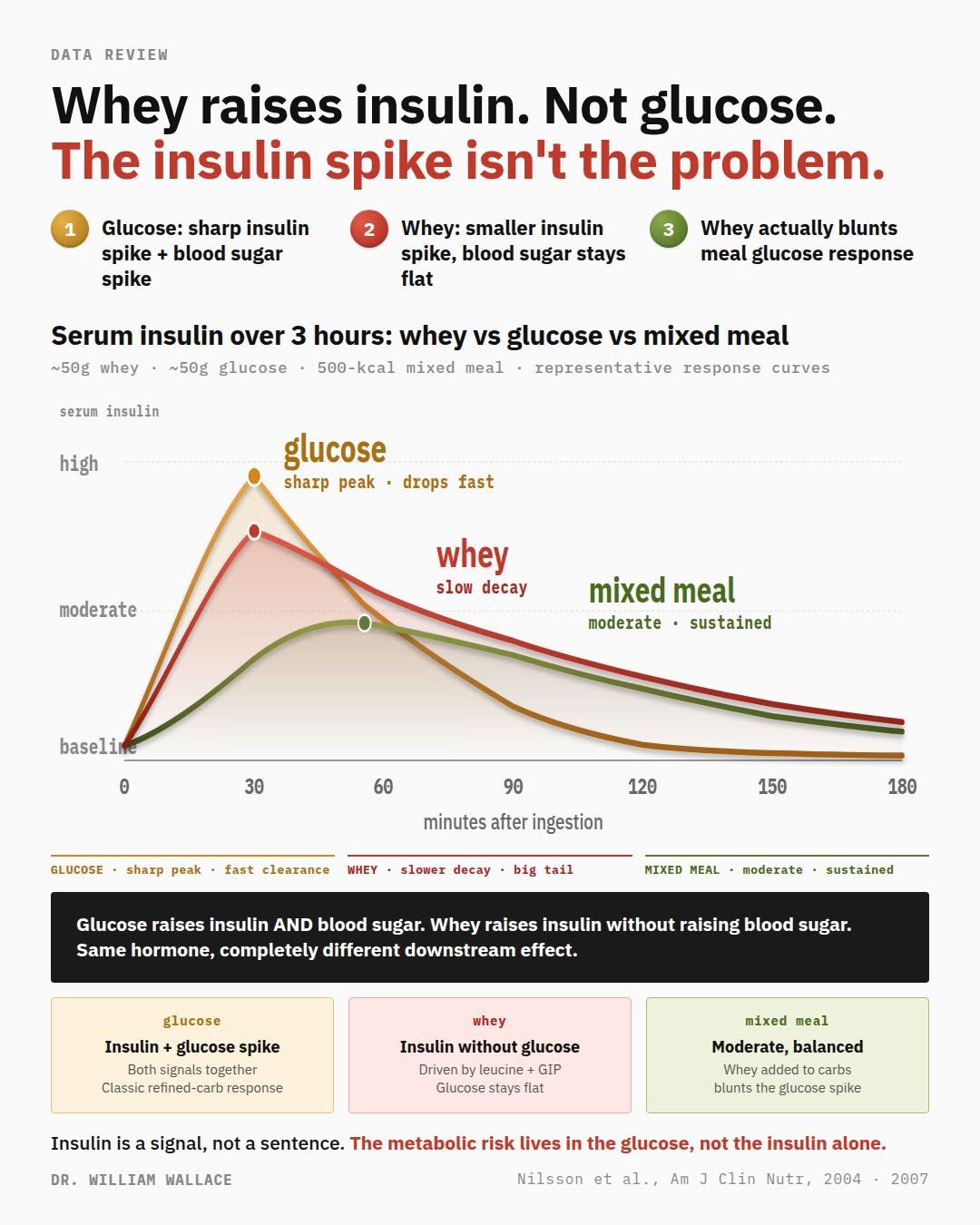
    William Wallace shares the Nilsson 2004 trial: in 12 healthy volunteers, whey produced a 90% higher insulin AUC and 57% lower glucose AUC than white bread, tracking plasma branched-chain amino acids. He argues repeated large insulin surges raise IGF1 and mTOR and may have long-term costs, disagreeing with a source that dismisses the concern.

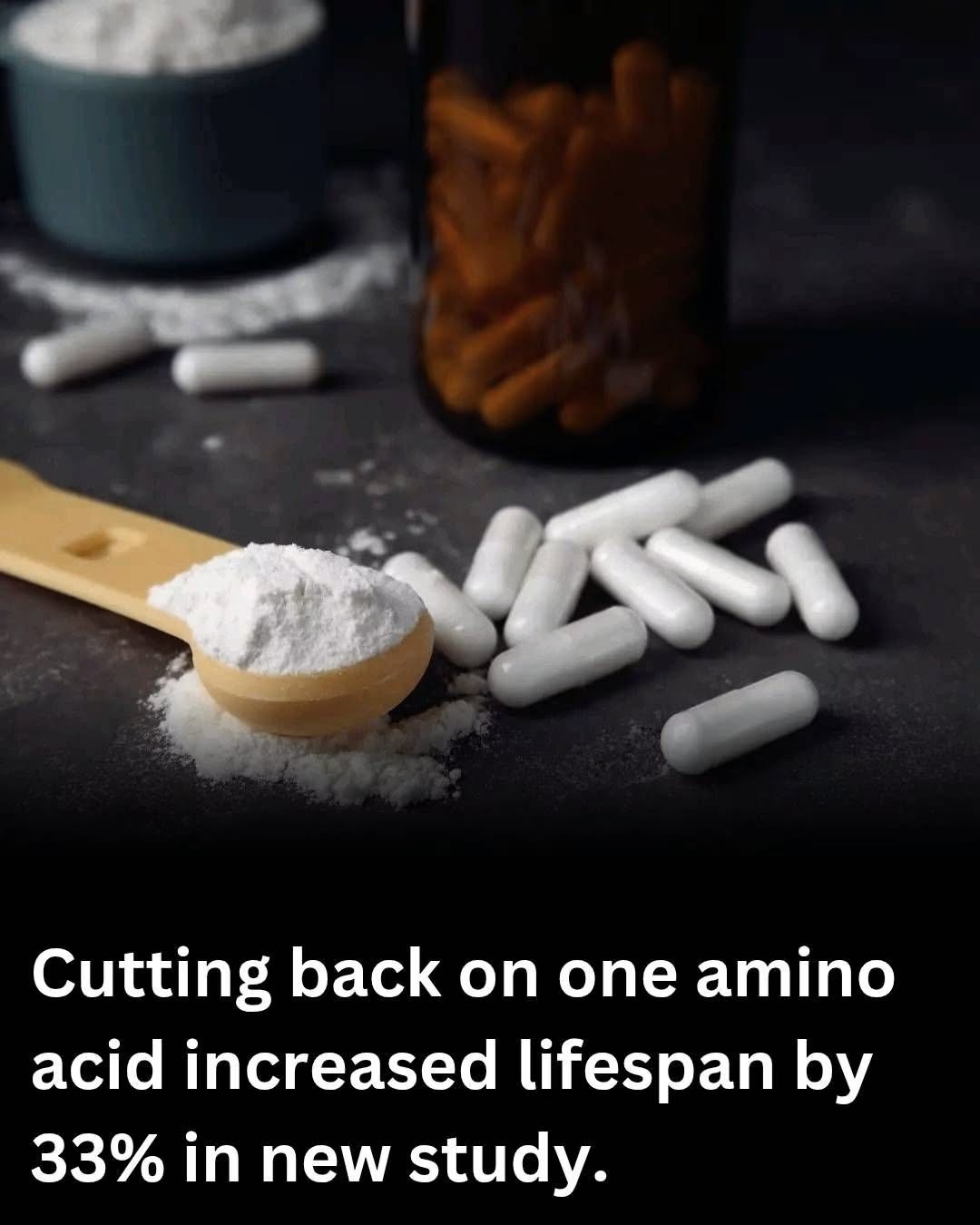
  23. Cutting dietary isoleucine by two-thirds extended male mouse lifespan 33%

    Oct 18, 2025 · Louis Nervegna ♥ 17 · 💬 11 ↩ 4 Protein

    Louis shares a Cell Metabolism mouse study in which restricting a single essential amino acid, isoleucine, lengthened life (33% in males, 7% in females), improved leanness, blood sugar, strength and frailty, and reduced age-related cancer. He notes the male effect matches major calorie restriction in mice, and suggests getting protein mainly from whole plant foods, which are naturally lower in isoleucine than animal protein. Mouse data, not proven in humans.

  24. Resistance exercise preserves muscle during calorie restriction and GLP-1 weight loss

    Mar 16, 2025 · Louis Nervegna ♥ 23 · 💬 8 Exercise & fitness

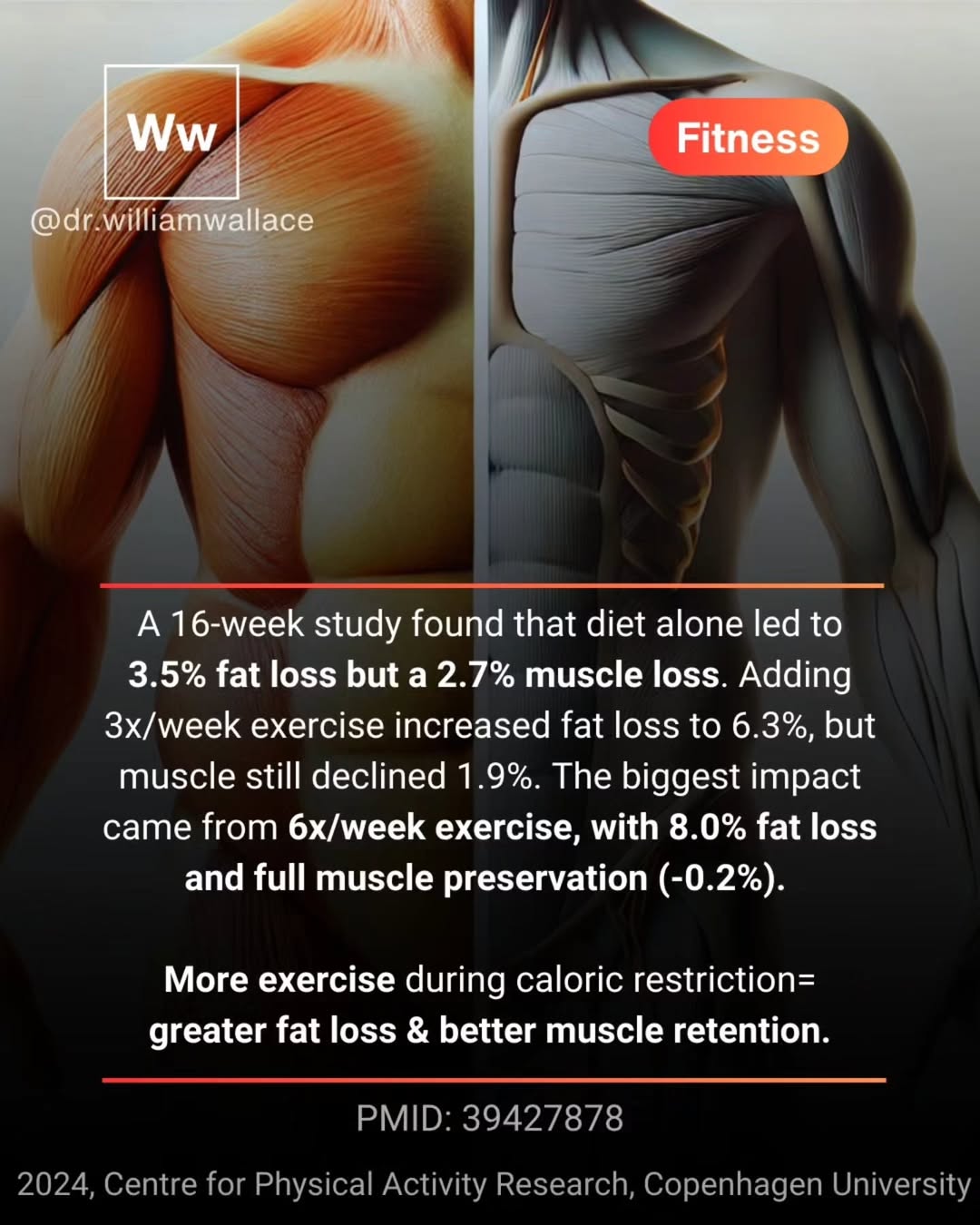
    Louis argues that most muscle lost during calorie restriction can be prevented by resistance exercise without raising protein intake, citing over 70 RCTs in which exercise drives nearly all strength gains and extra protein adds only about 5% over 22 weeks. He applies this to GLP-1 drugs, saying their muscle loss comes from calorie restriction rather than a drug side effect. The shared study (16 weeks, 82 people with type 2 diabetes) showed that high-dose exercise with diet fully preserved muscle.

  25. Big glucose spikes from oats signal insulin resistance; only losing visceral fat cures it

    Mar 01, 2025 · Louis Nervegna ♥ 23 · 💬 8 Insulin resistance & diabetes

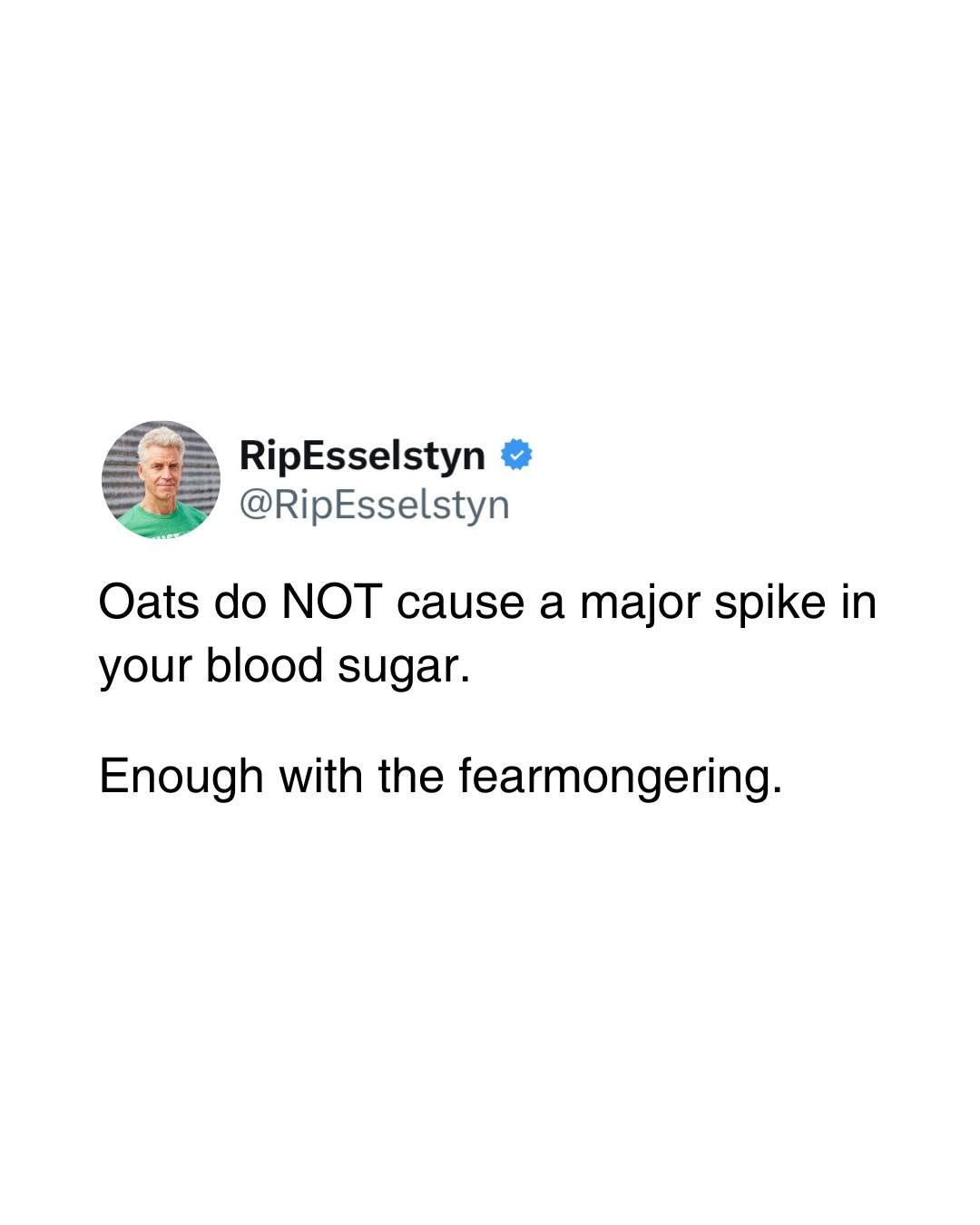
    Louis argues that large glucose spikes from low-to-moderate GI carbs suggest prediabetes or diabetes, and that cutting carbs only masks the problem unless enough weight is lost to clear liver and pancreas fat. He adds that visceral fat can hide in people with normal BMI, that Asians develop insulin resistance at lower visceral fat levels, and summarizes Roy Taylor's very-low-calorie diet trials.

  26. Meta-analysis of 4.3 million: moderate wine not linked to higher overall cancer risk

    Jan 05, 2025 · Louis Nervegna ♥ 15 · 💬 17 ↩ 3 Alcohol, smoking & vaping

    Louis shares Dr. Brian Lawenda's post on a Frontiers in Nutrition meta-analysis of 73 studies, covering over 4.3 million participants, that found moderate wine consumption (up to one drink/day for women, two for men) was not associated with increased overall cancer risk and might lower some cancer types. The post questions treating wine like beer and spirits.

  27. Statin RCT meta-analyses show no increase or decrease in cancer risk

    Dec 31, 2024 · Louis Nervegna ♥ 11 · 💬 13 Statins

    Louis compiles meta-analyses of randomized trials showing statins neither raise nor lower cancer incidence or mortality, plus cohort studies suggesting neutral or lower cancer risk, e.g. prostate cancer. He adds that RCTs and prospective cohorts sit at the top of the evidence hierarchy.

  28. Swapping saturated for polyunsaturated 'seed oil' fats lowered liver fat in an RCT

    Dec 18, 2024 · Louis Nervegna ♥ 14 · 💬 13 ↩ 5 Fats & oils (saturated fat, seed oils, omega-6, olive oil)

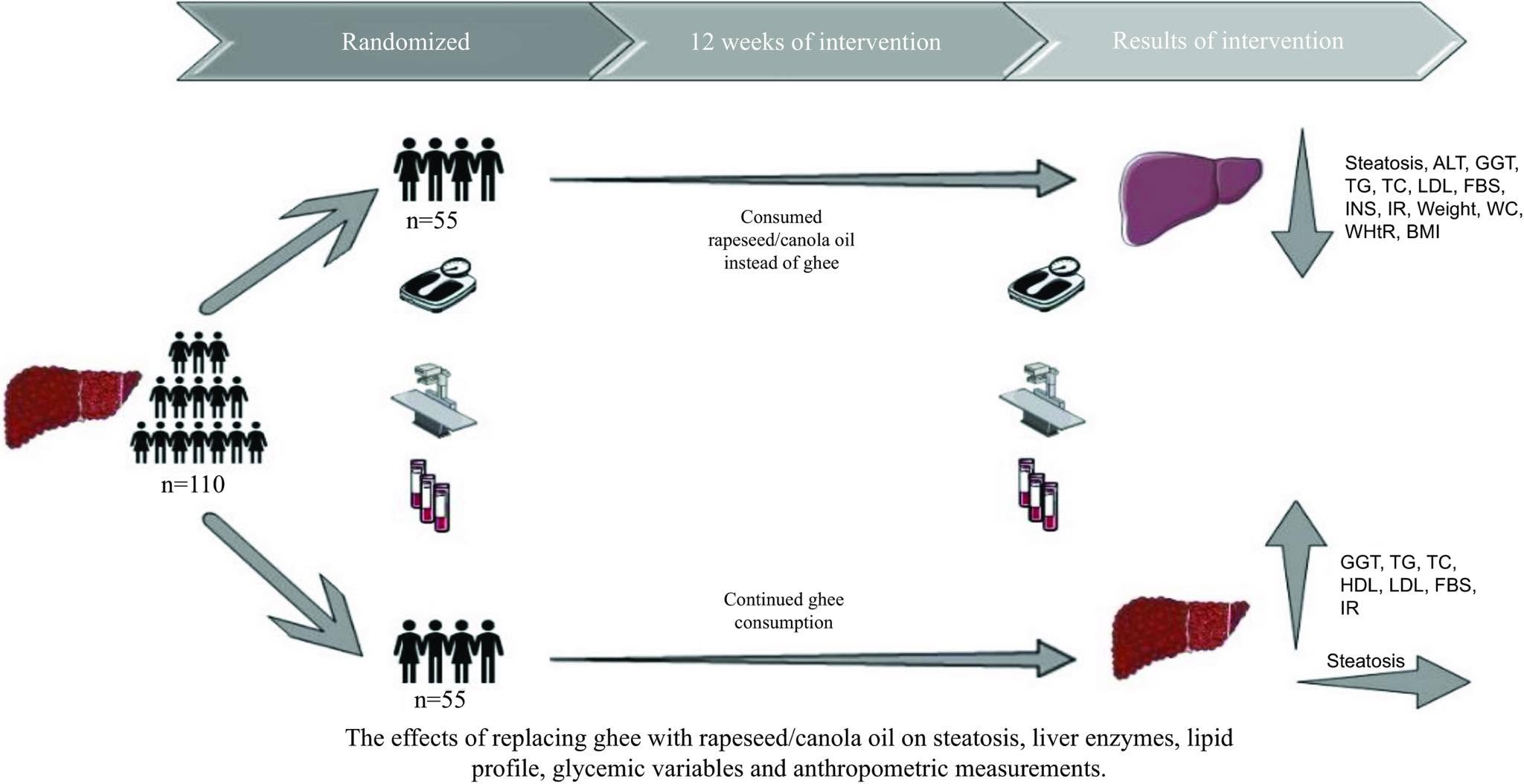
    Louis highlights a secondary analysis of a 12-week RCT in NAFLD. Higher dietary and plasma polyunsaturated fat, especially n-6, was associated with larger liver fat loss, while higher saturated fat intake or plasma saturated fat was associated with less reduction in liver stiffness and liver fat. He says multiple well-done studies show this.

  29. Red meat and whey raise insulin, countering claims in a Lustig clip

    Oct 29, 2024 · Louis Nervegna ♥ 13 · 💬 19 Insulin resistance & diabetes

    Louis says Robert Lustig and Levels are wrong to imply red meat does not raise insulin. He states red meat raises insulin as much as white pasta or oatmeal and whey more than white bread, so switching from carbs to protein mainly lowers glucose, not insulin. He agrees excess insulin may promote vascular smooth muscle growth and some cancers.

  30. Mutated blood stem cells (CHIP) may be a major cause of heart disease, doubling MI risk

    Apr 08, 2024 · Louis Nervegna ♥ 14 · 💬 13 Inflammation & CRP

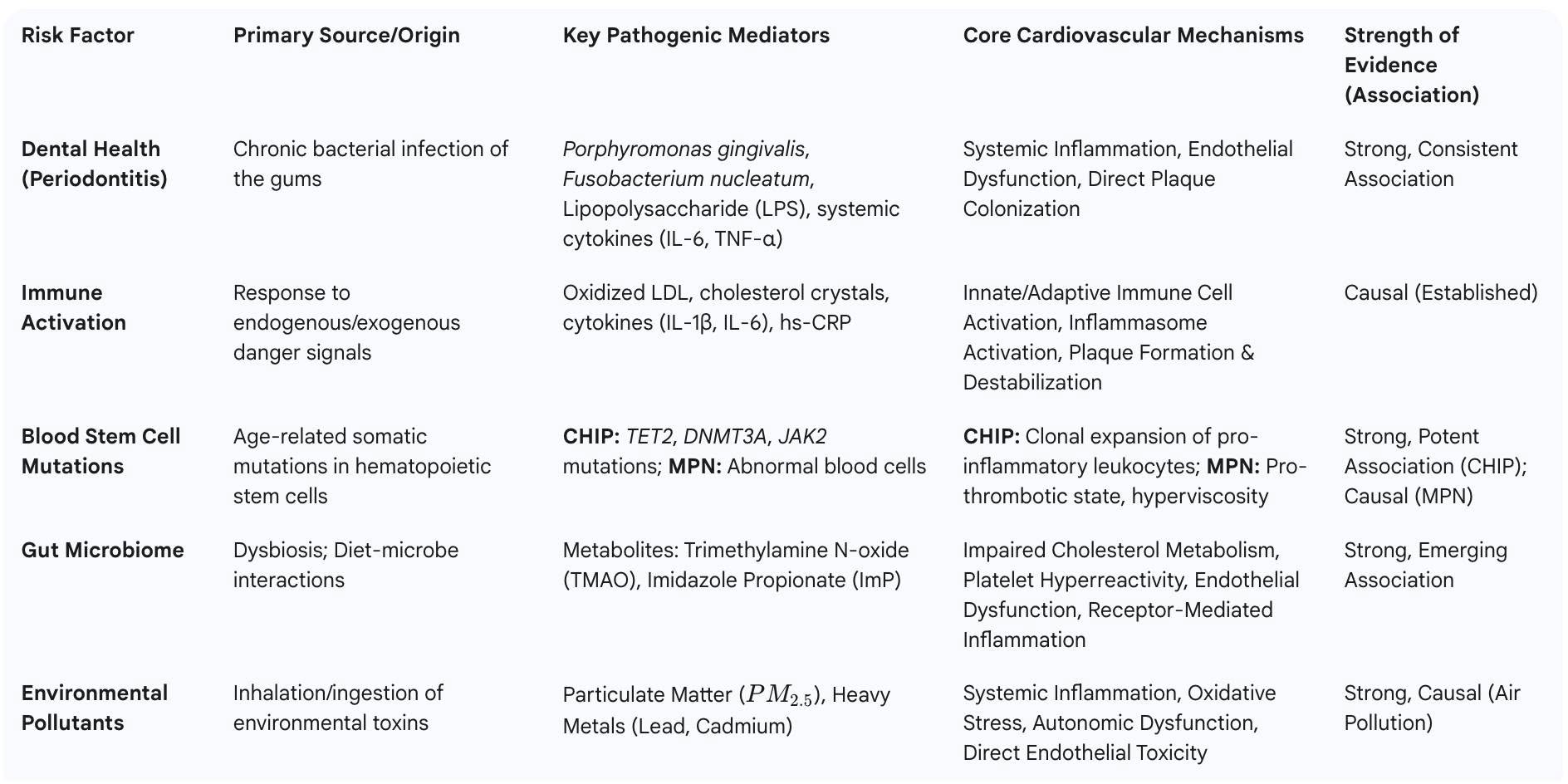
    Louis explains clonal hematopoiesis (CHIP): age-related mutations in bone-marrow stem cells yield white blood cells that drive inflammation and plaque growth, and the same mutations link to leukemia. A quoted report says CHIP carriers had a 54% higher chance of dying within a decade, from heart attacks and strokes, and mouse transplants of CHIP-mutated cells produced fast-growing, inflamed plaques. Louis credits Gokhan Can for pointing him to this.

  31. Supplements and foods can raise statin levels through cytochrome P450 interactions

    Dec 01, 2023 · Louis Nervegna ♥ 14 · 💬 13 Statins

    Louis explains that an underappreciated cause of statin side effects is combining the drug with foods or supplements that raise its blood level via cytochrome P450 interactions in the gut and liver. Grapefruit juice is the classic example, and herbs and botanicals are the likeliest supplement culprits. Practical steps: separate dosing times and adjust statin dose to LDL. A reader note says the grapefruit interaction applies only to certain statins.

  32. Following AHA Life's Essential 8 for ~10 years linked to 66% lower coronary heart disease

    Jul 11, 2025 · Louis Nervegna ♥ 15 · 💬 12 ↩ 1 Cardiovascular disease: the big picture

    Louis shares a study showing that closely adhering to the AHA's eight healthy-living guidelines for an average of 10 years was associated with 66% lower coronary heart disease risk. He lists the eight guidelines; benefits were larger in women, younger adults and those with low genetic risk per the linked article.
  33. Shingles vaccine tied to slower biological aging and less inflammation in 3,800 elders

    Feb 28, 2026 · Gokhan Can ♥ 22 · 💬 11 Infections & vaccines

    Reports a large national study of more than 3,800 Americans aged 70+, in which shingles-vaccinated people showed slower biological aging, lower chronic inflammation and slower aging-related changes in gene activity. This suggests the vaccine may calm 'inflammaging', the low-grade inflammation tied to heart disease, frailty and cognitive decline.

  34. IV vitamin C plus chemotherapy doubled survival to 16 months in pancreatic cancer trial

    Dec 04, 2024 · Louis Nervegna ♥ 22 · 💬 17 ↩ 1 Cancer

    Louis shares a small randomized phase 2 trial at the University of Iowa in metastatic pancreatic cancer: high-dose intravenous vitamin C added to chemotherapy doubled median overall survival and was stopped early for benefit. He notes it is unrelated to heart disease and that IV vitamin C has a long controversial history.

  35. Esselstyn's olive oil FMD claim challenged: exercise also dips FMD short term but helps

    Aug 12, 2024 · Louis Nervegna ♥ 22 · 💬 11 Blood vessels, circulation & endothelium

    A video clip shows Gil Carvalho challenging Caldwell Esselstyn's claim that olive oil damages arteries because it temporarily suppresses flow-mediated dilation (FMD). The poster notes exercise does the same temporarily and is hormetic, and says over 30 human RCTs show olive oil improves FMD and endothelial function long term.