HD-OPM Archive

Most popular posts 701–800

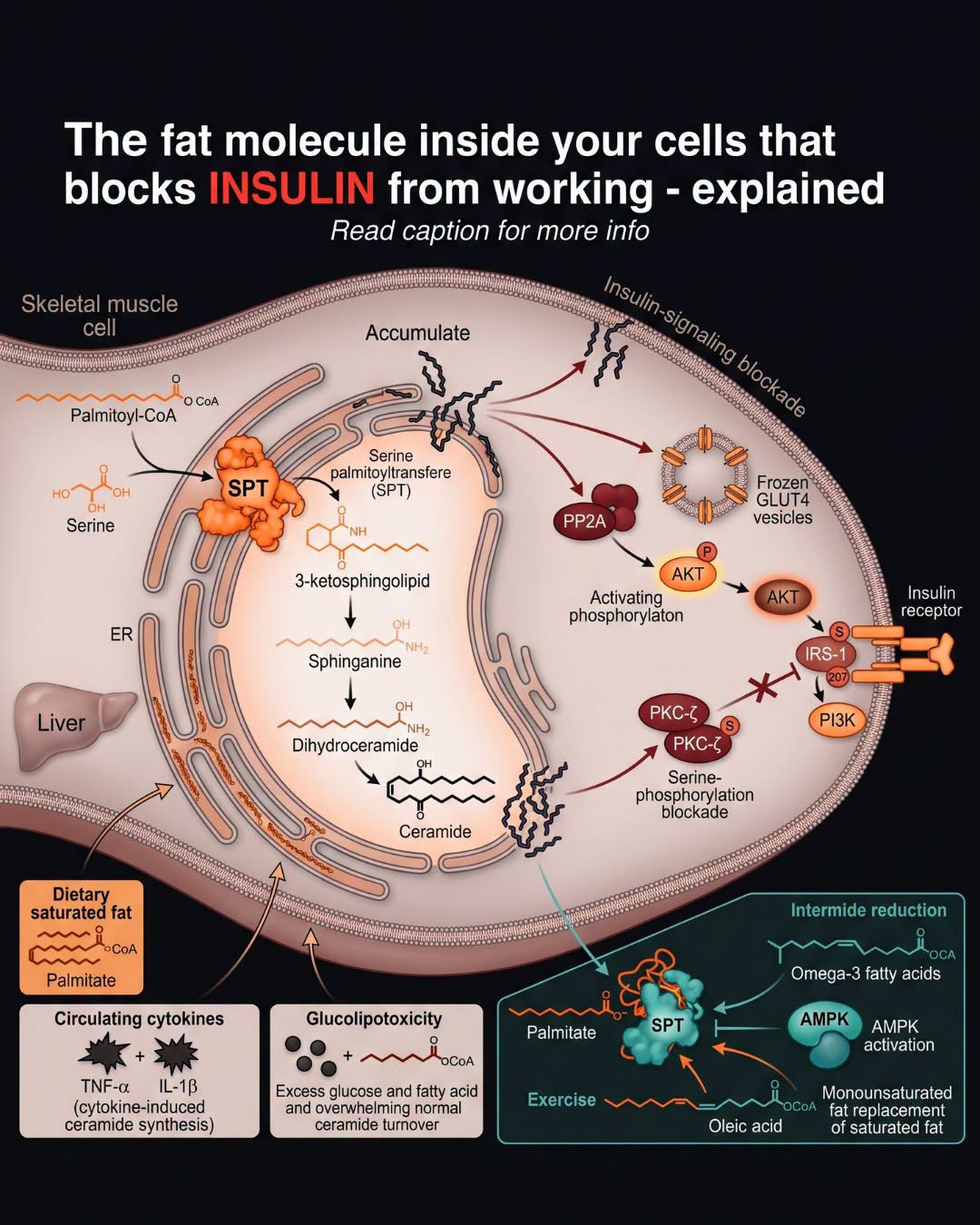
  1. Keto causes bigger temporary insulin resistance than statins, so statin fear is overplayed

    Sep 16, 2024 · Louis Nervegna ♥ 8 · 💬 16 Statins

    Louis argues that keto influencers who fixate on statins slightly reducing insulin sensitivity overlook that a keto diet causes the same effect to a much greater degree. Without carbohydrate, skeletal muscle becomes insulin resistant to preserve glucose for the brain and heart, so a glucose tolerance test on keto looks poor. Both effects are temporary and reverse on stopping.

  2. Charles Grashow's protocol to regress coronary calcium over two years

    Dec 02, 2023 · Gokhan Can ♥ 18 · 💬 7 ↩ 2 Plaque, CAC & CT angiography

    Describes how Charles Grashow responded to worsening coronary calcium in 2020-2021 with an intensive regimen of lifestyle, high-dose nattokinase, LDL-lowering and anti-inflammatory supplements and off-label drugs. His later scans reportedly showed that the trajectory of his coronary disease had reversed. It is a single-patient story, not a trial.

  3. Harvard: swapping red and processed meat for beans, nuts, fish or poultry cuts heart risk

    Apr 11, 2025 · Louis Nervegna ♥ 13 · 💬 7 Protein

    Louis quotes the Harvard Nutrition Source: protein source matters more than quantity. Even small regular amounts of red meat, especially processed, are linked to higher heart disease, stroke and mortality, while replacing them with beans, soy, nuts, fish or poultry appears to lower risk, partly because plant proteins are more unsaturated and cholesterol-free.

  4. Midlife plant protein raised odds of healthy aging 22-58% per 3% of calories (NHS)

    Aug 31, 2024 · Louis Nervegna ♥ 6 · 💬 15 ↩ 7 Protein

    Louis summarizes a Nurses' Health Study analysis of midlife protein and later-life health. Total and animal protein were unfavorably associated with chronic disease, while plant and dairy protein were favorable. Replacing 3% of energy with plant protein (from fats, carbs, animal or dairy protein) raised odds of healthy aging by 22-58%, and the protein came mainly from food rather than supplements.

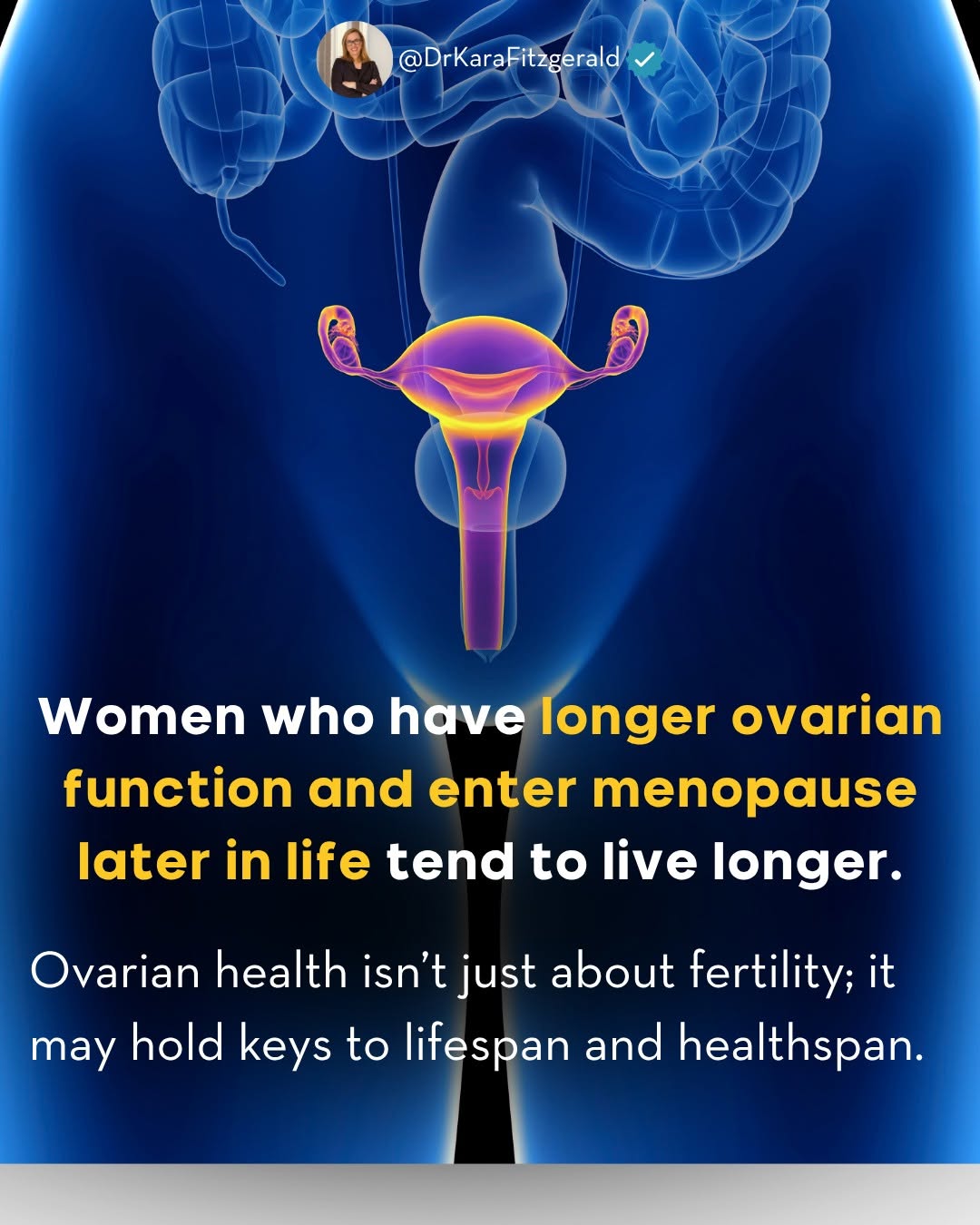
  5. Ovarian aging may track lifespan; early menopause raises heart disease risk in women

    Oct 14, 2025 · Louis Nervegna ♥ 12 · 💬 16 Hormones, women's & men's health

    Louis shares a Pharmacy Times item suggesting ovarian function is tied to lifespan, with anti-Mullerian hormone (AMH) a possible marker. He adds that ovaries are the first organ to age in mammals, slower ovarian aging relates to longer life, and early menopause is a heart disease risk factor; rodent studies show interventions slowing ovarian aging extend life.

  6. The 12-step biology of atherosclerosis, from endothelial dysfunction to heart attack

    Apr 01, 2025 · Louis Nervegna ♥ 20 · 💬 6 Plaque, CAC & CT angiography

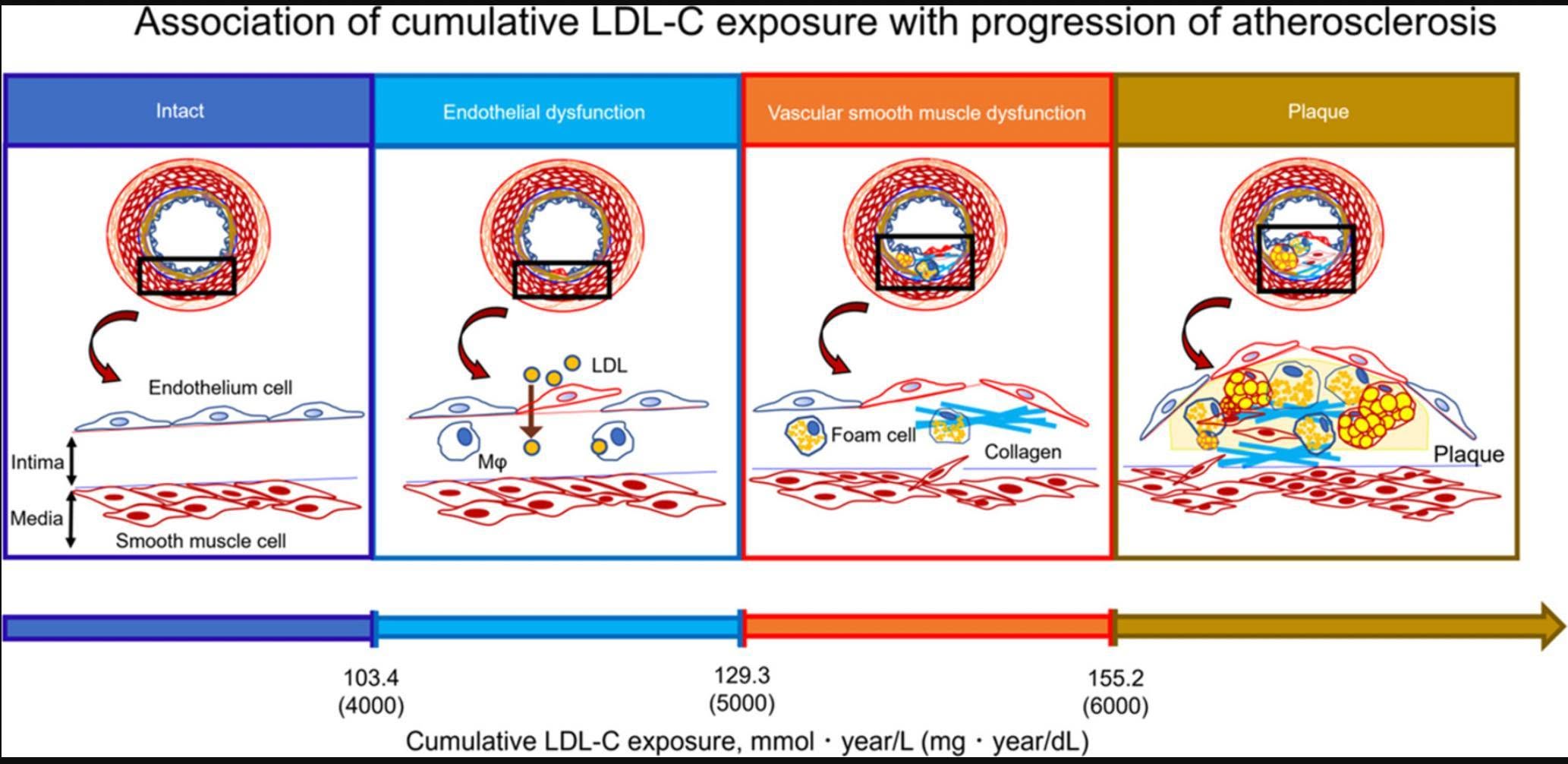
    Louis shares an article laying out the 12 steps by which atherosclerosis forms and leads to a heart attack. The steps run from endothelial dysfunction and lipoprotein entry into the intima, through retention, modification, immune activation, foam cells, necrotic core, plaque growth and calcification, to plaque rupture or erosion and thrombus formation.
  7. COSMOS: 2 years of a basic multivitamin slowed biological aging by about 4 months

    Mar 09, 2026 · Louis Nervegna ♥ 9 · 💬 10 Supplements & vitamins

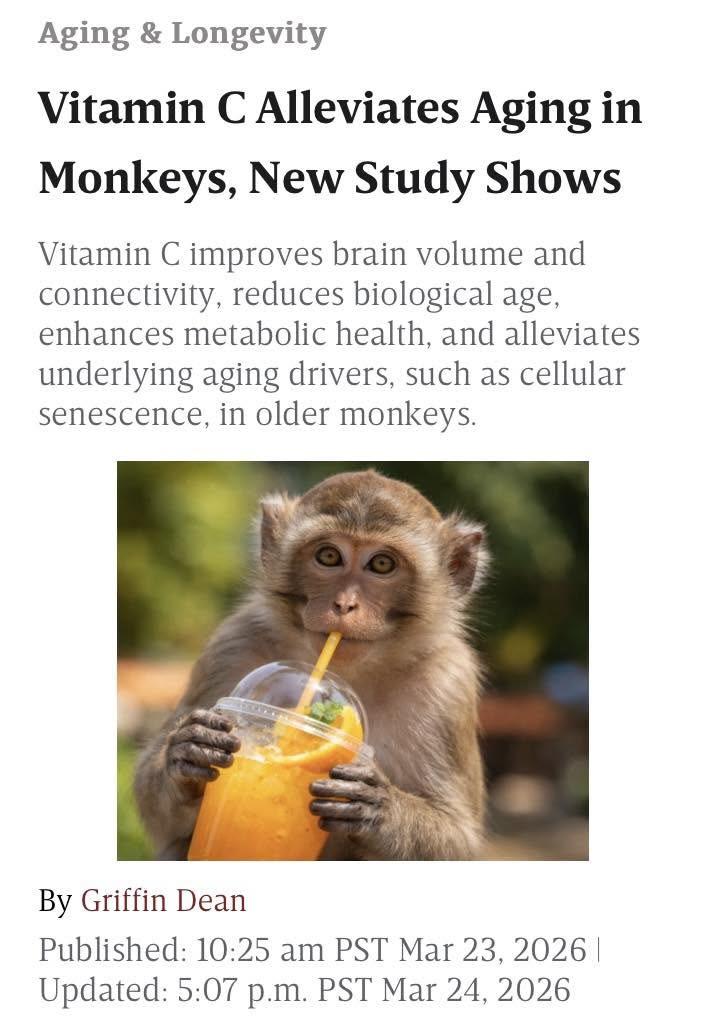
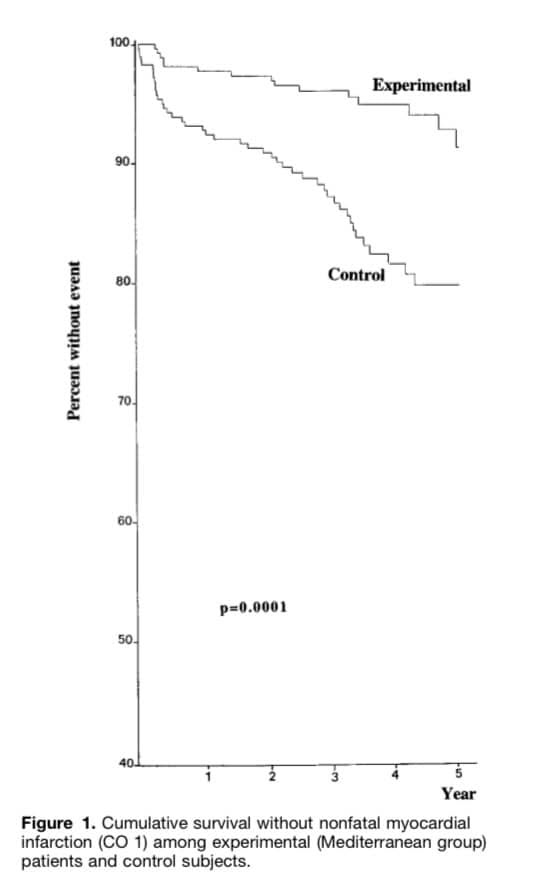
    Latest COSMOS publication from Harvard and Mass General Brigham: a daily RDA-level multivitamin (Centrum Silver) slowed five epigenetic-clock measures of biological aging, with the largest gains in participants who were biologically older than their age at baseline. The poster stresses this was a standard multivitamin, not a megadose, and recalls that COSMOS earlier showed slower cognitive decline.

  8. Plaque starts in neck and leg arteries decades before the heart; calcium scores miss it

    Sep 17, 2026 · Gokhan Can ♥ 17 · 💬 5 Plaque, CAC & CT angiography

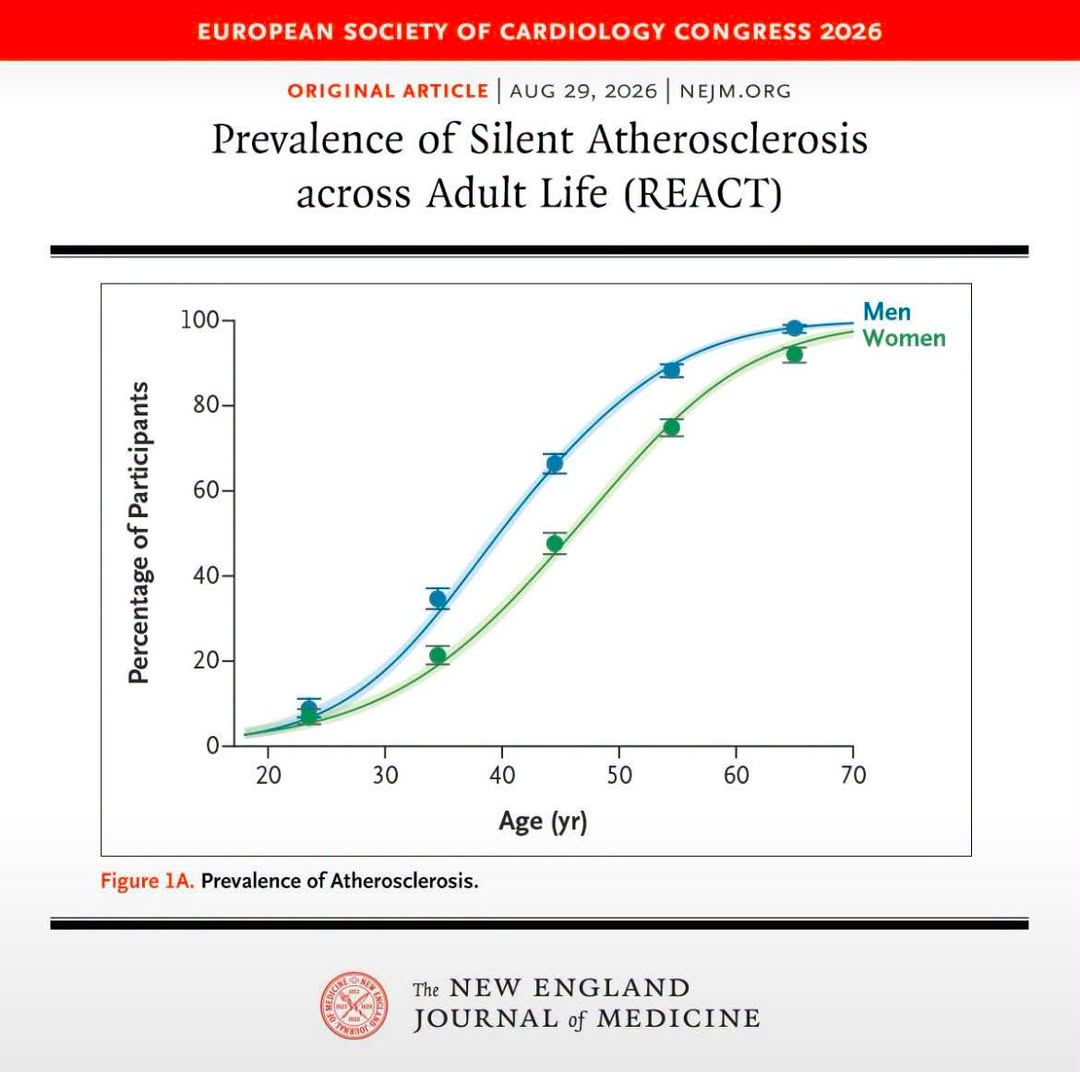
    The post summarises a video describing an NEJM study of 16,000 asymptomatic people showing plaque accumulates first in the neck and leg arteries, during the 20s to 40s, before the heart. Heart scans such as coronary calcium may therefore miss early disease; carotid intima-media thickness ultrasound can detect peripheral plaque, and the ankle-brachial index offers a simple at-home check for leg artery blockage.

  9. Very low-carb diets rarely push A1C below 5 because of physiological insulin resistance

    May 25, 2026 · Louis Nervegna ♥ 11 · 💬 11 Low-carb, keto & carnivore

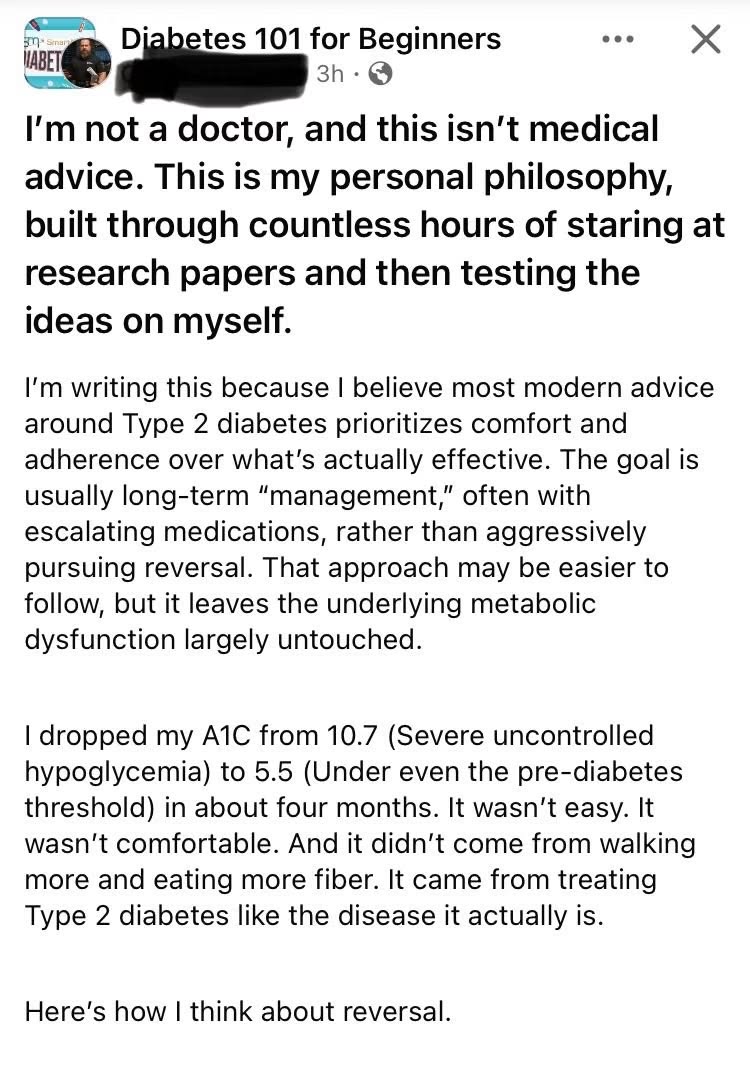
    Louis argues that in people who already have low A1C, severe carb restriction makes muscles temporarily insulin resistant to spare glucose for heart and brain, so blood sugar can rise rather than fall. This 'adaptive glucose sparing' or 'pseudo-diabetes' also explains why people on long-term keto often fail glucose tolerance tests. Personal observation and physiology reasoning rather than a cited trial.

  10. Upcoming RCT will test red wine vs CVD; Louis explains why he drinks mild red wine

    Jun 10, 2025 · Louis Nervegna ♥ 17 · 💬 7 Alcohol, smoking & vaping

    Louis announces a planned 5-year randomized trial of red wine and cardiovascular disease, run in PREDIMED style by the same principal investigator, with cancer and all-cause mortality as secondary endpoints. Meanwhile he drinks red wine several days a week, citing PREDIMED data where a biomarker of mild-to-moderate wine intake was linked to 50% lower risk. This is a personal view, not proof of benefit.

  11. Hong Kong's 86-year life expectancy goes with a grain, vegetable and fruit heavy diet

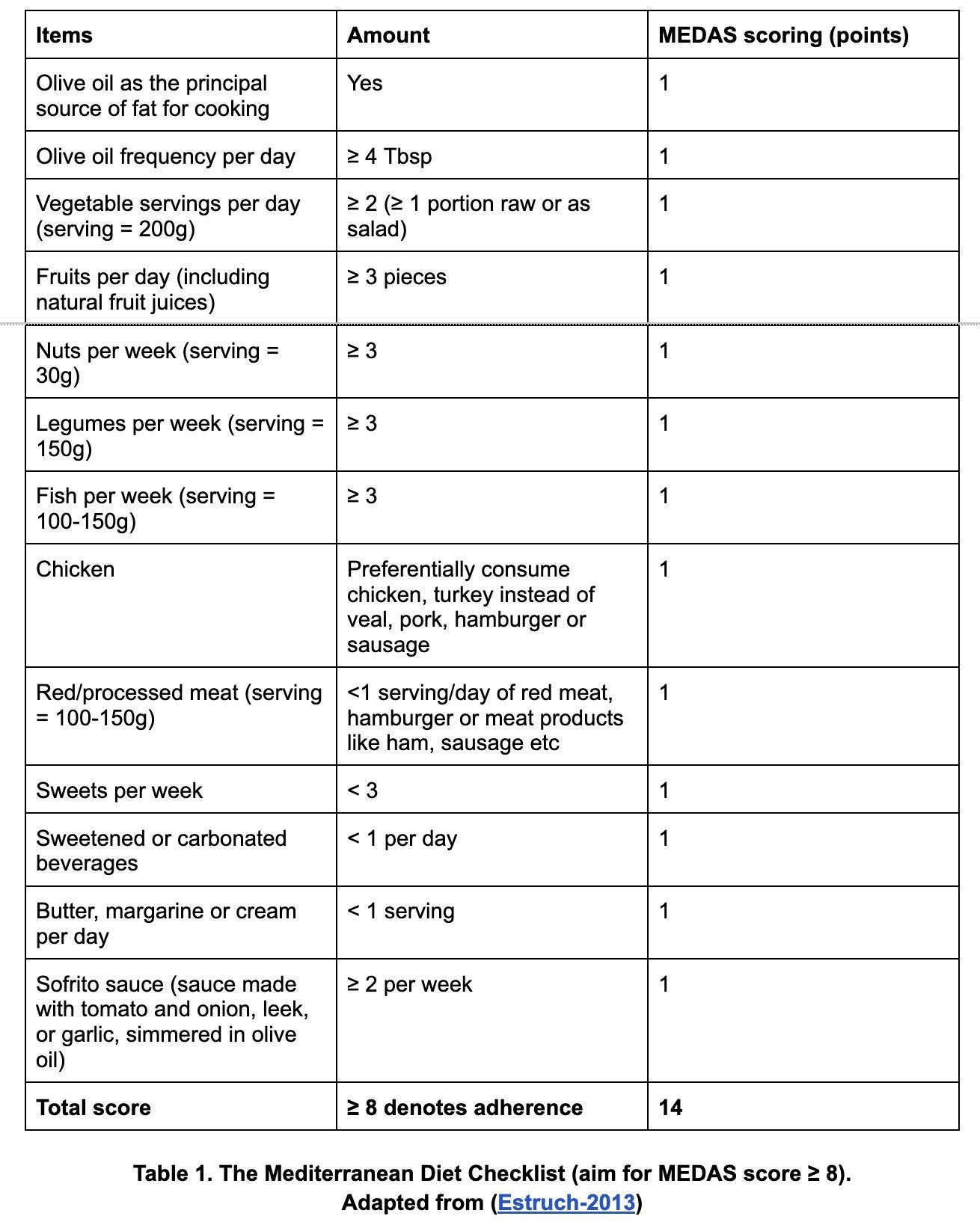
    Sep 03, 2024 · Louis Nervegna ♥ 8 · 💬 15 Mediterranean, DASH, MIND & plant-forward diets

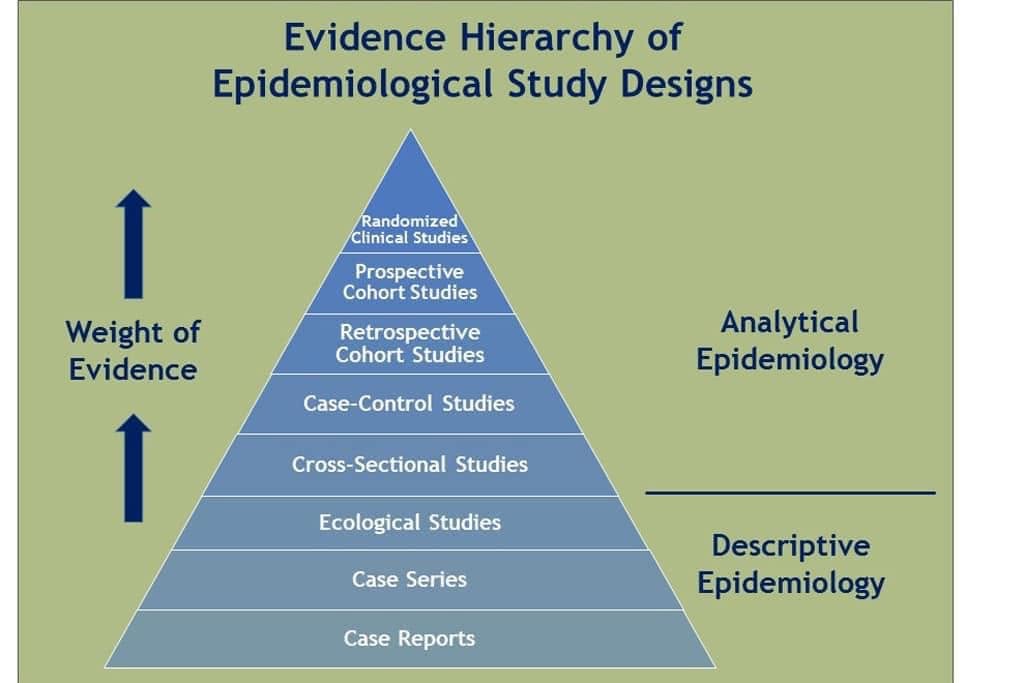
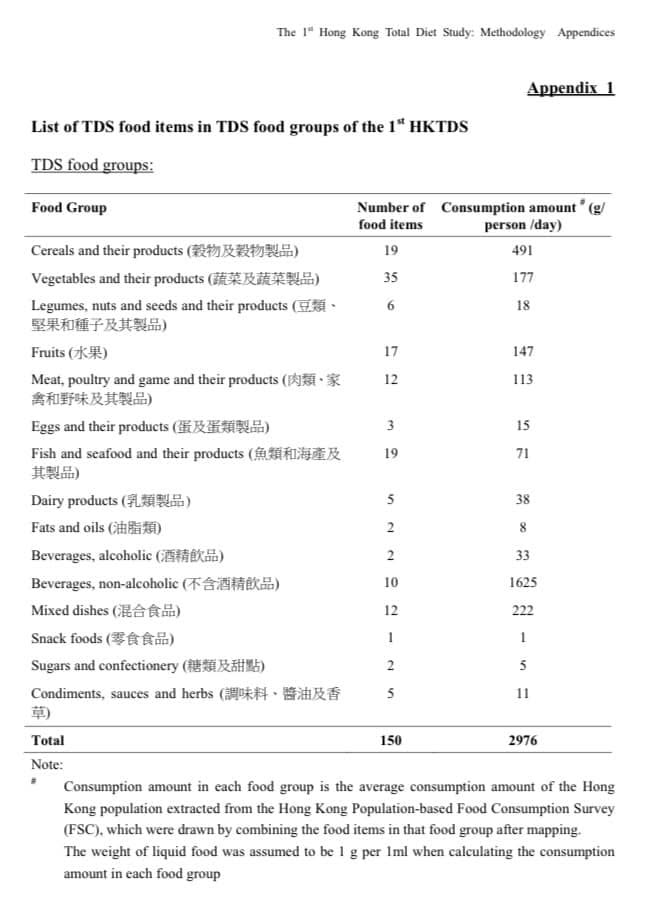
    Louis notes Hong Kong life expectancy of 86 years versus 76 in the US and cites a 2011 government Total Diet Study of 5,008 adults aged 20-84. Daily intake by weight was led by cereal grains (491 g), then vegetables (177 g), fruit (147 g), meat and poultry (113 g) and fish (71 g). Dairy, eggs, legumes, nuts, sugars and added fats were low, and he uses it to counter carnivore claims. It is an ecological observation.
  12. Saturated fat 'no harm' studies usually compare with the Western diet, not healthy foods

    Aug 26, 2024 · Louis Nervegna ♥ 17 · 💬 5 ↩ 2 Fats & oils (saturated fat, seed oils, omega-6, olive oil)

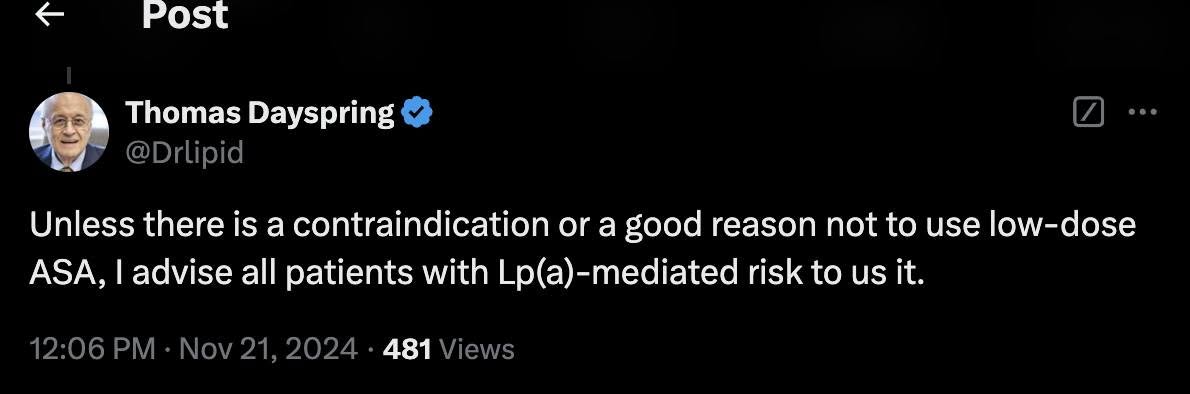
    Louis argues that studies finding saturated fat does not raise CVD risk typically use the standard Western diet, which has over 40% of calories from refined starch and sugar, as the comparator. When compared with fruits, vegetables, legumes, whole grains, olive oil, nuts, fish or unsaturated fats, saturated fat consistently raises risk. He notes some exceptions, such as full-fat yogurt and cocoa butter in dark chocolate.

  13. JACC statement on geroscience: why aging drives CVD and how to slow cardiovascular aging

    Dec 16, 2023 · Louis Nervegna ♥ 11 · 💬 11 ↩ 2 Aging & longevity

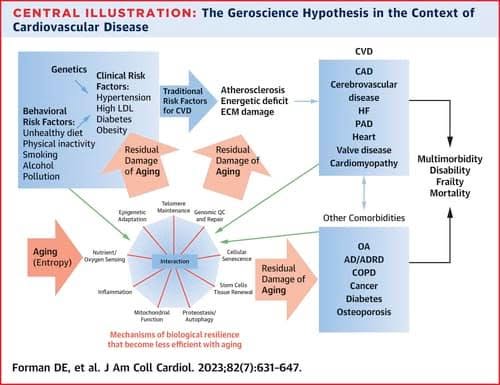
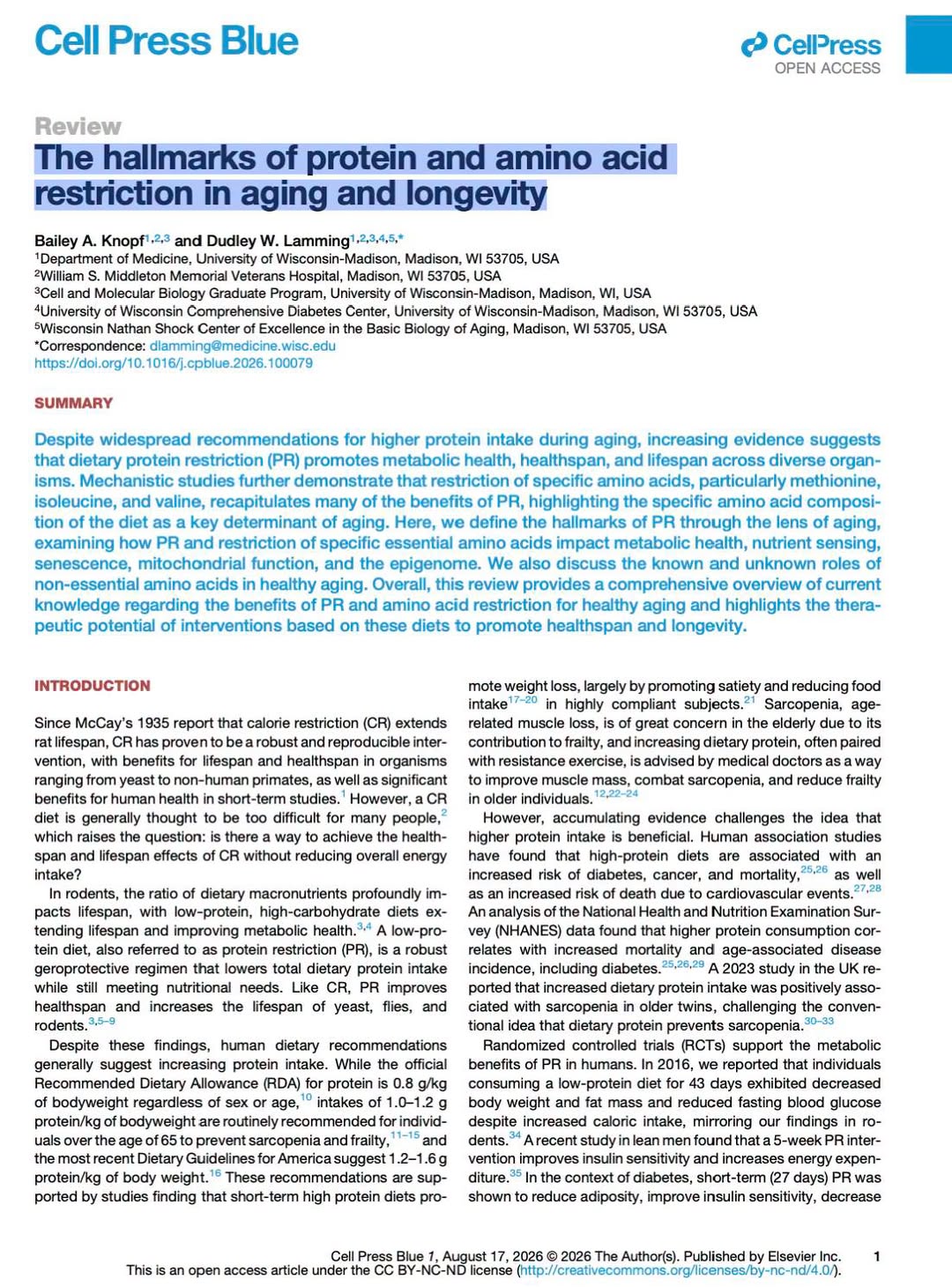
    Louis calls the JACC Scientific Statement on geroscience the best review so far of why age is the largest CVD risk factor. It argues aging is a common root of chronic disease, explaining multimorbidity, frailty and poorer CVD prognosis in older adults, and describes gerotherapeutic approaches, some already used in CVD care, that could transform management.

  14. Multivitamin trials slow cognitive decline; possible relevance to heart disease patients

    Jan 19, 2024 · Louis Nervegna ♥ 10 · 💬 12 Supplements & vitamins

    Louis notes large randomized trials now show a basic RDA-level multivitamin can slow cognitive decline in older people. He speculates this could matter for heart disease patients because cognitive decline and heart disease are closely linked in older people, so a simple multivitamin might mitigate some added risk. The heart-specific benefit is a hypothesis, not shown in the post.

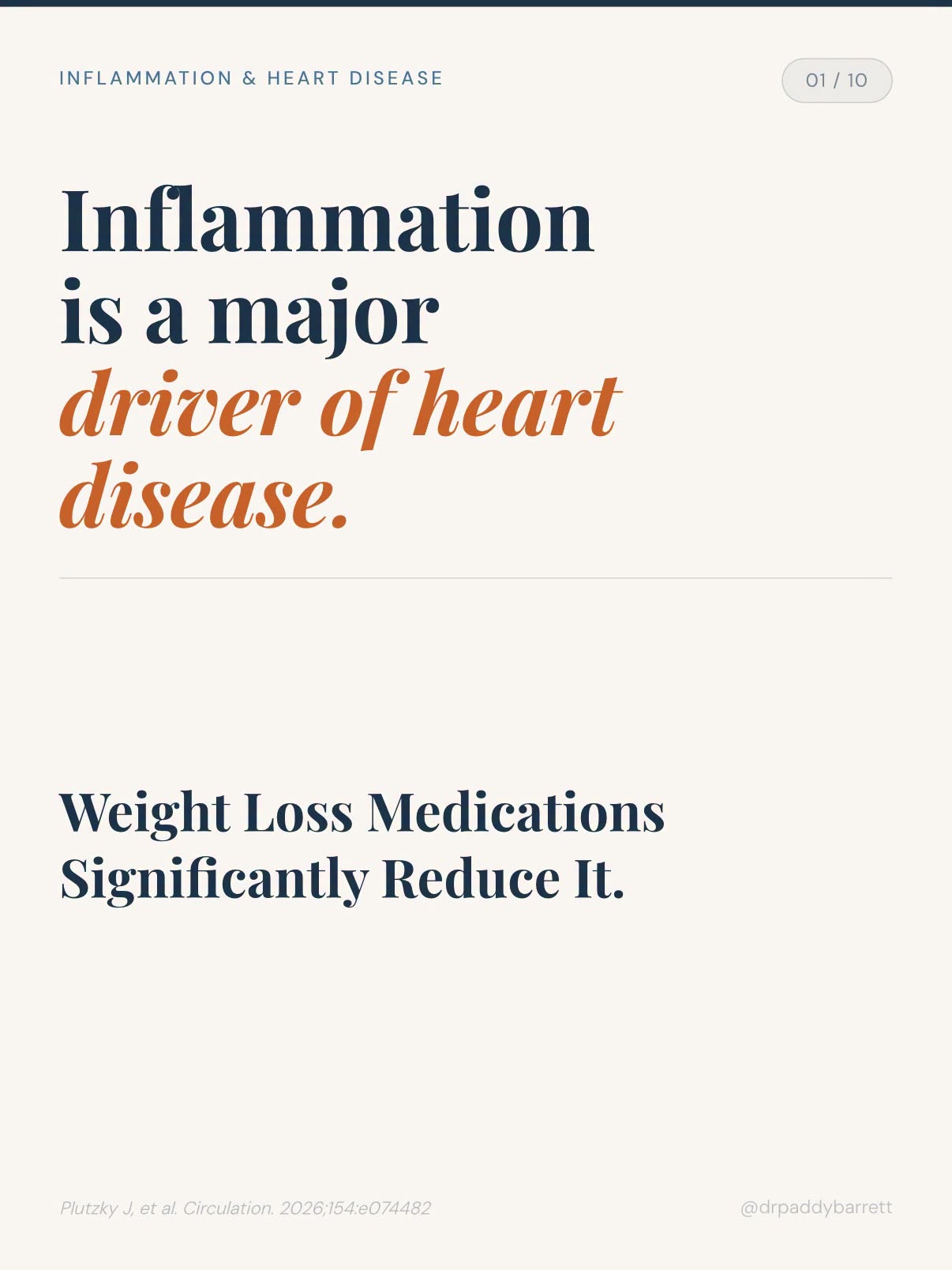
  15. Semaglutide cut inflammation 38% in SELECT; biggest drops tracked with fewer events

    Aug 21, 2026 · Louis Nervegna ♥ 20 · 💬 4 GLP-1 drugs (semaglutide, tirzepatide)

    A new analysis of the SELECT trial asks why semaglutide reduced cardiovascular events. Inflammation markers fell 38% versus placebo, early and even in people who lost little weight, and those with the biggest drops had the fewest events. Modelling suggests part of the drug's benefit runs through lower inflammation, though this shows a link rather than proof of cause.

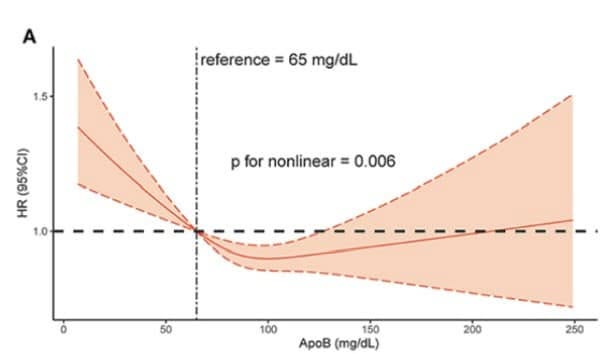
  16. U-shaped ApoB-mortality curve turns linear after adjusting for bilirubin and malnutrition

    Jun 01, 2024 · Louis Nervegna ♥ 13 · 💬 5 ↩ 1 LDL, ApoB & lipid panel

    Louis explains a 2022 Chinese cohort of about 36,500 people showing the commonly observed U-shaped relationship between ApoB and all-cause mortality disappears once comorbidities, bilirubin and malnutrition are corrected for. Low ApoB at older ages appears to be a consequence of illness and wasting rather than a cause of death, consistent with RCT and Mendelian randomization evidence that the low-end increase is not causal.

  17. Pooled blinded trials: statins cause only about 1 in 15 reported muscle aches

    Oct 23, 2026 · Louis Nervegna ♥ 7 · 💬 12 Statins

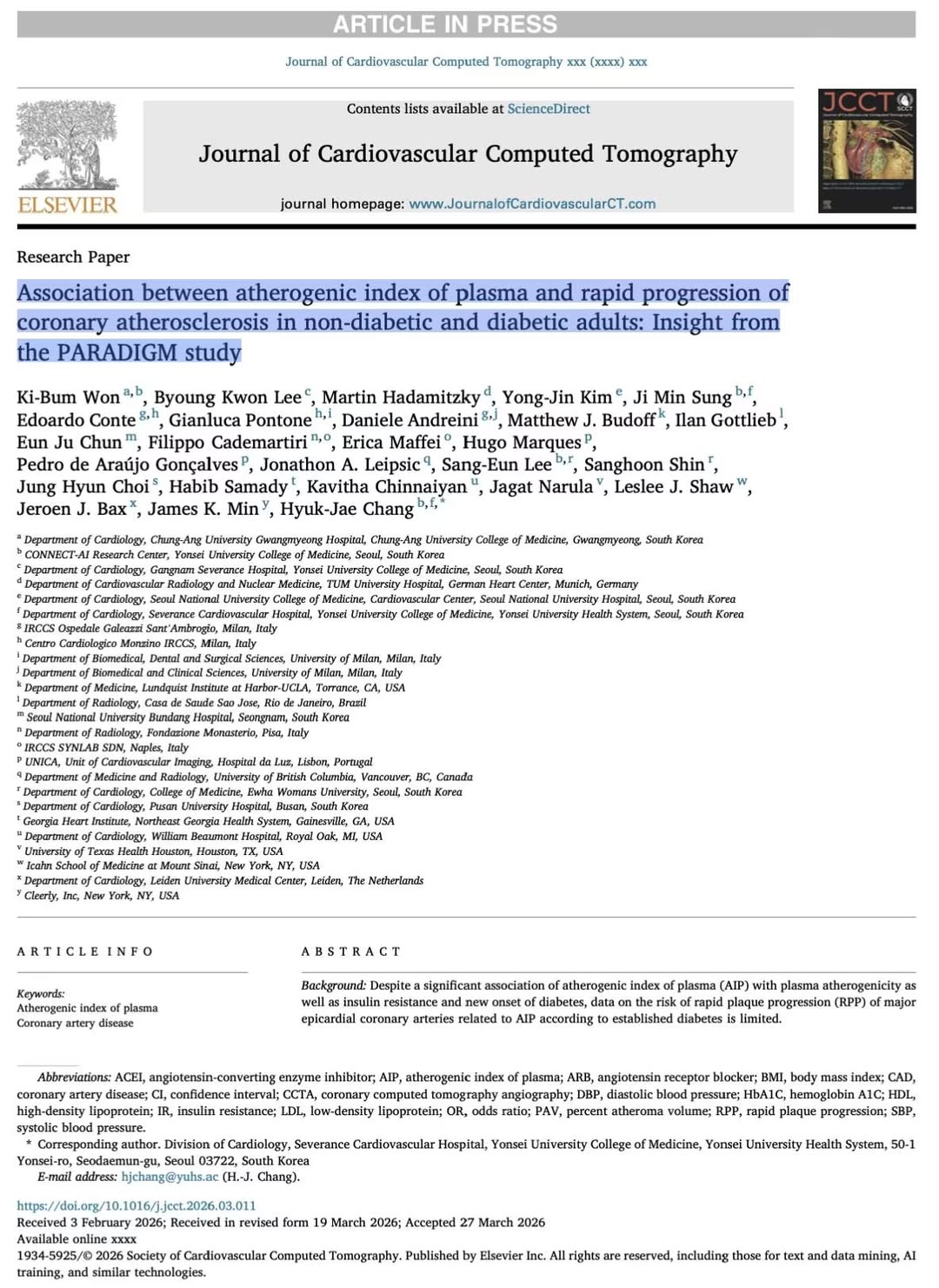
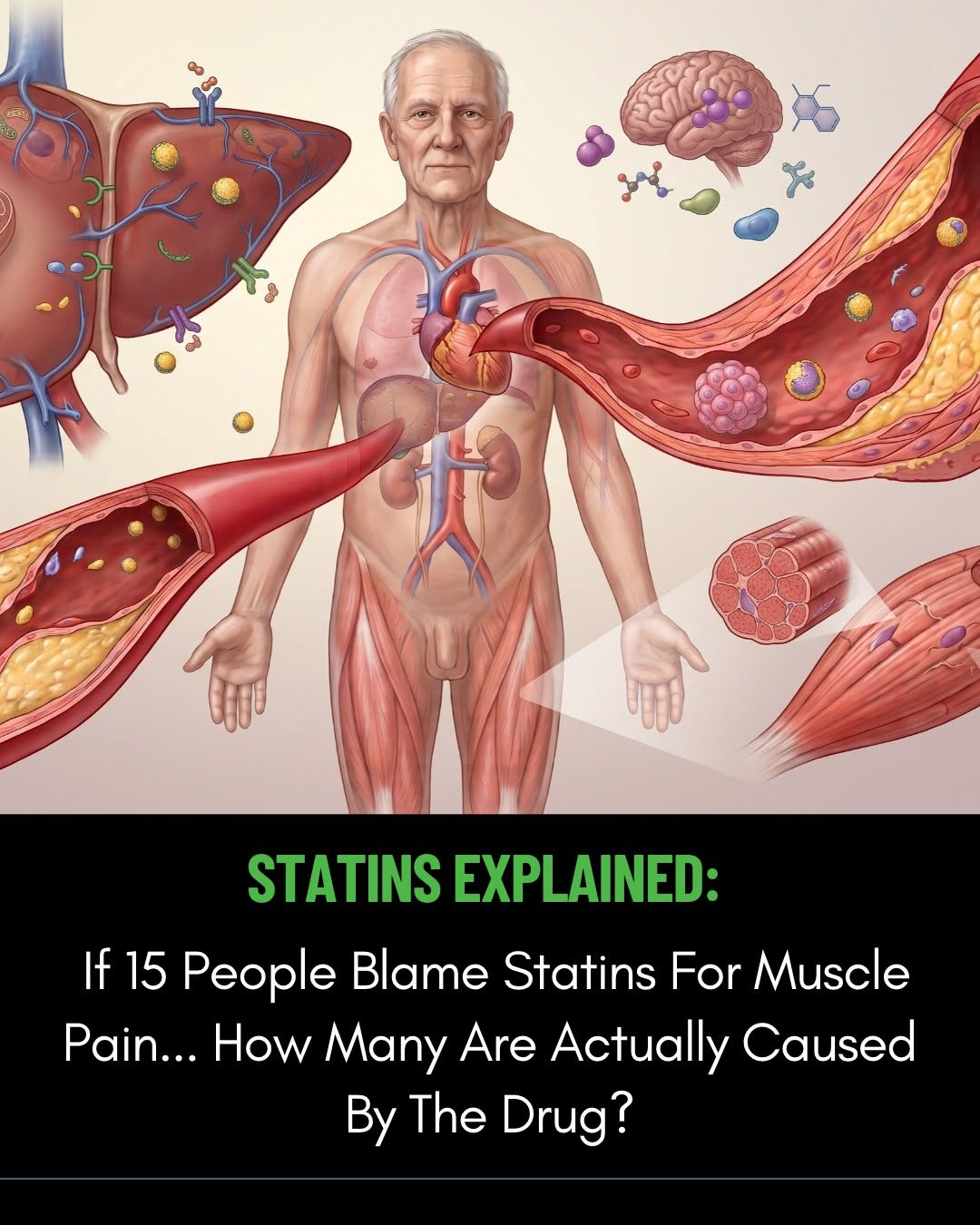
    A pooled analysis of 19 blinded trials with 123,940 people found that over about four years, 27.1 of 100 on a statin reported muscle pain or weakness versus 26.6 of 100 on placebo. This implies that the vast majority of muscle complaints on statins are not caused by the drug, consistent with a nocebo effect.

  18. White potatoes: short-term endothelial decline (MODERATE) and more hypertension in cohorts

    Apr 19, 2026 · Louis Nervegna ♥ 12 · 💬 7 Blood vessels, circulation & endothelium

    Summarizes the MODERATE trial, where participants who ate boiled, baked or mashed potatoes in the previous 24 hours had 1.7% lower flow-mediated dilation, roughly the 1.2%-per-decade aging decline for 14 years, as a short-term effect. It is linked to cohort data (Nurses' Health Studies and Health Professionals) tying baked, boiled or mashed potatoes to hypertension.
  19. Super-oxidized fish oil fed for 7 weeks caused no harm in human trial

    Sep 17, 2026 · Louis Nervegna ♥ 16 · 💬 7 Supplements & vitamins

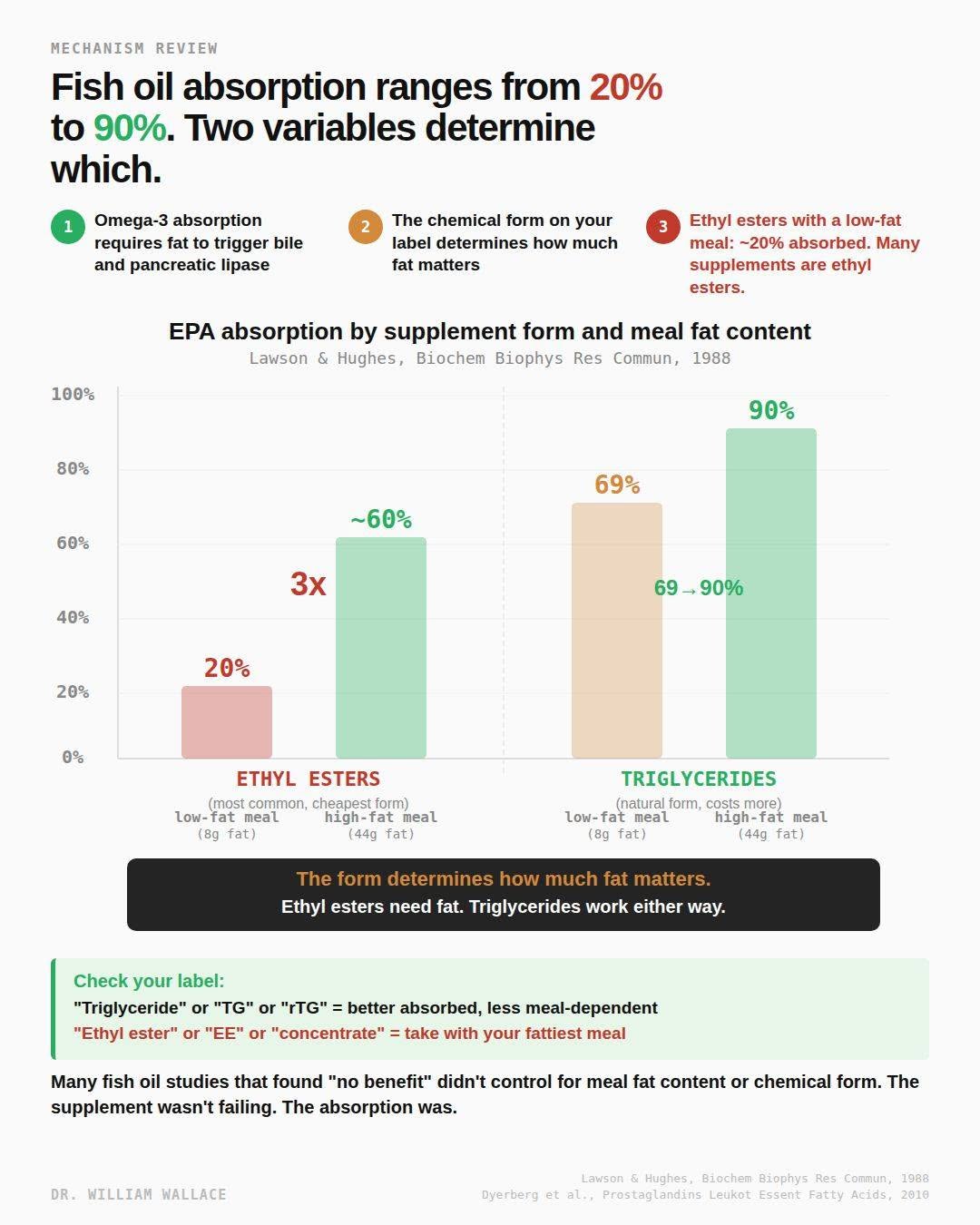
    The poster shares a Bill Harris clip arguing oxidized fish oil is likely not harmful. In the trial described, researchers deliberately super-oxidized fish oil and gave it to participants for 7 weeks, finding no difference in oxidation, peroxidation, inflammation, glucose, lipids or liver enzymes versus non-oxidized fish oil.

  20. Finland's North Karelia Project: less saturated fat, CHD deaths down nearly 80%

    Dec 03, 2025 · Louis Nervegna ♥ 7 · 💬 16 ↩ 1 Fats & oils (saturated fat, seed oils, omega-6, olive oil)

    Louis shares a Tom Rifai summary of Finland's 1970s turnaround, led by the North Karelia Project, where the population cut saturated fat and shifted to rapeseed, sunflower and soybean-based margarines and oils. Serum cholesterol fell about 15-20% and CHD mortality fell nearly 80% in working-age men, although smoking and blood pressure improvements also contributed.

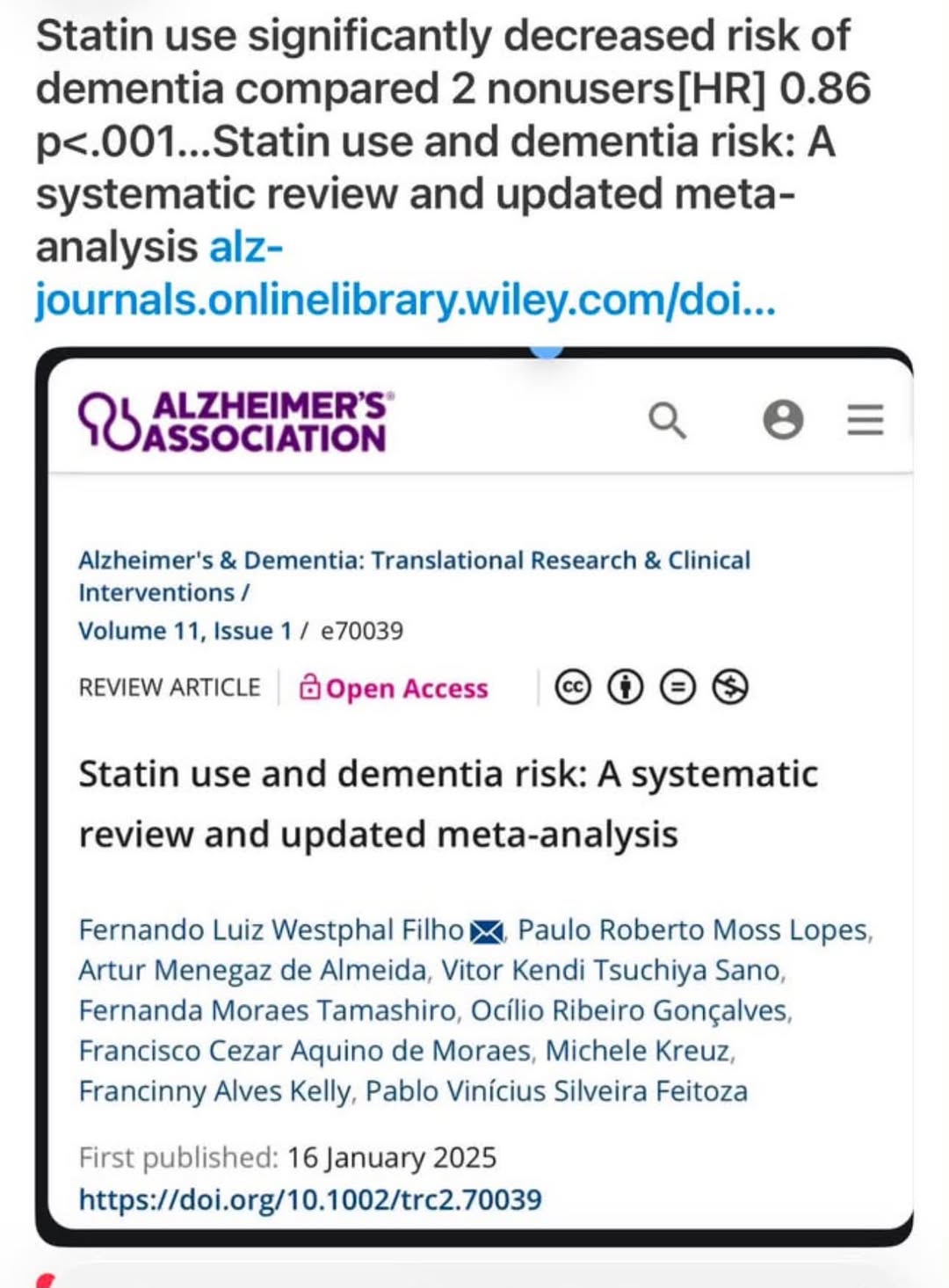
  21. PREVENTABLE: 20,000-person trial of atorvastatin 40 mg to prevent dementia over age 75

    Jun 23, 2025 · Louis Nervegna ♥ 16 · 💬 5 Statins

    Louis describes the ongoing PREVENTABLE trial, which randomizes about 20,000 community-dwelling adults aged 75+ to atorvastatin 40 mg or placebo to test whether statins prevent dementia. Atorvastatin was chosen because it is lipophilic and crosses the blood-brain barrier; the trial began in 2020 and is still recruiting.

  22. Metformin is being tested for CVD, cancer and Alzheimer's, but mechanisms are unclear

    Mar 08, 2024 · Louis Nervegna ♥ 14 · 💬 8 Insulin resistance & diabetes

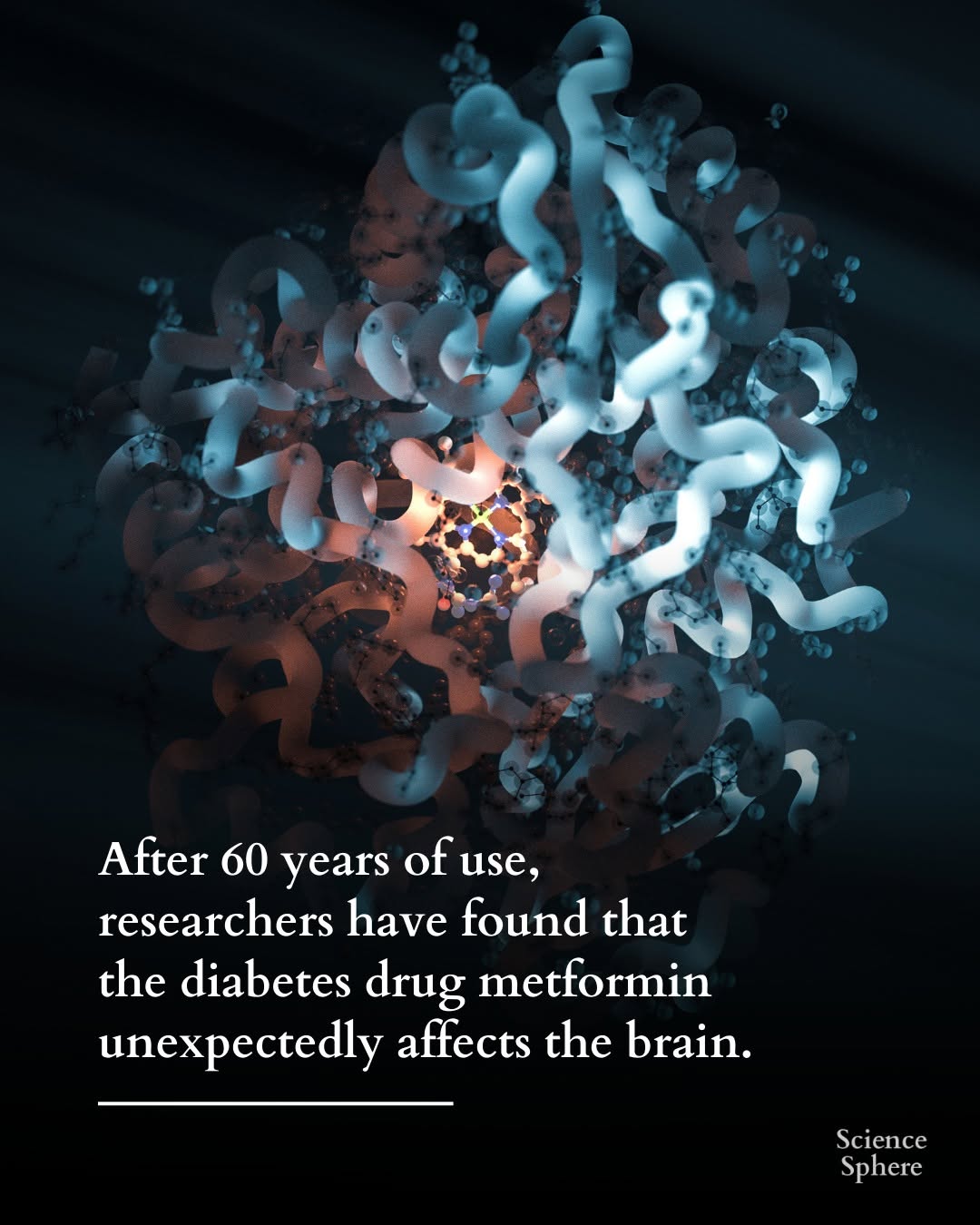
    Louis shares a Medscape article on renewed academic interest in metformin for conditions beyond diabetes, including cardiovascular, neurodegenerative, liver, kidney disease and cancers. Many new trials are underway, and it is unclear whether benefits come from glucose lowering and insulin sensitizing or other actions like mTOR inhibition. This is emerging, not established, evidence.

  23. Dietary fat and mortality meta-analysis: polyunsaturated favorable, trans fat harmful

    Dec 01, 2023 · Gokhan Can ♥ 9 · 💬 9 Fats & oils (saturated fat, seed oils, omega-6, olive oil)

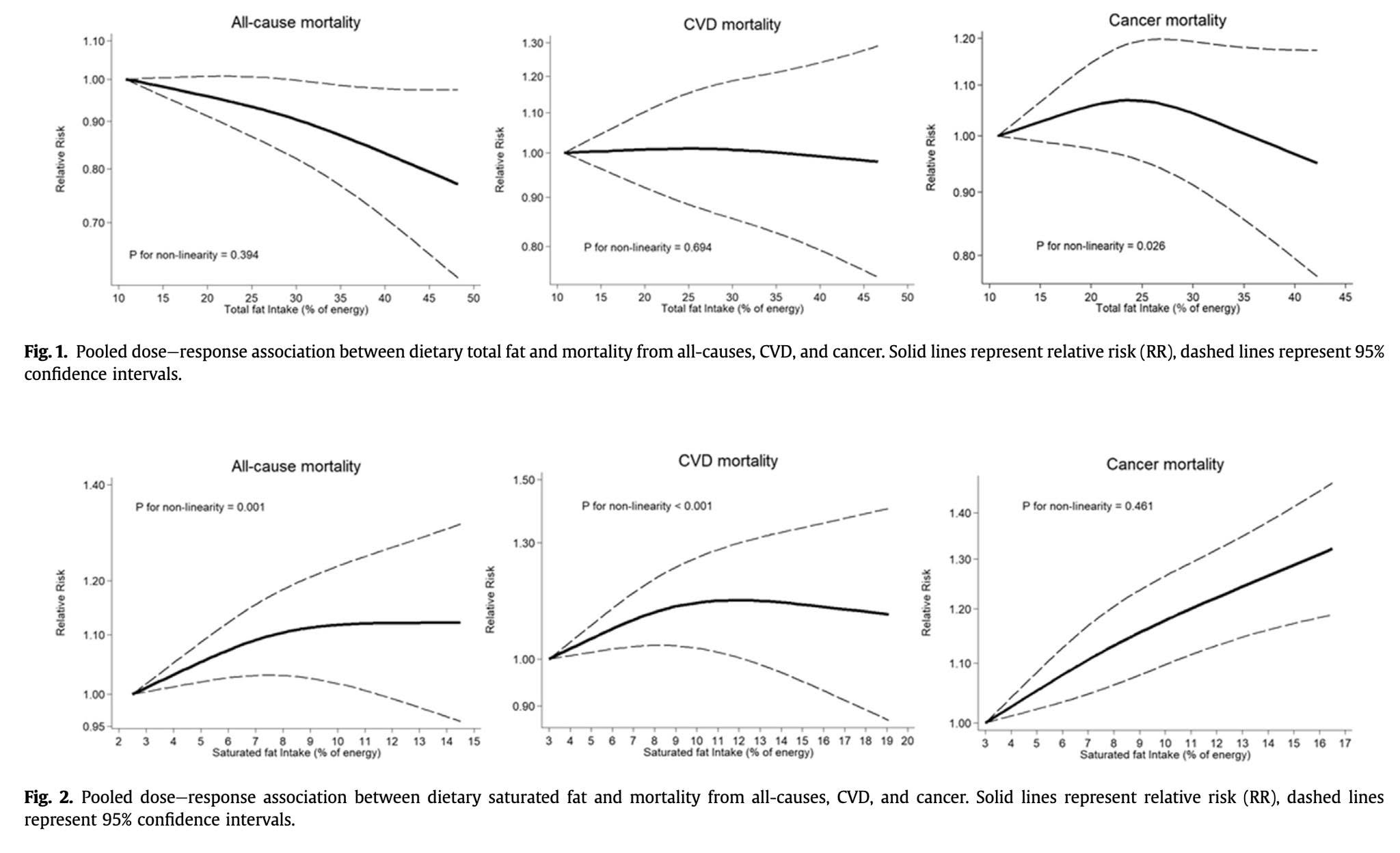
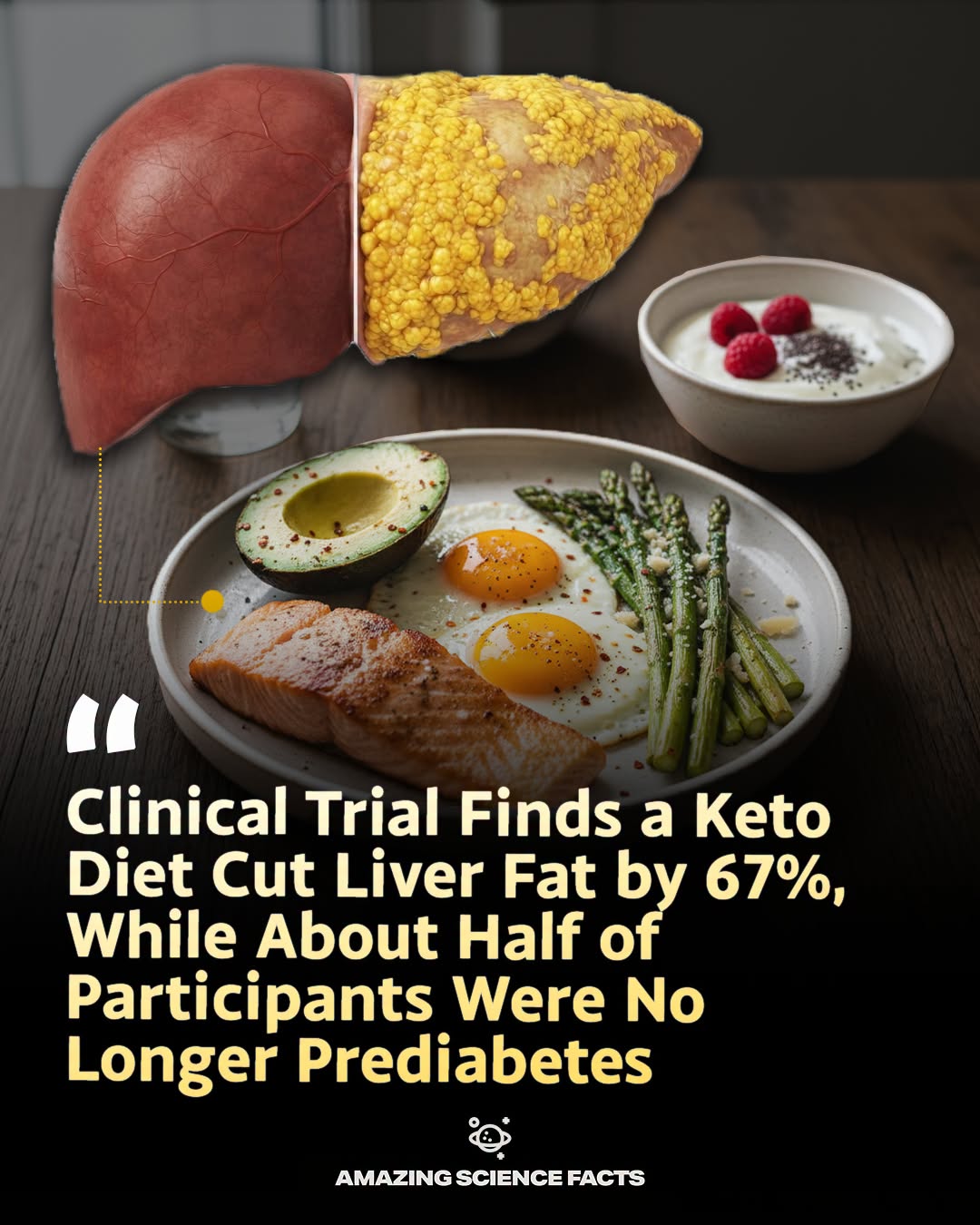
    Summarizes a meta-analysis of 19 prospective cohorts (over 1 million participants) on dietary fat and mortality. Higher total, monounsaturated and especially polyunsaturated fat were associated with lower mortality, trans fat with higher mortality, and saturated fat showed a non-linear pattern with excess risk up to about 11% of energy.

  24. About 95% of acute-thrombosis heart attacks involve soft plaque, not calcified plaque

    Oct 03, 2026 · Louis Nervegna ♥ 9 · 💬 9 Plaque, CAC & CT angiography

    The post says about 64% of heart attacks from acute thrombosis come from rupture of soft lipid-rich plaque and about 25% from erosion of soft plaque, while only about 5% involve calcified nodules. Because statins and other lipid-lowering drugs stabilize and reverse soft plaque, the poster argues they address the plaque type most responsible for heart attacks.

  25. Nocebo effect explained about 90% of symptoms in patients who quit statins (SAMSON trial)

    Apr 15, 2024 · Louis Nervegna ♥ 9 · 💬 9 ↩ 9 Statins

    Louis highlights the SAMSON n-of-1 study of people who had stopped statins for side effects. Symptom intensity was similar on placebo and atorvastatin, and both were significantly greater than during a no-tablet period, suggesting most symptoms were due to a nocebo effect. He calls it one of the most eye-opening studies he has read.