HD-OPM Archive

Most popular posts 801–900

  1. Sabatini on diet and mTOR: limit amino acids and insulin; ~18 h fasting may inhibit mTORC1

    Dec 09, 2024 · Louis Nervegna ♥ 10 · 💬 11 ↩ 3 Aging & longevity

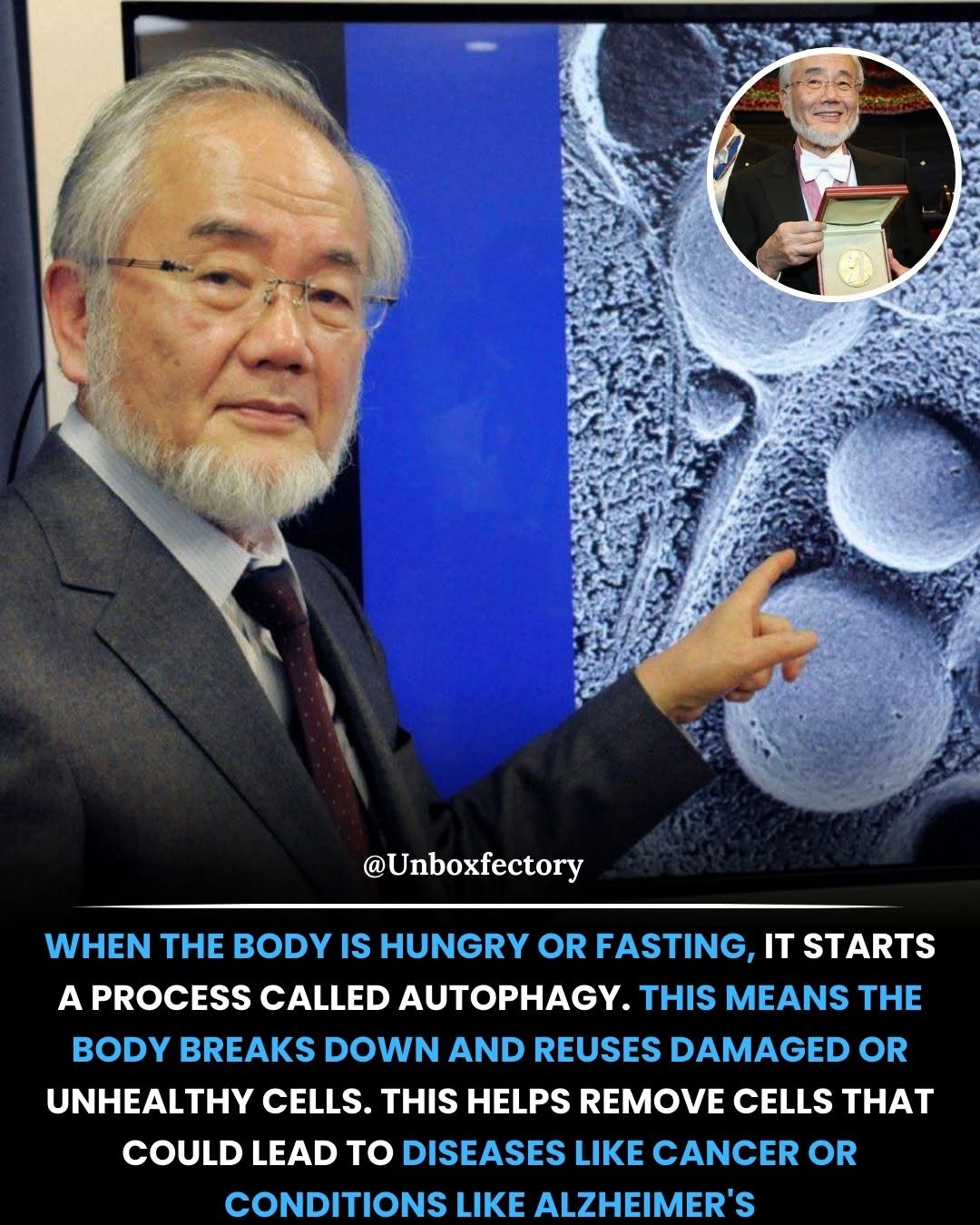
    Louis shares notes on a David Sabatini interview about how diet affects mTOR and autophagy. Sabatini suggests low amino acid or low carbohydrate diets lower mTOR, favors a higher-carbohydrate diet of low-glycemic carbs, and thinks mTORC1 senses total daily insulin. He guesses about 18 hours of fasting inhibits mTORC1, while stressing nobody has all the answers.

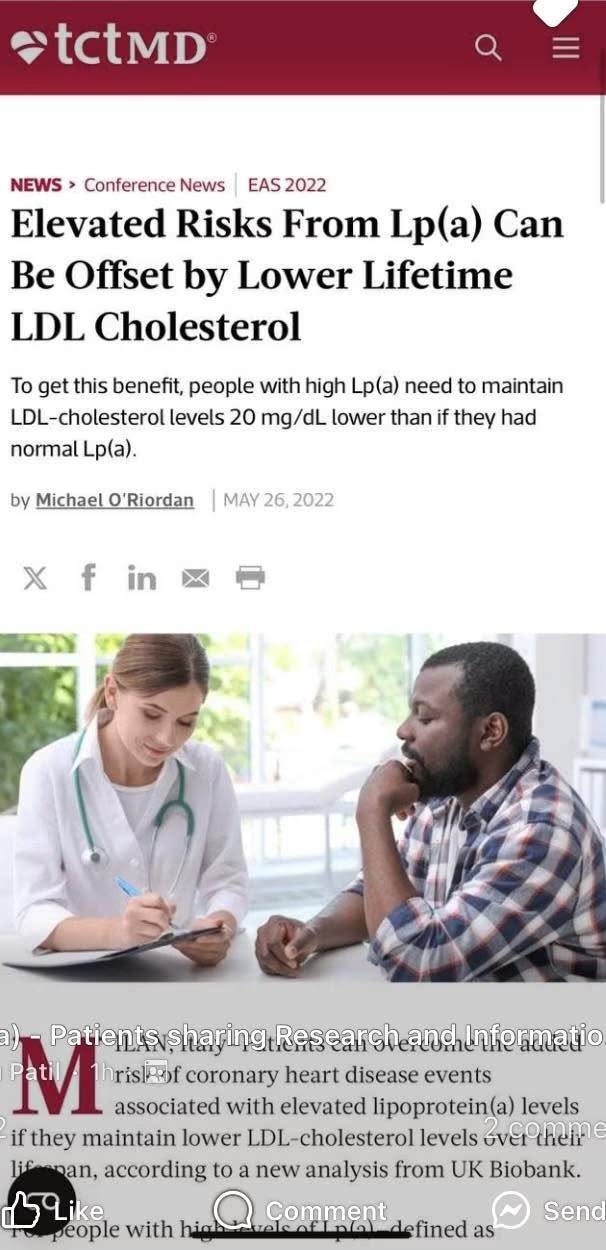
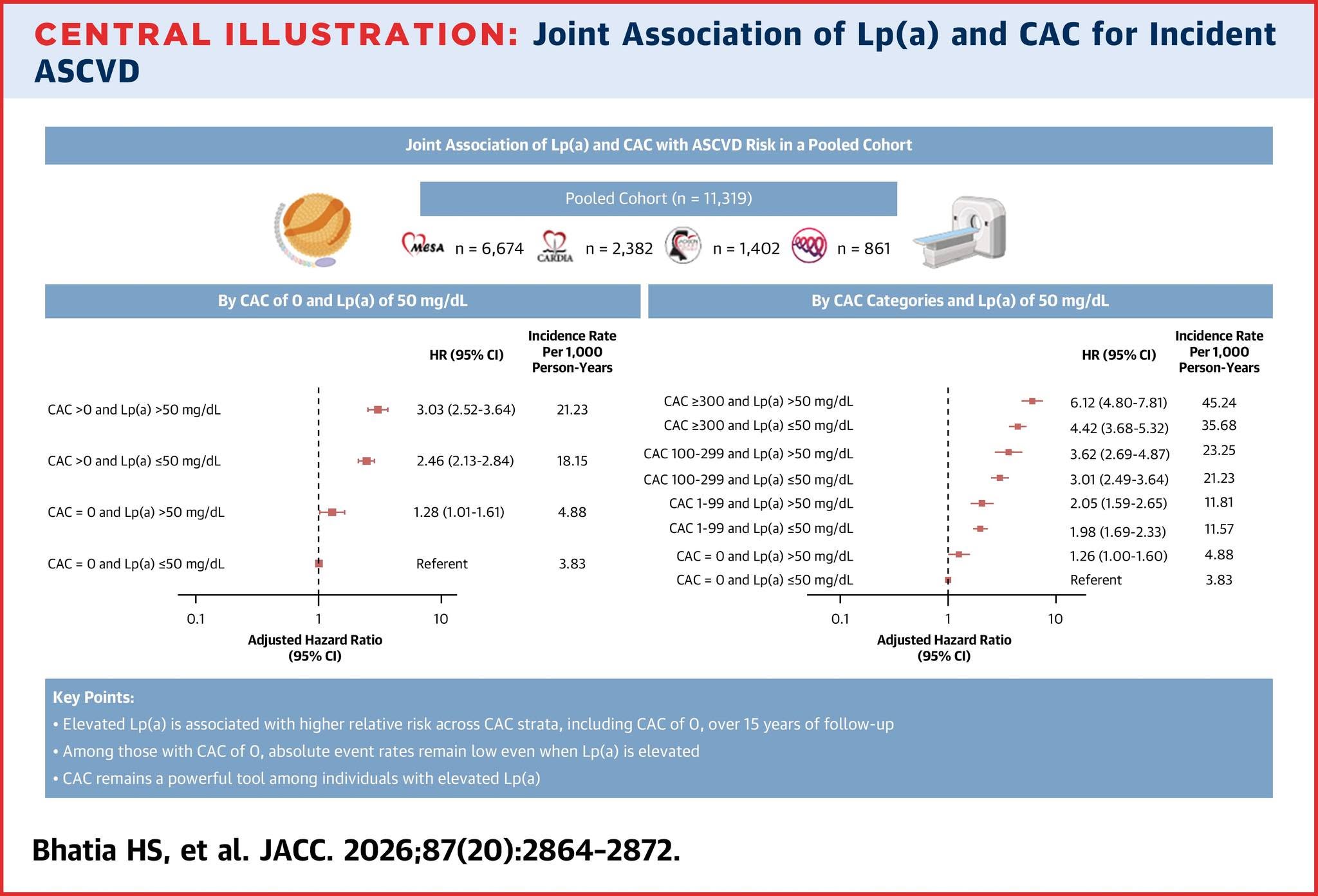
  2. High Lp(a) risk offset by about 19 mg/dL lower lifelong LDL-C in UK Biobank analysis

    Oct 23, 2025 · Louis Nervegna ♥ 13 · 💬 6 Lp(a)

    Louis shares a TCTMD report on a Ference analysis of 445,765 UK Biobank participants using genetic (natural randomization) methods. Lifelong high Lp(a) was associated with a projected 37% higher risk of major coronary events, completely offset by lower lifetime LDL-C; the later LDL lowering starts, the larger the reduction required.

  3. Meat-heavy, low-carb health influencers rarely reach 90, per a video survey

    Apr 19, 2025 · Louis Nervegna ♥ 13 · 💬 13 Aging & longevity

    Louis shares a video series surveying ages at death of over 100 health influencers and says those advocating diets high in red and processed meat and low in whole grains, fruit, vegetables and legumes did not live long. Richard Bernstein, who died at 90, is the only one he found who reached 90. This is an anecdotal tally, not controlled evidence.

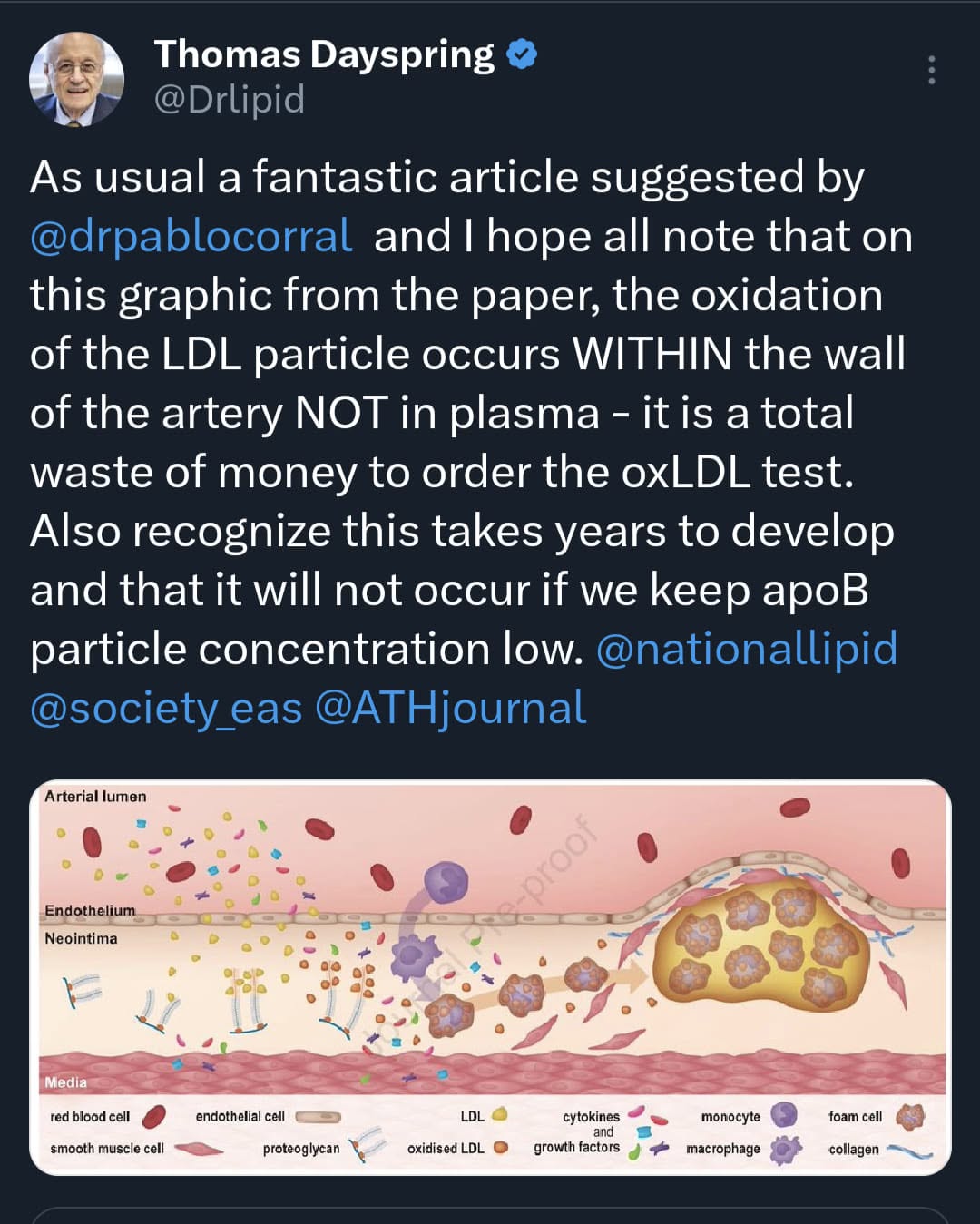
  4. How LDL causes atherosclerosis: oxidation, inflammation, foam cells and genetics

    May 19, 2024 · Gokhan Can ♥ 12 · 💬 9 LDL, ApoB & lipid panel

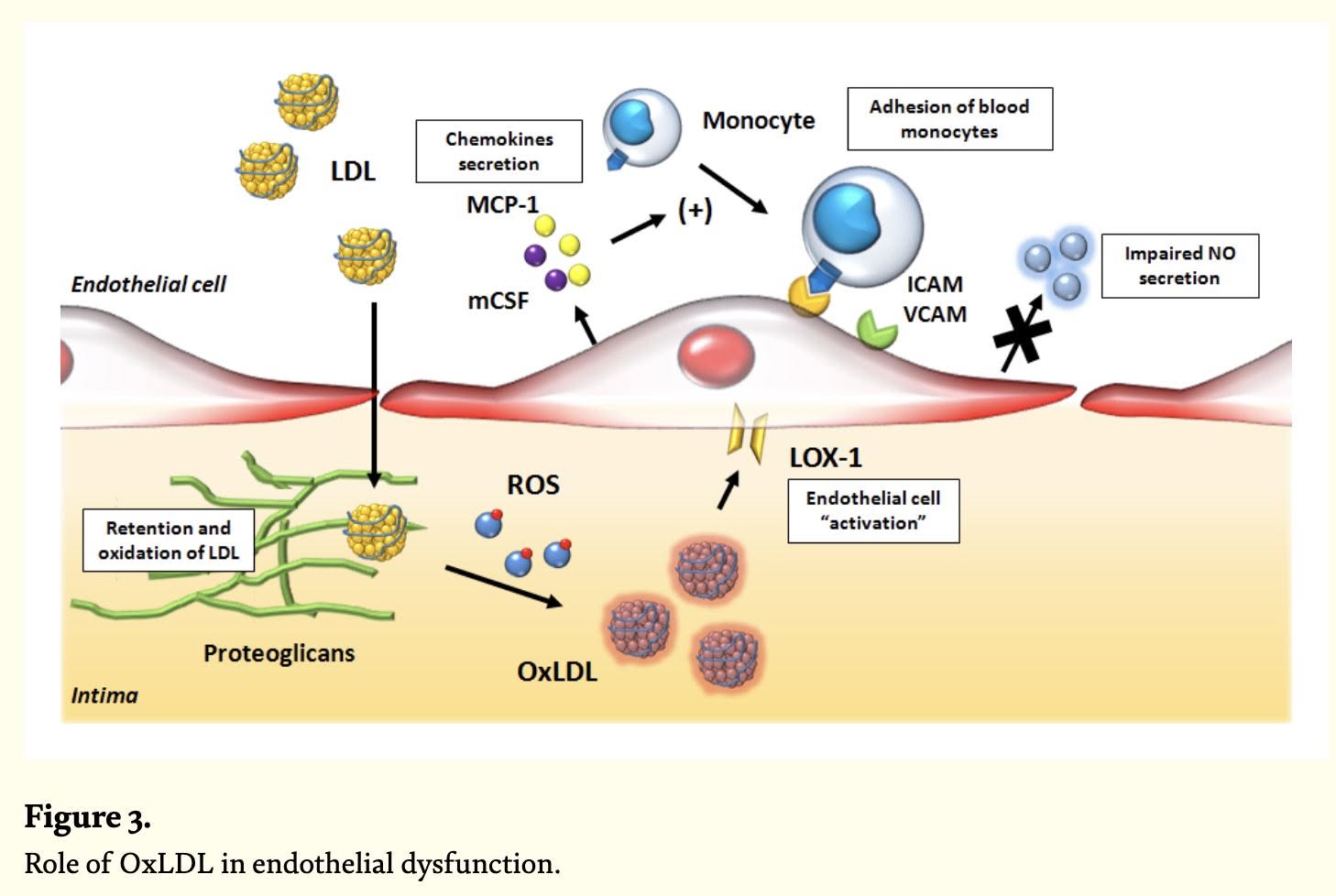
    Explains five lines of evidence for a causal role of LDL in atherosclerosis: oxidized LDL in the artery wall, endothelial dysfunction and inflammation, macrophage foam-cell formation, Mendelian randomization and familial hypercholesterolemia, and the benefit of LDL-lowering therapies. Useful as a mechanism overview for readers who doubt that LDL is a cause rather than a bystander.
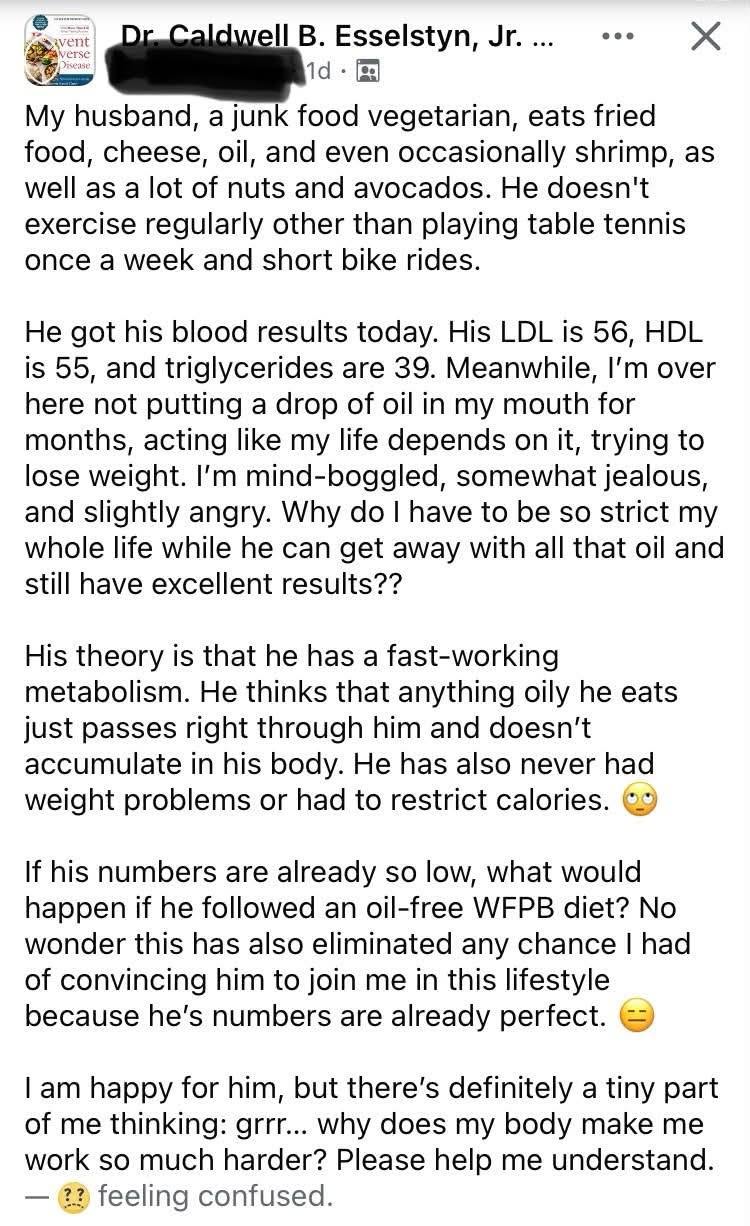
  5. Defending a lean, nut-and-olive-oil vegetarian diet against 'junk food' labels

    Jul 25, 2026 · Louis Nervegna ♥ 9 · 💬 12 Fats & oils (saturated fat, seed oils, omega-6, olive oil)

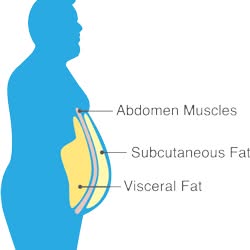
    Louis argues a diet heavy in nuts, avocado, unsaturated oils, some cheese and seafood, and low in refined starch, sugar and saturated fat is healthy. He says unsaturated fat improves insulin sensitivity and lowers LDL, and that his example's good lipids reflect leanness, whereas a person avoiding all fat but staying overweight needs to lose visceral fat first.

  6. Circulating oxidized LDL is a poor test; measure ApoB instead, says Dayspring

    Feb 04, 2024 · Louis Nervegna ♥ 9 · 💬 12 LDL, ApoB & lipid panel

    Tom Dayspring argues that oxidized LDL measured in the bloodstream is a 'useless' biomarker and that ApoB should be measured instead. Louis adds that this refers to circulating oxidized LDL, not oxidized LDL inside plaques, which still matters but cannot be measured by blood test. Newer studies that adjust for ApoB reportedly show circulating oxidized LDL is not related to CVD risk.

  7. Blood NAD levels do not fall with age, so commercial NAD blood tests are useless

    Oct 24, 2026 · Louis Nervegna ♥ 15 · 💬 5 Aging & longevity

    A new Nature Metabolism study found whole-blood NAD+ levels stay stable with age across seven independent human cohorts. Louis explains blood NAD mainly reflects recent vitamin B3 intake, so commercial NAD blood tests are not meaningful, while tissue NAD levels may matter but cannot be commercially measured. There is still no convincing clinical evidence NR or NMN supplements slow human aging.

  8. Statins cut heart attack and stroke risk in high Lp(a) despite raising it 5-20%

    Jun 20, 2026 · Louis Nervegna ♥ 11 · 💬 7 Lp(a)

    Louis explains that Lp(a) carries LDL cholesterol and sticks in artery walls, so lowering total LDL-C with statins cancels much of the risk from high Lp(a). Meta-analyses show statins raise Lp(a) 5-20%, but a Stanford expert argues this is clinically unimportant given the outcome benefit across 25 randomized trials.

  9. Menopausal hormone therapy is fairly safe for low-risk women, risky with established CVD

    Apr 17, 2025 · Louis Nervegna ♥ 7 · 💬 11 Hormones, women's & men's health

    Louis shares Cleveland Clinic guidance on hormone therapy and heart disease. HRT can be safe in healthy women under 60 or within 10 years of menopause, but risk rises when started over 10 years after menopause, and women with established CVD (10-year ASCVD risk over 10%) or breast cancer should avoid it. Low risk applies to recent menopause, normal weight and BP, active, and 10-year ASCVD risk under 5%.

  10. Seed oils don't raise inflammation markers; butter linked to higher mortality

    Mar 10, 2025 · Louis Nervegna ♥ 7 · 💬 11 Fats & oils (saturated fat, seed oils, omega-6, olive oil)

    Louis quotes a news article in which Martha Belury says omega-6 linoleic acid does not significantly change blood inflammatory markers and that the omega-6 to omega-3 imbalance claim is oversimplified. It also reports the Brigham and Women's study of over 200,000 adults for 30+ years: highest butter intake linked to 15% higher mortality, highest plant oil intake to 16% lower.
  11. Video post on three Seven Countries scientists reaching age 100 on a Mediterranean diet

    Jan 15, 2025 · Louis Nervegna ♥ 18 · 💬 9 Mediterranean, DASH, MIND & plant-forward diets

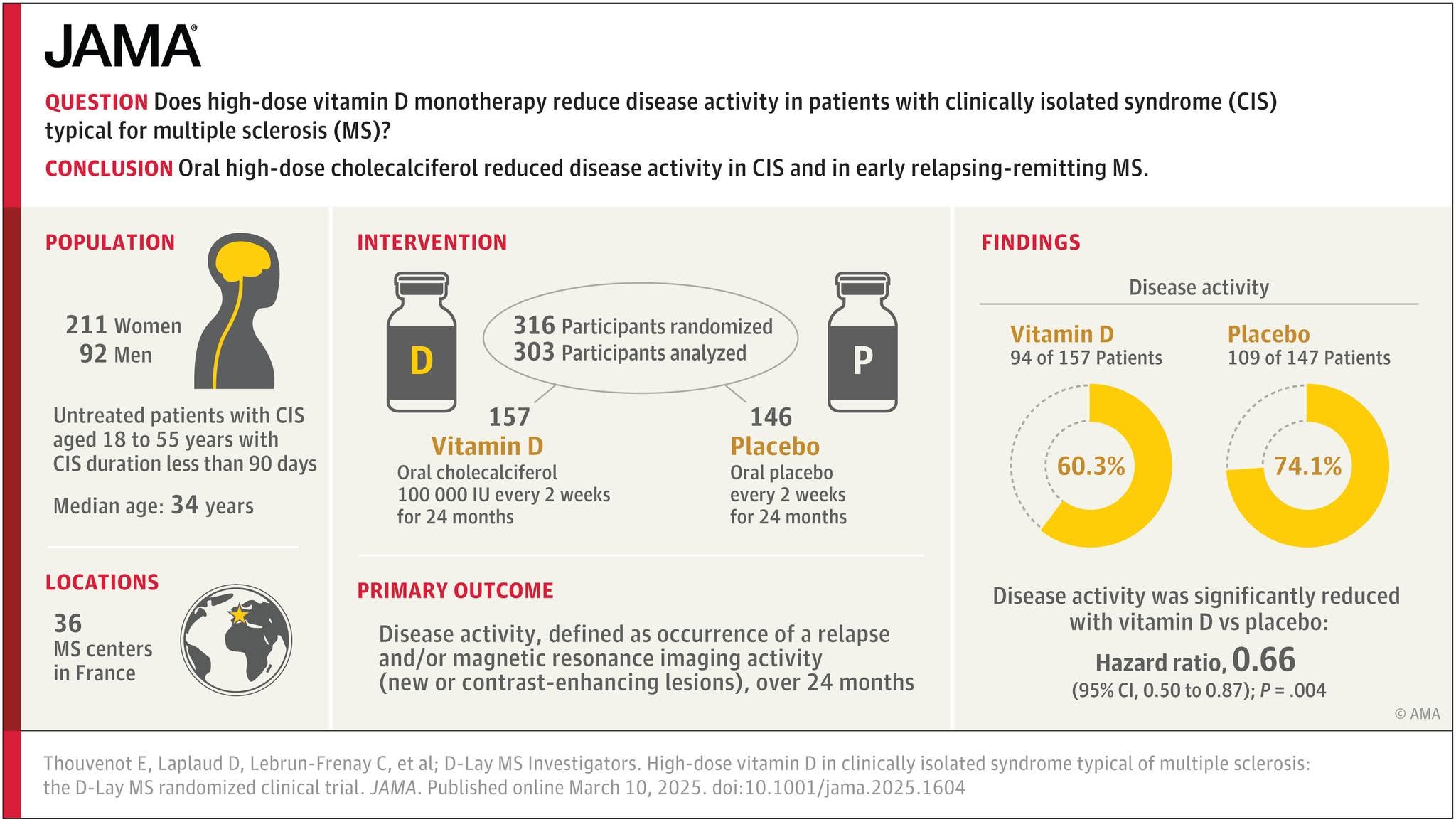
    Louis recounts that after the Seven Countries Study found lower heart disease and longer life with a traditional Mediterranean diet, the scientists adopted it themselves and 3 of 18 reached age 100, including Ancel Keys (almost 101). He says chance odds are about 1 in 10 billion, versus 1 in 10,000 for Americans reaching 100. This is anecdotal and the math is in comments.

  12. Mouse and human data suggest atherosclerosis meets criteria for an autoimmune disease

    Oct 03, 2026 · Gokhan Can ♥ 13 · 💬 8 Inflammation & CRP

    The post highlights a news report of a new study in mice and patients proposing that atherosclerosis meets the criteria for an autoimmune disease. Evidence is mostly from mouse models with supporting human correlational data, so it is early; more work is needed to learn how much of the disease this process drives and whether interrupting it could slow progression.

  13. Flu and respiratory infections raise heart attack risk; ask your doctor about baby aspirin

    Sep 11, 2024 · Louis Nervegna ♥ 13 · 💬 8 Infections & vaccines

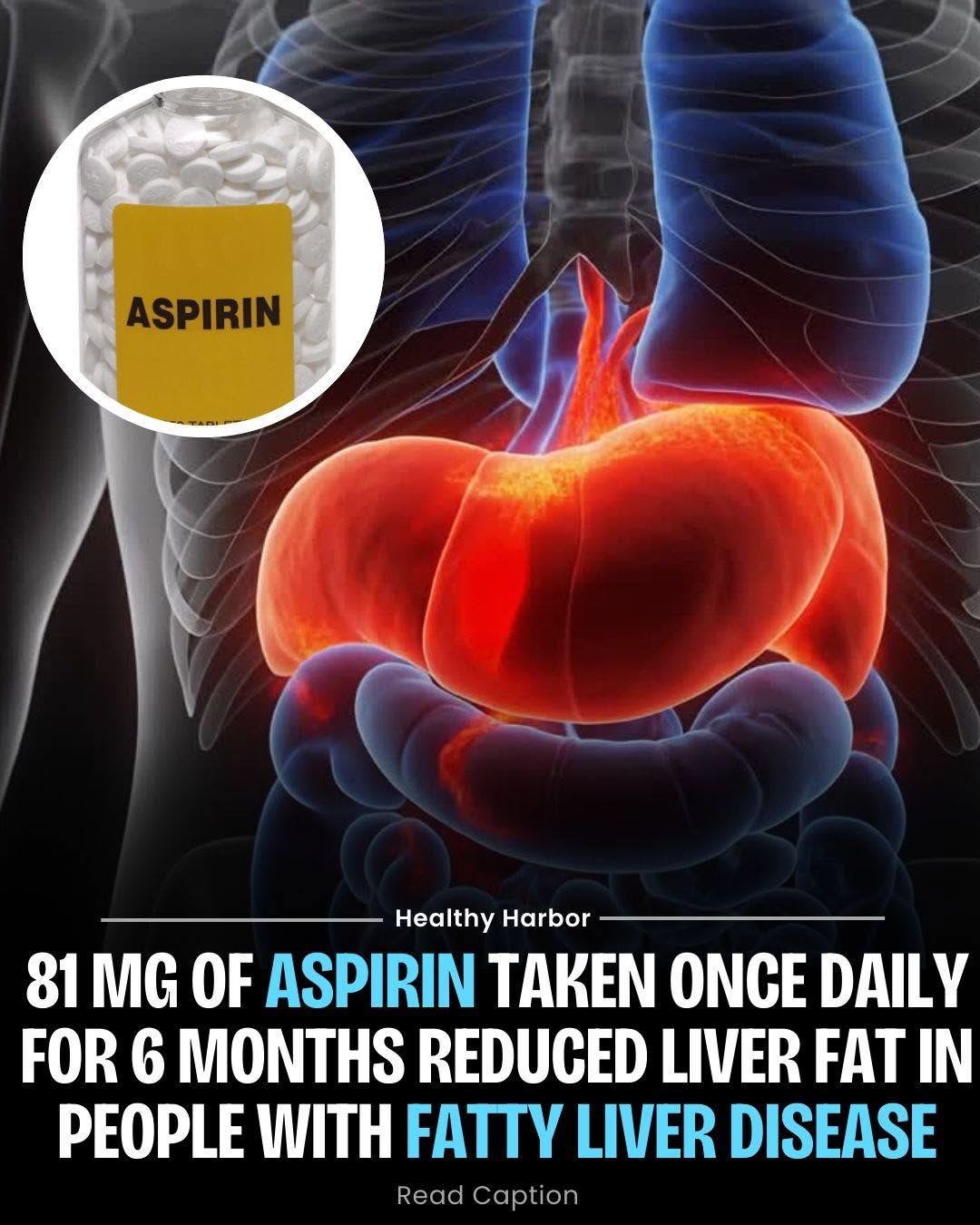
    Louis shares MedPage Today coverage of another study confirming that infections like flu temporarily raise heart attack and stroke risk. He suggests that people with CVD ask their doctor about daily baby aspirin during illness and for a period afterward. The proposed mechanism is increased metabolic demand plus inflammatory and coagulation effects that destabilize plaque.

  14. Satchin Panda: wait 2 hours after waking to eat; finish dinner 3 hours before sleep

    Mar 20, 2024 · Louis Nervegna ♥ 13 · 💬 8 Fasting & meal timing

    Louis summarizes meal-timing advice from circadian researcher Satchin Panda for glucose control. Delay breakfast at least two hours after waking because the pancreas regulates insulin poorly then, and eat the last large meal at least 3 hours before sleep since melatonin begins rising about 3 hours before bedtime and inhibits insulin secretion. This is expert advice from a podcast clip rather than a cited trial.

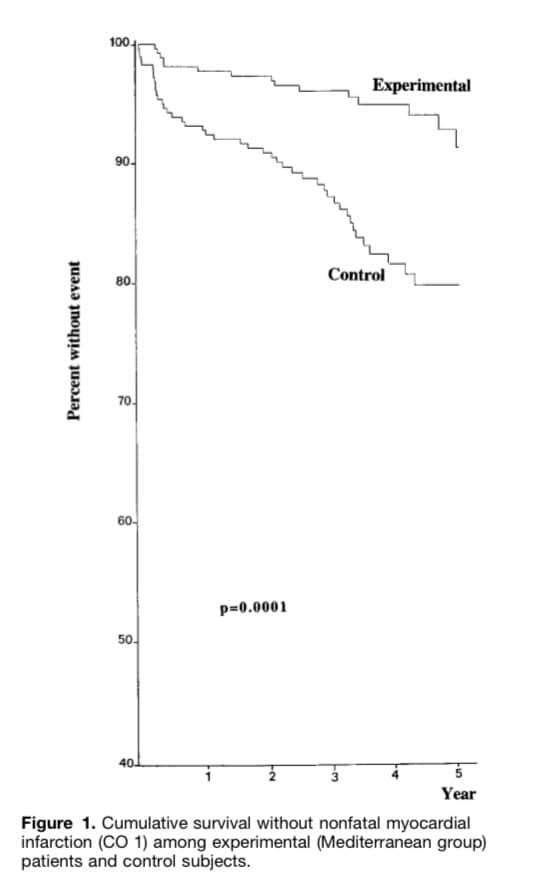
  15. Lyon Diet Heart Study: Mediterranean diet cut cardiac death and MI 73% after a first MI

    Aug 04, 2024 · Louis Nervegna ♥ 14 · 💬 4 ↩ 9 Mediterranean, DASH, MIND & plant-forward diets

    More than 600 heart attack survivors were randomized to a Mediterranean-style diet or an AHA diet; the trial was stopped early after about 2.5 years because benefit was so large. The Mediterranean group, using EVOO and canola-based margarine with more fish/poultry and plant foods, had large reductions in cardiac events and total mortality.

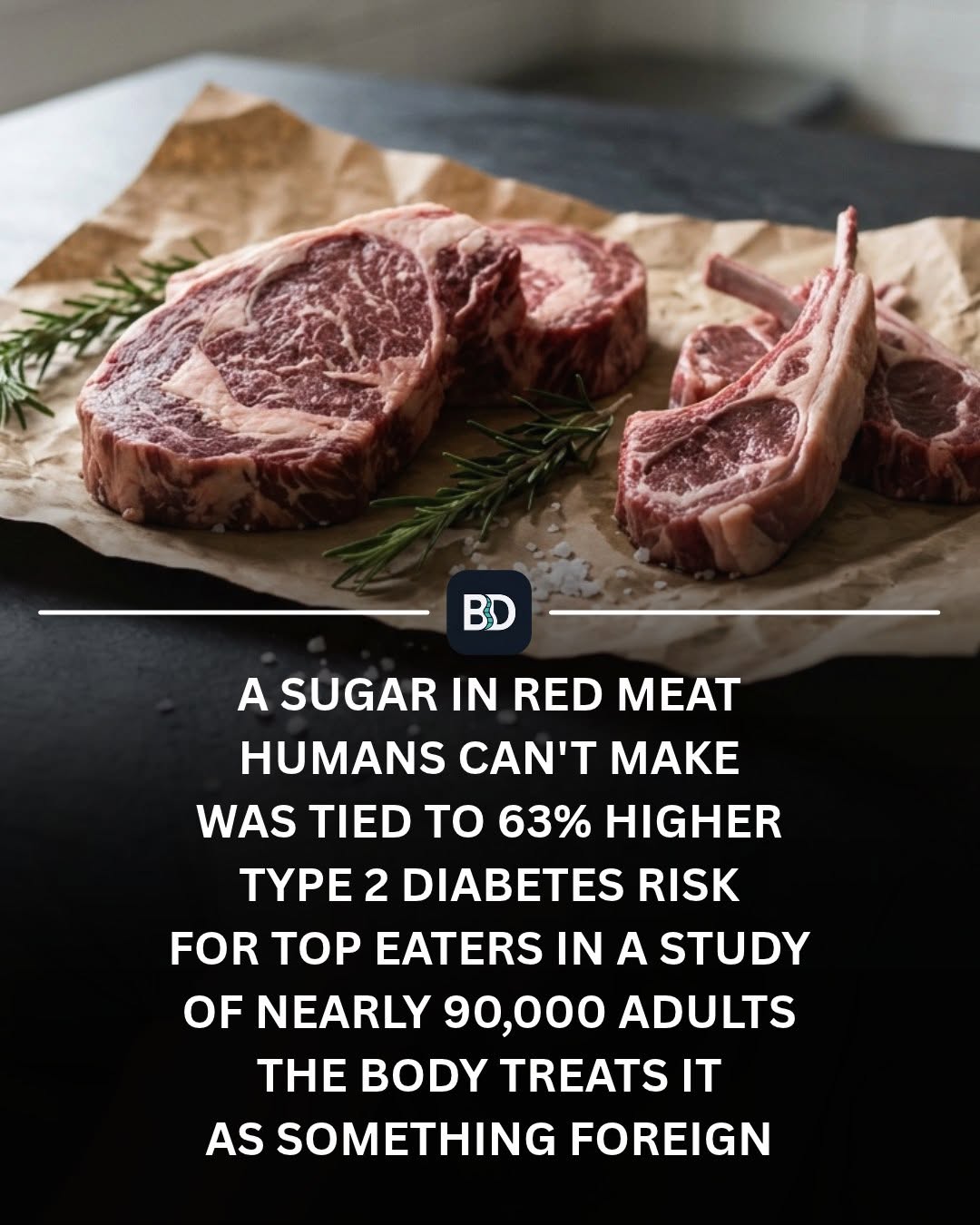
  16. Red meat sugar Neu5Gc linked to 63% higher type 2 diabetes risk in 89,953 French adults

    Oct 27, 2026 · Louis Nervegna ♥ 12 · 💬 6 Meat, eggs & dairy

    Preliminary results presented at EASD 2026 followed 89,953 NutriNet-Santé participants for about 7 years. Those eating the most Neu5Gc, a sugar found in red meat that humans do not make, had a 63% higher risk of type 2 diabetes, holding after adjusting for exercise, diet quality and smoking. Louis suggests this may partly explain why cohorts like the Nurses' Health Study link red meat to diabetes; the study is observational and not peer reviewed.

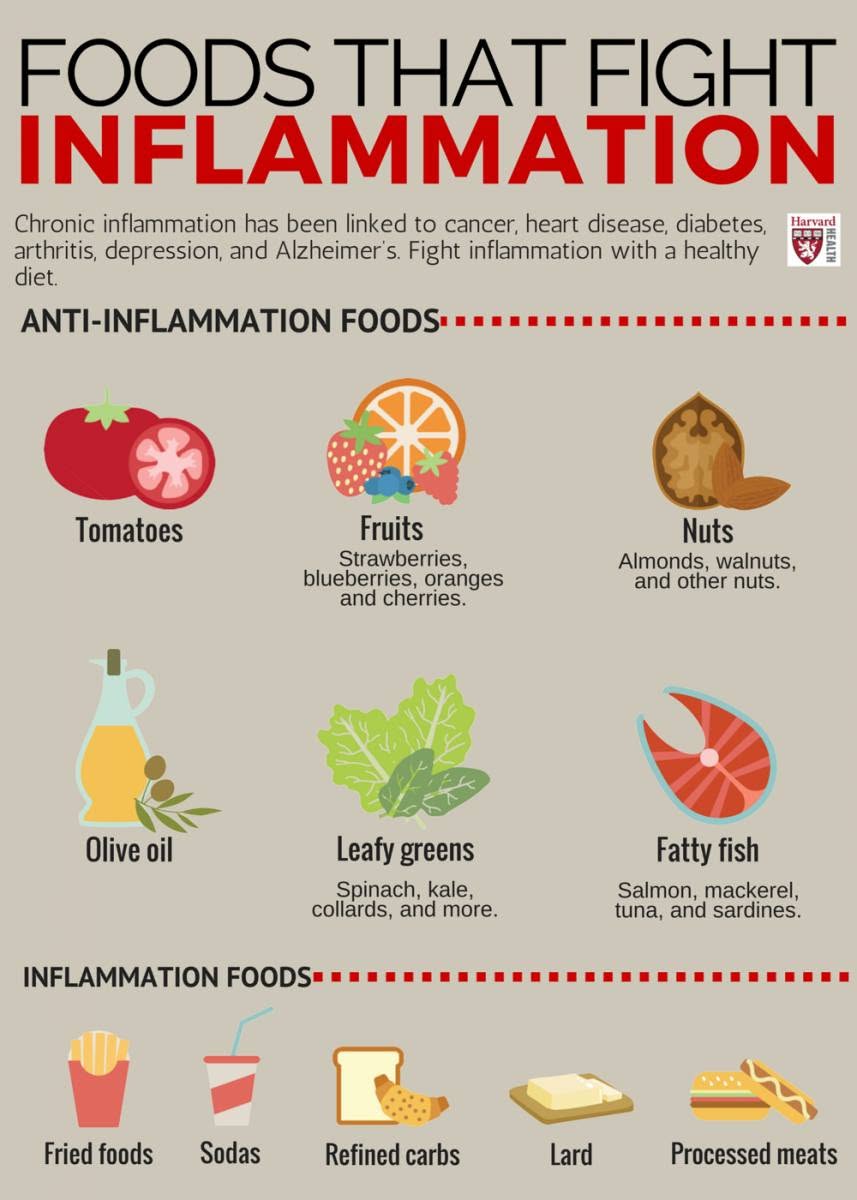
  17. Harvard Health: anti-inflammatory foods to include and inflammatory foods to avoid

    Nov 16, 2024 · Gokhan Can ♥ 11 · 💬 9 ↩ 1 Inflammation & CRP

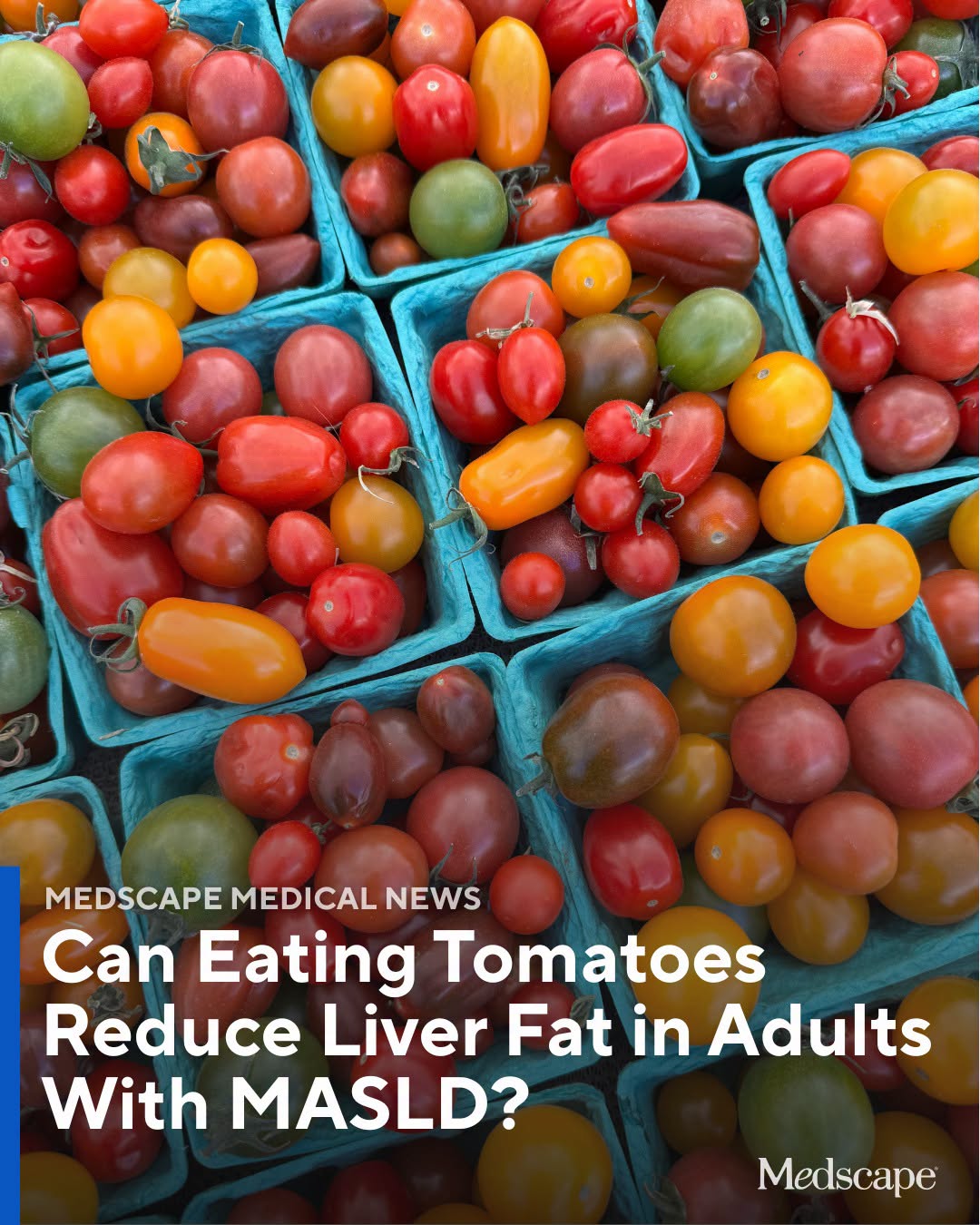
    Gokhan reposts a Harvard Health list. Include tomatoes, olive oil, leafy greens, nuts, fatty fish, berries and other fruit, and coffee; avoid refined carbohydrates, fried foods, sugary drinks, red and processed meat, and margarine, shortening and lard. He adds two daily drinks, plus green tea, hibiscus tea and coffee, to raise his Mediterranean score.

  18. Sauna works the heart like light cardio and lowered blood pressure after one session

    Nov 07, 2026 · Louis Nervegna ♥ 17 · 💬 4 Blood pressure, salt & potassium

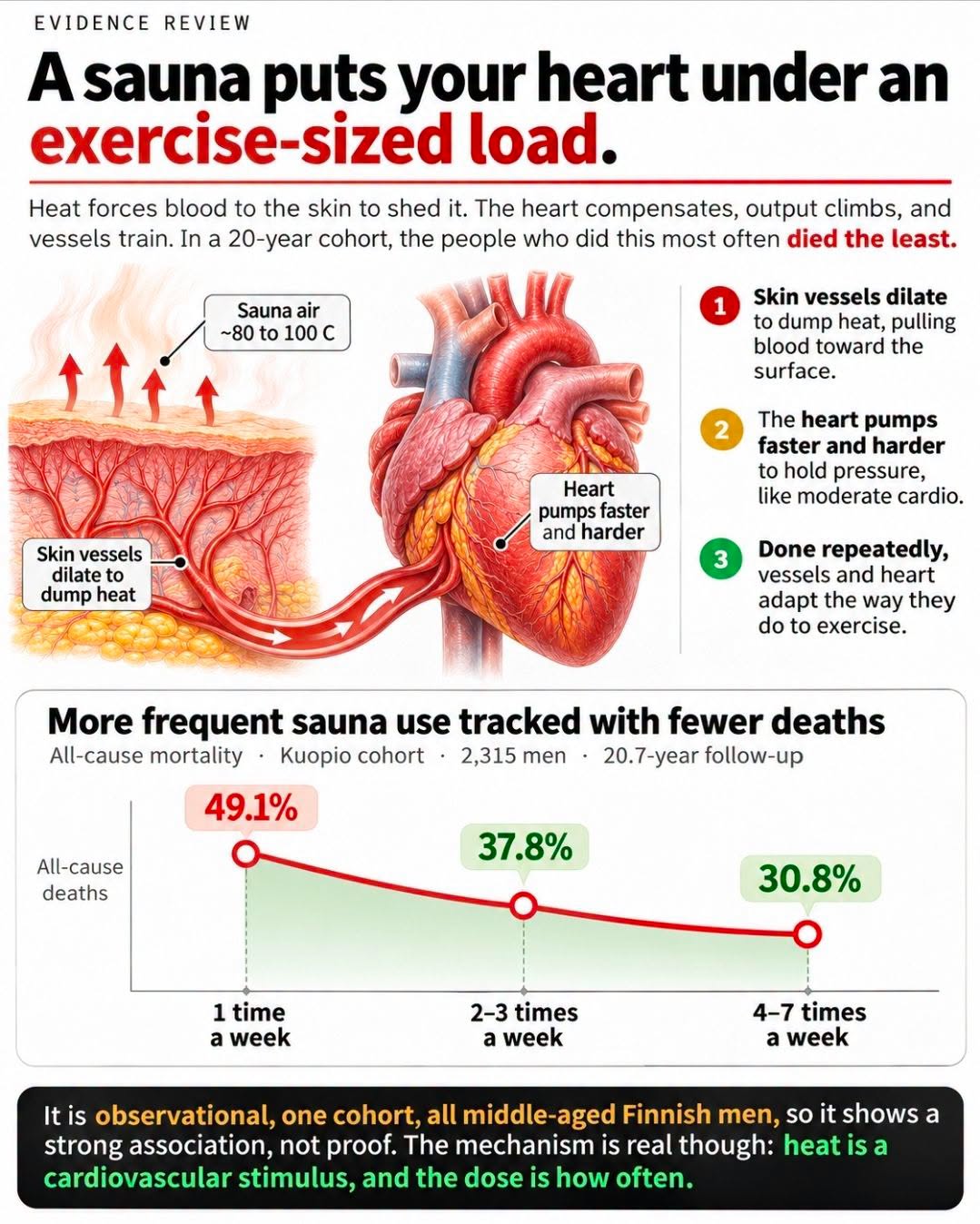
    Louis shares a summary of sauna physiology. Heat opens skin vessels, so the heart works harder to hold blood pressure, matching light to moderate exercise. One session lowered arterial stiffness and systolic pressure from 137 to 130 in 102 adults with risk factors, and a Finnish cohort of 2,315 men followed about 20 years showed lower mortality with more frequent sauna use.

  19. GLP-1 drug muscle loss matches calorie restriction: about 25% of weight lost

    Mar 01, 2026 · Louis Nervegna ♥ 8 · 💬 9 GLP-1 drugs (semaglutide, tirzepatide)

    Louis summarizes meta-analytic evidence that lean mass loss on GLP-1 drugs is about 25% of total weight loss, matching diet trials and bariatric surgery, suggesting calorie restriction rather than the drug itself drives it. He cautions higher protein may blunt benefits of calorie restriction in mice, though human relevance is unknown.

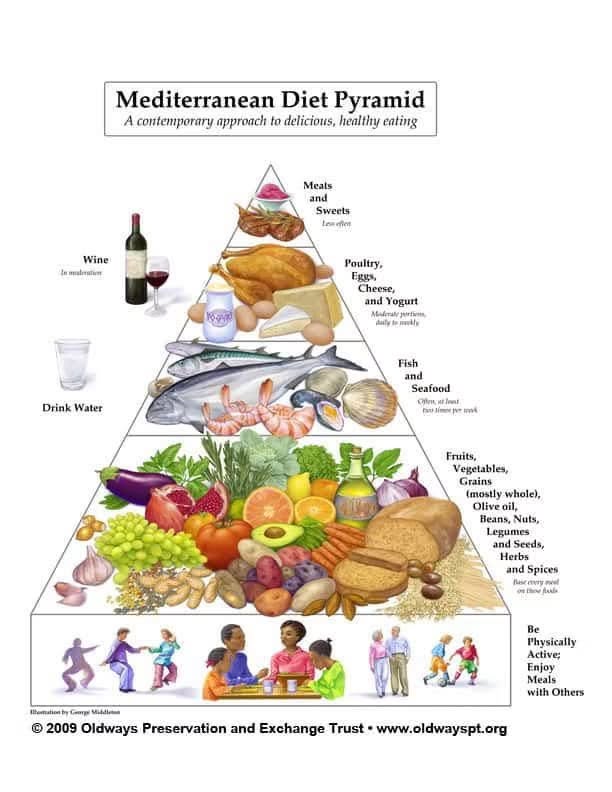
  20. The traditional Mediterranean diet was a cheap peasant diet of about 90% plant foods

    Dec 02, 2025 · Louis Nervegna ♥ 19 · 💬 5 Mediterranean, DASH, MIND & plant-forward diets

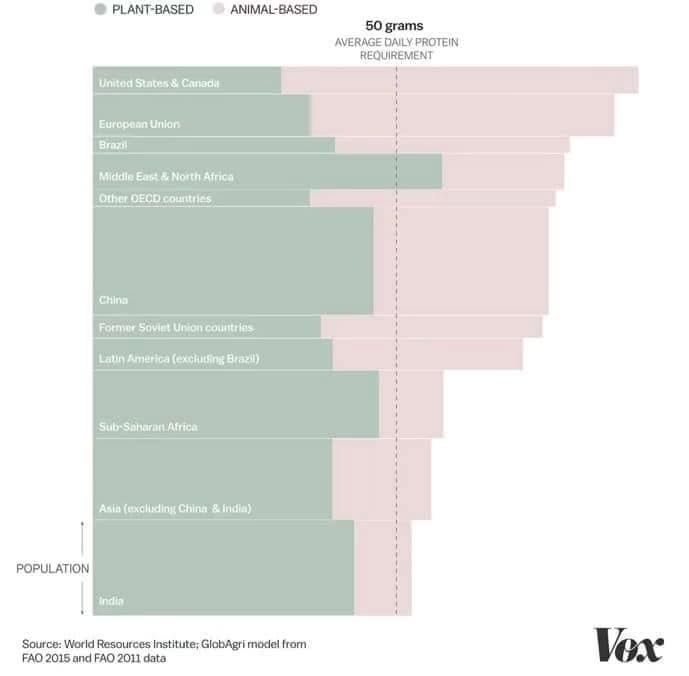
    Louis argues the traditional Mediterranean diet was mostly cheap plant food (legumes, nuts, seeds, whole grains) with about 10% seafood, yogurt, cheese, poultry and eggs, and rare unprocessed red meat. He says people ate this for cost and taste, and that the modern Mediterranean diet has drifted toward the standard American diet and is no longer healthy.

  21. Sweet potatoes are unrelated to white potatoes and not linked to weight gain or diabetes

    Aug 27, 2025 · Louis Nervegna ♥ 11 · 💬 9 ↩ 1 Nuts, fish, coffee, tea, cocoa & other foods

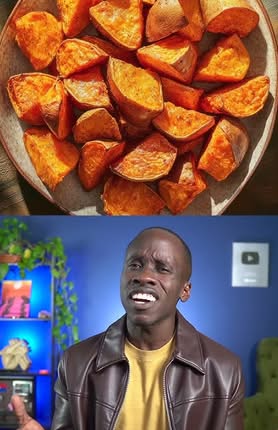
    Louis shares Harvard Nutrition Source information that sweet potatoes are roots in the morning glory family, genetically unrelated to white potatoes, which are tubers. Unlike white potatoes, sweet potatoes are not associated with weight gain or diabetes in recent studies, and purple Japanese varieties may be especially healthy.

  22. Nicola Guess: Keto-CTA plaque rose ~20 mm3 in 1 year vs ~13 mm3 over 3 years in PARADIGM

    Apr 12, 2025 · Louis Nervegna ♥ 7 · 💬 8 Plaque, CAC & CT angiography

    Louis shares Dr. Nicola Guess's critique of the Keto-CTA study: the abstract omitted the registered primary outcome (non-calcified plaque volume), but the figure suggests a rise of ~20 mm3 in one year in lean keto dieters. In PARADIGM, high-risk people on Western diets rose ~13 mm3 over three years (about 17 mm3 with metabolic syndrome). With no control group, the comparison suggests accelerated soft plaque growth.

  23. Statins remain essential for high Lp(a) even though they raise Lp(a) 5-20%

    Apr 06, 2025 · Louis Nervegna ♥ 8 · 💬 9 Lp(a)

    Louis shares a video of Stanford's Joshua Knowles explaining why the small statin-related rise in Lp(a), shown in meta-analyses of RCTs, does not matter clinically and why statins are an important treatment for genetically high Lp(a). He cites over 25 long-running statin RCTs, including primary prevention trials, showing large reductions in heart attack and stroke.

  24. Cancer is a disease of aging; young-onset colorectal rise is small in absolute terms

    Dec 30, 2024 · Louis Nervegna ♥ 9 · 💬 11 ↩ 1 Cancer

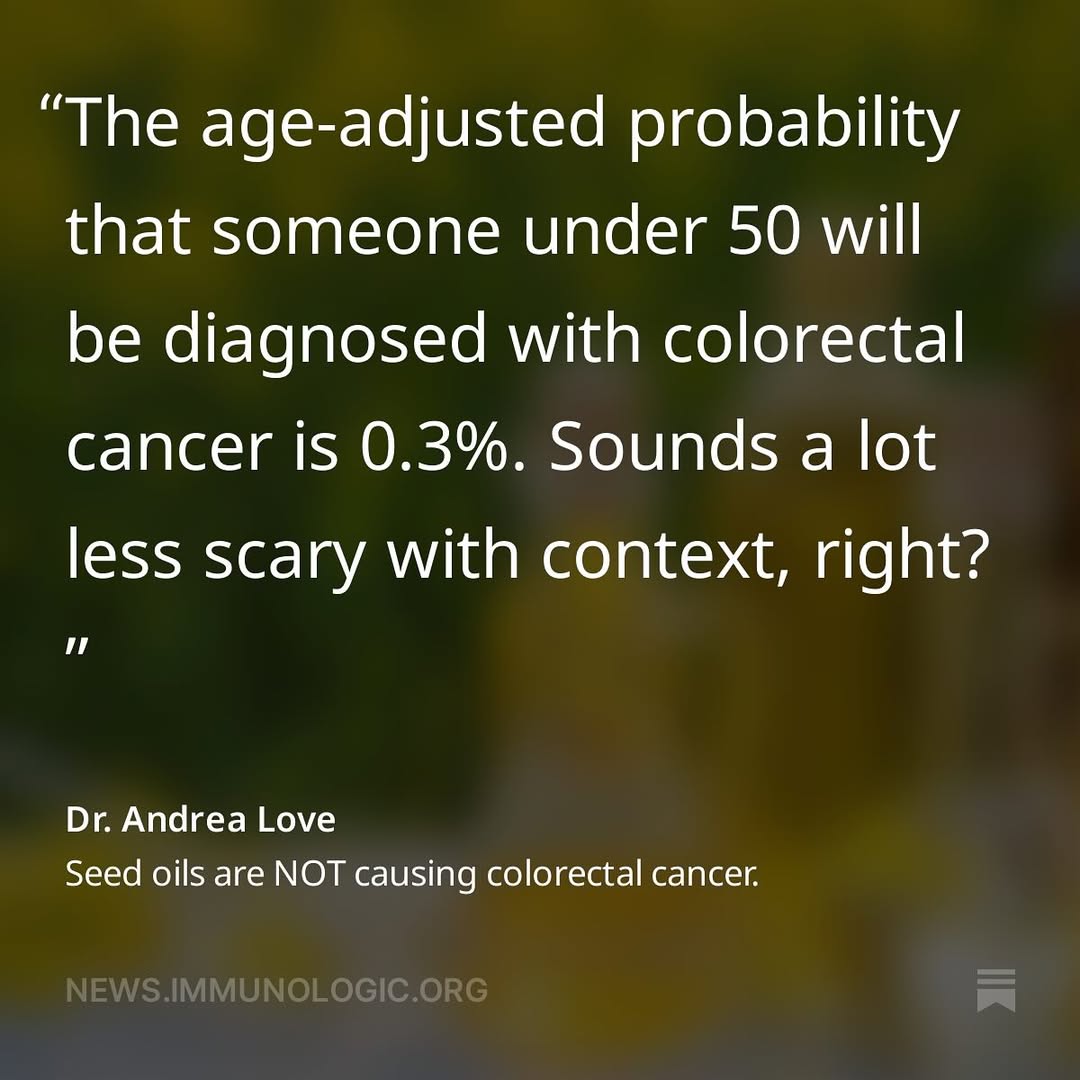
    Louis agrees with Dr. Andrea Love that cancer is many diseases whose main common factor is age, so prevention is best served by slowing aging via diet, exercise and lifestyle. The shared post says the chance of being diagnosed with colorectal cancer under 50 is 0.3%, and the recent increase is small in absolute terms, though still worth lowering.

  25. Harvard: 1-2 weekly servings of fatty fish linked to 36% lower heart-disease death

    Jan 29, 2024 · Louis Nervegna ♥ 9 · 💬 11 Nuts, fish, coffee, tea, cocoa & other foods

    Quoting Harvard's Nutrition Source, the post says an analysis of 20 studies with hundreds of thousands of participants found that one to two 3-ounce servings of fatty fish a week (salmon, herring, mackerel, anchovies, sardines) reduces the risk of dying from heart disease by 36 percent. Fish and fish oil are described as good for the heart and blood vessels.

  26. Statins work as well in women as men: 27-trial CTT meta-analysis of 174,000 participants

    Dec 19, 2023 · Louis Nervegna ♥ 5 · 💬 11 Statins

    Louis rebuts the claim that statins are less effective in women using the Cholesterol Treatment Trialists' meta-analysis of 27 randomized trials. Per 1 mmol/L LDL reduction, proportional reductions in major vascular events and all-cause mortality were similar in women and men, with no adverse effect on cancer or non-CV mortality. Trials averaged 4.9 years, so longer-term benefit is likely larger.

  27. Co-author of LMHR study protocol says the design could not detect plaque progression

    Dec 10, 2023 · Louis Nervegna ♥ 4 · 💬 17 Low-carb, keto & carnivore

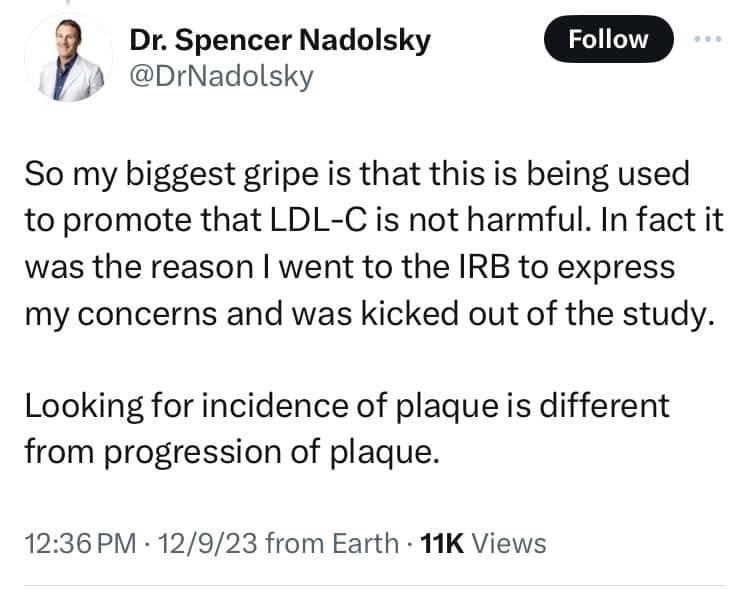
    Louis paraphrases Dr. Spencer Nadolsky, who helped write the LMHR (keto hypercholesterolemia) study protocol, saying it enrolled only extremely healthy people with no diabetes, prediabetes, atherosclerosis, smoking, overweight or high hs-CRP and perfect blood pressure. Because soft plaque takes years to form even with very high LDL, little progression was likely after one year; enrolling people with existing atherosclerosis would have been more informative. The study's absence of progression should therefore not be read as proof of safety.

  28. Yogurt linked to less weight gain and 14-18% lower type 2 diabetes risk

    Jan 20, 2025 · Louis Nervegna ♥ 16 · 💬 6 Meat, eggs & dairy

    Louis quotes Harvard's Nutrition Source on yogurt. Cohorts of 120,877 people suggested protection from weight gain, and two meta-analyses of prospective cohorts found 18% and 14% lower type 2 diabetes risk with daily yogurt. Helpful bacteria are suggested to reduce inflammation or improve insulin action, though the mechanism is unclear.

  29. Wall squat isometric holds may lower systolic blood pressure about 9 points in weeks

    Nov 04, 2026 · Louis Nervegna ♥ 12 · 💬 8 Blood pressure, salt & potassium

    Louis shares a post saying a large review found isometric exercises, especially wall squats, lowered resting blood pressure more than cardio, intervals or weights. In one trial wall squats cut systolic pressure by about 9.4 points. The routine is four 2-minute holds with 2-minute rests, three times weekly, without holding the breath.

  30. HDL and ApoA-I raising therapies repeatedly failed, so HDL is probably not directly causal

    Mar 11, 2024 · Louis Nervegna ♥ 6 · 💬 9 ↩ 22 LDL, ApoB & lipid panel

    Louis reviews why HDL or ApoA-I is probably not causal for heart disease. CETP inhibitor trials failed (ILLUMINATE with torcetrapib was stopped for harm; dal-OUTCOMES with dalcetrapib and ACCELERATE with evacetrapib showed no benefit), as did fibrate and niacin trials and CSL112 infusions, and Mendelian randomization agrees. He proposes HDL and ApoA-I mainly act as a proxy for insulin sensitivity, which is the real causal factor.

  31. Obicetrapib gets first approval worldwide in the EU, lowering LDL up to 40-50%

    Sep 21, 2026 · Louis Nervegna ♥ 18 · 💬 5 PCSK9, ezetimibe & newer drugs

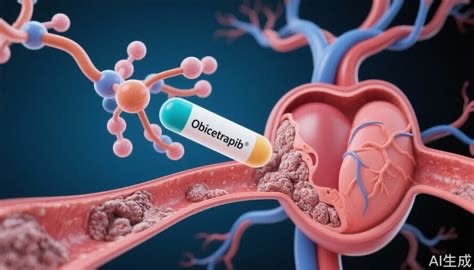
    The European Commission approved obicetrapib, a low-dose oral CETP inhibitor, on 21 September 2026 in two versions: obicetrapib 10 mg alone and combined with ezetimibe 10 mg. Phase 3 trials reported LDL-C reductions of about 40% alone and about 50% with ezetimibe versus placebo. The poster says the drug has shown promise for both cardiovascular disease and Alzheimer's.

  32. Normal fruit intake does not raise liver or visceral fat

    Dec 03, 2025 · Louis Nervegna ♥ 16 · 💬 4 Carbs, fiber, sugar & whole grains

    Louis quotes a post arguing that 500 g/day of added fruit for 2 months did not raise MRI liver fat despite nearly tripled fructose intake, and that fructose harms appear in extreme overfeeding studies with fructose-sweetened drinks. In calorie-matched trials, fructose replacing other carbs did not raise liver fat or ALT.

  33. Review: aggressive LDL lowering outweighs theoretical risks, yet few reach <55 mg/dL

    Oct 28, 2025 · Gokhan Can ♥ 13 · 💬 5 LDL, ApoB & lipid panel

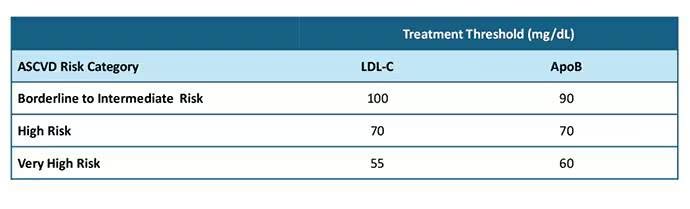
    Summarises a July 2025 review: guidelines now target LDL-C <55 mg/dL (<40 after a recurrent event), PCSK9 inhibitors add 59-62% LDL reduction, and evidence (FOURIER, CTT meta-analysis, PCSK9 genetics) supports benefit to very low levels. It says safety concerns such as hemorrhagic stroke, cognitive decline (EBBINGHAUS) and hormone disruption are unsupported, while fewer than one in four high-risk patients reach target.