HD-OPM Archive

Most popular posts 901–1000

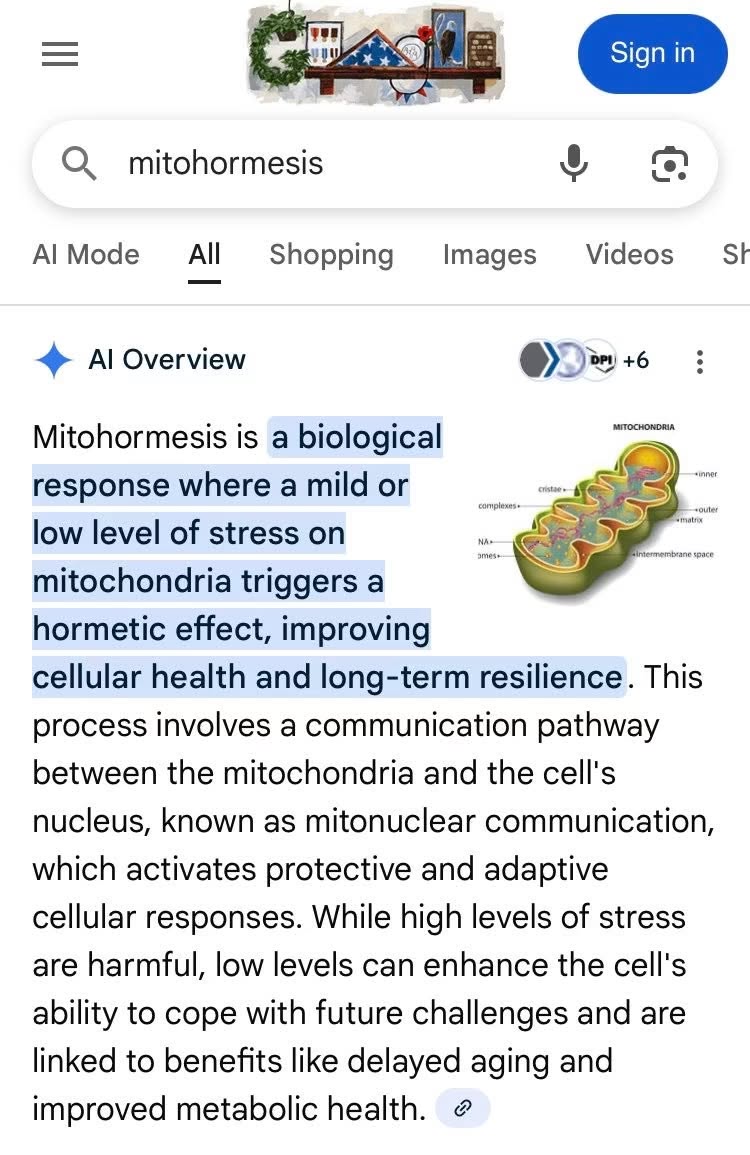
  1. Statins create mild mitochondrial stress that triggers protective mitohormesis

    Nov 11, 2025 · Louis Nervegna ♥ 13 · 💬 7 ↩ 2 Statins

    Louis explains that mild mitochondrial toxicity is not necessarily harmful and can be beneficial through mitohormesis, the mechanism he links to metformin, statins, exercise and calorie restriction. He cites a review proposing mitohormesis as another pleiotropic effect of statins and stresses that dose matters.

  2. Meta-analysis of 30 trials: olive oil lowers CRP and IL-6 and improves FMD

    Mar 14, 2025 · Louis Nervegna ♥ 11 · 💬 6 ↩ 5 Fats & oils (saturated fat, seed oils, omega-6, olive oil)

    Louis argues that over 30 human RCTs show olive oil improves flow-mediated dilation and endothelial function, quoting a systematic review of 30 studies and 3,106 participants. Olive oil lowered CRP by 0.64 mg/L and IL-6 by 0.29 and raised FMD by 0.76 percentage points versus controls. Refined olive oil may briefly impair FMD after a meal, while EVOO improves it acutely and over the long term.

  3. No long-lived population ate a carbohydrate-free diet; long-term effects unknown

    Jun 09, 2026 · Louis Nervegna ♥ 21 · 💬 4 Low-carb, keto & carnivore

    Louis argues that every long-lived population studied includes carbohydrate from vegetables, fruits, legumes, nuts, seeds, whole grains or fermented dairy, and that the few carbohydrate-free-eating groups, such as certain Eskimo populations, were not notably long-lived. He says low-carb diets may help short-term but long-term heart-disease effects are speculative, so he suggests including low-GI carbohydrates.

  4. Extreme starch-based vegan diet critique: John McDougall's arteries and cardiac death

    Apr 01, 2025 · Louis Nervegna ♥ 14 · 💬 10 Mediterranean, DASH, MIND & plant-forward diets

    Louis argues that the McDougall 90% starch diet is the opposite extreme of carnivore and is not supported by credible evidence, claiming McDougall's arteries were in poor shape and he likely died of cardiac arrest in his sleep. He also notes McDougall called cholesterol and diabetes drugs poison. The post is opinion backed by linked Facebook posts, not a study.

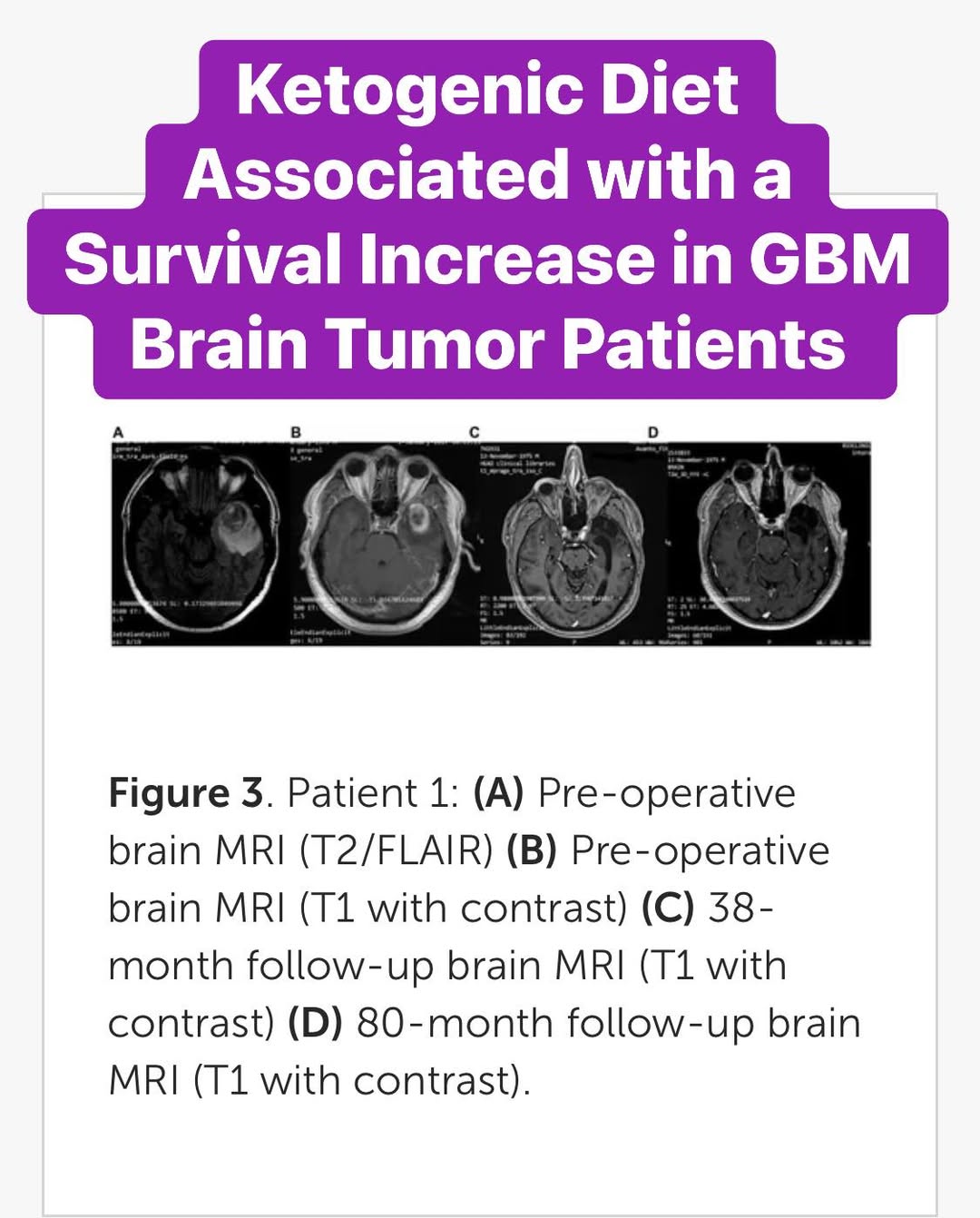
  5. Ketogenic diet associated with 67% vs 8% three-year survival in a tiny glioblastoma study

    Mar 02, 2025 · Louis Nervegna ♥ 9 · 💬 10 Cancer

    Louis shares an 18-patient observational study in glioblastoma in which patients following a ketogenic diet alongside standard treatment had much higher 3-year survival. He cautions that the study is tiny and evidence for keto in this tumor has been mixed; the shared post lists nutrient sufficiency and calorie control as key considerations.

  6. Adventist study: vegans 85+ had higher neurological death risk than non-vegetarians

    Aug 14, 2026 · Louis Nervegna ♥ 8 · 💬 8 Mediterranean, DASH, MIND & plant-forward diets

    Among AHS-2 participants (about 88,000, over 12,000 deaths), vegans aged 85 and older had higher risk of death from stroke (17%), dementia (13%) and Parkinson's (37%) than healthy non-vegetarians, while pesco-vegetarians had the lowest risk. The comparison was against very healthy non-vegetarians, not the standard American diet.

  7. Probiotics might counter statin-linked blood sugar rise via gut microbiota, editorial says

    Nov 09, 2024 · Louis Nervegna ♥ 8 · 💬 11 Statins

    Louis shares an ATVB editorial describing statin-induced gut microbiota changes as a candidate mechanism for statin-associated new-onset type 2 diabetes. The editorial says causality still needs larger sequencing studies. Louis adds that in JUPITER, high-dose rosuvastatin raised A1C by 0.1, bringing diabetes diagnosis about 5.4 weeks earlier over 2 years, a small but real effect.

  8. Psyllium lowers LDL about 13 mg/dL across 28 trials by trapping bile acids

    Oct 31, 2026 · Louis Nervegna ♥ 15 · 💬 4 Carbs, fiber, sugar & whole grains

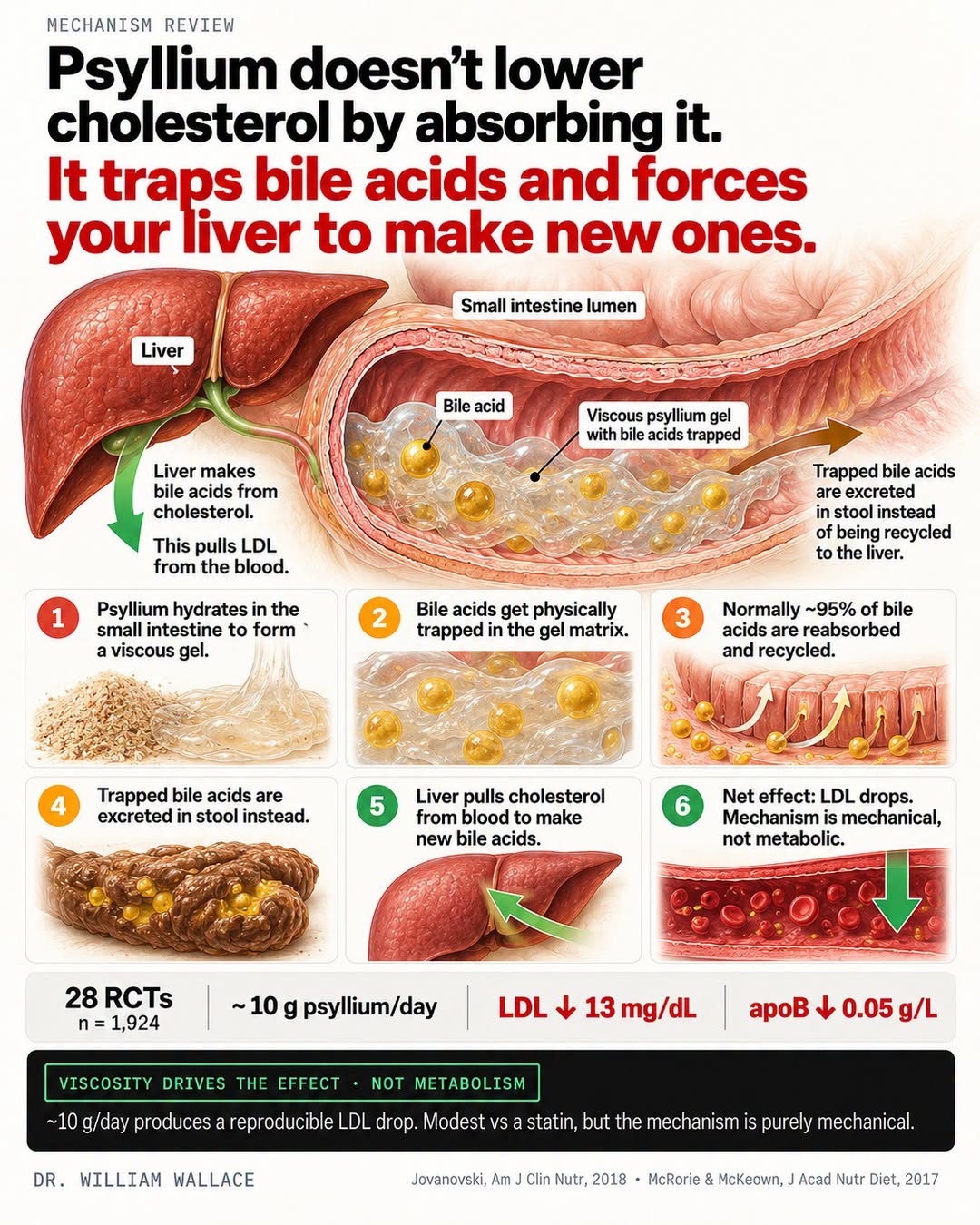
    A shared explainer says psyllium lowers LDL by about 13 mg/dL across 28 randomized trials, and that the mechanism is mechanical: its viscous gel traps bile acids so the liver pulls cholesterol from the blood to make more, upregulating LDL receptors. It does not absorb cholesterol directly or scrub the gut, which is why most other soluble fibers do not work the same way.

  9. Halving dietary protein for 4 weeks did not increase autophagy in human immune cells

    Sep 17, 2026 · Louis Nervegna ♥ 15 · 💬 4 Protein

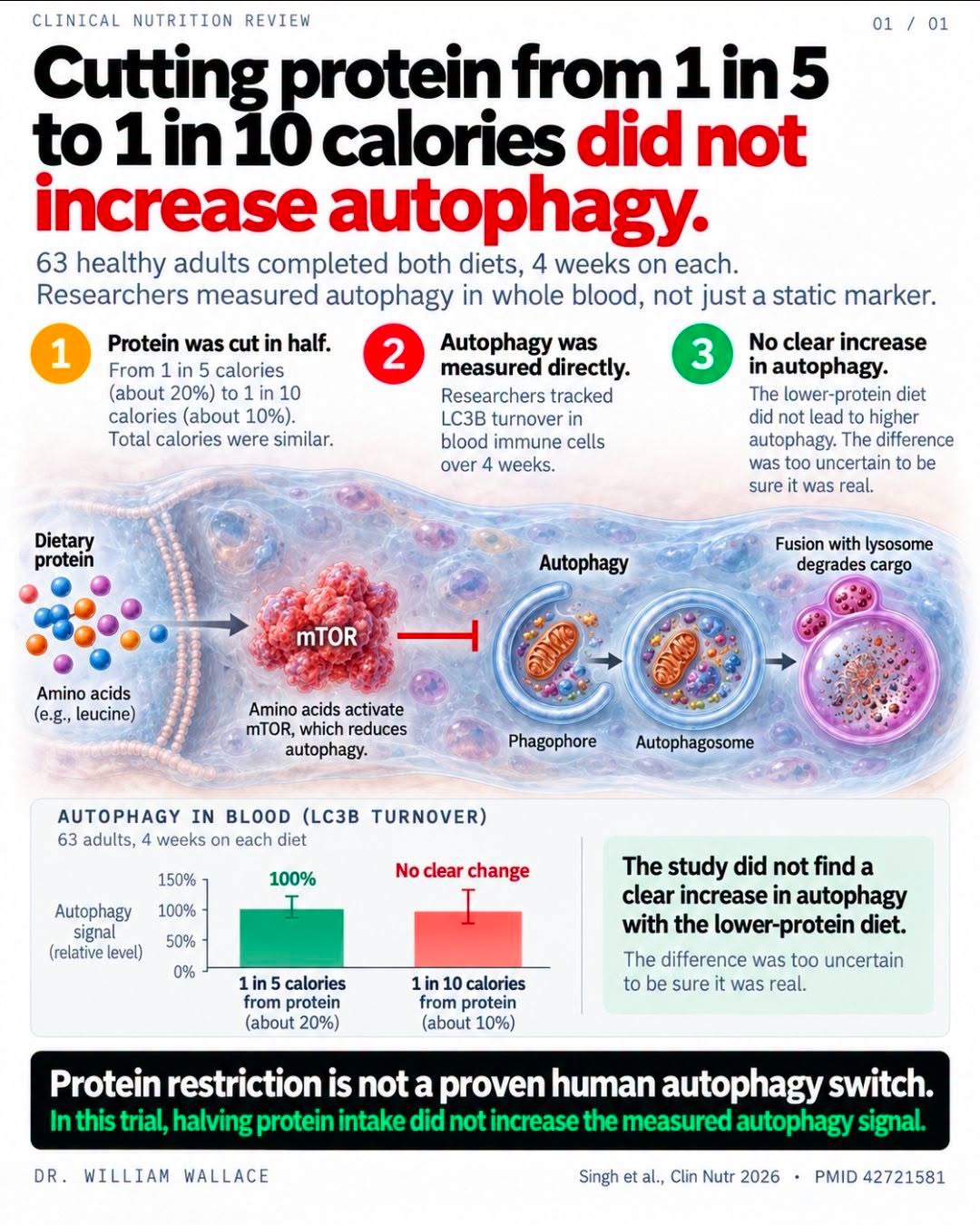
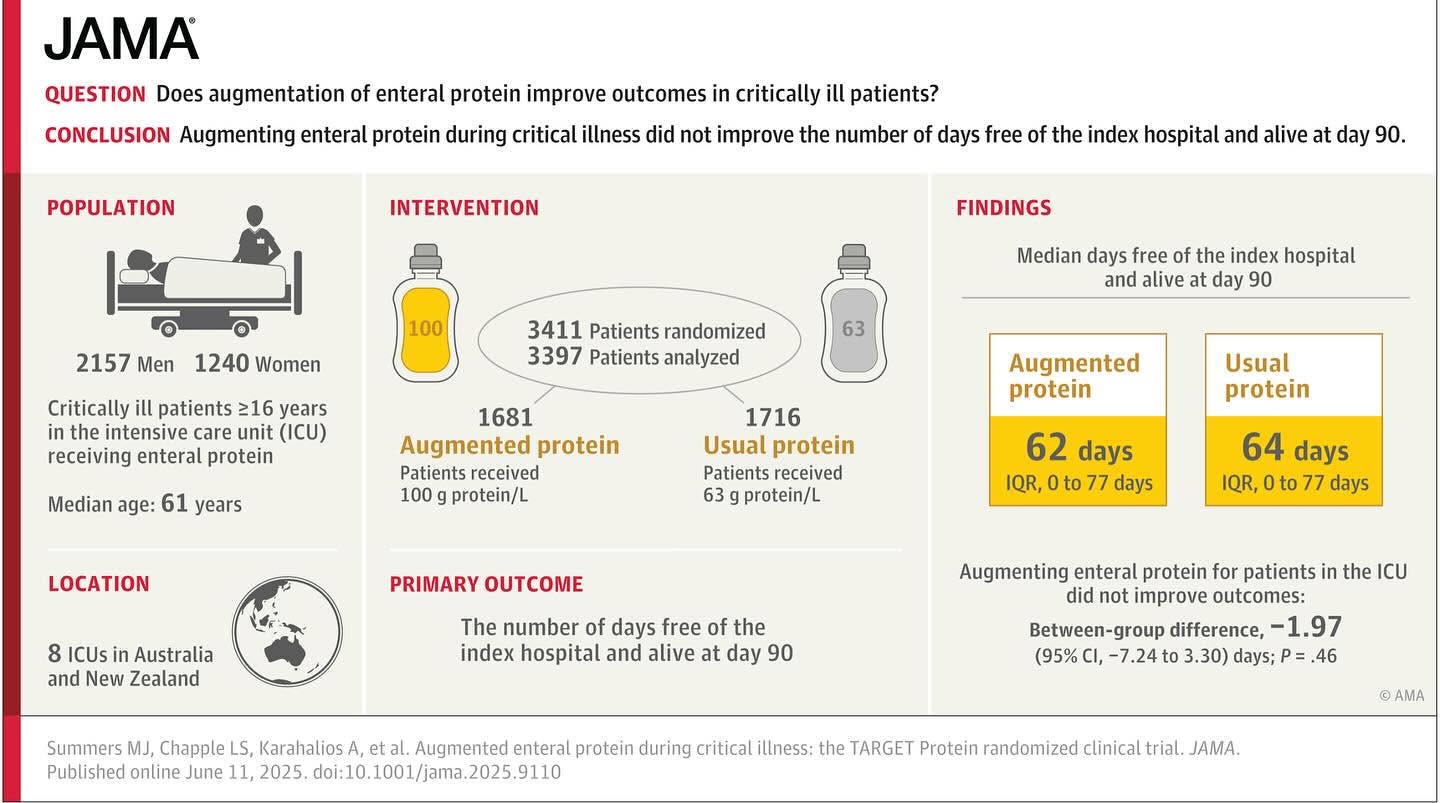
    In a randomized crossover trial of healthy adults, reducing protein from 20% to 10% of calories for four weeks did not significantly change autophagic flux in blood immune cells. Louis concludes that moderate protein restriction alone, without fasting or calorie restriction, does not appear to raise basal autophagy. Caveats include measurement only in circulating immune cells and a short duration; this is a preprint.

  10. COVID mRNA vaccination before surgery tied to doubled glioblastoma survival (preprint)

    Aug 17, 2026 · Louis Nervegna ♥ 25 · 💬 3 Cancer

    A preprint from UAB found that 187 glioblastoma patients vaccinated against COVID within 100 days before biopsy or surgery had median survival of 743 days vs 349 days unvaccinated. The association was not seen with flu, pneumonia or shingles vaccines. Louis cautions about healthy-user bias but notes all patients were treated at one hospital, and says a randomized trial is needed.

  11. Muscle aging involves falling chaperone-mediated autophagy; fasting and exercise raise it

    Dec 08, 2025 · Louis Nervegna ♥ 12 · 💬 7 ↩ 1 Aging & longevity

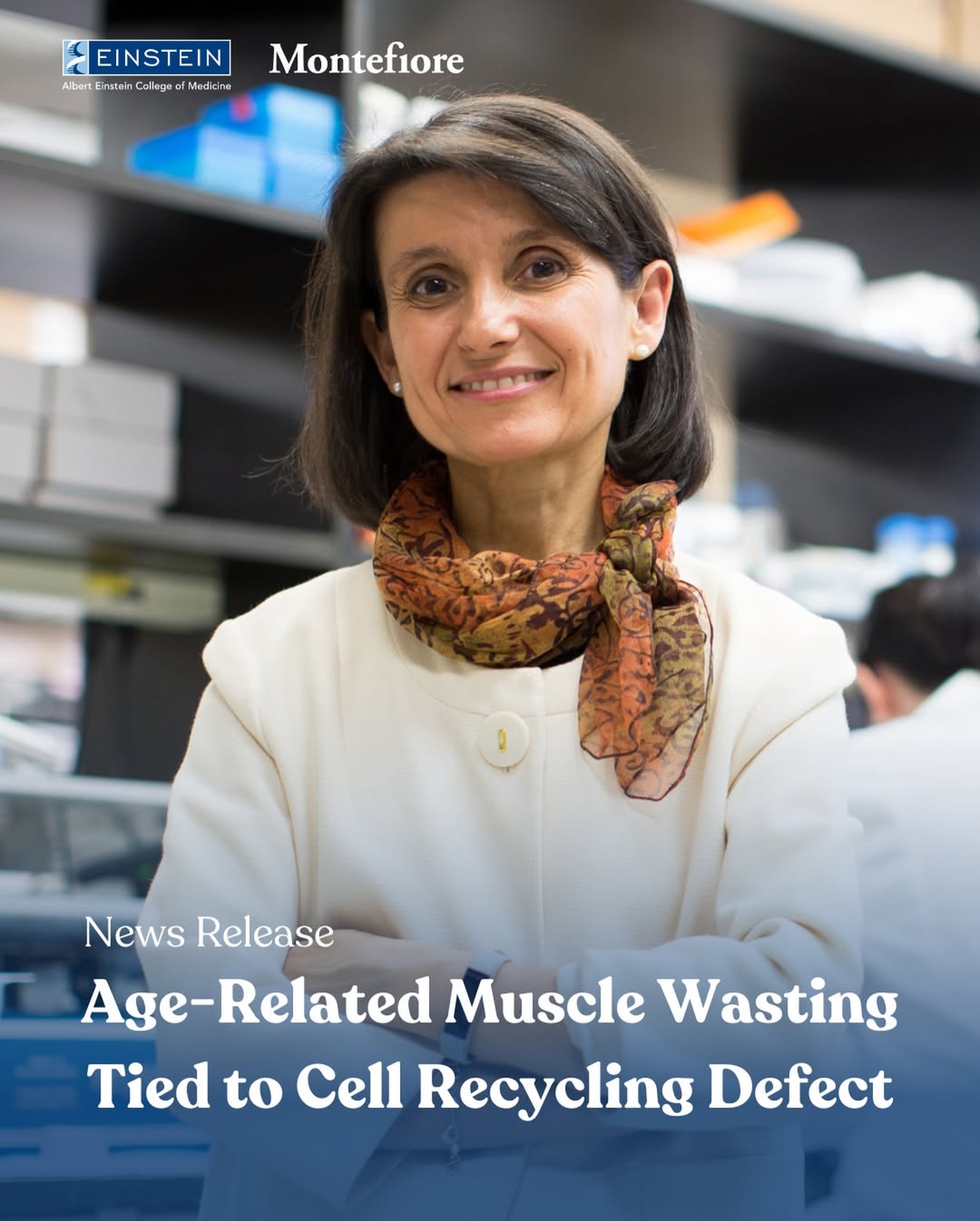
    Louis shares two Nature Metabolism papers from Ana Maria Cuervo's group showing chaperone-mediated autophagy declines with age in muscle and that restoring it improved strength and regeneration in aging mice. He notes fasting and resistance training increase CMA, rapamycin activates it and excess high-quality protein inhibits it, and ties it to heart muscle.
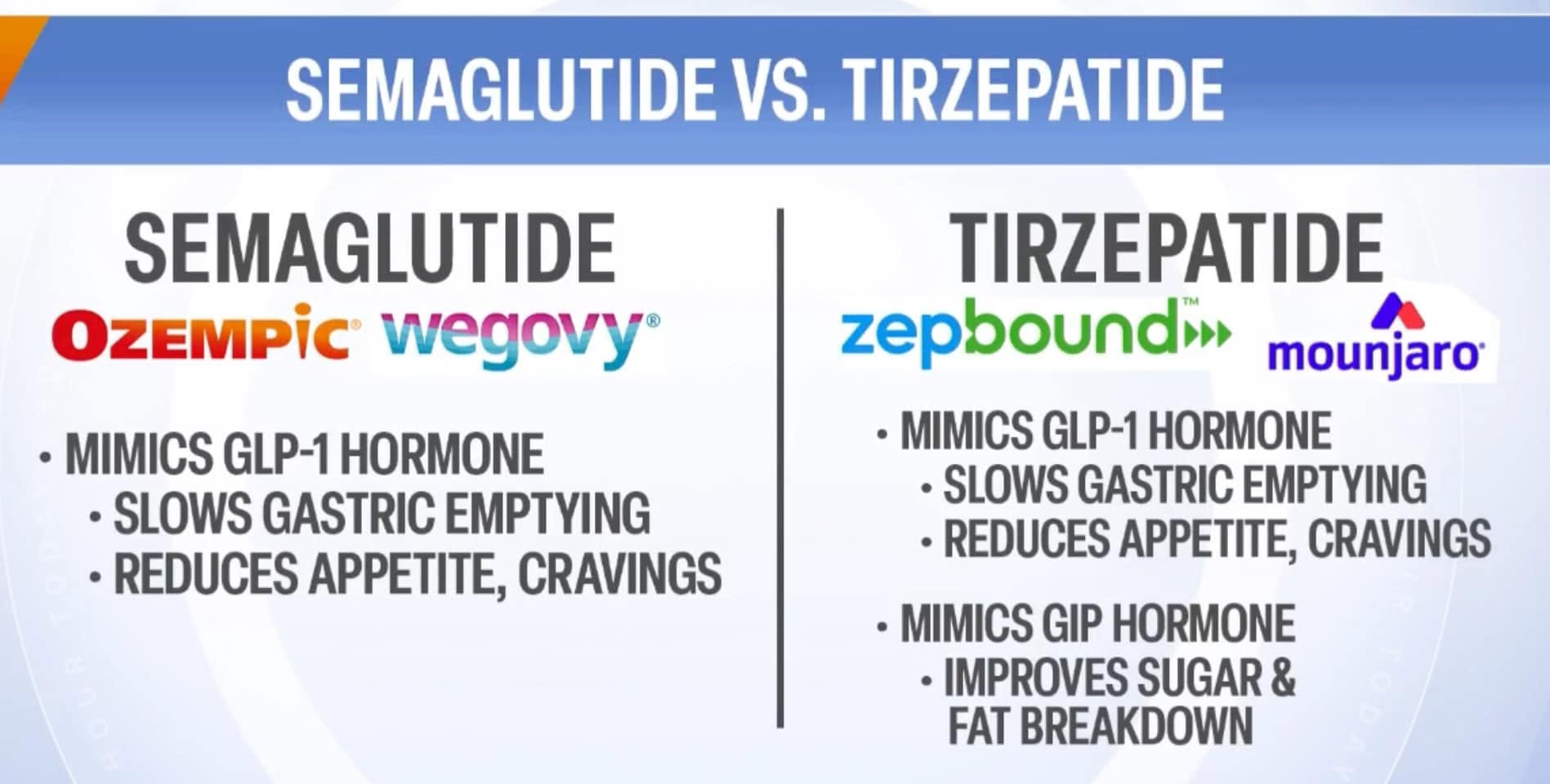
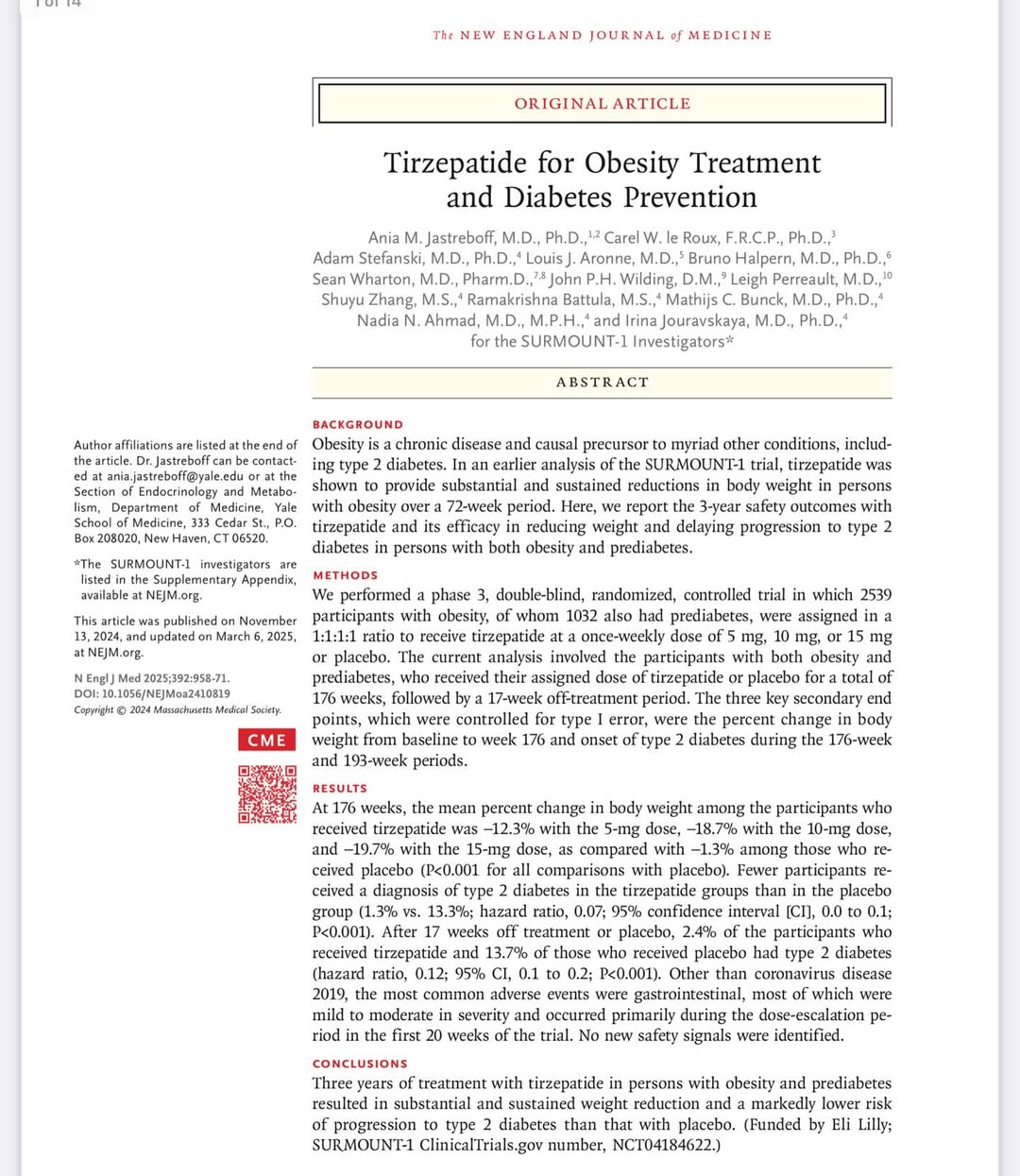
  12. Tirzepatide cut 3-year diabetes incidence to 1.3% vs 13.3% in SURMOUNT-1

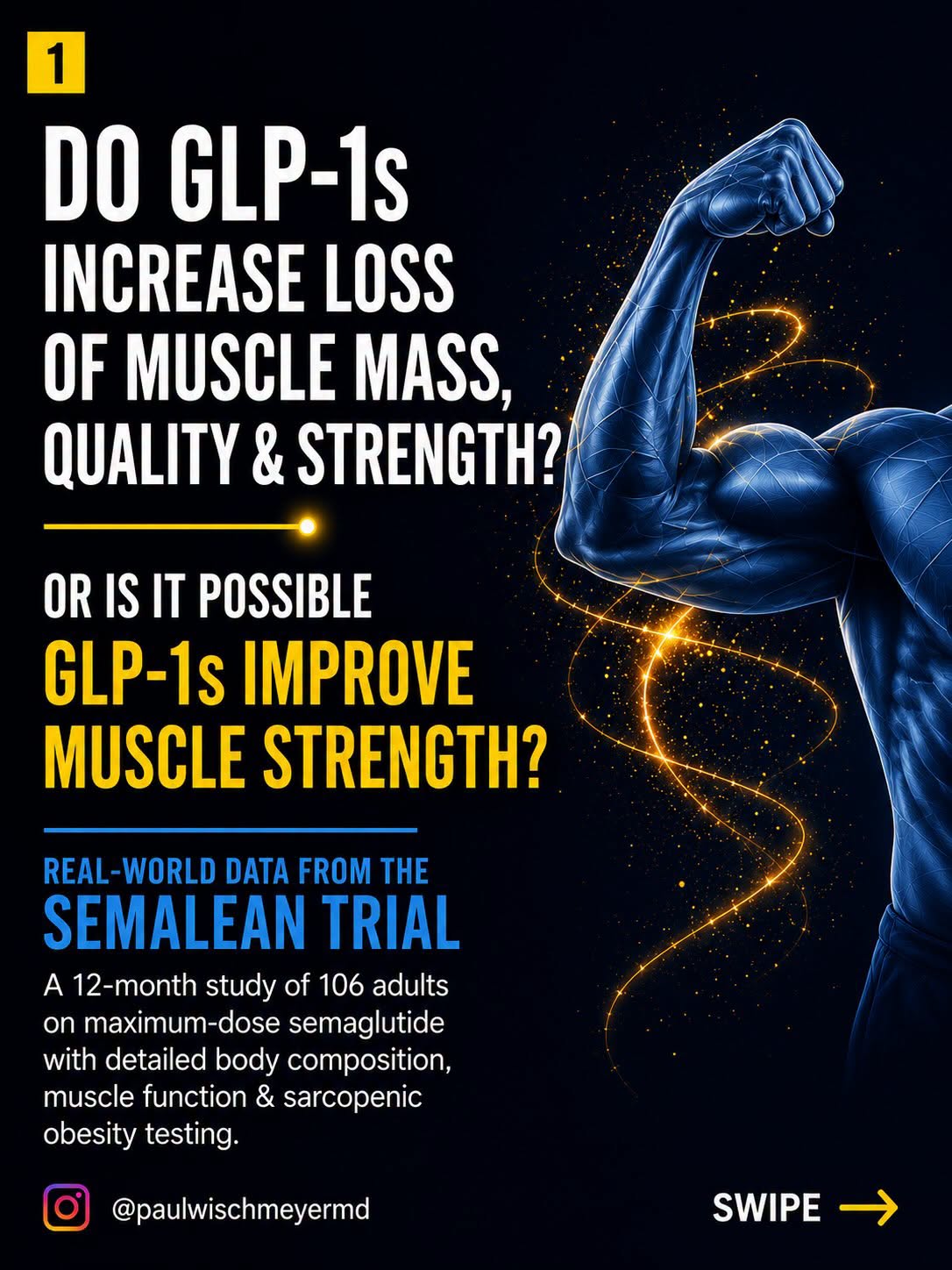
    Mar 06, 2025 · Louis Nervegna ♥ 12 · 💬 5 GLP-1 drugs (semaglutide, tirzepatide)

    Louis shares Luigi Fontana's post on the 3-year SURMOUNT-1 results and adds that weight loss clears fat from liver and pancreas, the main cause of insulin resistance and beta-cell dysfunction, so any diet producing major weight loss can do the same. The shared post also warns about muscle/bone loss and nutrient deficiencies without exercise and good nutrition.

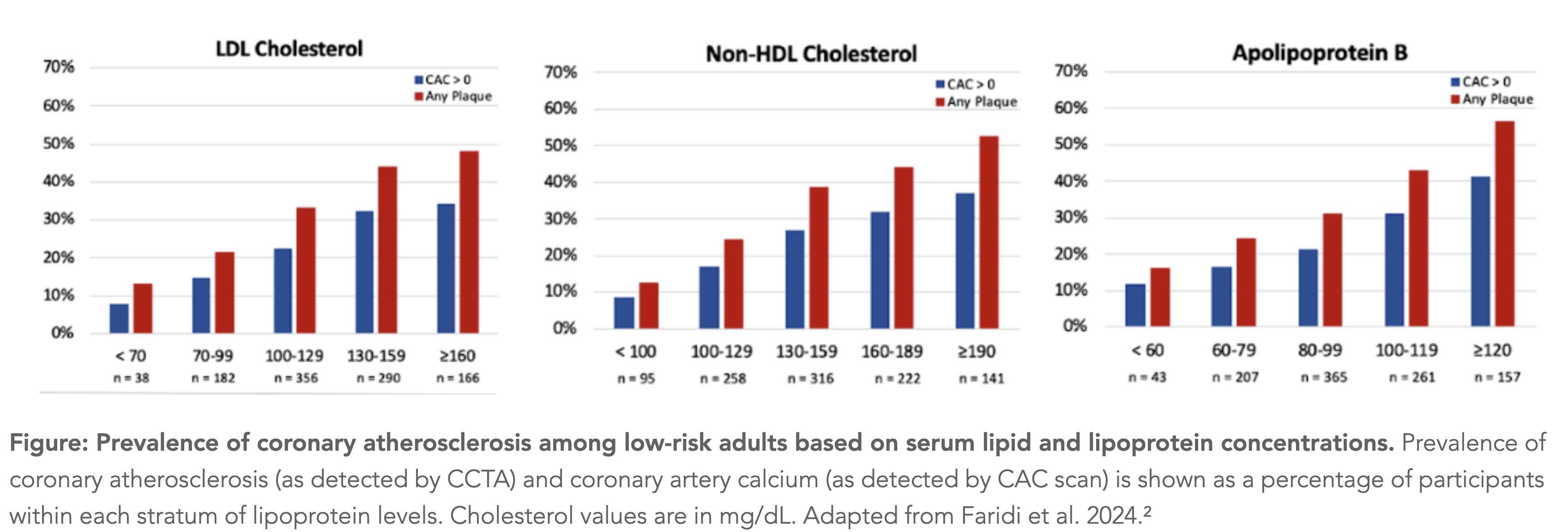
  13. Lowering LDL or ApoB is no cure: residual risk persists in every trial; age matters most

    Aug 20, 2024 · Louis Nervegna ♥ 25 · 💬 2 LDL, ApoB & lipid panel

    The post argues that although aggressive LDL/ApoB lowering reduces risk in many RCTs, considerable residual risk remains in every trial, rising with age. It lists other risk factors (family history, blood pressure, smoking, weight, inflammation, diet, inactivity, insulin resistance/diabetes) and says age is the biggest risk factor, by over 10x versus LDL or ApoB.

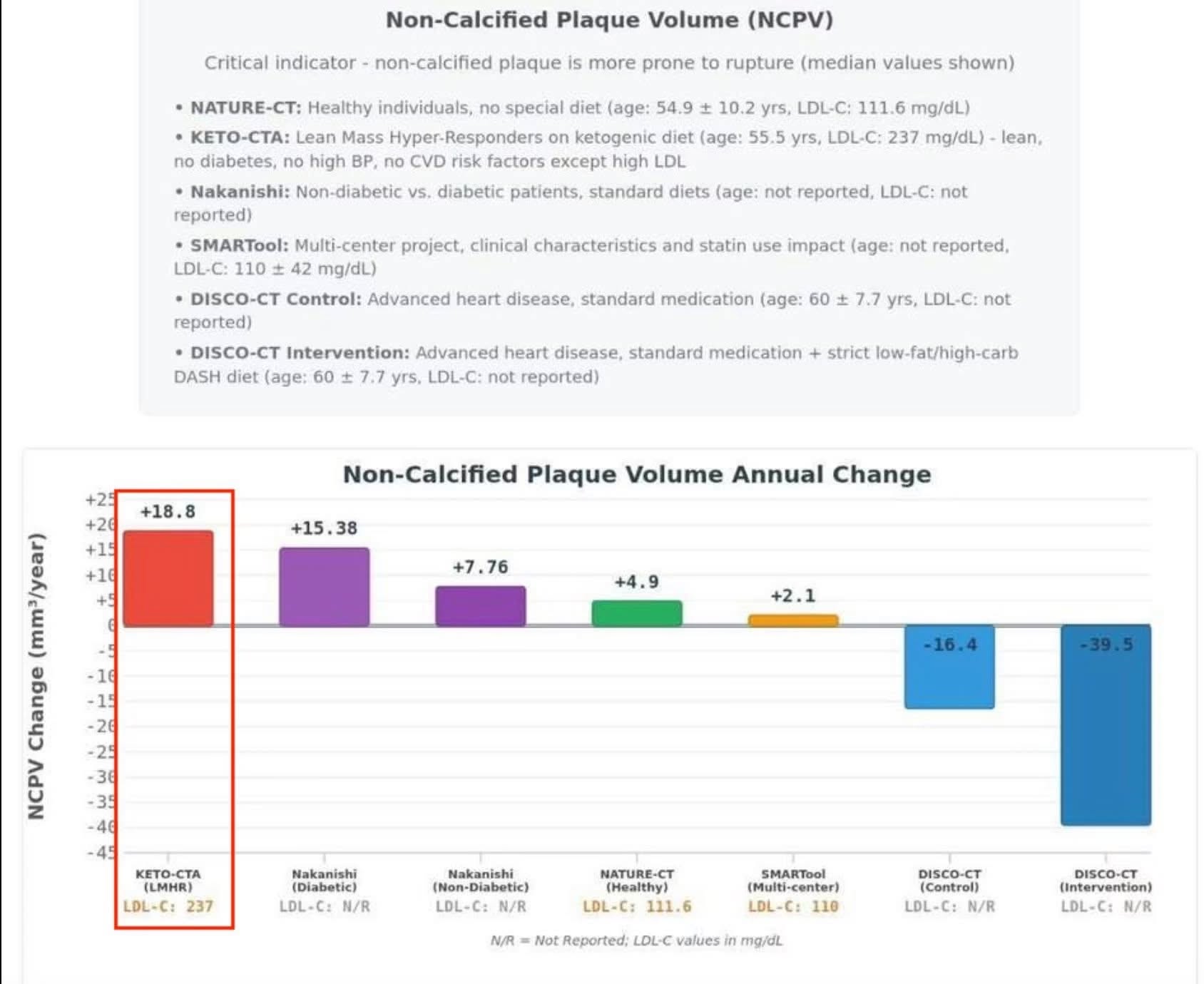
  14. Keto-CTA (LMHR): plaque volume rose 25-100% in one year across CAC and risk subgroups

    Apr 09, 2025 · Louis Nervegna ♥ 10 · 💬 6 ↩ 2 Plaque, CAC & CT angiography

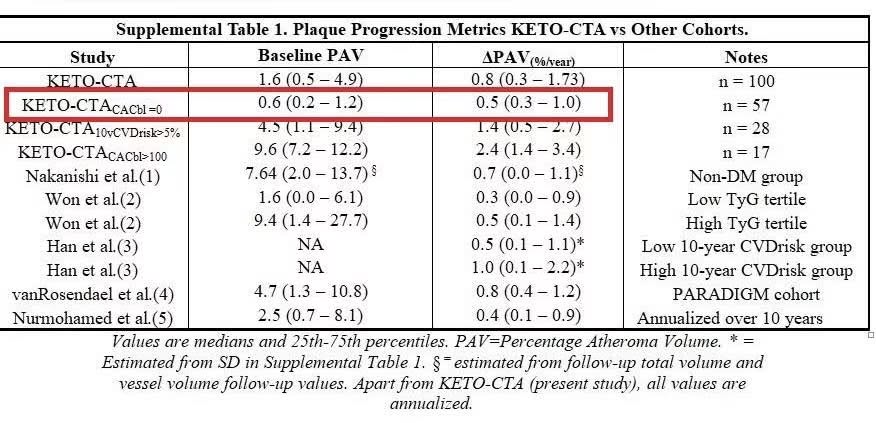
    Louis walks through a table from the Keto-CTA (LMHR) paper showing percent atheroma volume (PAV) changes after one year in lean, metabolically healthy people on keto with average LDL 254 mg/dL. Plaque progressed in every subgroup, with the largest relative increase among those who started with zero CAC. He also explains what PAV measures.

  15. FLOWPROMOTE: lower achieved LDL gave more plaque regression, 21.1% at LDL near 43

    Oct 31, 2026 · Louis Nervegna ♥ 14 · 💬 4 Plaque, CAC & CT angiography

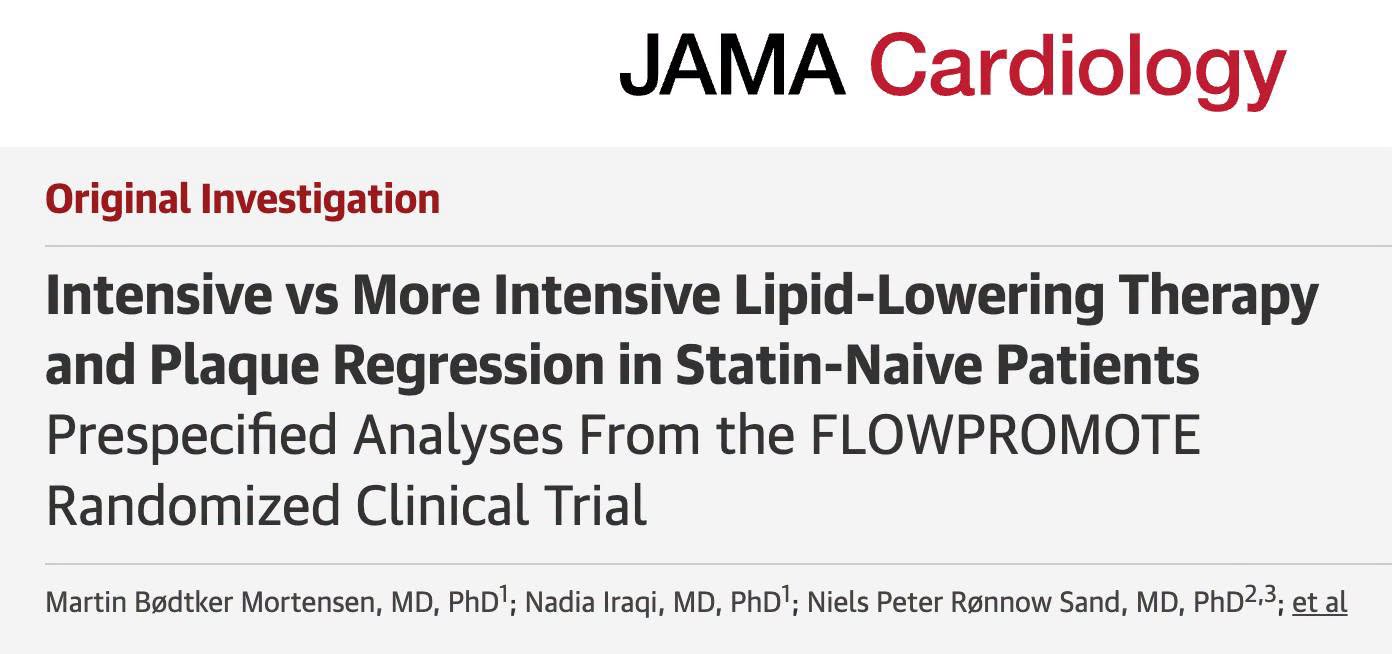
    Louis adds FLOWPROMOTE to the pile of randomized trials showing statins reverse soft and total plaque. In 104 statin-naive stable CAD patients on CT angiography, LDL around 70 mg/dL gave a 13.6% total plaque reduction and around 43 mg/dL gave 21.1%, with 90% of the lower-LDL group showing regression. The linear LDL-to-regression relationship supports LDL being causal in atherosclerosis.

  16. Why LMHR happens: starvation-like physiology in very lean people on keto raises LDL

    Jul 23, 2024 · Louis Nervegna ♥ 14 · 💬 4 LDL, ApoB & lipid panel

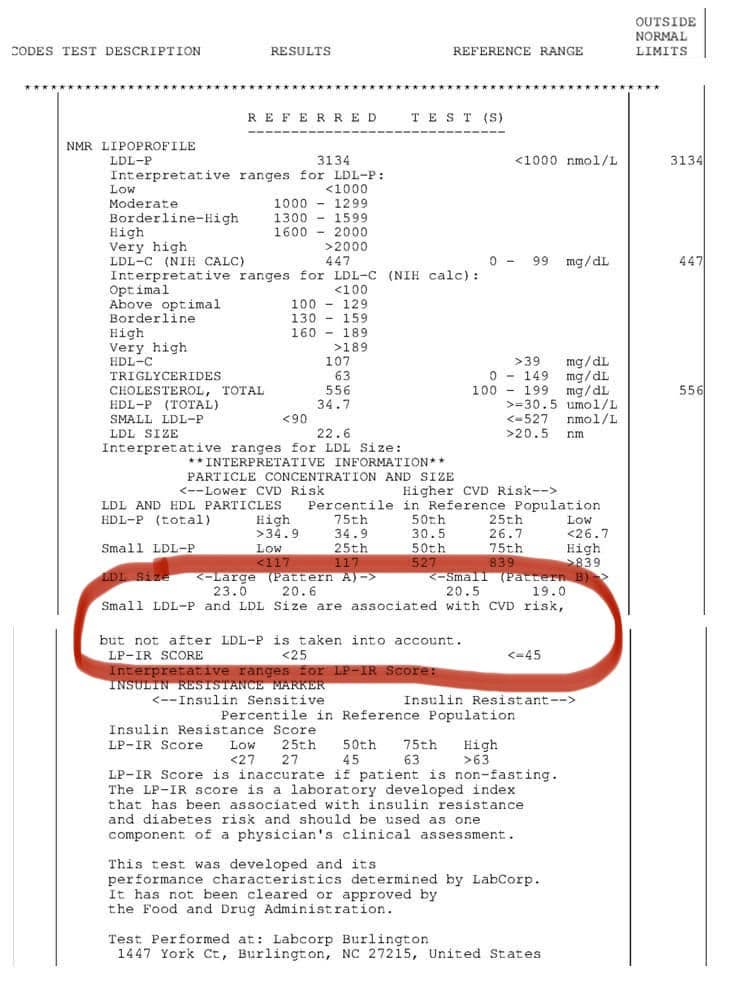
    Reposting his earlier explanation, Louis argues that the lean mass hyper-responder phenotype reflects an old starvation response: with near-zero body fat, no carbohydrate and constant ketosis, the body raises circulating LDL to deliver fat as fuel, while lowering thyroid function and sex hormones. He links to a paper showing fasting increases total cholesterol, LDL-C and apoB in healthy nonobese humans.

  17. Why lowering Lp(a) failed to cut heart attacks in the HORIZON trial, per Nature

    Nov 03, 2026 · Louis Nervegna ♥ 10 · 💬 8 Lp(a)

    Louis shares a Nature news feature asking why Lp(a) lowering did not reduce heart attacks and strokes in the HORIZON trial, with full results due November 7. The quoted passage explains that Lp(a) is like LDL but has an apolipoprotein(a) tail with kringle repeats, that particle for particle it carries about six times LDL's risk, and that clotting effects may matter.

  18. Delaying breakfast to midday lowered post-meal glucose in type 2 diabetes (crossover RCT)

    Dec 27, 2024 · Louis Nervegna ♥ 10 · 💬 8 Fasting & meal timing

    A small randomized crossover trial found delaying breakfast from about 07:00 to mid-morning or midday lowered the 2-hour postprandial glucose response in people with type 2 diabetes. A 20-minute walk after breakfast had only a small effect. Louis notes this suggests morning fasting is acceptable in the short term for people with poor glycemic control.