HD-OPM Archive

Most popular posts 401–500

  1. Potassium-enriched salt cut recurrent stroke 14% and stroke deaths 21% in stroke survivors

    Feb 11, 2025 · Gokhan Can ♥ 17 · 💬 10 Blood pressure, salt & potassium

    A cluster randomized trial in rural northern China (a subgroup analysis of a larger trial) gave stroke survivors a salt substitute containing 25% potassium chloride. It reduced recurrent stroke, hemorrhagic stroke and stroke-related death compared with regular salt, suggesting a cheap, widely usable strategy where sodium intake is high.

  2. Plaque reduction: statins, PCSK9 inhibitors and ezetimibe have the strongest evidence

    May 18, 2024 · Gokhan Can ♥ 32 · 💬 5 Plaque, CAC & CT angiography

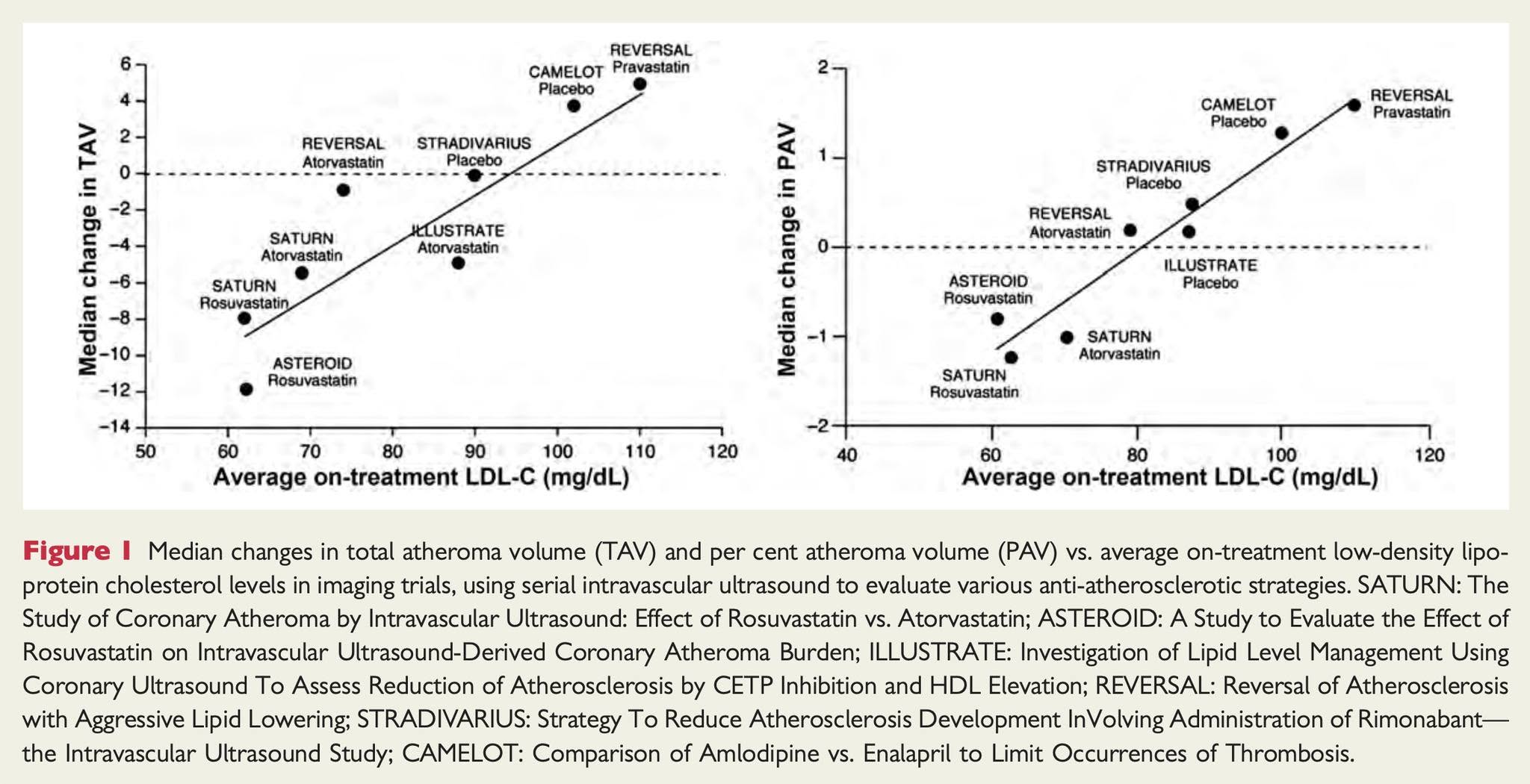
    Ranks interventions for regressing or stabilizing atherosclerotic plaque. Statins, PCSK9 inhibitors and ezetimibe have the strongest trial evidence, with high-dose EPA and pioglitazone fairly good; colchicine, aged garlic, Centella, pine bark, nattokinase and plant-based diets are promising but need rigorous imaging RCTs, and evidence for exercise, L-arginine and vitamin K2 is limited.

  3. Niacin for CVD prevention: no reason to use it given proven options, says the poster

    Sep 19, 2026 · Louis Nervegna ♥ 21 · 💬 11 PCSK9, ezetimibe & newer drugs

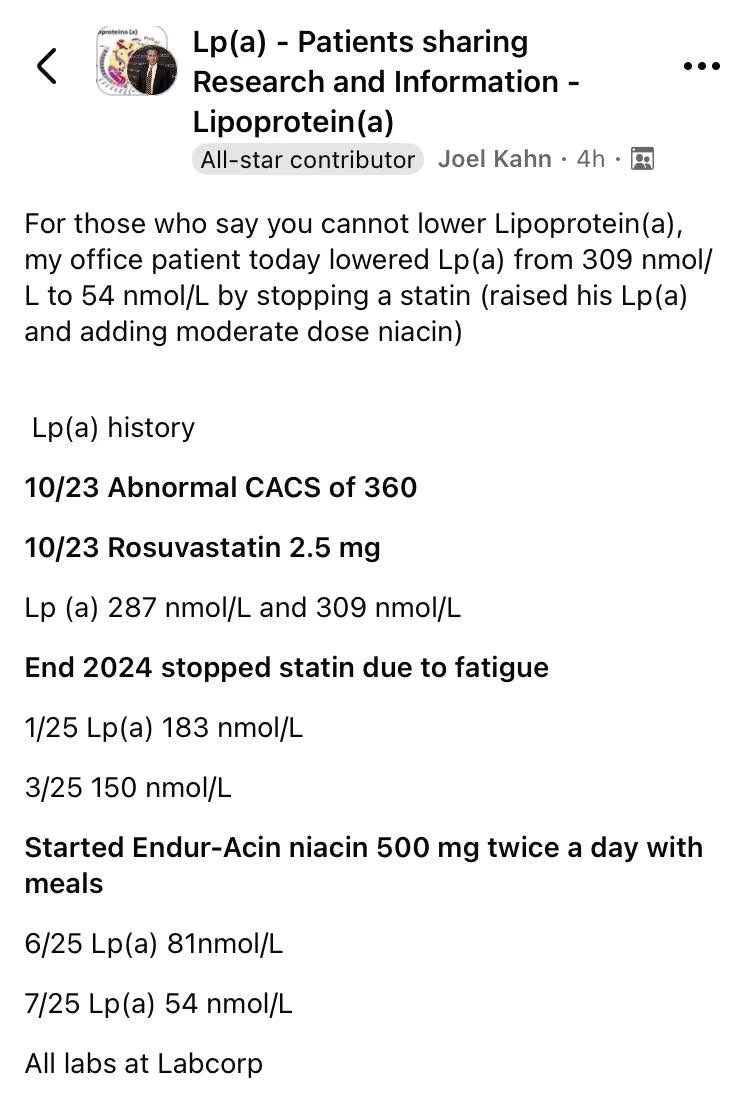
    The poster gives his opinion that niacin is only better than nothing and no longer worth taking for cardiovascular prevention given proven alternatives. He would never combine it with high-dose statins, citing two large trials with no added benefit and more side effects, and no longer sees a role in high Lp(a) after the HORIZON trial failure.

  4. AHA PREVENT calculator replaces Pooled Cohort Equations for ages 30-79

    Jan 25, 2024 · Louis Nervegna ♥ 8 · 💬 21 ↩ 12 Risk assessment & lab tests

    The AHA updated its cardiovascular risk calculator, PREVENT, for adults aged 30-79 without known CVD. It uses newer, larger and more diverse data than the 2013 Pooled Cohort Equations and includes kidney and metabolic disease, giving 10- and 30-year risk of both ASCVD and heart failure. Louis warns it will underestimate risk in people with prior heart attack/stroke, significant atherosclerosis or a high calcium score.

  5. Statins activate AMPK via mild mitochondrial stress, which Louis argues is beneficial

    Nov 23, 2023 · Louis Nervegna ♥ 19 · 💬 12 ↩ 5 Statins

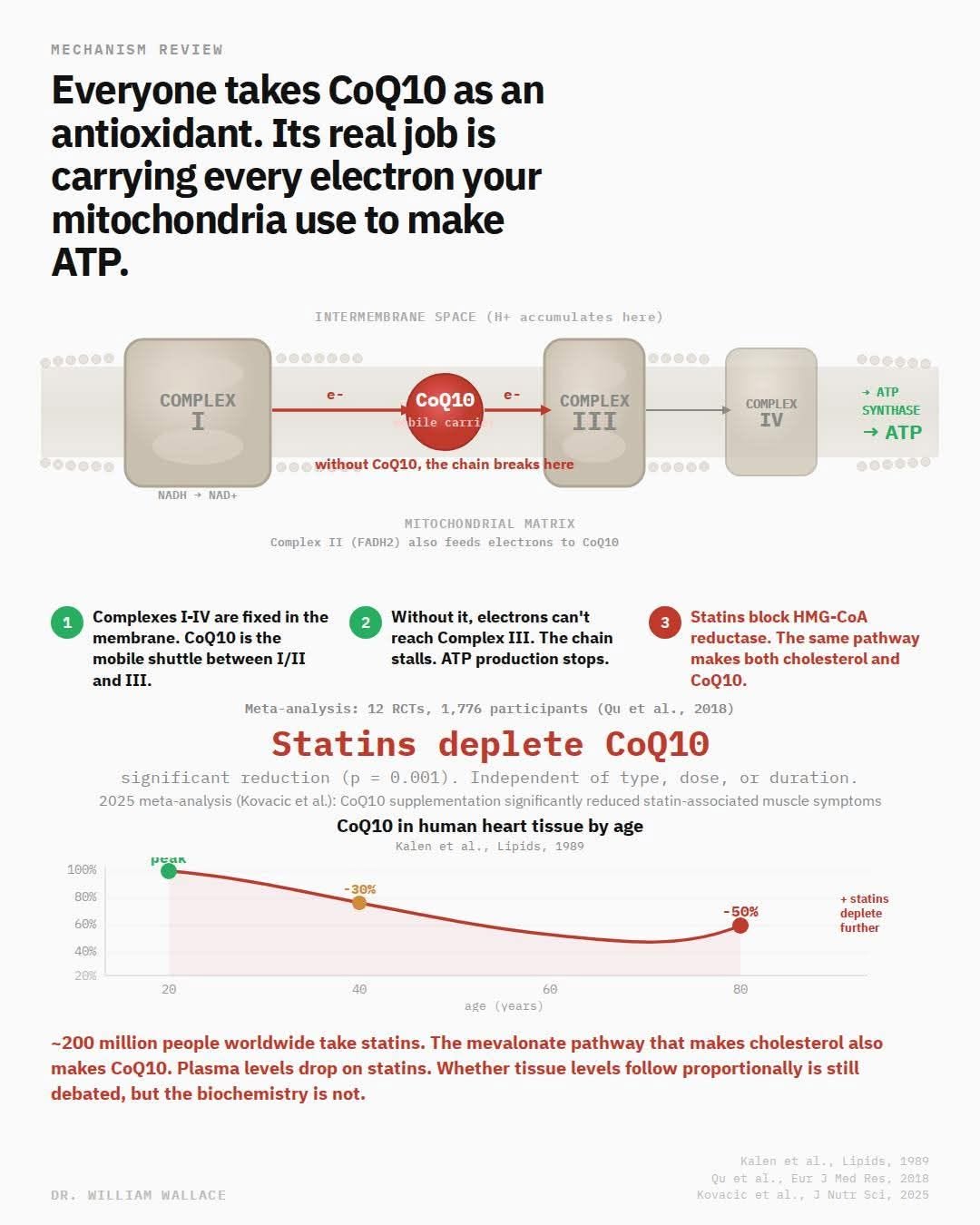
    Louis argues statins do not harmfully impair mitochondria; instead, like metformin, they mildly stress mitochondria and activate the longevity-linked AMPK pathway (mitohormesis), possibly contributing to cardiovascular benefit. He cites a 2006 Circulation study showing statins activate AMPK in vitro and in vivo, leading to endothelial NO synthase activation. The extension to lifespan and mitohormesis is his interpretation.

  6. Tissues make their own cholesterol: even very low LDL-C does not impair hormone production

    Sep 17, 2026 · Louis Nervegna ♥ 15 · 💬 11 LDL, ApoB & lipid panel

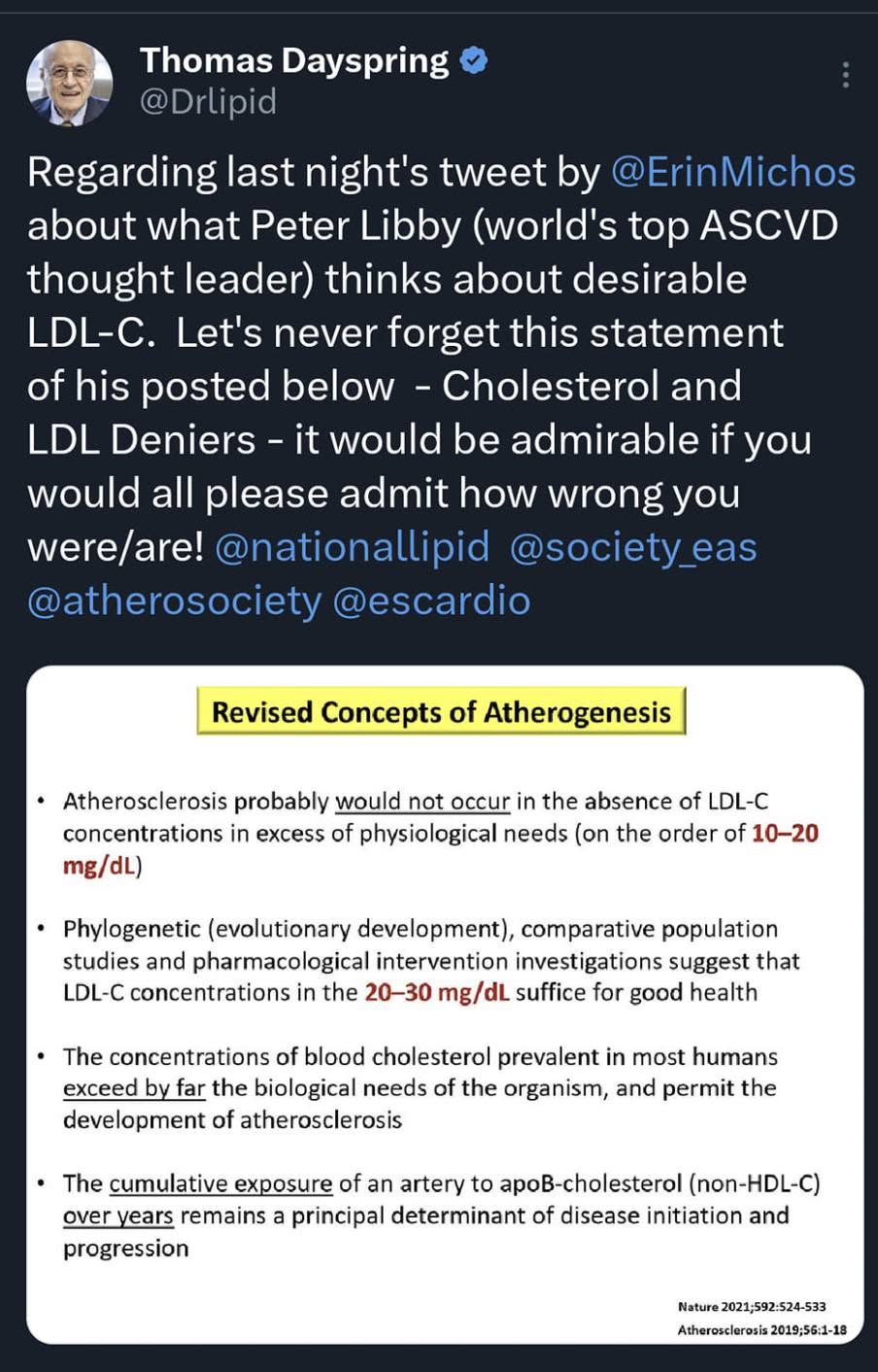
    Louis explains that the blood holds only a small fraction of the body's cholesterol and that tissues, including the brain, mostly synthesize what they need. The steroid hormone demand supplied by blood is only tens of milligrams a day, easily met at very low LDL-C. He cites FOURIER and ODYSSEY OUTCOMES, in which LDL-C below 15-20 mg/dL did not impair adrenal or gonadal hormone production or vitamin D.

  7. N-of-1 trial: most statin side effects arose with placebo too, pointing to nocebo

    Feb 24, 2025 · Louis Nervegna ♥ 11 · 💬 15 Statins

    Louis highlights a NEJM N-of-1 trial where people who had stopped statins for side effects received four months of statin, four of placebo and four of nothing, randomly ordered. Symptoms with placebo were about the same as with statin, and half could restart statins; Louis infers about 90% of side effects were nocebo.

  8. Nattokinase and PAI-1: how it may work and why PAI-1 matters

    Dec 03, 2023 · Gokhan Can ♥ 14 · 💬 16 ↩ 2 Supplements & vitamins

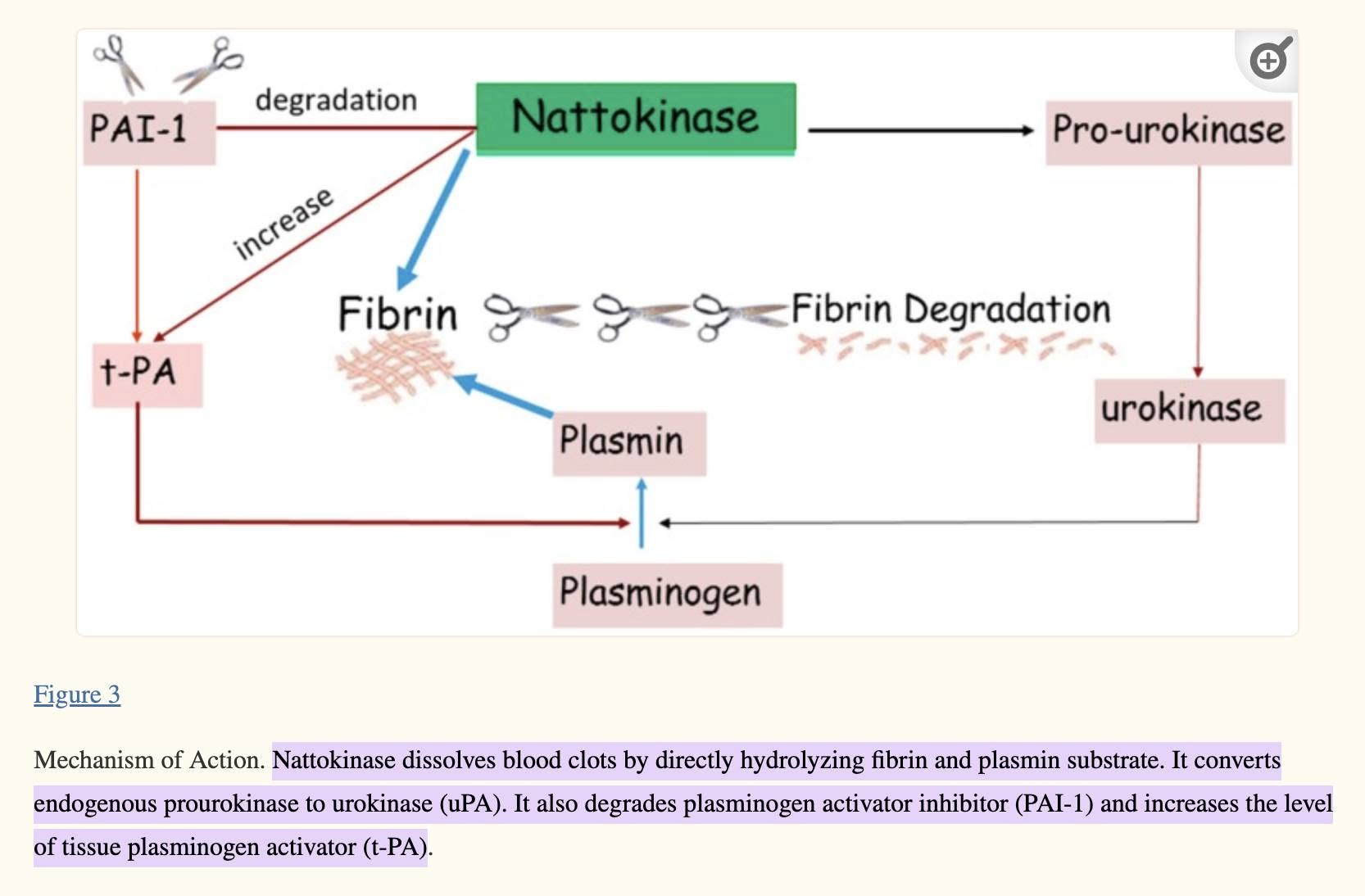
    Notes that nattokinase appears to act by inhibiting PAI-1, a marker linking thrombosis, inflammation, metabolic disorder and aging. People who genetically make less PAI-1 live about 7 years longer, and PAI-1 inhibition helped fatty liver and dyslipidemia in preclinical work.

  9. Statins activate AMPK, the same longevity pathway as metformin

    Nov 11, 2025 · Louis Nervegna ♥ 20 · 💬 11 ↩ 1 Statins

    Louis argues that statins do not harmfully impair mitochondria; the mild stress they cause is hormetic and activates AMPK, much like metformin, which may help explain statins' benefits beyond LDL lowering. He cites a Circulation paper showing statins activate AMPK in vitro and in vivo, leading to endothelial NO synthase activation.

  10. 25 statin RCTs: about 75 mg/dL LDL lowering cut heart attack and stroke roughly 40%

    Dec 11, 2024 · Louis Nervegna ♥ 24 · 💬 5 ↩ 9 Statins

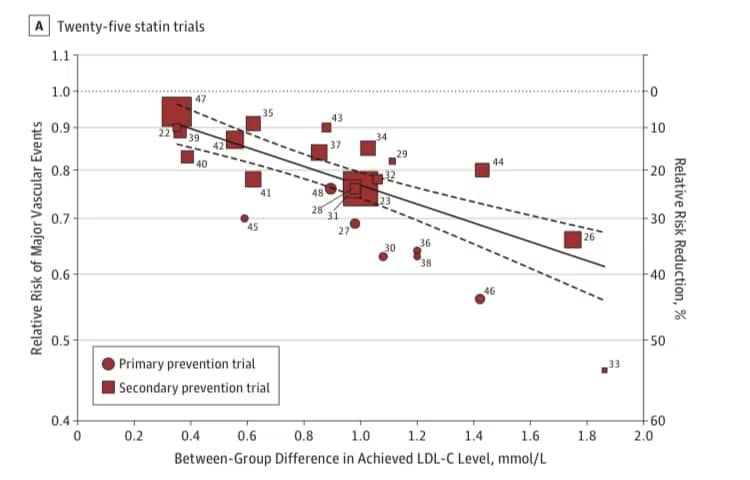
    Louis presents a graph of 25 statin RCTs through 2016, excluding only very short or small trials. Lowering LDL by about 75 mg/dL reduced MACE by about 40% versus placebo, with larger relative reductions in the 7 primary prevention trials than the 18 secondary prevention ones. More trials since have corroborated this.

  11. Unhealthy plant-based diets raise CHD risk, healthy ones lower it, in Harvard cohorts

    Dec 26, 2024 · Louis Nervegna ♥ 13 · 💬 12 Mediterranean, DASH, MIND & plant-forward diets

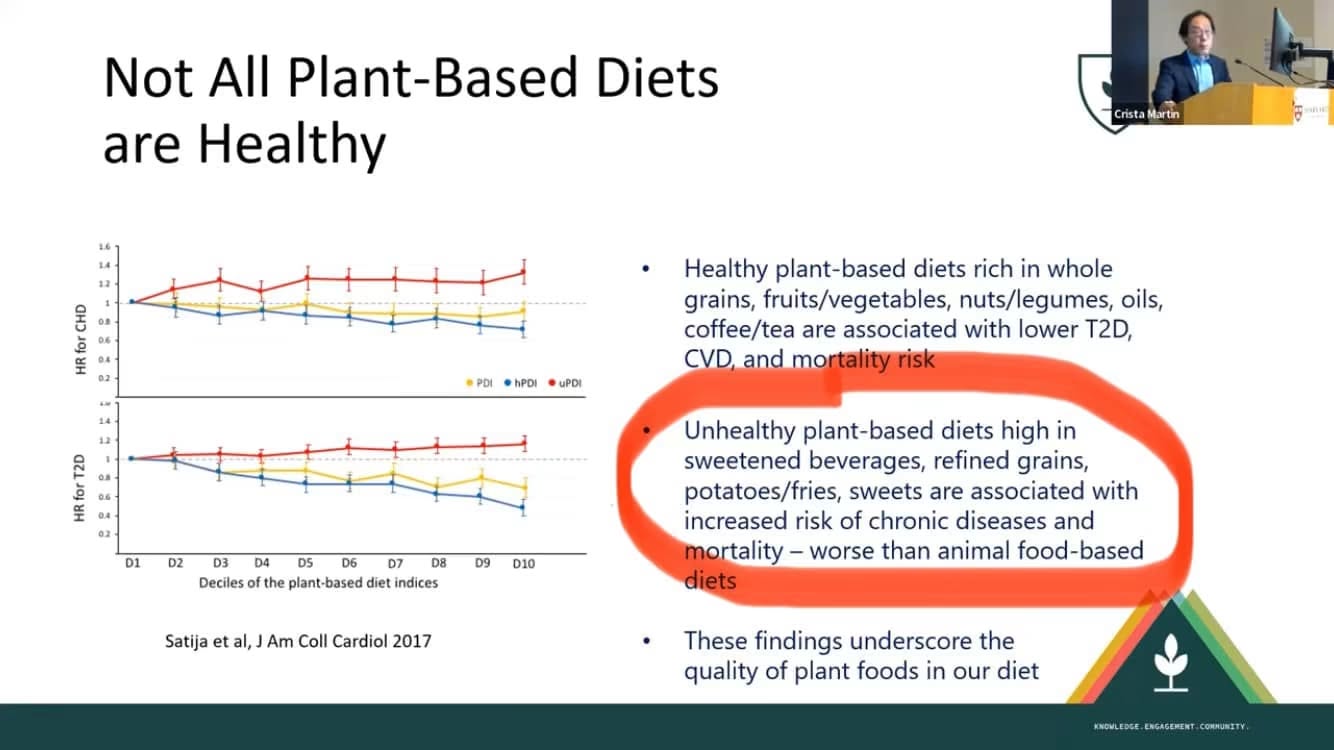
    Louis stresses that not all plant-based diets are healthy. In the Nurses' Health Study and Health Professionals Follow-up Study, a plant-based index rich in healthy plant foods was linked to substantially lower CHD risk while one emphasizing sugary drinks, refined grains, potatoes and sweets was linked to higher risk, worse than the standard diet baseline.
  12. Higher omega-6 biomarker levels linked to 22% lower CVD death in 30-cohort pooled analysis

    Jan 20, 2024 · Louis Nervegna ♥ 13 · 💬 12 ↩ 7 Fats & oils (saturated fat, seed oils, omega-6, olive oil)

    A pooled analysis of about 70,000 people from 30 prospective cohorts measured linoleic acid in blood and tissue rather than relying on food questionnaires. Higher levels were associated with lower total CVD, CVD mortality and ischemic stroke, which counters claims that omega-6 or seed oils drive heart disease.

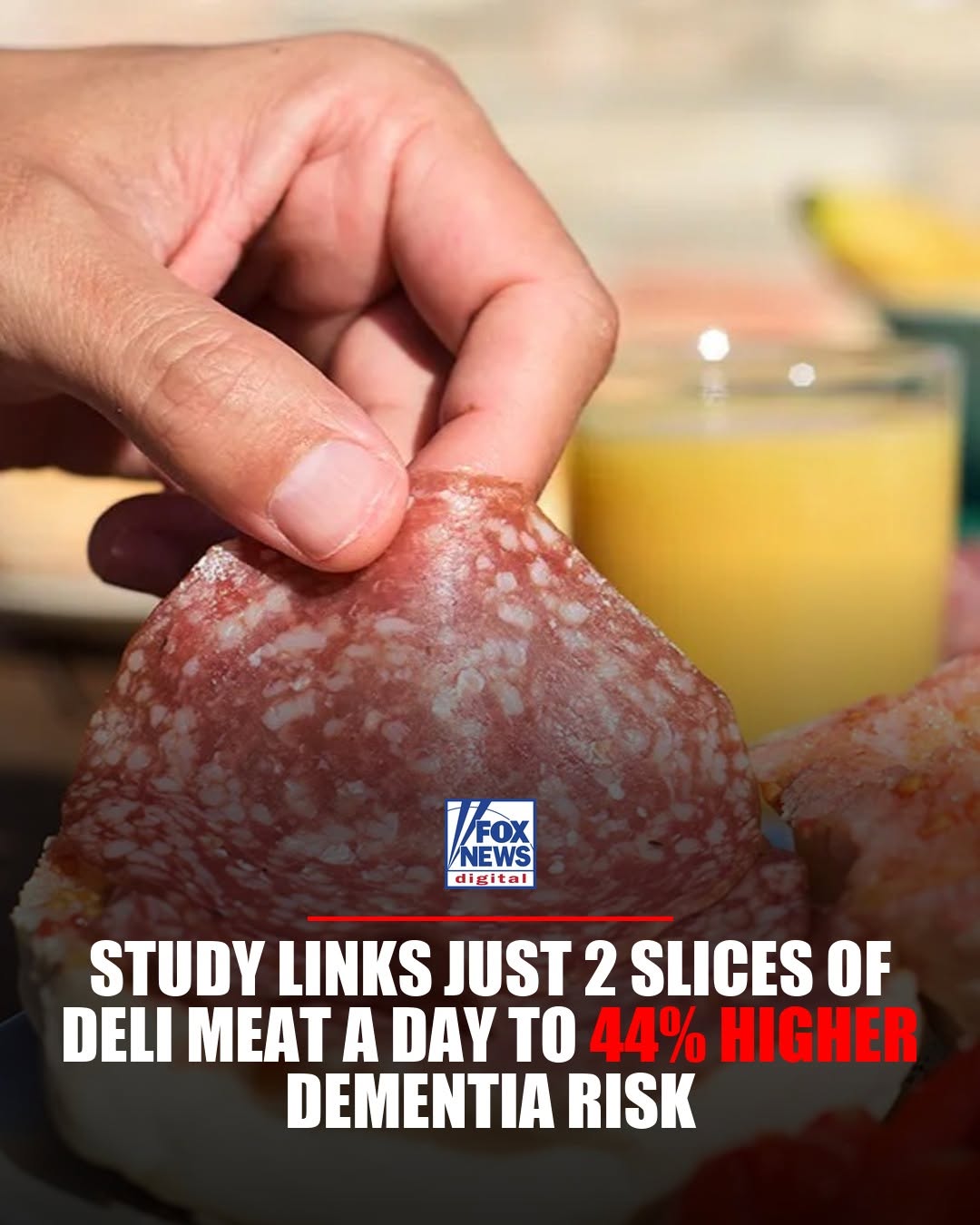
  13. Two slices of deli meat a day linked to 44% higher dementia risk in a new review

    Oct 02, 2026 · Louis Nervegna ♥ 14 · 💬 15 Meat, eggs & dairy

    A review in the Annual Review of Nutrition reports that about two slices of processed meat daily is linked to 44% higher dementia risk and 52% higher Alzheimer's risk, drawing on dozens of studies including nearly 500,000 UK participants. Replacing 10% of ultra-processed food calories with unprocessed food was linked to 19% lower dementia risk. The poster says processed meat has the worst hazard ratios of any food category apart from trans fats.

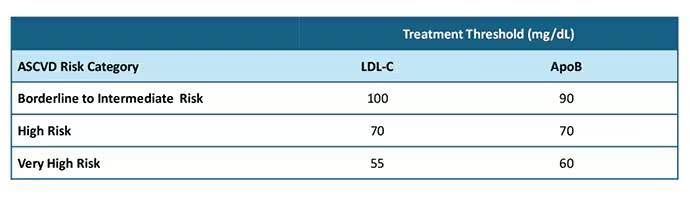
  14. NLA consensus clarifies when to measure ApoB and matching LDL-C thresholds

    Dec 13, 2025 · Louis Nervegna ♥ 8 · 💬 19 LDL, ApoB & lipid panel

    Shared from Gokhan Can: a summary of the National Lipid Association's Expert Clinical Consensus on apoB testing. ApoB is a more accurate predictor than LDL-C when the two diverge, particularly after statins, and testing is suggested for borderline-risk patients deciding on a statin or those considering intensifying therapy, with apoB thresholds matching LDL-C goals.

  15. 36 RCTs: extra protein did not boost strength or muscle in healthy adults over 65

    Oct 20, 2025 · Louis Nervegna ♥ 11 · 💬 11 Protein

    Louis argues that US adults over 65 already eat over 1.2 g/kg/day of protein and summarizes a 2018 AJCN meta-analysis of 36 RCTs in nonfrail older adults. Added protein did not improve grip or leg strength, walking speed, chair rise or muscle mass, with or without resistance exercise, while exercise itself helped; frail people may differ.

  16. Budoff recommends statins, aspirin and BP control for keto dieters with CT-detected plaque

    Apr 14, 2025 · Louis Nervegna ♥ 14 · 💬 15 Low-carb, keto & carnivore

    Louis cites a video in which Keto-CTA principal investigator Matthew Budoff recommends statins, low-dose aspirin and tight blood pressure control for patients on keto diets with significant plaque on CT angiography, and CT scans for his ketogenic patients. He says the statin is to treat plaque, since statins slow plaque progression even at low LDL.

  17. Three of Ancel Keys' 18 researchers reached 100 on a traditional Mediterranean diet

    Mar 14, 2025 · Louis Nervegna ♥ 19 · 💬 11 Mediterranean, DASH, MIND & plant-forward diets

    Louis recounts that three of 18 scientists on the Seven Countries Study team, who adopted a traditional Mediterranean diet, lived to 100, and that Ancel Keys reached almost 101. He estimates the odds by chance at about 1 in 10 billion versus roughly 1 in 10,000 for Americans, and says four RCTs in aggregate show a 46% lower CVD death risk. The odds figure is Louis' own back-of-envelope calculation.

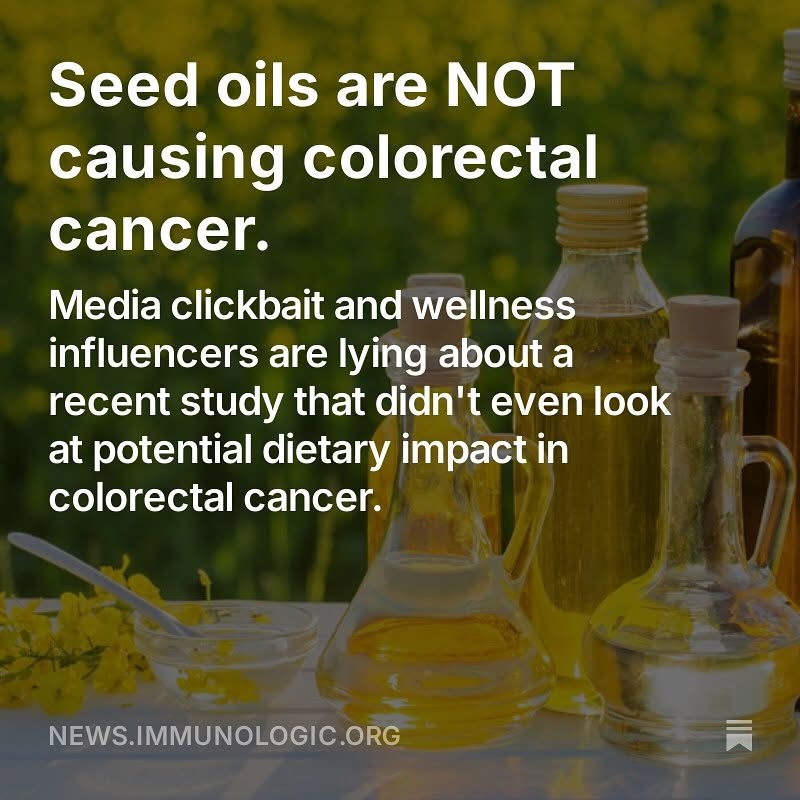
  18. Dozens of RCTs show seed oils are not inflammatory; viral tumor study involved no diet

    Dec 13, 2024 · Louis Nervegna ♥ 15 · 💬 14 Fats & oils (saturated fat, seed oils, omega-6, olive oil)

    Louis says dozens of human RCTs show seed oils are not inflammatory and some show anti-inflammatory effects. He shares Andrea Love's explanation that a viral colorectal cancer study was a molecular screen of 40 tumor biopsies with no dietary component, and that only 0.2% of linoleic acid is converted into arachidonic acid.

  19. Reliable medical knowledge does not require RCTs: smoking and trans fats as examples

    Jan 08, 2024 · Louis Nervegna ♥ 17 · 💬 9 ↩ 1 How to read research

    Louis argues that long RCTs are often unethical or impractical for diseases that take decades to develop, and that no human RCT showed smoking causes lung cancer or trans fats cause heart disease. Instead, causality is established by combining high-quality prospective cohorts, short-term biomarker RCTs and animal mechanistic studies, applying Bradford-Hill criteria, as with the Framingham Heart Study. He says much nutrition knowledge was built this way, so dismissing it for lacking long RCTs is mistaken.

  20. Low LDL in cancer patients reflects reverse causality: tumours scavenge LDL

    May 25, 2026 · Louis Nervegna ♥ 17 · 💬 12 LDL, ApoB & lipid panel

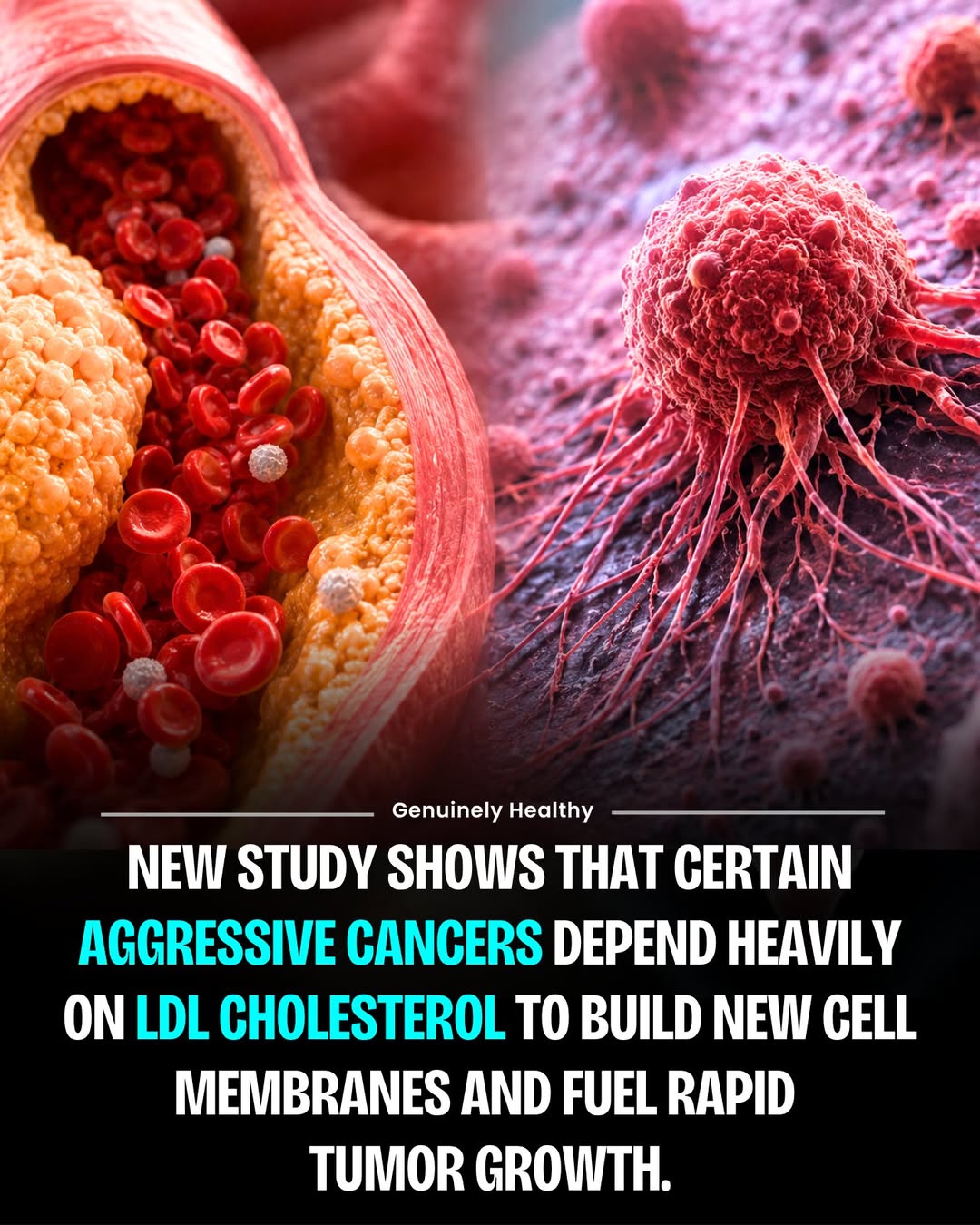
    Louis explains that rapidly dividing tumour cells take up circulating LDL, so LDL falls in people with cancer and observational data show low LDL with higher cancer mortality. The shared 2026 Science Advances study found aggressive breast cancers with TP53 mutations depend on cholesterol, and blocking PI5P4K enzymes trapped cholesterol and disrupted mTOR signalling.

  21. Small MSK trial: high-fiber plant-based diet delayed progression of precursor myeloma

    Dec 23, 2024 · Louis Nervegna ♥ 17 · 💬 12 Cancer

    A first-of-its-kind Memorial Sloan Kettering trial gave 20 overweight people with precursor blood disorders 12 weeks of plant-based meals with coaching. None had progressed at one year, and two with previously progressing disease improved. Researchers think increased gut butyrate may be involved; a 150-person trial (NUTRIVENTION-3) is enrolling.

  22. COSMOS: RDA-level multivitamin slowed epigenetic aging by about 4 months

    Mar 28, 2025 · Louis Nervegna ♥ 22 · 💬 9 Supplements & vitamins

    Louis calls the COSMOS epigenetic-aging analysis arguably the highest quality RCT on multivitamins ever done. All five clocks showed a signal for slower aging, with significant effects on PCGrimAge and PCPhenoAge amounting to roughly 4 months of aging averted over 2 years, and larger effects in those with accelerated aging.

  23. Why chronically high insulin is harmful and how to keep it low

    Feb 22, 2025 · Louis Nervegna ♥ 11 · 💬 18 Insulin resistance & diabetes

    Louis argues excess insulin promotes cancer growth, heart disease and IGF-1/mTOR growth pathways that accelerate aging, citing animal lifespan work, Loyal's dog research and Laron syndrome. He recommends avoiding refined starch/sugar, limiting excess animal protein, and using fats, fasting and calorie restriction to keep insulin low.

  24. Heart attacks peak in the early morning; bedtime dosing of BP drugs may help

    Jun 27, 2026 · Louis Nervegna ♥ 14 · 💬 14 Heart attack, stroke & procedures

    Louis explains that most heart attacks occur shortly after waking, when cortisol surges, vessels tighten and blood pressure spikes. He suggests taking blood pressure medication, aspirin and statins at bedtime, and corrects his post to say people are found dead in the 'bathroom' rather than 'toilet', since defecation syncope is much rarer than a standard heart attack.

  25. NEJM: hs-CRP, LDL and Lp(a) each predicted 30-year CVD risk in women, best combined

    Aug 31, 2024 · Louis Nervegna ♥ 8 · 💬 14 Risk assessment & lab tests

    Louis highlights a NEJM Women's Health Study analysis of initially healthy women followed 30 years with 3,662 first major cardiovascular events. Top versus bottom quintile hazard ratios were 1.70 for hs-CRP, 1.36 for LDL and 1.33 for Lp(a), each independent, with the combination predicting best. The authors argue prevention should extend beyond 10-year risk estimates.

  26. Harvard cohort: unhealthy low-carb diets raise diabetes risk, plant-based ones lower it

    Nov 30, 2025 · Gokhan Can ♥ 13 · 💬 15 Low-carb, keto & carnivore

    Summarises a video on a 30-year Harvard study of over 200,000 participants: low-carb diets high in animal protein, saturated fat and refined carbs like white potatoes were linked to higher type 2 diabetes risk, while plant-based versions (nuts, avocado, whole grains) lowered it. It also discusses rapid weight loss without exercise causing 'fat overshooting' on regain.

  27. Colchicine may work partly by inhibiting IL-11, a lifespan-linked pro-fibrotic cytokine

    Jul 26, 2024 · Louis Nervegna ♥ 13 · 💬 15 ↩ 4 Inflammation & CRP

    The poster speculates that because colchicine, the first approved anti-inflammatory heart drug, has anti-fibrotic effects (it was studied in pulmonary fibrosis), it may act partly through IL-11 inhibition. Blocking IL-11 extended mouse lifespan by 25%, and anti-IL-11 therapies are entering pulmonary fibrosis trials. This is a hypothesis.

  28. Video series tallies ages of death of 100+ health influencers by diet type

    Jun 08, 2024 · Louis Nervegna ♥ 13 · 💬 23 Aging & longevity

    Louis shares a three-part video series that surveys the ages at which more than 100 famous health influencers died. His takeaway is that influencers promoting diets high in red and processed meat and low in whole grains, fruit, vegetables and beans did not live long on average. This is an anecdotal survey, not controlled research.

  29. Why Louis takes a low-dose statin: known side effects beat unknown ones of newer drugs

    May 09, 2024 · Louis Nervegna ♥ 15 · 💬 20 Statins

    Louis explains his personal reasoning for choosing a low-dose statin over newer cholesterol drugs: statin side effects are well characterized after decades, while newer drugs may have undiscovered ones. He adds that this is probably why statins remain standard of care for most people. This is personal opinion, not a study.

  30. VLDL cholesterol (triglycerides / 5) may be more atherogenic than LDL

    May 02, 2024 · Louis Nervegna ♥ 13 · 💬 11 ↩ 8 LDL, ApoB & lipid panel

    Louis explains that VLDL is an emerging atherosclerosis risk factor and may be more atherogenic than LDL, so people with low LDL but high VLDL may still be at risk. VLDL can be roughly estimated by dividing triglycerides by 5 on a standard lipid panel, which is one reason to watch triglycerides. A normal VLDL is below 30 mg/dL, corresponding to triglycerides below 150 mg/dL, though optimal is likely lower in high-risk people.

  31. Coronary CT angiography modestly improved lifestyle and therapy uptake vs risk scoring

    Jun 22, 2025 · Louis Nervegna ♥ 16 · 💬 12 Plaque, CAC & CT angiography

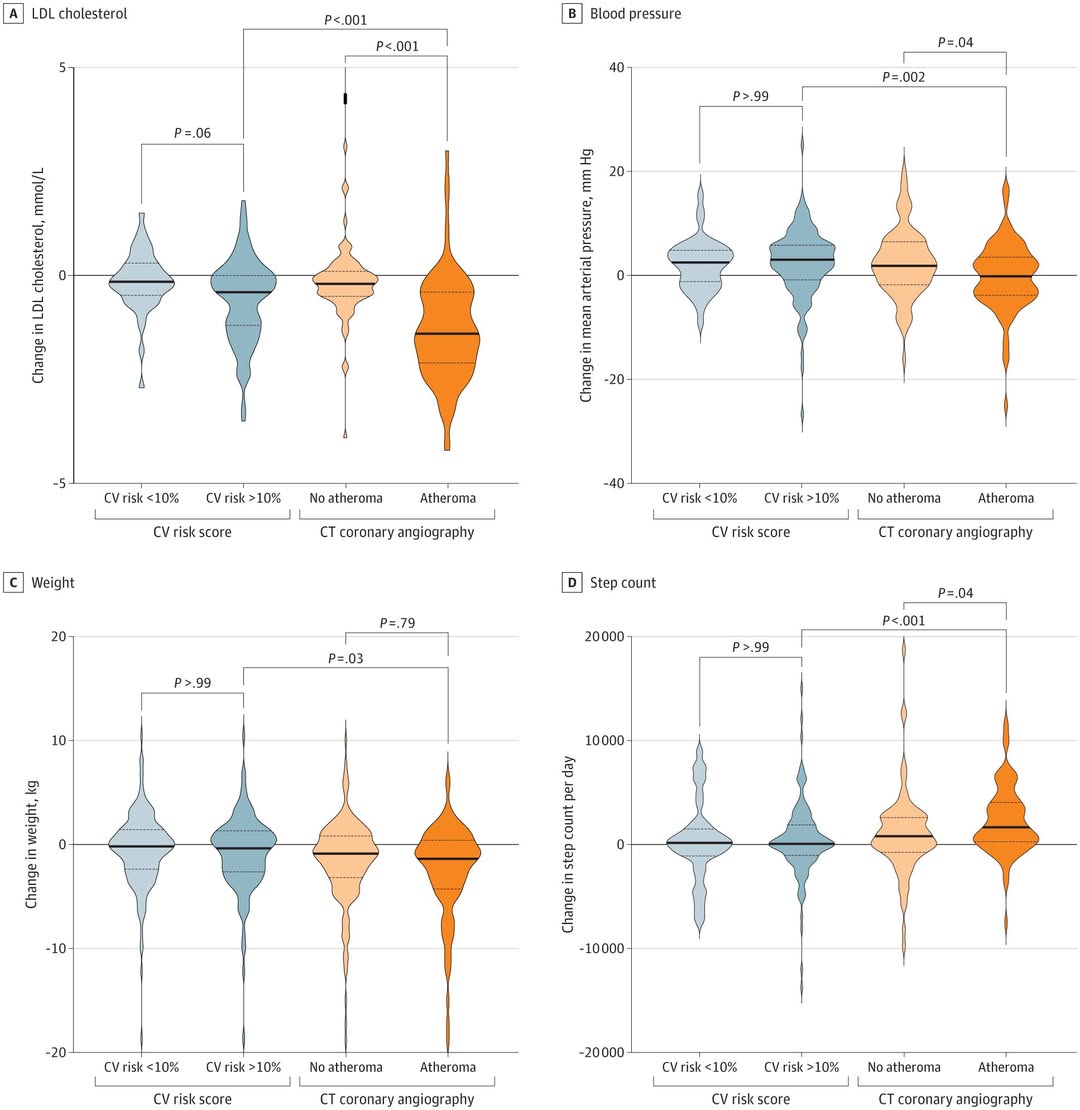
    Louis shares a JAMA finding that, compared with cardiovascular risk scoring, coronary CT angiography was associated with modest improvements in healthier lifestyle behaviors, acceptance of recommended preventive therapy and risk factor modification. His comment is that higher-risk people become more motivated once they see their scan results.

  32. US labels can show 0 g trans fat when under 0.5 g per serving; check for hydrogenated oils

    Dec 08, 2025 · Louis Nervegna ♥ 10 · 💬 19 Fats & oils (saturated fat, seed oils, omega-6, olive oil)

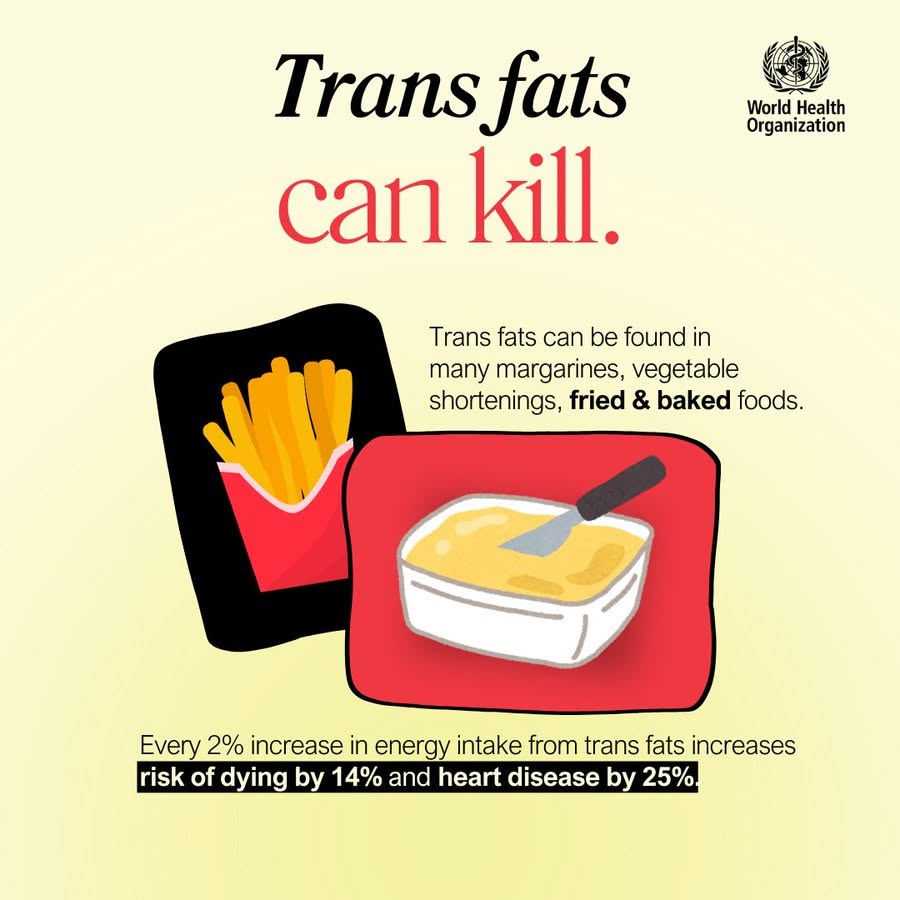
    Louis explains that the USA lets manufacturers list 0 g trans fat when a serving has under 0.5 g, which can add up over several servings, so the ingredient list ('partially hydrogenated') is the reliable check. He notes natural ruminant trans fat in dairy and beef does not appear to share the harms. A WHO figure in the share says each 2% of energy from trans fat raises heart disease risk 25% and all-cause death 14%.

  33. Sumo wrestlers stay metabolically healthy because heavy exercise shifts fat under the skin

    Mar 09, 2025 · Louis Nervegna ♥ 21 · 💬 9 Weight, visceral & liver fat

    Louis explains why sumo wrestlers, despite huge calorie and refined-carbohydrate intake, store little fat in the liver and pancreas and little visceral fat. He attributes this to up to 7 hours of daily exercise, which releases adiponectin and steers fat storage to subcutaneous tissue, a reason exercise protects against metabolic syndrome and diabetes.