HD-OPM Archive

Most popular posts 601–700

  1. Quality CPR may preserve brain function up to an hour into arrest, early evidence says
    Feb 07, 2024 · Louis Nervegna ♥ 11 · 💬 14 Heart attack, stroke & procedures

    Louis urges never giving up on CPR, quoting reports that the brain shows signs of electrical recovery for as long as an hour into ongoing CPR and that the old teaching that the brain dies after 3-5 minutes is not accurate. The claim of surviving with no severe brain damage is stronger than the quoted evidence, which is described as emerging.

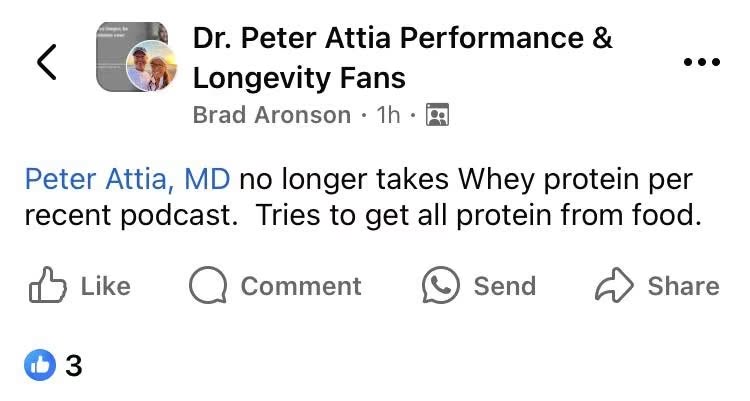
  2. Whey protein is highly insulinogenic; Willett wary of powders and IGF-1 cancer risk

    Dec 13, 2024 · Louis Nervegna ♥ 15 · 💬 10 ↩ 2 Protein

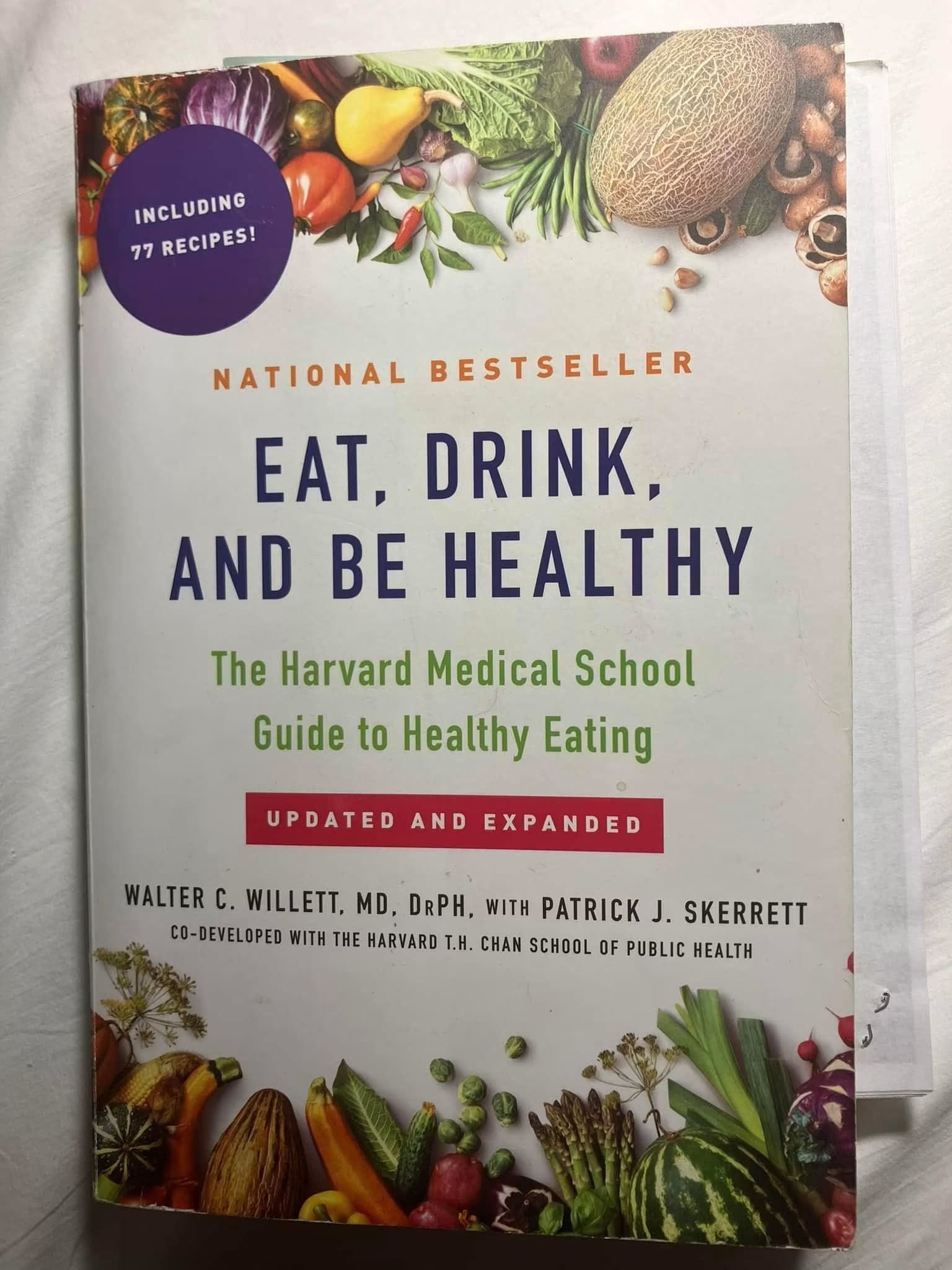
    Louis argues processed whey spikes insulin more than glucose or white bread and may raise insulin/IGF-1, which promote cancer cell growth. He cites Walter Willett's 2017 book cautioning that protein supplements add little muscle without exercise and that BCAAs increase IGF-1, which may raise breast and prostate cancer risk.

  3. Why the LMHR phenotype happens: starvation-like physiology in lean keto dieters

    Jan 25, 2024 · Louis Nervegna ♥ 10 · 💬 11 ↩ 9 Low-carb, keto & carnivore

    Louis proposes that the lean mass hyper-responder (LMHR) pattern, with extremely high LDL-C on keto/carnivore diets, reflects an ancient starvation response described in calorie-restriction literature. With near-zero body fat and no carbohydrate, the body acts as if starving, raising circulating LDL to deliver fat as fuel, lowering leptin, LDL receptors and thyroid and sex hormones. He links a trial showing fasting raised LDL and ApoB in healthy non-obese people, and cautions that overdoing restriction is the danger. This is a hypothesis, not proof of harm or safety.

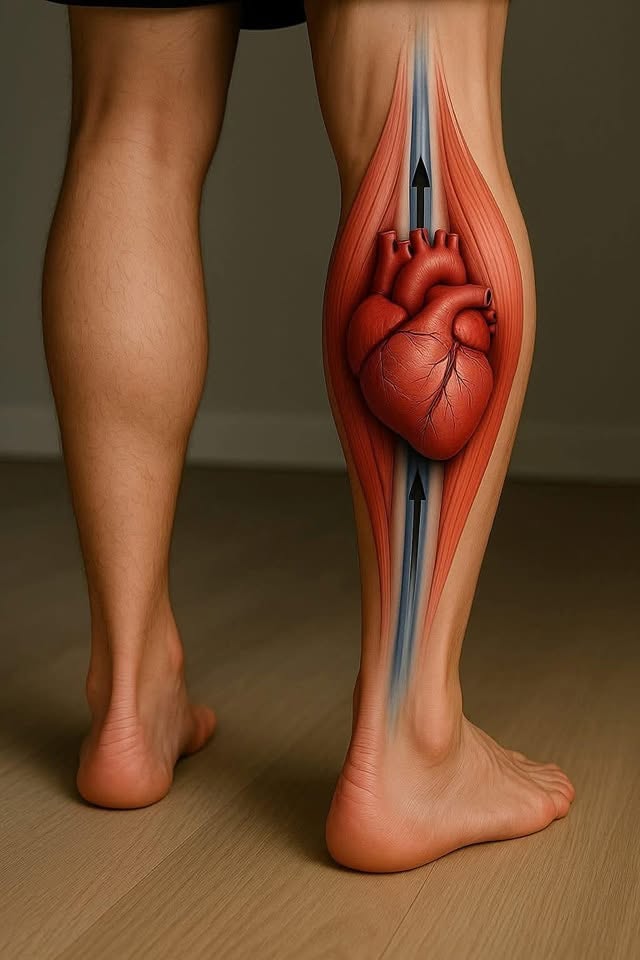
  4. Loss of toe and shin hair can signal reduced blood flow from peripheral artery disease

    Jun 27, 2026 · Louis Nervegna ♥ 24 · 💬 6 Blood vessels, circulation & endothelium

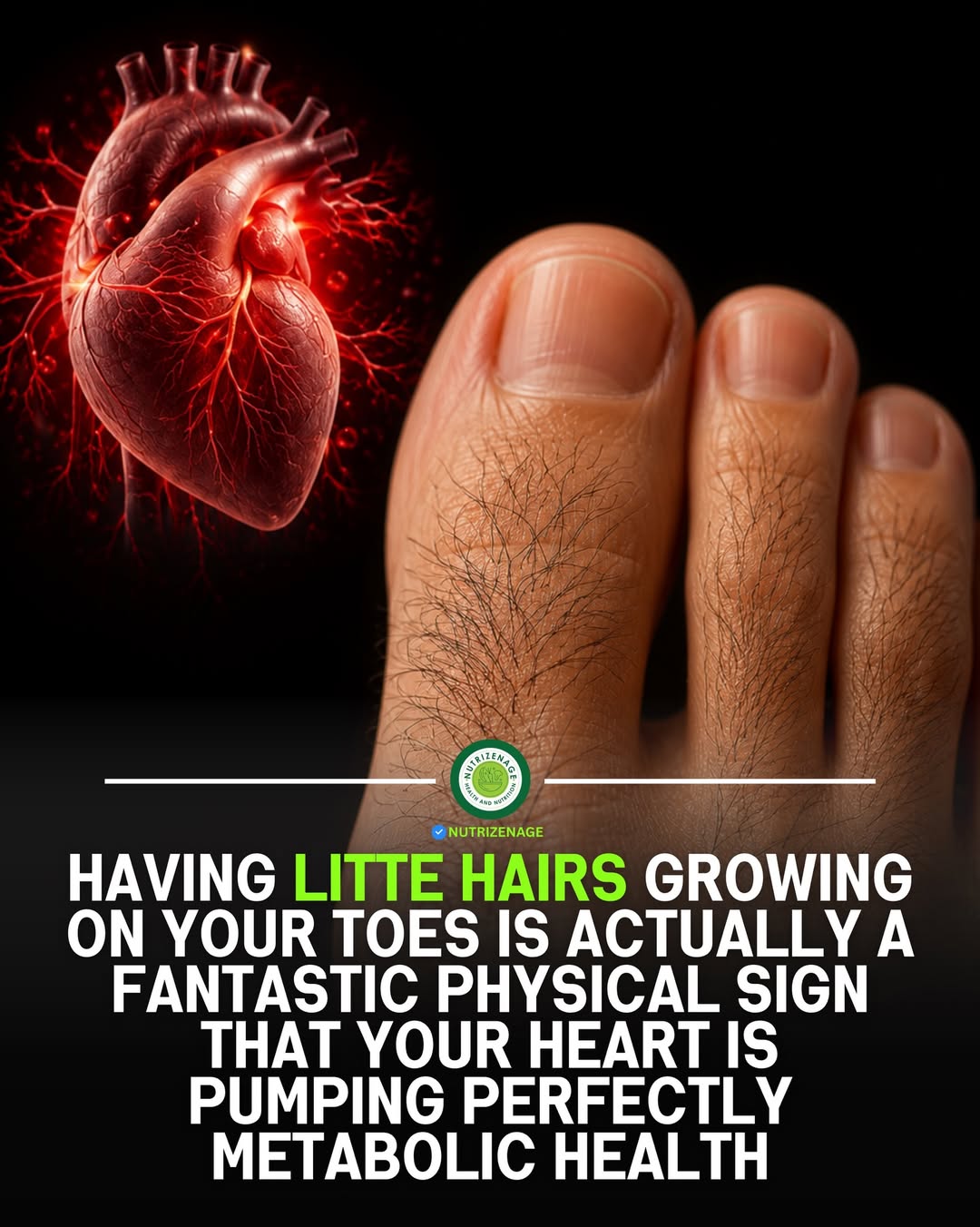
    Louis confirms, with caveats about the picture's exaggeration, that hair follicles depend on blood supply, so restricted flow to the legs (most commonly PAD) can make hair on shins, ankles, feet and toes stop growing. Sudden hair loss with cold feet, leg pain on walking, numbness or slow-healing wounds warrants medical review.

  5. In JUPITER, rosuvastatin brought diabetes diagnosis forward by only 5.4 weeks

    Feb 13, 2024 · Louis Nervegna ♥ 6 · 💬 14 ↩ 1 Statins

    Louis uses the JUPITER trial (rosuvastatin 20 mg vs placebo, 17,600 people, up to 5 years) to size the statin-diabetes link. Statin allocation advanced the time to diabetes diagnosis by an average of 5.4 weeks and raised HbA1c about 0.1 point at 24 months. His reading is that no one got diabetes who was not going to anyway, and that 20 mg is a high dose versus the 5 mg many take. The Lancet analysis concluded benefits exceeded the diabetes hazard.

  6. Atorvastatin may 'disarm' Lp(a) by blocking oxidation, a theory for HORIZON's failure

    Nov 10, 2026 · Louis Nervegna ♥ 9 · 💬 12 ↩ 1 Lp(a)

    Louis proposes that Lp(a)HORIZON failed because aggressive statin treatment (78% on high-intensity statins) may have already neutralized oxidized phospholipids carried by Lp(a). A shared abstract (Sherratt et al., Eur Heart J) found atorvastatin's active metabolite scavenges free radicals and inhibits oxidation of Lp(a) and small dense LDL better than other statins. This is a lab-based hypothesis.

  7. Review of 884 supplement RCTs: omega-3, folic acid and CoQ10 helped; beta-carotene harmed

    Nov 30, 2023 · Louis Nervegna ♥ 12 · 💬 7 ↩ 2 Supplements & vitamins

    Louis quotes a JACC systematic review of 884 randomized trials (883,627 participants) on 27 micronutrients. Omega-3 reduced CVD mortality, heart attack and CHD events; folic acid reduced stroke; CoQ10 reduced all-cause mortality; vitamins C, D, E and selenium had no effect on CVD or type 2 diabetes; beta-carotene increased mortality and stroke. Several others improved risk factors with moderate-to-high quality evidence.

  8. Statin muscle pain is common in some, severe damage is rare; statins may aid sarcopenia

    Jan 02, 2025 · Louis Nervegna ♥ 7 · 💬 15 Statins

    Louis argues statins are not toxic to muscle in most people. Myalgia occurs in some, possibly with a genetic susceptibility, while rhabdomyolysis is very rare (about 1 in 100,000, or 1 in 10,000 conservatively). Switching statins (e.g., to pravastatin or pitavastatin) or using non-statin LDL drugs can help, and low-dose statins are being studied as a treatment for sarcopenia.

  9. Personalized mRNA vaccine succeeds in phase 3 melanoma trial after ~50% phase 2 benefit

    Aug 20, 2026 · Louis Nervegna ♥ 12 · 💬 12 Cancer

    A personalized mRNA vaccine plus Keytruda improved recurrence-free and distant metastasis-free survival in a phase 3 trial of more than 1,100 patients with melanoma. The earlier phase 2 trial showed roughly a 50% reduction in recurrence or death at 5 years. Approval might come as early as 2027, and trials are under way in other cancers.

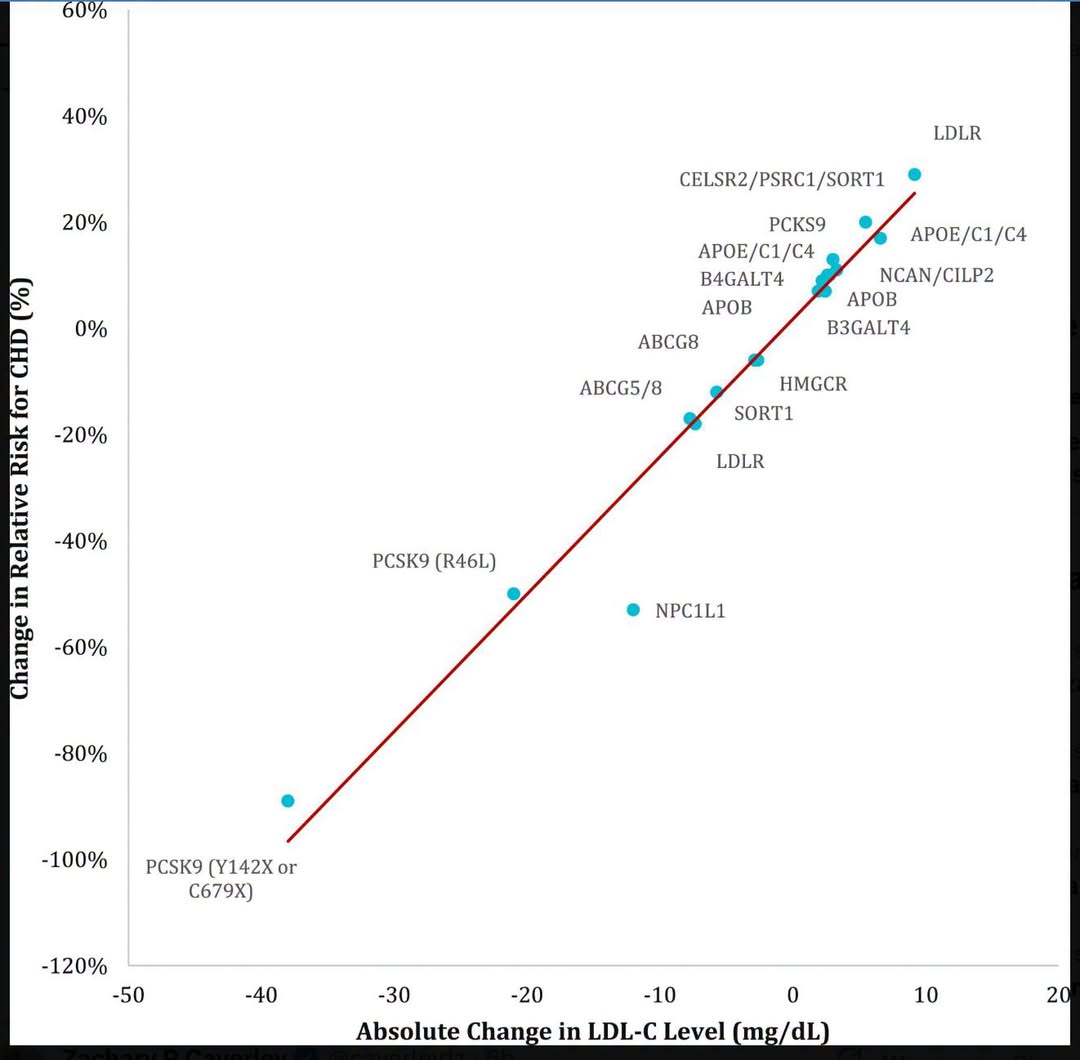
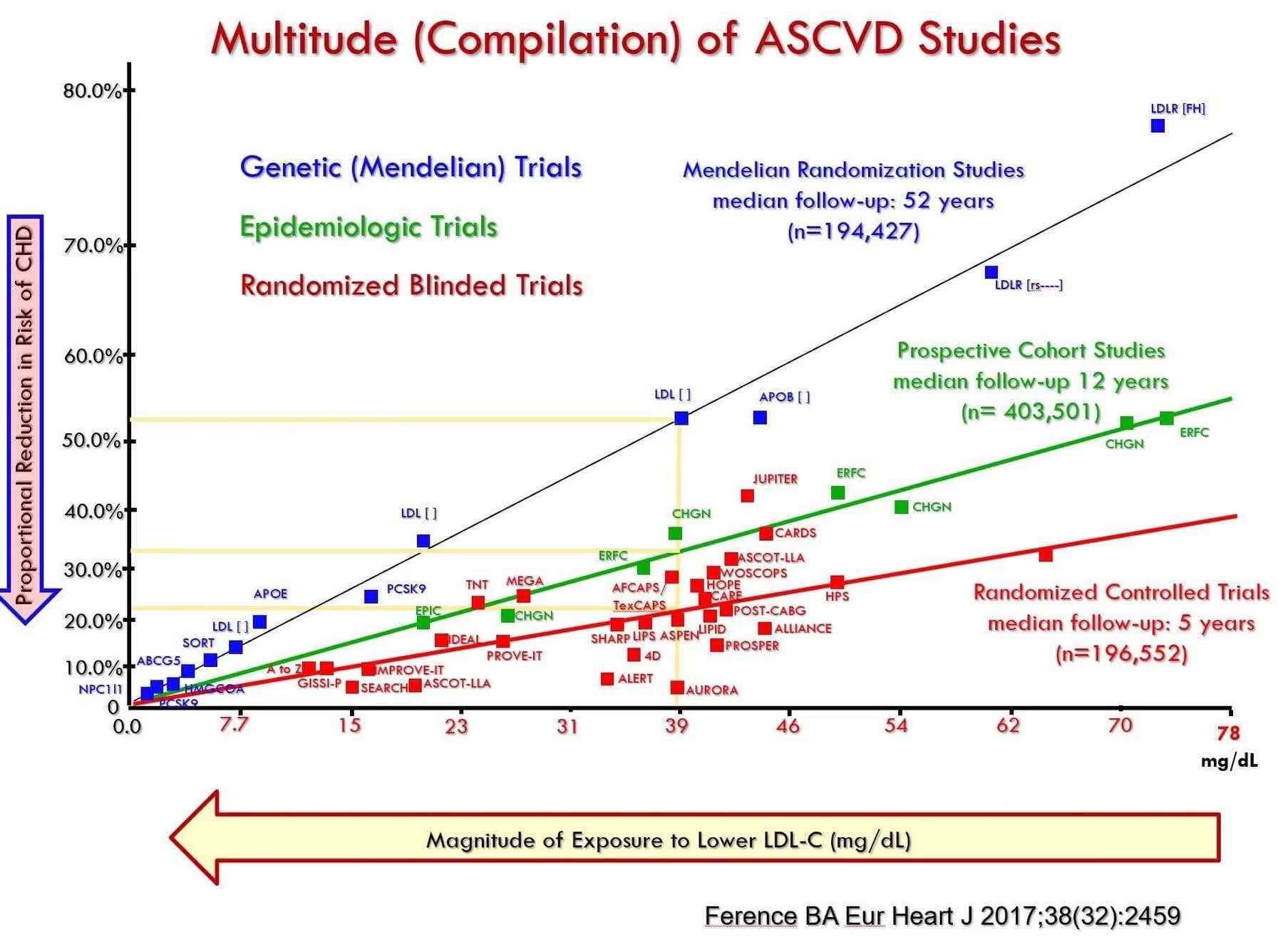
  10. Mendelian randomization: lifelong lower LDL tracks linearly with lower heart disease risk

    Oct 10, 2026 · Louis Nervegna ♥ 13 · 💬 8 LDL, ApoB & lipid panel

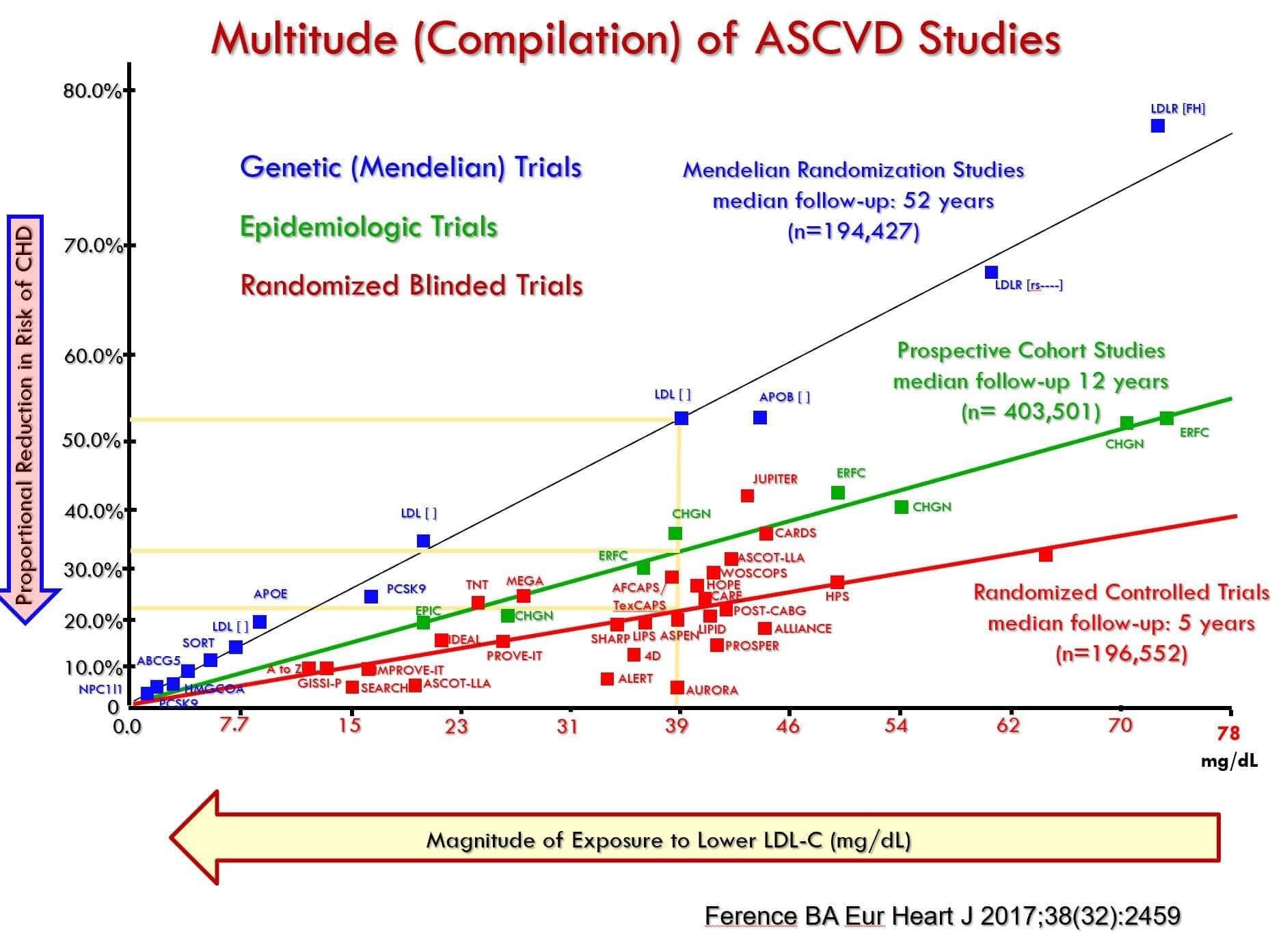
    The post explains a chart from a European Atherosclerosis Society consensus statement showing that genetic variants affecting LDL through different pathways (LDLR, PCSK9, APOB, HMGCR, NPC1L1, SORT1, ABCG5/8) change coronary risk in proportion to the LDL change. This matches the linear relationship seen in statin trials. The poster also shows how to convert relative risk reductions into lifetime absolute risk.

  11. Adventist Health Study: nuts and beans protected against dementia as much as eggs

    May 27, 2026 · Louis Nervegna ♥ 17 · 💬 6 Brain health & dementia

    Louis notes this is the fifth large cohort linking eggs to lower dementia risk, but the same analysis showed nuts and beans gave equally large protection. Swap eggs for red and processed meat, not for nuts or beans. The shared post says roughly 12 almonds or a third cup of lentils matched the egg effect, undermining a choline-only explanation.

  12. Most ultraprocessed food CVD risk in Harvard cohorts came from soda and processed meat

    Sep 25, 2024 · Louis Nervegna ♥ 13 · 💬 8 Mediterranean, DASH, MIND & plant-forward diets

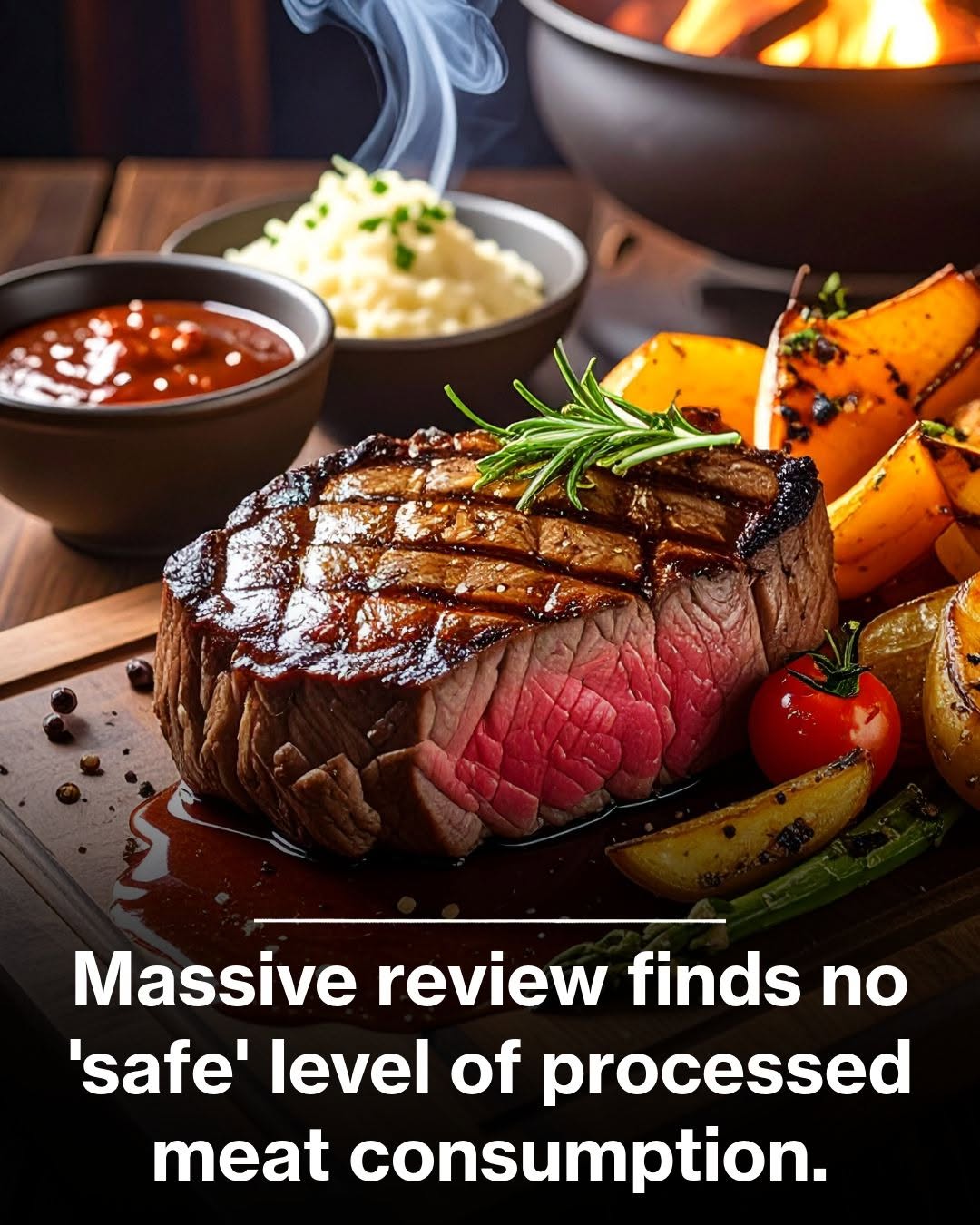
    Louis shares a NY Times report on Harvard Nurses' Health Study and Health Professionals data. Of 10 ultraprocessed food categories, only sugar-sweetened drinks and processed meat, poultry and fish were clearly linked to higher cardiovascular risk. Excluding these two, most of the risk associated with ultraprocessed food disappeared.

  13. 8-hour time-restricted eating improved glucose control in prediabetes, early or late

    Sep 11, 2024 · Louis Nervegna ♥ 13 · 💬 8 Fasting & meal timing

    Louis shares a randomized crossover trial presented at EASD showing that restricting eating to eight hours a day improved time in normal glucose range and reduced glucose fluctuations in adults at risk of type 2 diabetes. Timing of the window (early or late) made no extra difference, and benefits appeared within three days. The authors attribute it to the 16-hour fast, not timing or calorie change.

  14. The Hadza eat about 70% plants and have LDL around 62 mg/dL, not a carnivore diet

    Feb 24, 2024 · Louis Nervegna ♥ 13 · 💬 8 Low-carb, keto & carnivore

    Louis rebuts carnivore influencers' claims about the Hadza hunter-gatherers. Their diets are well studied: about 70% of calories from plants (tubers, berries, baobab) plus honey and lean game meat, making them low fat, moderate protein and high in natural sugar and starch. Their LDL is very low (62 mg/dL), heart disease risk is low, and their gut microbiome reflects a high-fiber plant diet.

  15. ACC/ESC consensus statement on abnormal cardiovascular findings in masters athletes

    Apr 06, 2026 · Louis Nervegna ♥ 10 · 💬 14 ↩ 1 Exercise & fitness

    Louis highlights a new joint EAPC/ESC and ACC clinical consensus statement offering guidance for long-term high-volume exercisers over 35-40, covering atrial fibrillation, arrhythmias, coronary atherosclerosis, aortic dilatation, myocardial fibrosis and exercise-induced arrhythmogenic cardiomyopathy. Notes that very high exercise volumes over years may have cardiovascular downsides.

  16. Curcumin has the strongest natural-product evidence for lowering TNF-alpha

    Jun 24, 2026 · Louis Nervegna ♥ 17 · 💬 8 Inflammation & CRP

    Louis states curcumin has the strongest evidence of any natural product for lowering the inflammatory cytokine TNF-alpha, which he says plays a causal role in many chronic diseases and aging. The shared FoundMyFitness note stresses that phytosomal forms are far more bioavailable and that TNF-alpha inhibitors are observationally linked to lower Alzheimer's risk.

  17. First epigenetic reprogramming trial in the eye; cardiovascular use is speculative

    Jun 11, 2026 · Louis Nervegna ♥ 26 · 💬 8 ↩ 1 Aging & longevity

    Louis comments on the start of a clinical trial using Yamanaka-factor epigenetic reprogramming to restore youthful cell states in the eye. The eye is the testing site because it is isolated from the body by the blood-ocular barrier, limiting cancer risk. He says if it works and is safe, cardiovascular regeneration could follow, which is speculation.

  18. Eliquis and supplements question; mother's suspected DVT proved a false positive

    Dec 30, 2024 · Louis Nervegna ♥ 10 · 💬 21 Aspirin, antiplatelets & blood thinners

    Louis asks whether group members take Eliquis and how supplements interact with it, since some supplements add to the anticoagulant effect and it is metabolized by CYP3A4. In an edit he reports his mother's calf DVT diagnosis was wrong: repeat ultrasound and D-dimer in a vascular clinic showed clear veins, noting ultrasound alone is only about 60% accurate for DVT.

  19. Nurses' Health Study: plant but not animal protein linked to lower frailty in older women

    Aug 31, 2024 · Louis Nervegna ♥ 10 · 💬 10 ↩ 3 Protein

    Louis cites a 2022 Nurses' Health Study analysis in older women: higher plant protein intake was associated with lower frailty risk, but animal and dairy protein were not. Substituting 5% of energy from plant protein for animal, dairy or non-dairy animal protein was linked to 38%, 32% and 42% lower frailty risk respectively.

  20. Harvard: 100+ cohorts show 25-40% lower CVD risk with light-to-moderate alcohol

    Dec 03, 2023 · Louis Nervegna ♥ 6 · 💬 22 ↩ 7 Alcohol, smoking & vaping

    Louis quotes Harvard's Nutrition Source: more than 100 prospective studies show light-to-moderate drinking is linked to a 25-40% lower risk of heart attack, ischemic stroke, peripheral vascular disease, sudden cardiac death and CVD death, and Harvard epidemiologists consider it almost certainly causal. Above 4 drinks a day, risks of hypertension, arrhythmia, stroke, heart attack and death rise. An NIH-funded alcohol trial was stopped. This view is contested and observational.

  21. Whole wheat contains spermidine, an autophagy-triggering molecule removed by refining

    Feb 08, 2026 · Gokhan Can ♥ 15 · 💬 14 Carbs, fiber, sugar & whole grains

    Admin argues whole wheat keeps the wheat germ, which contains spermidine, while refining strips it. Spermidine triggers autophagy and extends life in mice and other animals; he proposes a heuristic that reproductive plant parts (nuts, seeds, beans, whole wheat) may carry rejuvenating molecules. Speculative, with no human outcome data cited.

  22. Why high cholesterol 'protects' in observational data: reverse causation, not low-LDL harm

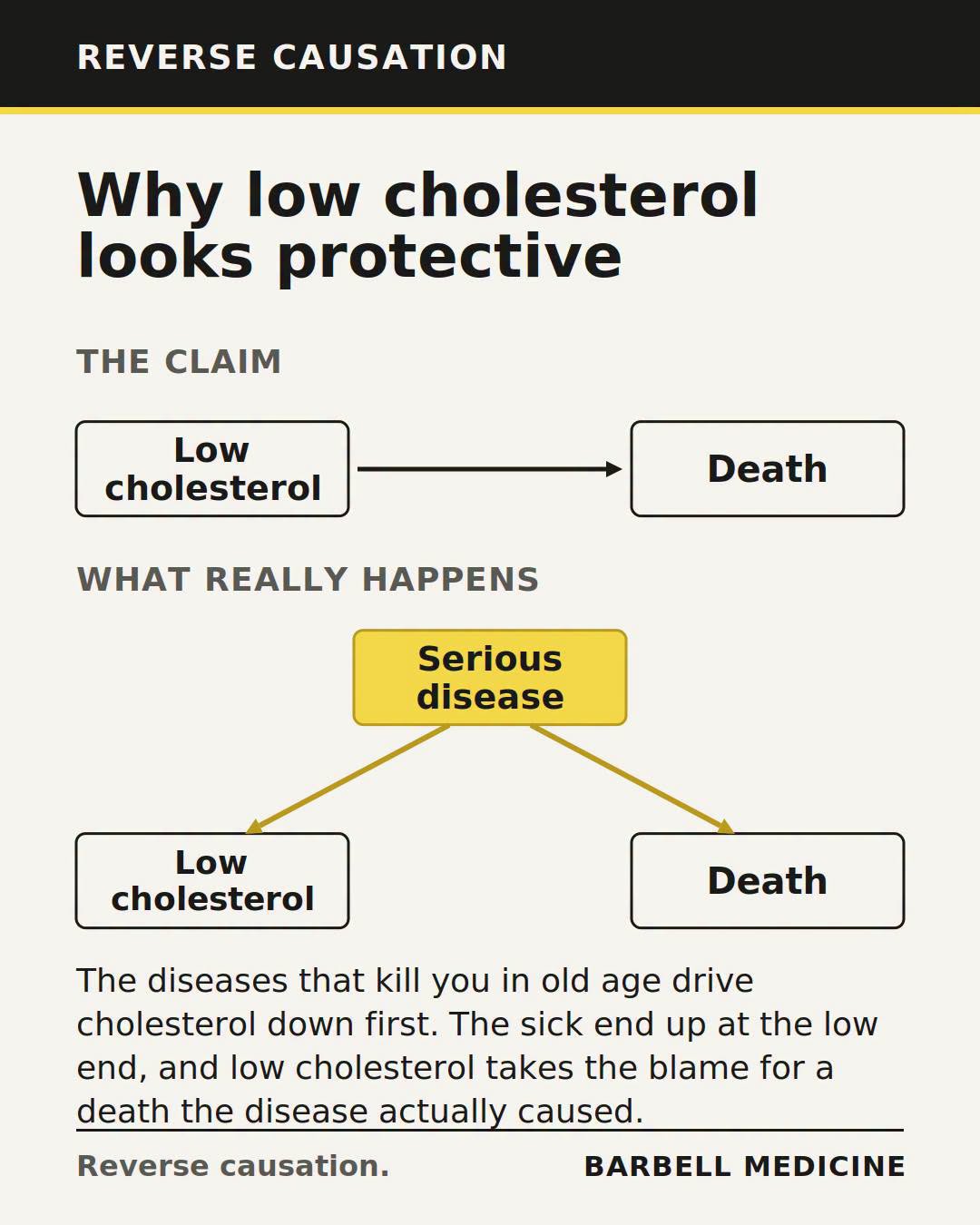
    Sep 06, 2026 · Louis Nervegna ♥ 14 · 💬 7 LDL, ApoB & lipid panel

    Louis quotes a Barbell Medicine explanation that low cholesterol in sick, older people reflects disease lowering cholesterol, not the reverse. Genetically low LDL lowers heart disease with normal cancer risk and lifespan, and lowering LDL on purpose cuts heart risk proportionally. The small diabetes risk is concentrated in people already near the metabolic edge.

  23. Why some people with very high Lp(a) have clean arteries: oxidized phospholipids

    Dec 04, 2025 · Louis Nervegna ♥ 19 · 💬 7 Lp(a)

    Louis shares an article proposing that Lp(a) harms arteries largely through oxidized phospholipids (OxPL), and that people with high Lp(a) but low OxPL content may avoid plaque. OxPL may predict risk better than Lp(a) itself, so measuring both could improve risk assessment; the piece is a blog explainer, not new data.

  24. NASEM alcohol review: moderate drinking tied to lower all-cause and CVD mortality

    Sep 30, 2025 · Louis Nervegna ♥ 7 · 💬 14 Alcohol, smoking & vaping

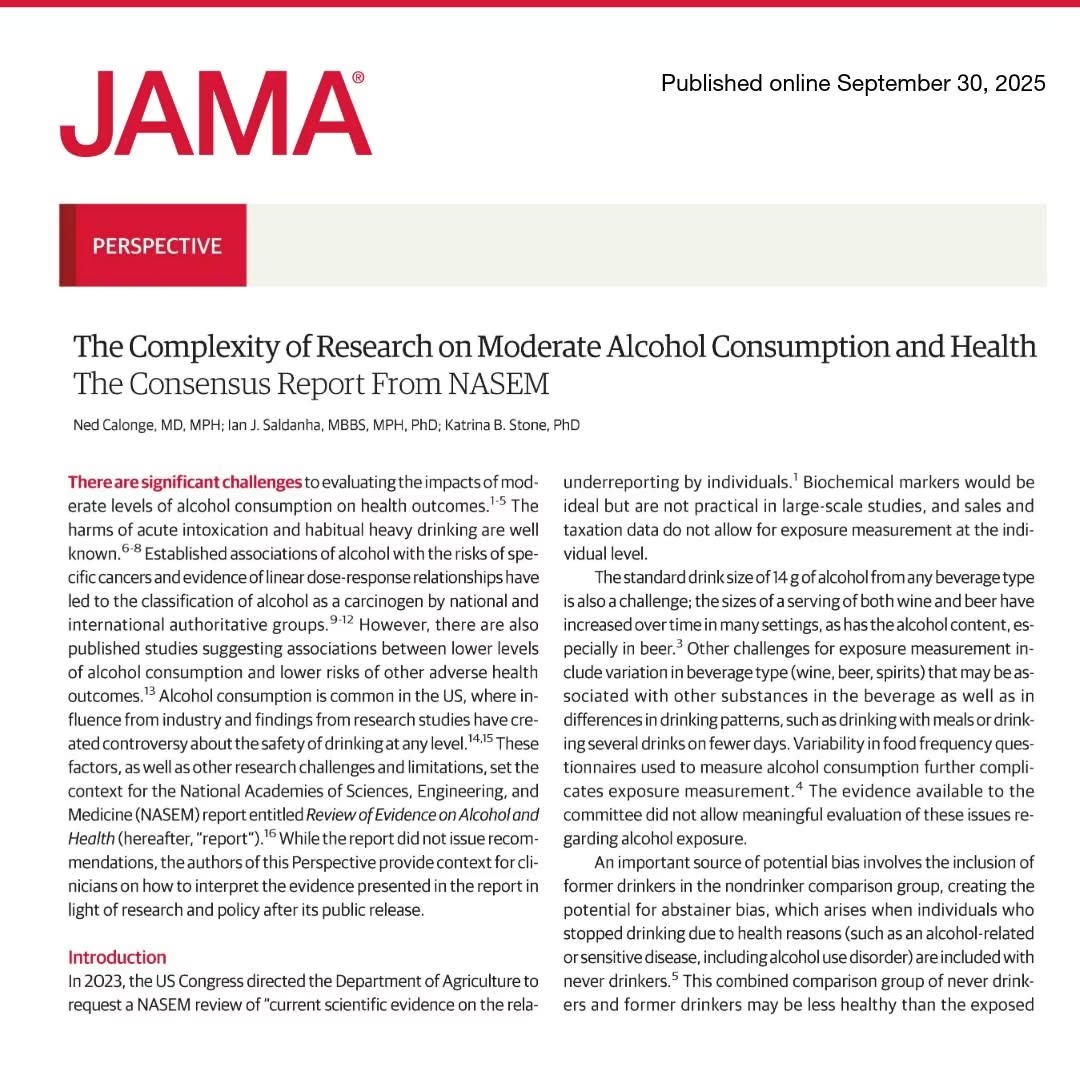
    The National Academies' evidence review on alcohol and health, published in JAMA on September 30, 2025, graded certainty using the USPSTF framework. It reached three moderate-certainty conclusions, including that moderate drinking is associated with lower all-cause and cardiovascular mortality, while stressing biases and the known harms of heavy drinking.

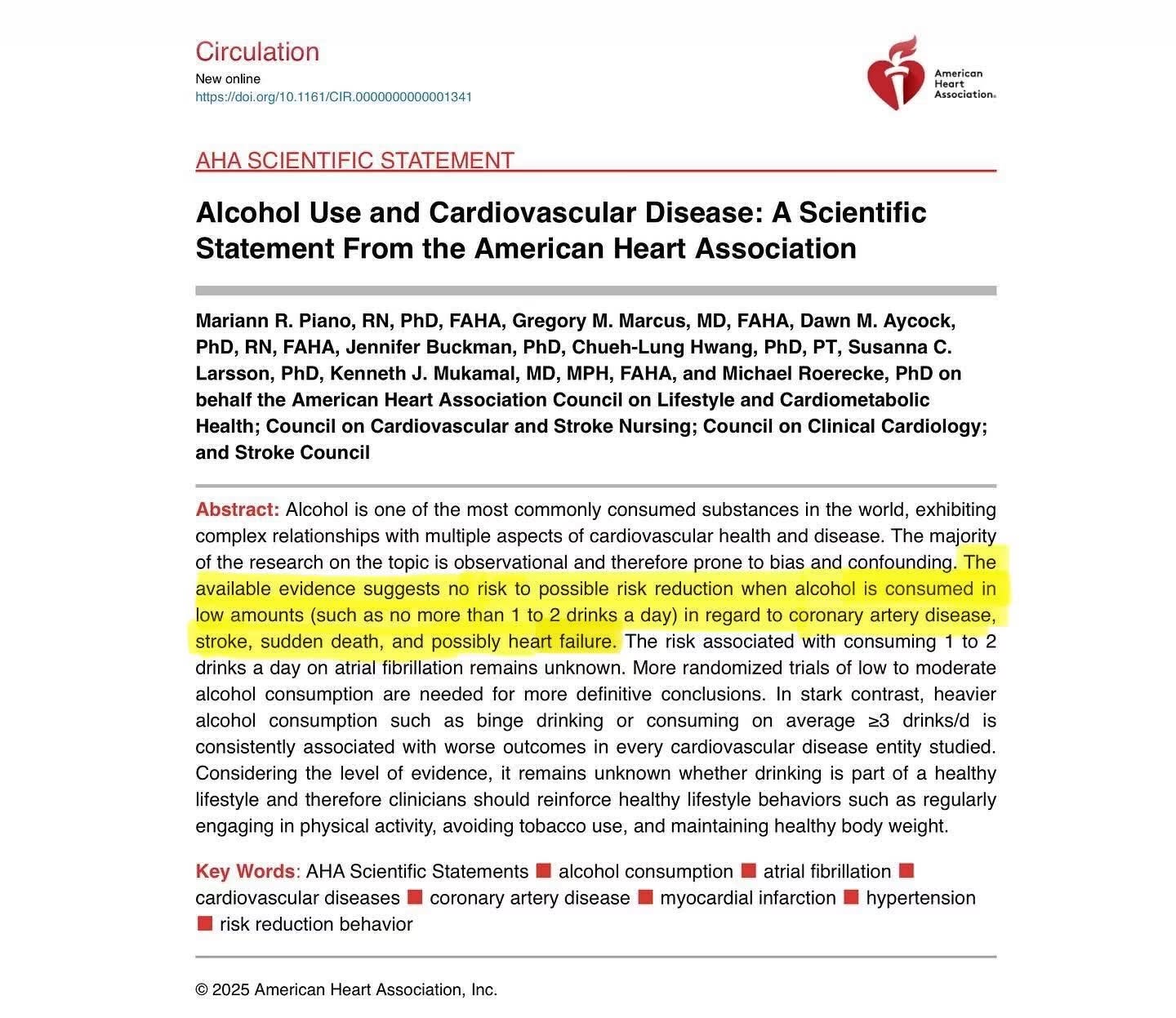
  25. AHA statement: low alcohol shows no risk to possible benefit, heavy drinking harms

    Jun 10, 2025 · Louis Nervegna ♥ 11 · 💬 9 ↩ 2 Alcohol, smoking & vaping

    Louis quotes the 2025 AHA scientific statement on alcohol and cardiovascular disease. Low intake (up to 1 to 2 drinks per day) is associated with no risk to possible risk reduction for CAD, stroke, sudden death and possibly heart failure, whereas binge or 3+ drinks per day is consistently linked with worse outcomes across every CVD entity.

  26. Atorvastatin improved kidney function dose-dependently across 6 RCTs with 30,621 patients

    Oct 13, 2024 · Louis Nervegna ♥ 11 · 💬 9 ↩ 1 Statins

    Louis cites a JAHA post hoc analysis of six double-blind outcome trials in patients at risk of or with cardiovascular disease. Atorvastatin improved kidney function over time in a dose-dependent way, and improvement in kidney function was associated with lower cardiovascular risk. The authors suggest kidney function could serve as a surrogate end point.

  27. Review: PCSK9 emerges as a regulator of cardiometabolic aging in heart and liver

    Jan 31, 2024 · Louis Nervegna ♥ 15 · 💬 9 PCSK9, ezetimibe & newer drugs

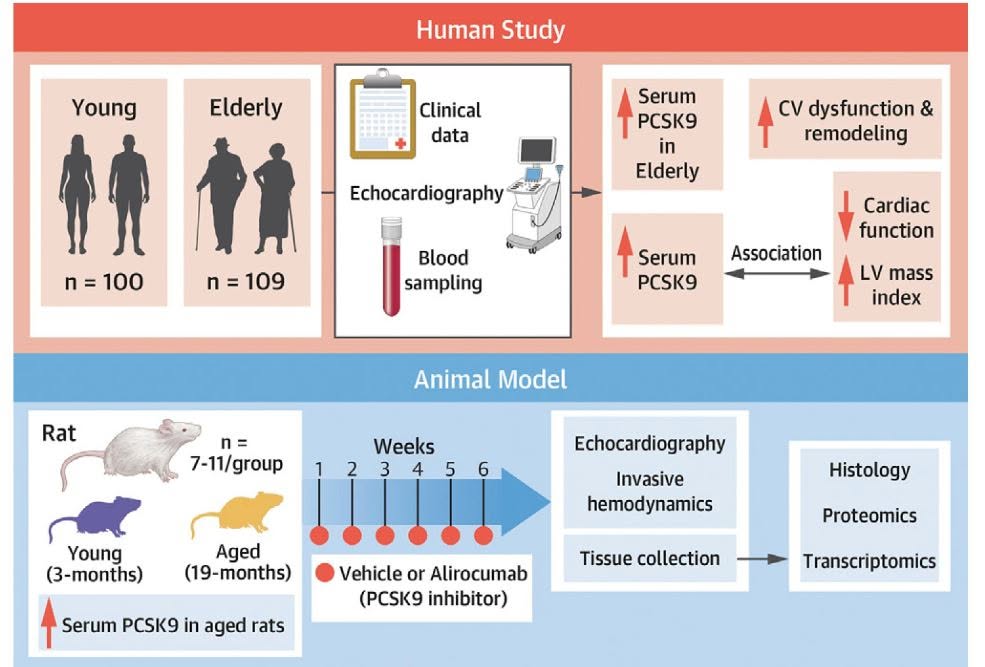
    Louis suggests PCSK9 inhibitor drugs may be treating aging itself in the cardiovascular system and liver, sharing a February 2024 GeroScience review. The review describes PCSK9 as an emerging regulator of cardiometabolic aging, with links between liver aging, lipid metabolism and cardiovascular health, drawing on work from the Pacher laboratory. The claim about drugs treating aging is speculative.

  28. Lipoprotein(a) explained: 80-90% genetic, stable for life, a risk factor beyond LDL

    Oct 05, 2024 · Gokhan Can ♥ 12 · 💬 8 Lp(a)

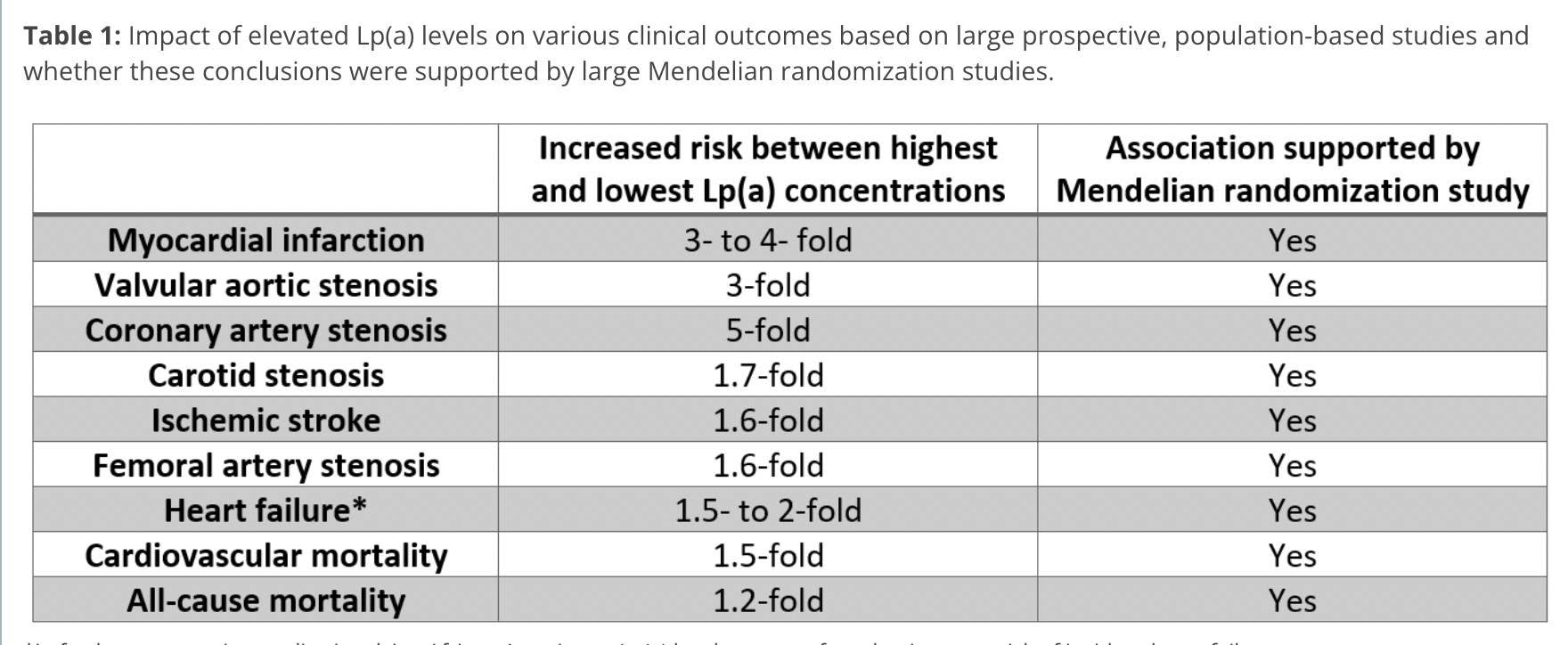
    Explainer on Lp(a): an LDL-like particle with apo(a) attached, 80-90% genetically determined, fully expressed by 1-2 years of age, and elevated in about 1 in 5 US individuals (1.4 billion globally). Levels above 50 mg/dL or 125 nmol/L raise ASCVD risk, possibly via impaired fibrinolysis and cholesterol deposition, and may occur with normal lipid panels.

  29. Spinach raises blood antioxidant activity more than 1250 mg vitamin C

    Jun 03, 2024 · Louis Nervegna ♥ 11 · 💬 12 ↩ 1 Supplements & vitamins

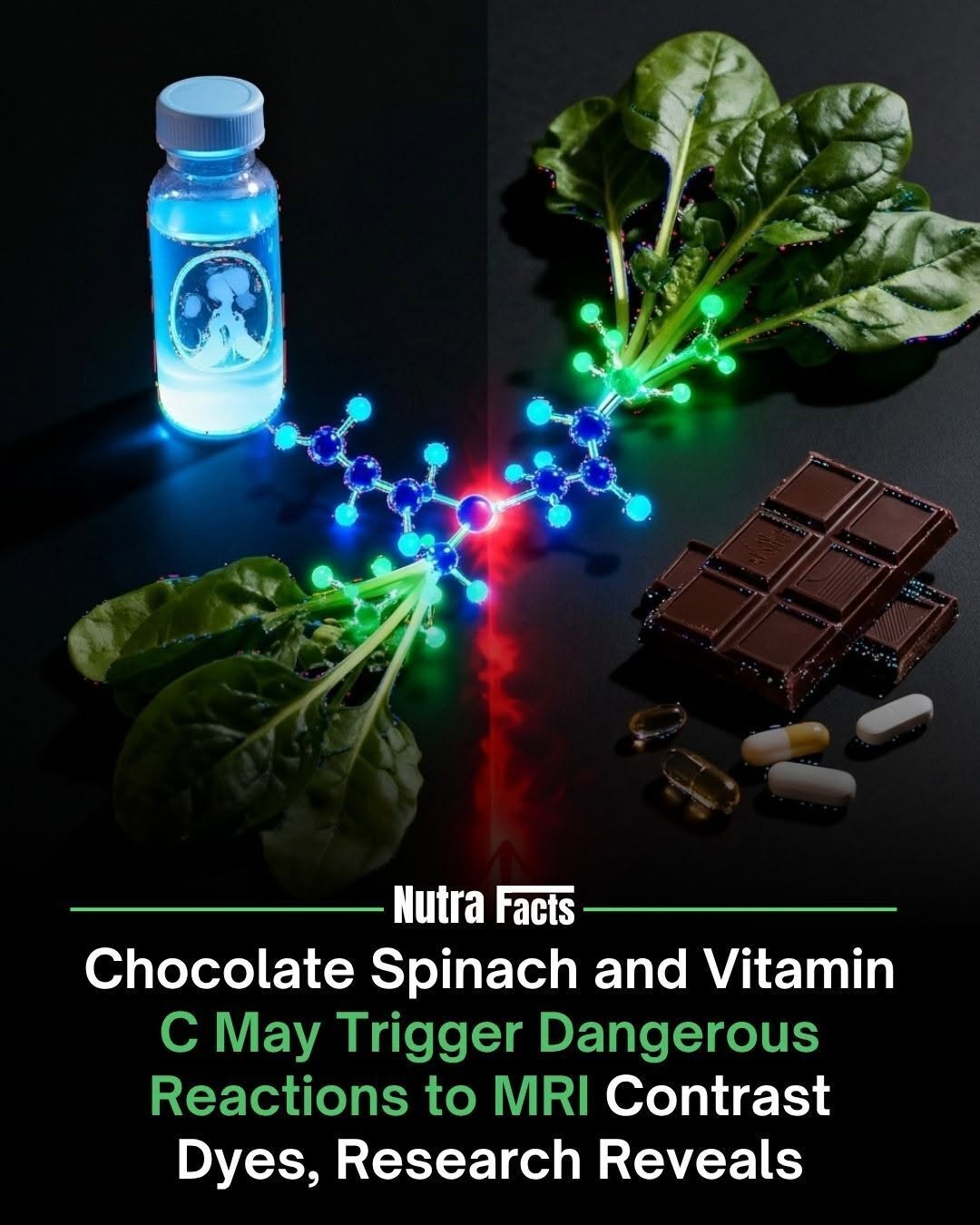
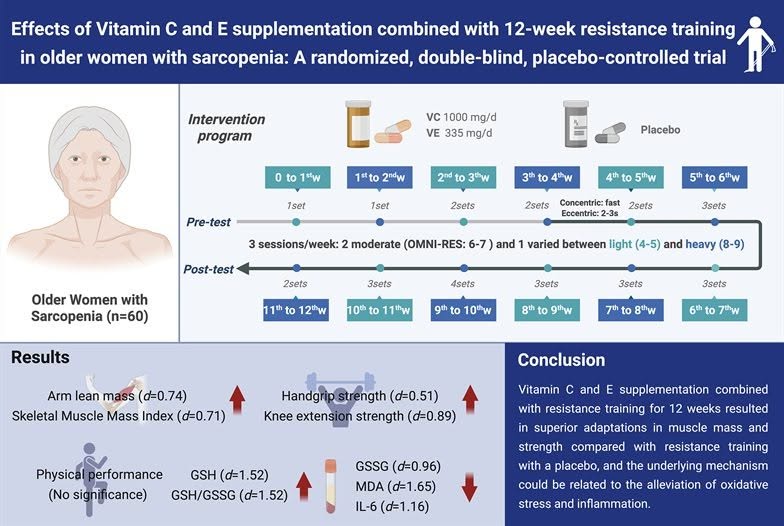
    Louis argues against the claim that vitamin C supplements are harmful because antioxidants can blunt exercise adaptations in short-term studies. He notes that a large serving of spinach raises blood antioxidant activity more than a 1250 mg vitamin C supplement, and that short-term biomarker studies often predict long-term outcomes poorly. He does not claim antioxidant supplements prevent disease; human RCTs have mostly failed, with exceptions like age-related macular degeneration.

  30. Flu vaccination linked to lower all-cause mortality, per admin's earlier evidence summary

    Dec 14, 2025 · Gokhan Can ♥ 10 · 💬 13 Infections & vaccines

    Reminder to get vaccinated, linking an earlier admin post. The shared summary lists the flu vaccine with 11-42% lower all-cause mortality in RCTs and prospective cohorts, 43% lower in consistent associations across 40+ studies, and 25-40% lower Alzheimer's risk, citing a cohort study and a systematic review and meta-analysis. Also notes Novavax (non-mRNA) COVID vaccine is no longer available to him.

  31. Blending whole fruit does not cause bigger blood-sugar spikes than eating it whole

    May 10, 2026 · Louis Nervegna ♥ 10 · 💬 13 Carbs, fiber, sugar & whole grains

    Louis rebuts the claim that blending fruit spikes blood sugar. Per the shared response, an RCT comparing whole apples and blackberries with a smoothie of the same fruits found a slightly smaller glucose rise with the smoothie, and blending mangoes also did not raise the spike. Fiber remains in the blend and still slows sugar absorption.

  32. NY Times: higher omega-6 linked to lower CVD, diabetes, cancer and mortality

    Nov 24, 2024 · Louis Nervegna ♥ 13 · 💬 10 Fats & oils (saturated fat, seed oils, omega-6, olive oil)

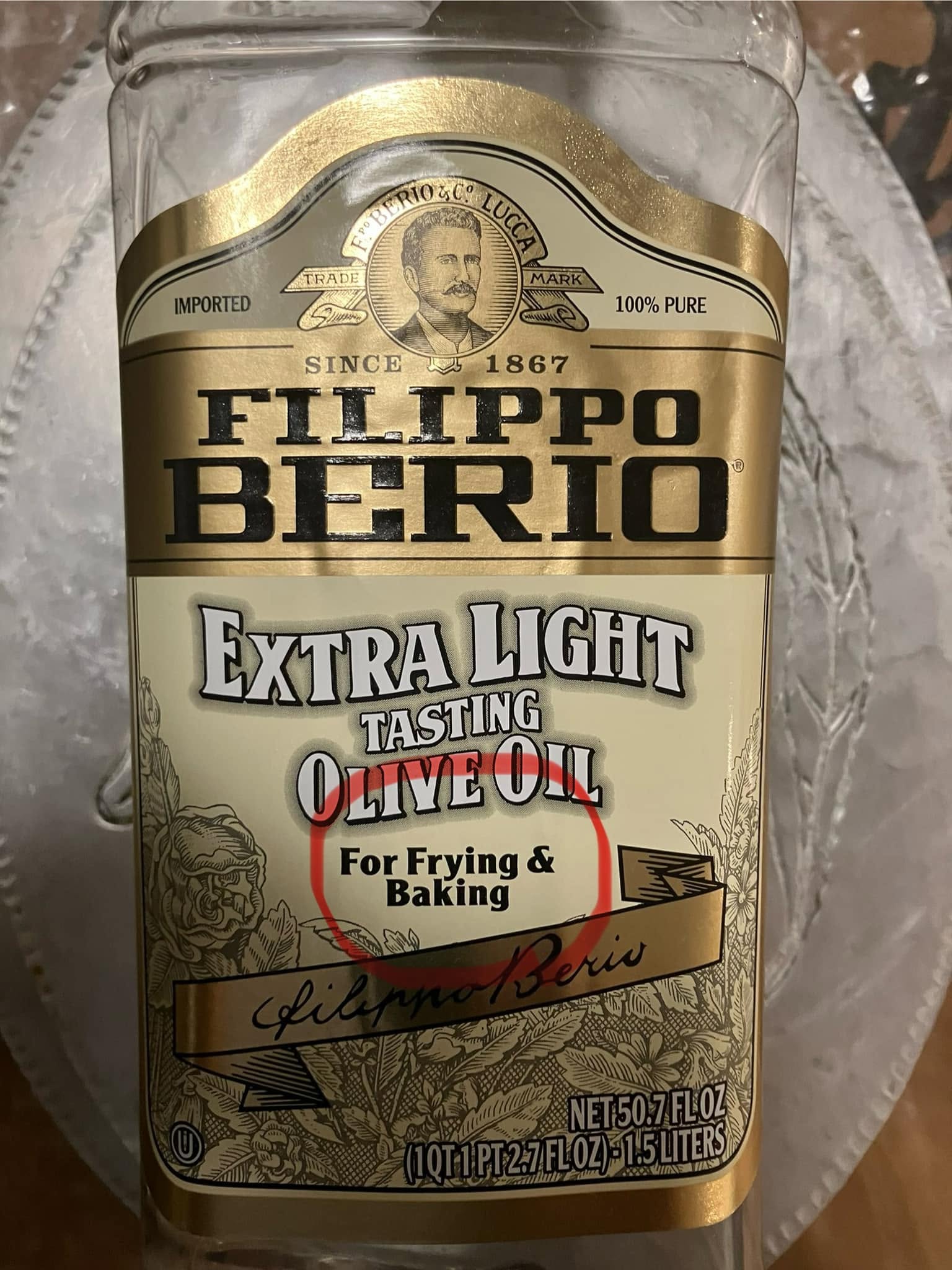
    Louis shares a NY Times article on the seed oil myth, noting it quotes researchers who studied the question in humans. The article states that people who eat more omega-6 or have higher blood levels have lower risk of cardiovascular disease, type 2 diabetes, cancer and earlier death, and links to the relevant meta-analyses.