HD-OPM Archive

Most popular posts 501–600

  1. Statin dose-response: the lowest dose gives the biggest percentage LDL drop per mg

    Oct 23, 2026 · Louis Nervegna ♥ 19 · 💬 7 Statins

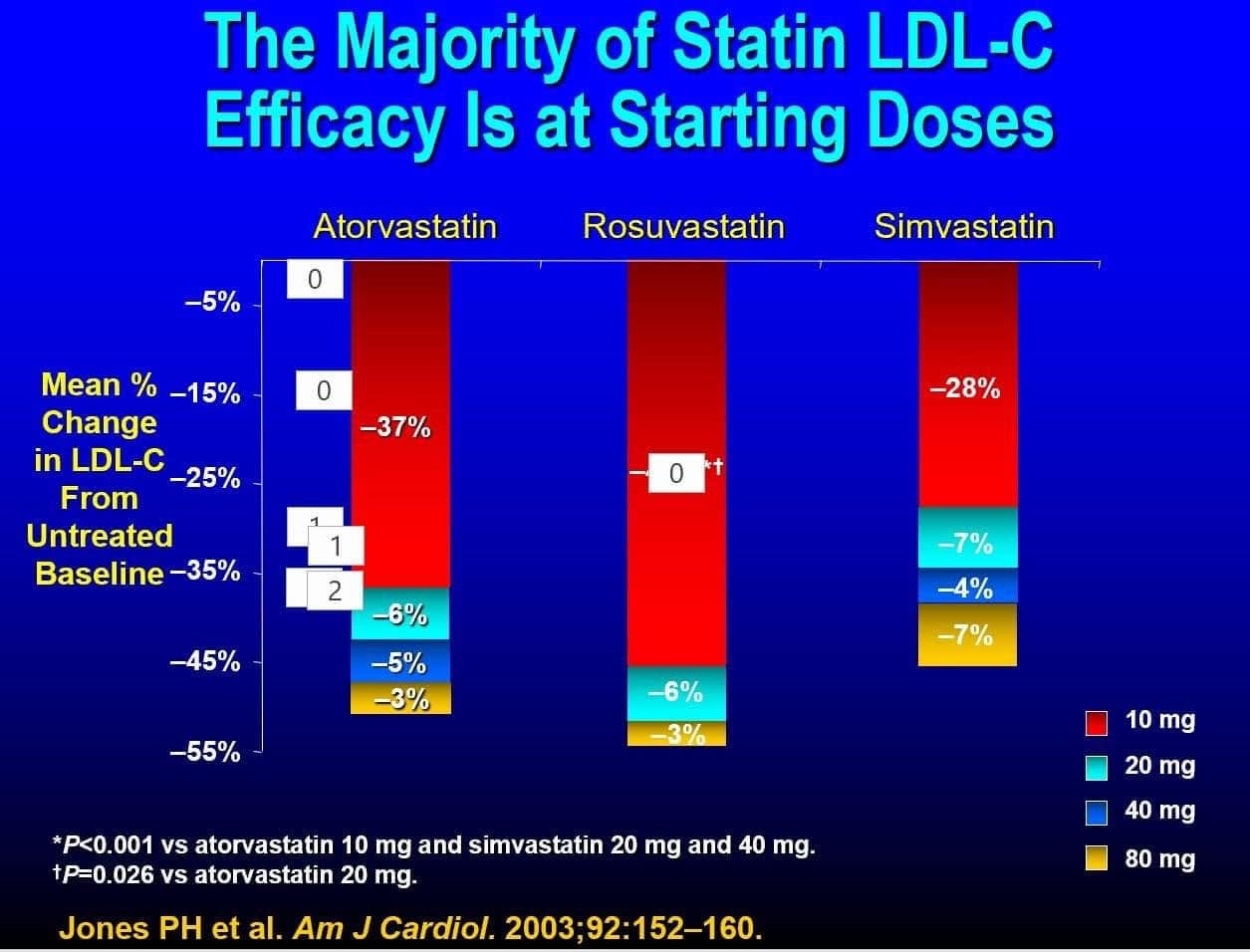
    Louis shares a Tom Dayspring slide showing diminishing returns with statin dose: 10 mg atorvastatin lowers LDL about 37%, with 20 mg adding 6%, 40 mg adding 5% and 80 mg adding 3%. His advice is to lower LDL with lifestyle first, then use the lowest effective statin dose, taking a low dose being better than quitting.

  2. Moli-sani: more than 3 tablespoons of olive oil daily linked to 28% lower cancer mortality

    Mar 20, 2025 · Louis Nervegna ♥ 15 · 💬 9 Fats & oils (saturated fat, seed oils, omega-6, olive oil)

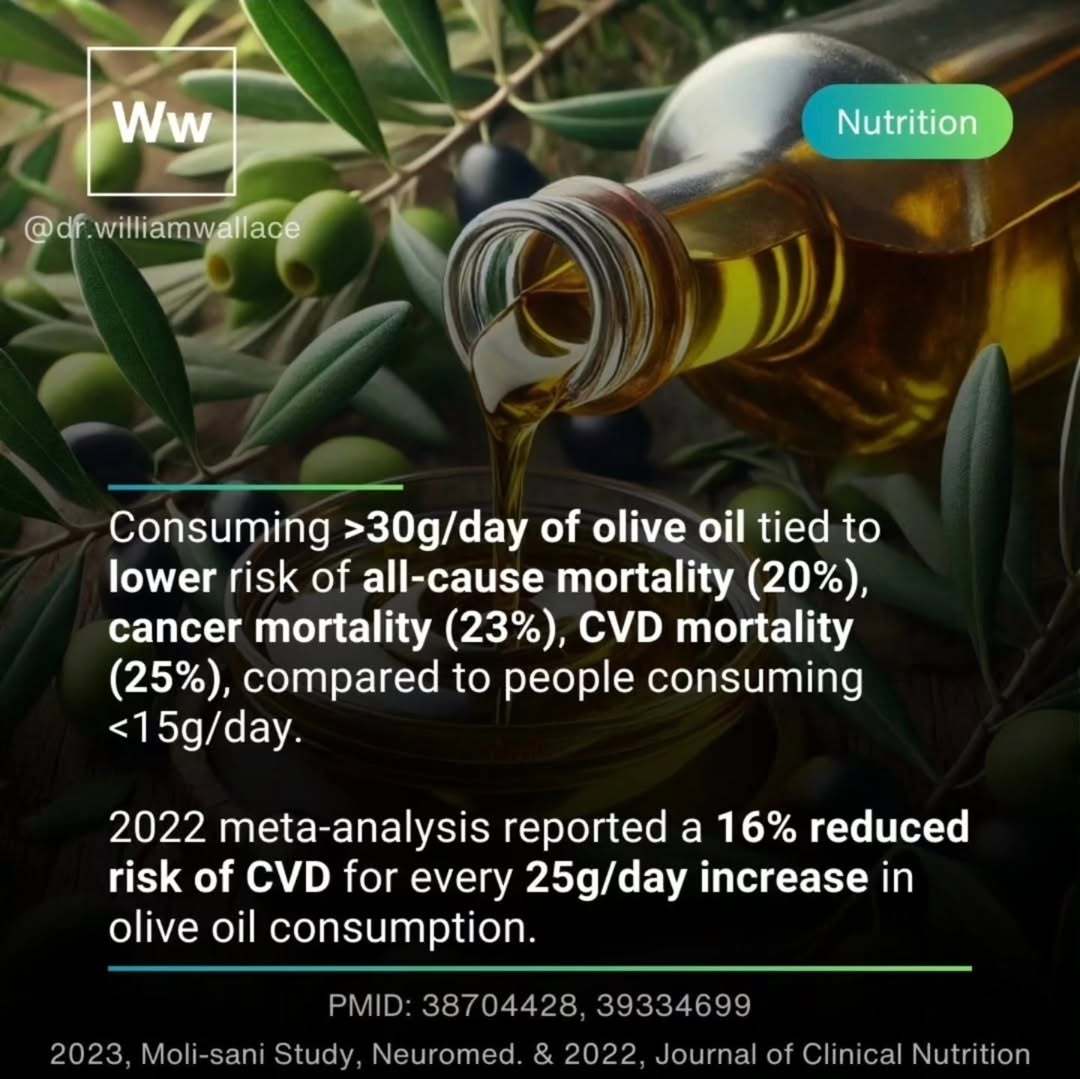
    Louis shares a summary of a 2024 Moli-sani Study analysis of 22,895 Italian adults followed for 12 years. Consuming over 3 tablespoons of olive oil daily was associated with 28% lower cancer mortality versus under 1.5 tablespoons, partly mediated by lower blood pressure and resting heart rate. The summary stresses the observational design and self-reported diet.
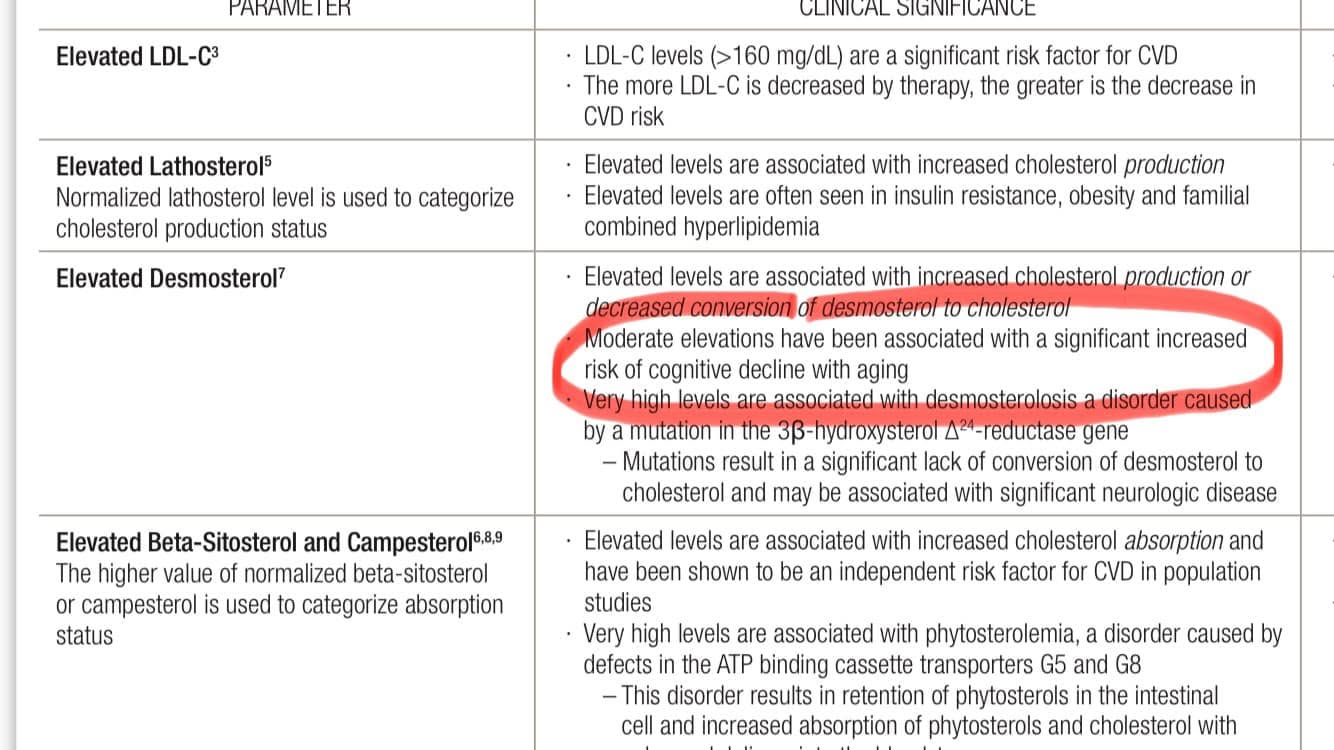
  3. Urolithin A, a pomegranate gut metabolite, improved HFpEF in mice and human heart tissue

    Aug 20, 2026 · Louis Nervegna ♥ 20 · 💬 9 Heart rhythm & heart failure

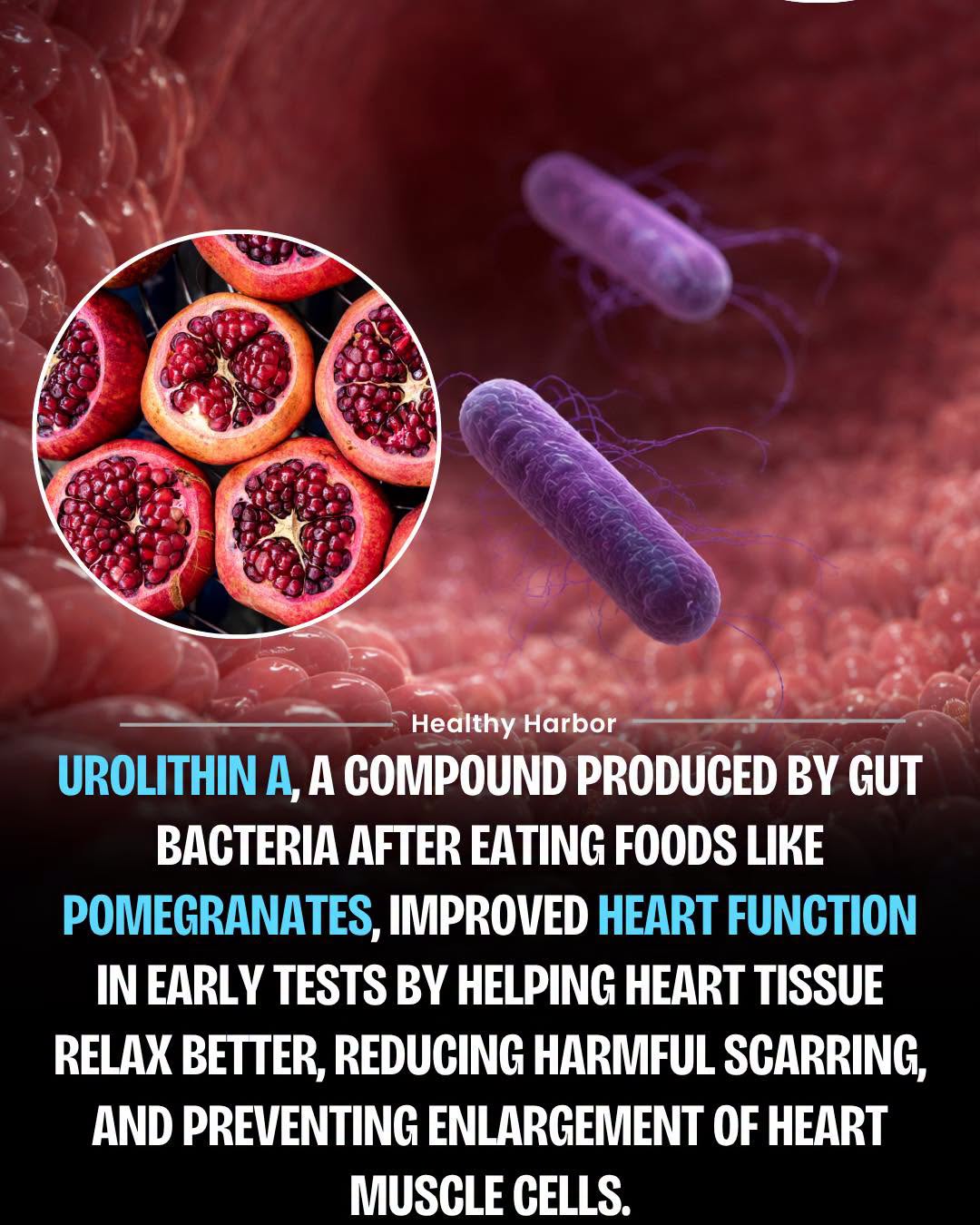
    A Science Advances study from King's College London found that urolithin A activates the heart-protective protein PKGIα at cysteine 42, improving heart relaxation, fibrosis and exercise activity in mice with HFpEF and relaxing engineered human heart tissue. About half of people produce urolithin A from pomegranate; human trials are lacking, so benefit for patients is unproven.

  4. NEJM 2020 dairy review: a mixed bag, best for fermented forms, weak for fractures

    Jan 23, 2025 · Louis Nervegna ♥ 6 · 💬 21 Meat, eggs & dairy

    Louis highlights the widely cited 2020 NEJM review on dairy and disease risk. It concludes that high dairy intake is not supported for preventing fractures, is not clearly linked to weight, diabetes or CVD, and may raise prostate and endometrial cancer risk while lowering colorectal cancer risk. Effects depend on the comparison food: dairy fares better than processed red meat or sugary drinks but worse than nuts.

  5. Controlled infection study: mild SARS-CoV-2 impaired cognition for a year in 18 adults

    Oct 04, 2024 · Louis Nervegna ♥ 11 · 💬 16 Infections & vaccines

    Louis shares a post about a Lancet eClinicalMedicine study in which 36 healthy unvaccinated young adults were deliberately inoculated with SARS-CoV-2 and 18 became infected, almost all with mild symptoms. Their cognitive function was measurably impaired during acute illness and at least one year later, though they reported no symptoms. The post is about cognition, not the heart.

  6. JACC review: rapid plaque progression precedes rupture and LDL below 70 mg/dL halts it

    Jan 02, 2026 · Gokhan Can ♥ 19 · 💬 5 Plaque, CAC & CT angiography

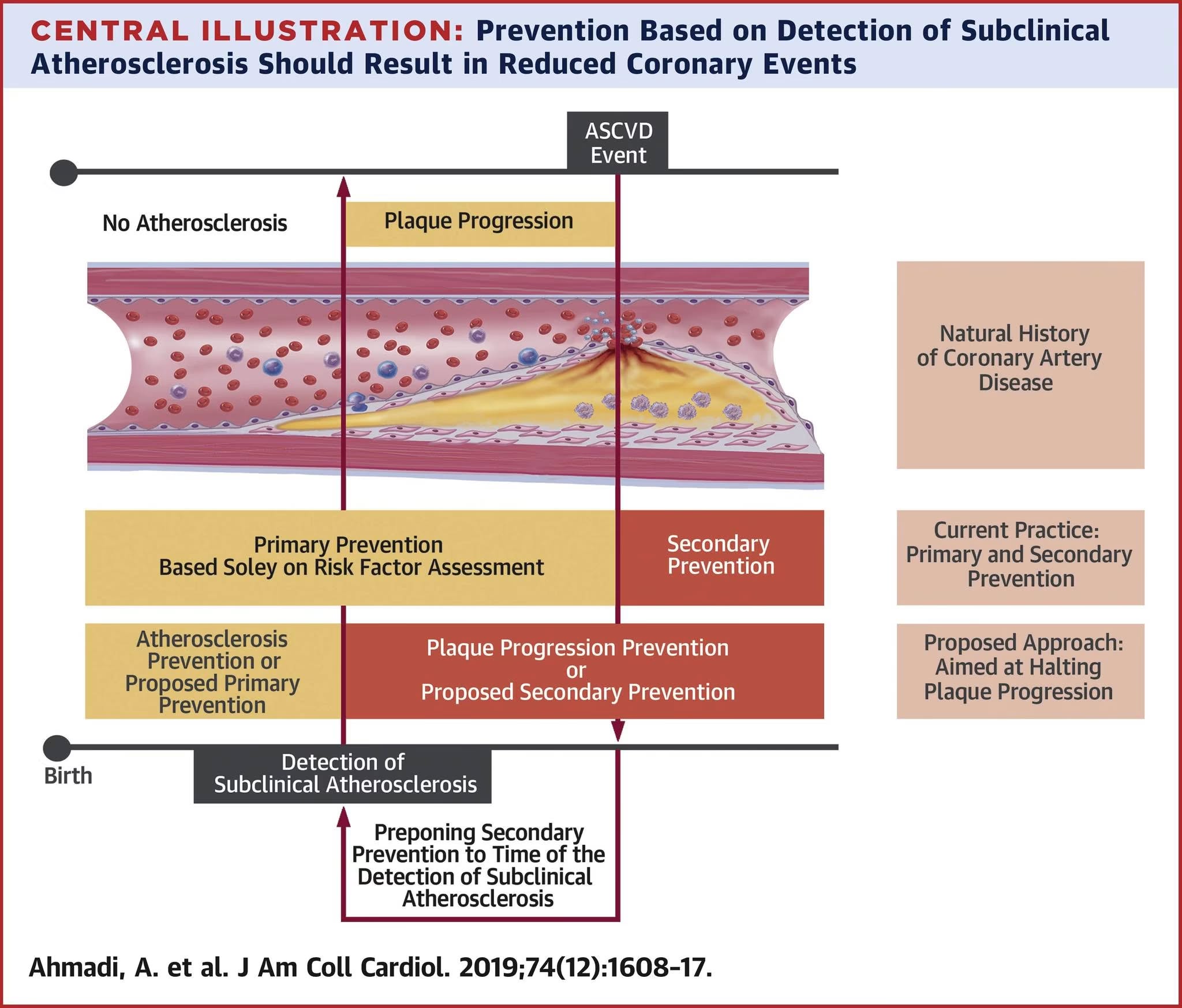
    Summarises a 2019 JACC review arguing plaque progression is a necessary, modifiable step between subclinical atherosclerosis and MI, and that preventive strategy should shift toward imaging and aggressively treating subclinical disease. It reports data from PROSPECT, PARADIGM, GLAGOV and PESA showing progression stops at LDL <70 mg/dL and regression needs lower.

  7. High vitamin B12 in a multivitamin did not raise disease risk in a 14-year Harvard trial

    Oct 02, 2026 · Louis Nervegna ♥ 14 · 💬 9 Supplements & vitamins

    The poster argues it is unlikely high B12 intake causes cancer or clonal disease. The Physicians' Health Study multivitamin trial, which contained 10 times the RDA of B12, found no increase in major disease over 14 years and an 8% lower overall cancer risk. Nurses' and Physicians' cohorts also found no B12-disease link, except combined B12 and B6 with hip fracture, which vanished for B12 alone.

  8. Frailty in older adults is not a protein-deficiency disease, per Luigi Fontana

    Dec 19, 2025 · Louis Nervegna ♥ 14 · 💬 9 Protein

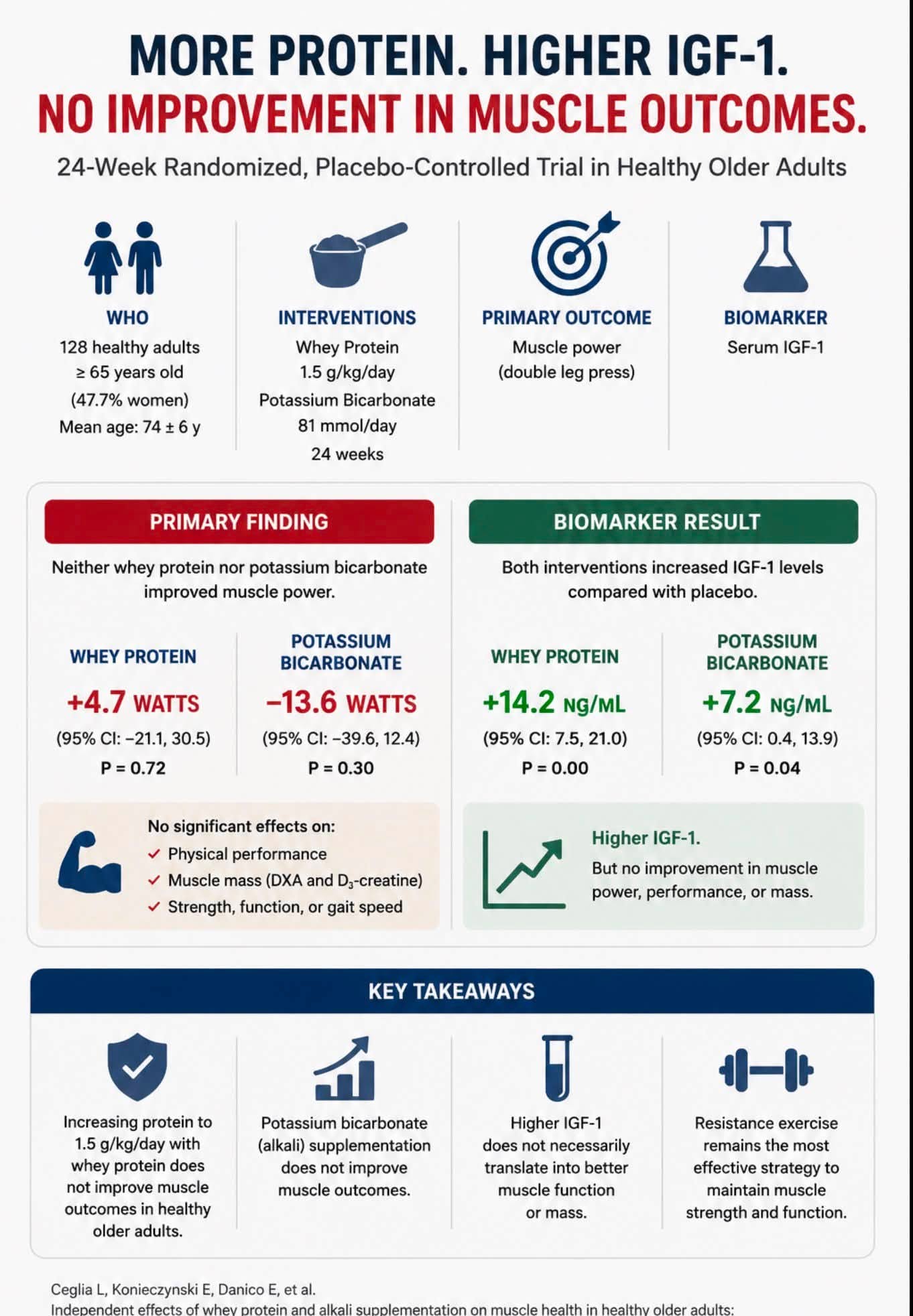
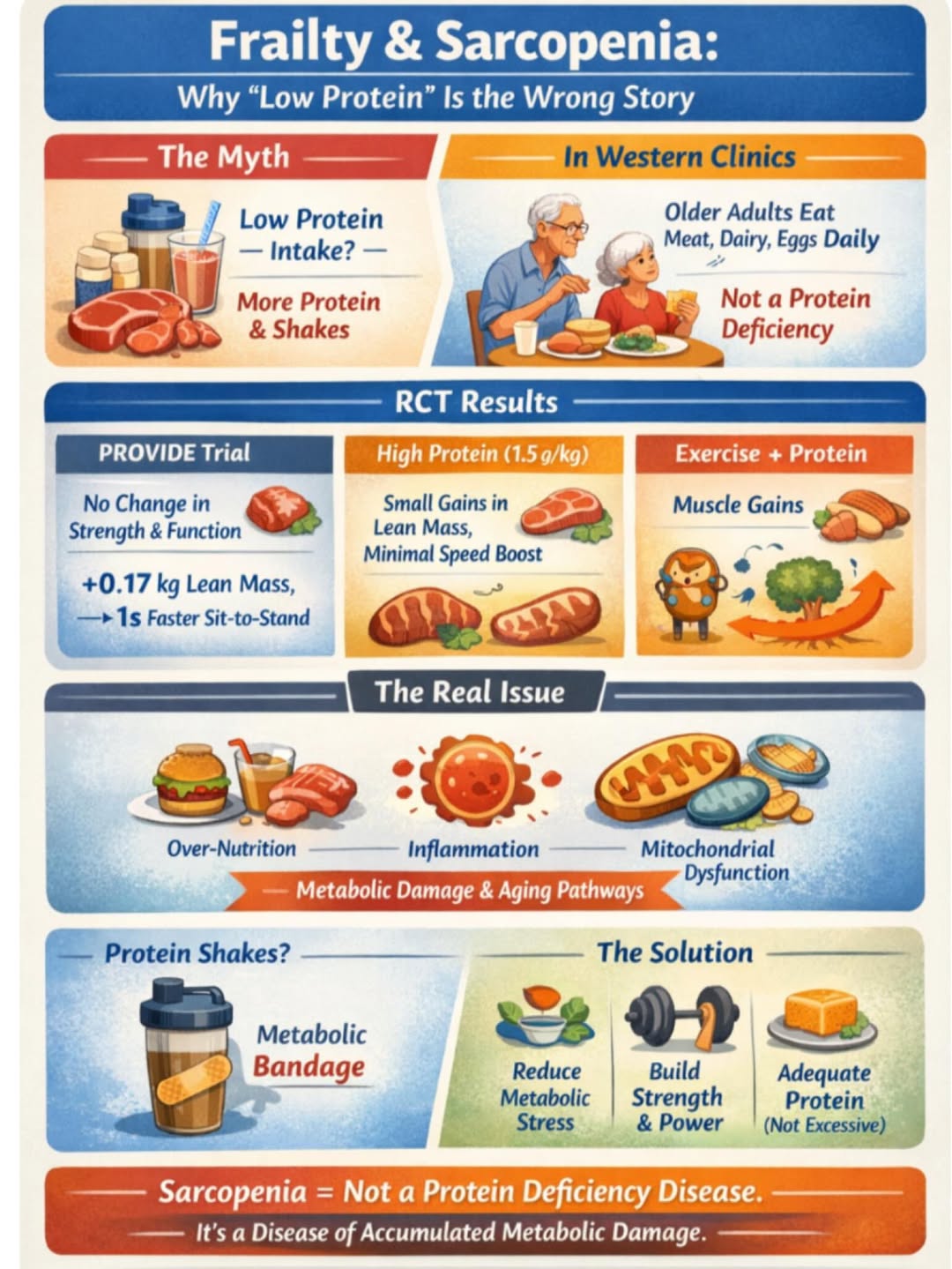
    Louis shares Luigi Fontana's argument that frailty and sarcopenia in Western older adults reflect decades of overnutrition and inactivity, not low protein. The post cites randomized trials in which protein supplements gave small or no functional gains, while resistance exercise produced the functional benefit.

  9. Replace saturated fat with unsaturated fats; yogurt and cheese may be exceptions

    Dec 10, 2025 · Louis Nervegna ♥ 19 · 💬 9 Fats & oils (saturated fat, seed oils, omega-6, olive oil)

    Louis links a New York Times piece on whether saturated fat is actually good for you, after Robert F. Kennedy Jr. signaled a shift in dietary advice. His short answer is to replace saturated fat with unsaturated fats from olive oil, nuts, seeds and avocados, noting fermented dairy may blunt saturated fat's effects but this is still debated.

  10. Conventional produce beats no produce: natural plant carcinogens dwarf pesticide residues

    May 09, 2026 · Louis Nervegna ♥ 17 · 💬 10 Nuts, fish, coffee, tea, cocoa & other foods

    Louis argues that, while organic is fine if affordable, eating conventionally grown fruit and vegetables is much better than skipping them. He cites Ames's PNAS papers showing 99.99% by weight of dietary pesticides are plants' own natural defense chemicals, and that natural carcinogens in produce far exceed synthetic residues.

  11. Alpha-ketoglutarate (AKG): longevity data in worms and mice, plus anti-thrombotic effects

    Mar 02, 2024 · Gokhan Can ♥ 13 · 💬 13 Supplements & vitamins

    Summarizes the case for the supplement AKG, which extended lifespan in worms by about 50% and healthspan in aged mice, apparently by mildly suppressing mitochondrial function and mimicking calorie restriction. The linked EBioMedicine paper suggests AKG inhibits thrombosis and inflammation. The human evidence for cardiovascular benefit is limited and the author notes he personally uses it.

  12. Ideas to improve Mediterranean diet adherence: almond fruit bars, no-salt sprouted bread

    Feb 23, 2025 · Gokhan Can ♥ 12 · 💬 14 Mediterranean, DASH, MIND & plant-forward diets

    Gokhan shares two practical swaps for sticking to a Mediterranean diet: low-saturated-fat almond fruit bars and no-salt sprouted bread, which he says lowers his blood pressure. He links earlier group posts on plaque reversal, salt restriction and anti-inflammatory foods, and reshares a do's-and-don'ts guide to the diet.

  13. Baby aspirin during and after Covid may be worth discussing if you have heart disease

    Jan 06, 2024 · Louis Nervegna ♥ 14 · 💬 12 Infections & vaccines

    Louis suggests people with heart disease who get Covid ask their doctor about baby aspirin during infection and for a few weeks after. Infections temporarily raise heart attack and stroke risk through inflammation, and Covid raises clot risk more than other infections. A linked 2022 meta-analysis found aspirin use associated with lower Covid mortality without more bleeding.

  14. Selenium plus CoQ10 trial: over 50% lower CV death, benefit persisted 10-12 years

    Dec 18, 2023 · Louis Nervegna ♥ 14 · 💬 12 Supplements & vitamins

    Louis reshares a post quoting Life Extension on a trial where older people took selenium plus coenzyme Q10 for four years and had more than half the cardiovascular mortality. Follow-up showed 49% lower CV death at 10 years and 41% at 12 years, including in subgroups with heart disease, diabetes and hypertension. He suggests adding about 200 ug selenium to CoQ10. The source is a supplement-company magazine and the trial is not named.

  15. Limiting diabetes risk on LDL-lowering drugs: statin risk is modest, alternatives exist

    Nov 26, 2025 · Gokhan Can ♥ 7 · 💬 17 Statins

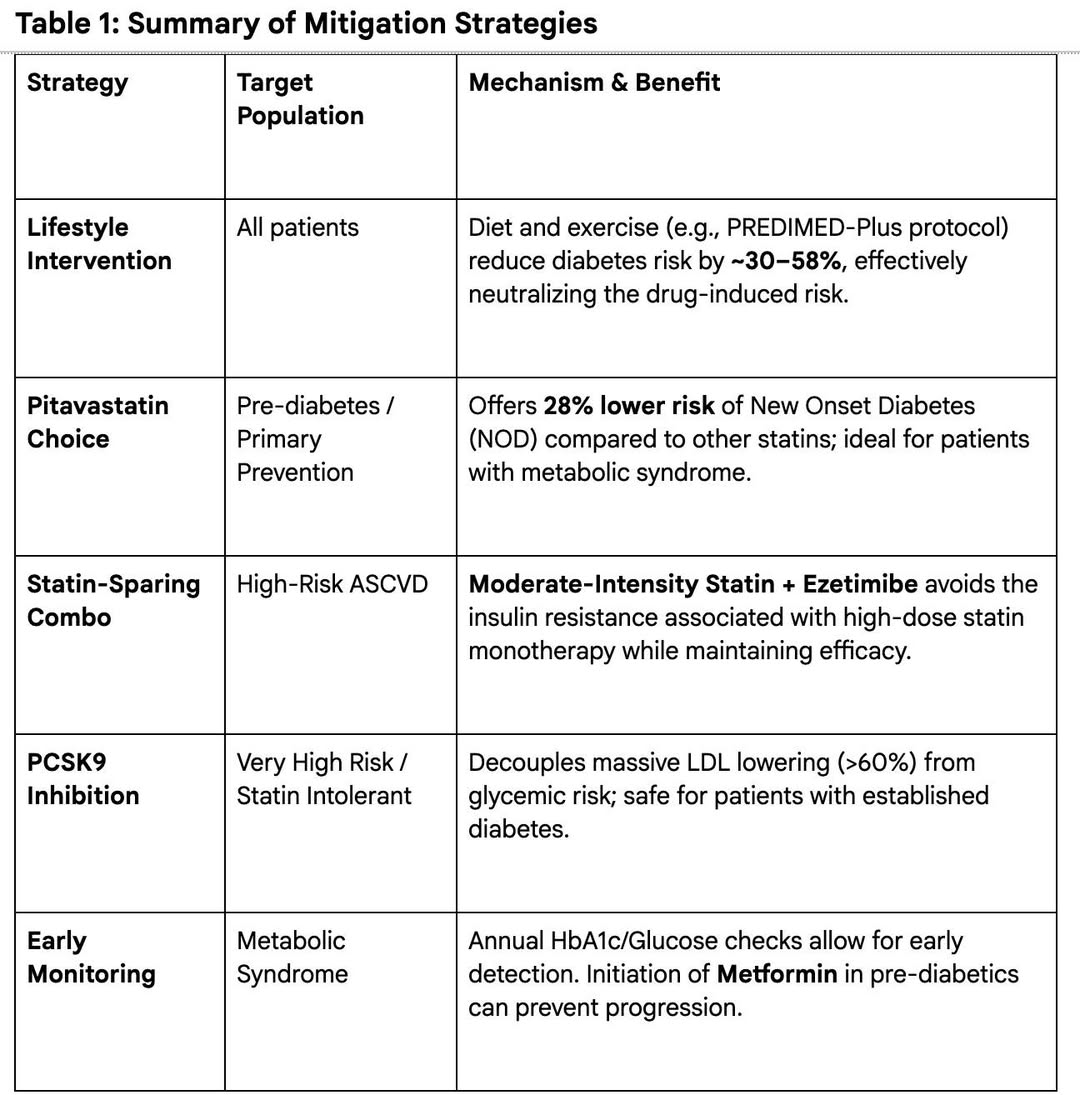
    Review explaining that statins modestly increase new-onset diabetes in a dose-dependent way, mostly in people with existing metabolic risk factors, and that cardiovascular benefit clearly outweighs this. It suggests statins mainly bring forward diagnosis in predisposed people, outlines mechanisms (beta-cell dysfunction, insulin resistance) and proposes ezetimibe, PCSK9 inhibitors and pitavastatin as options that limit glycemic harm.

  16. Why diet-health epidemiology may mislead: reverse causation and socioeconomic confounding

    Jan 15, 2025 · Gokhan Can ♥ 15 · 💬 17 How to read research

    Gokhan argues that dramatic personal improvements on low-carb diets undermine trust in guidelines, and that observational nutrition studies can be distorted by reverse causation (people with insulin resistance may prefer fat and protein) and socioeconomic confounding. He says only intervention trials resolve this, and shares a Viva Longevity video on influencers versus epidemiologists reposted by Louis Nervegna. The argument is one-sided.

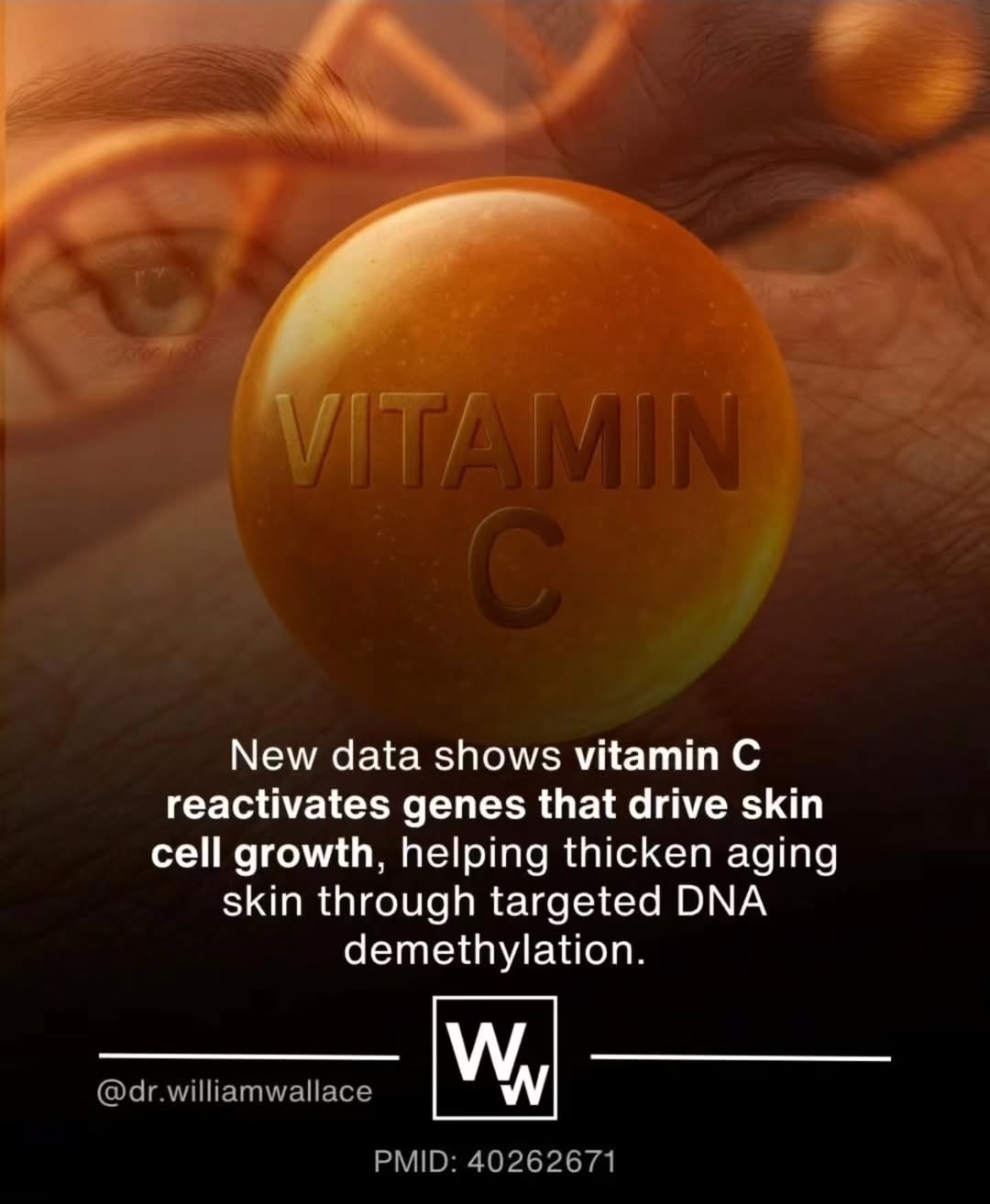
  17. EVITA trial: vitamin C lowered deaths in clonal blood conditions (exploratory result)

    Sep 29, 2026 · Louis Nervegna ♥ 15 · 💬 8 Supplements & vitamins

    In the small phase 2 EVITA randomized trial of oral vitamin C in clonal cytopenia and lower-risk myeloid cancers, the vitamin C group had 65% lower risk of death (11 vs 24 deaths) and fewer serious adverse events. Survival was exploratory and the primary endpoint of clonal growth showed no difference. The poster speculates relevance to CHIP and cardiovascular disease but calls it a big unproven leap.

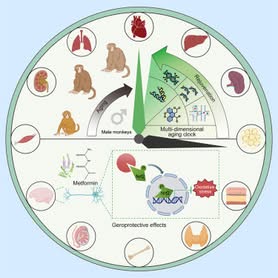
  18. Metformin slowed brain aging in monkeys, with neurons resembling those 6 years younger

    Sep 12, 2024 · Louis Nervegna ♥ 15 · 💬 11 ↩ 6 Aging & longevity

    Louis flags a Cell study, covered by Nature, in which male monkeys on daily metformin for over three years showed slower age-related brain decline, enhanced cognition and preserved liver function. Their neuronal activity resembled monkeys about six years younger (around 18 human years). The study was small, and human benefit is unproven.

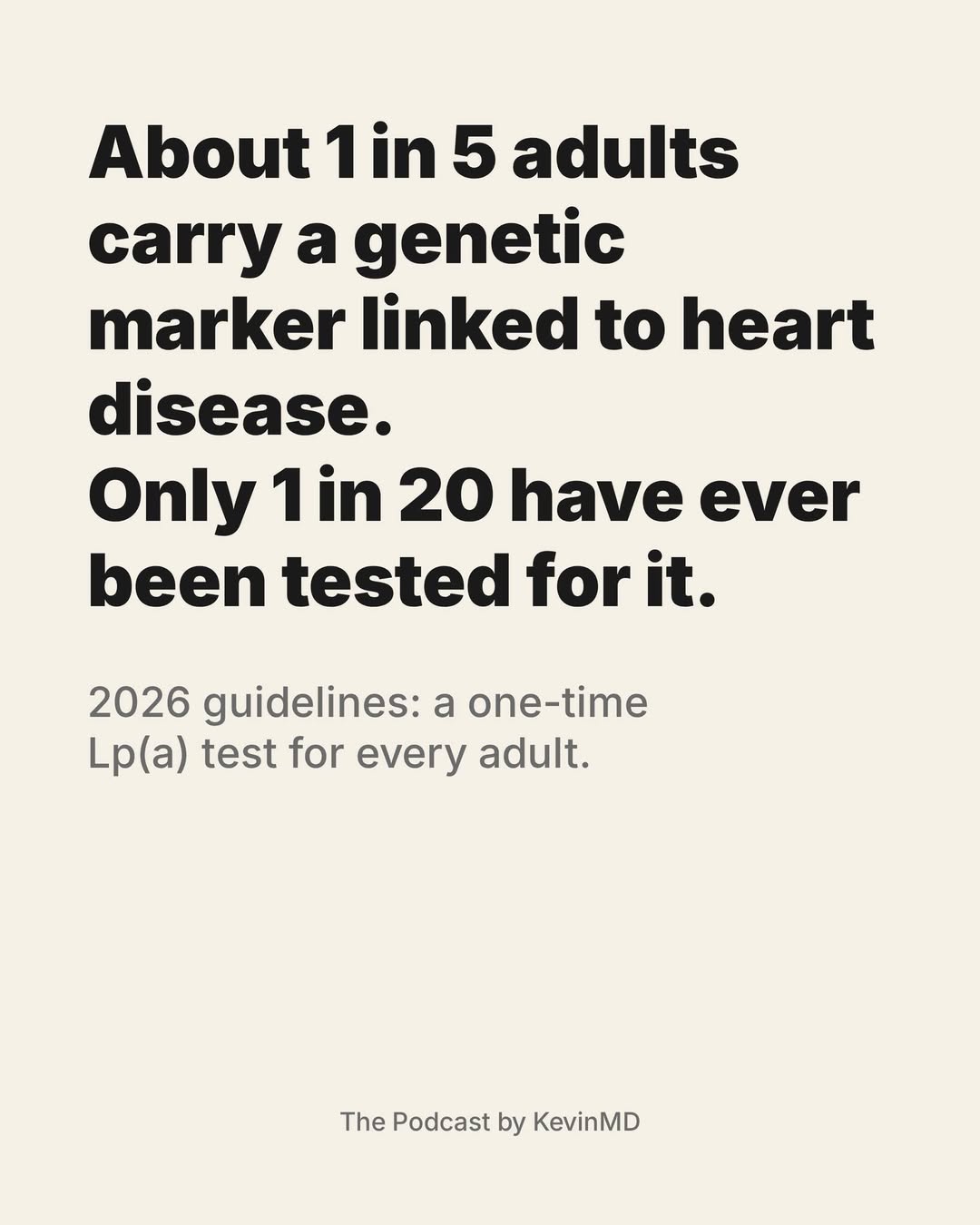
  19. In MESA, high Lp(a) mattered mainly when CAC was 100 or higher

    Jun 01, 2024 · Louis Nervegna ♥ 8 · 💬 15 ↩ 5 Lp(a)

    Louis shares a new MESA analysis suggesting that elevated Lp(a) raises 10-year heart attack and stroke risk mainly in people with CAC of 100 or more. With CAC between 1 and 99, high versus low Lp(a) mattered less, and a zero CAC appeared to 'trump' high Lp(a) over a decade.

  20. Statins for all could halve heart attacks yet add only 10-20 days to life over 5 years

    May 14, 2024 · Louis Nervegna ♥ 11 · 💬 11 Statins

    Louis works through why universal statin use could cut lifetime heart attack and stroke risk from about 20% to 10% while extending average lifespan by only days over 5 years: only about 10% of heart attacks and strokes are fatal, and only 1 in 5 US deaths are from them, so the reduction in overall deaths is about 50 times smaller. His arithmetic suggests a 0.022% to 0.094% reduction in overall deaths over 5 years. Note that this is a population-averaged back-of-envelope calculation.
  21. PCSK9 inhibition may slow cardiometabolic aging beyond lowering cholesterol

    Dec 21, 2023 · Louis Nervegna ♥ 15 · 💬 11 PCSK9, ezetimibe & newer drugs

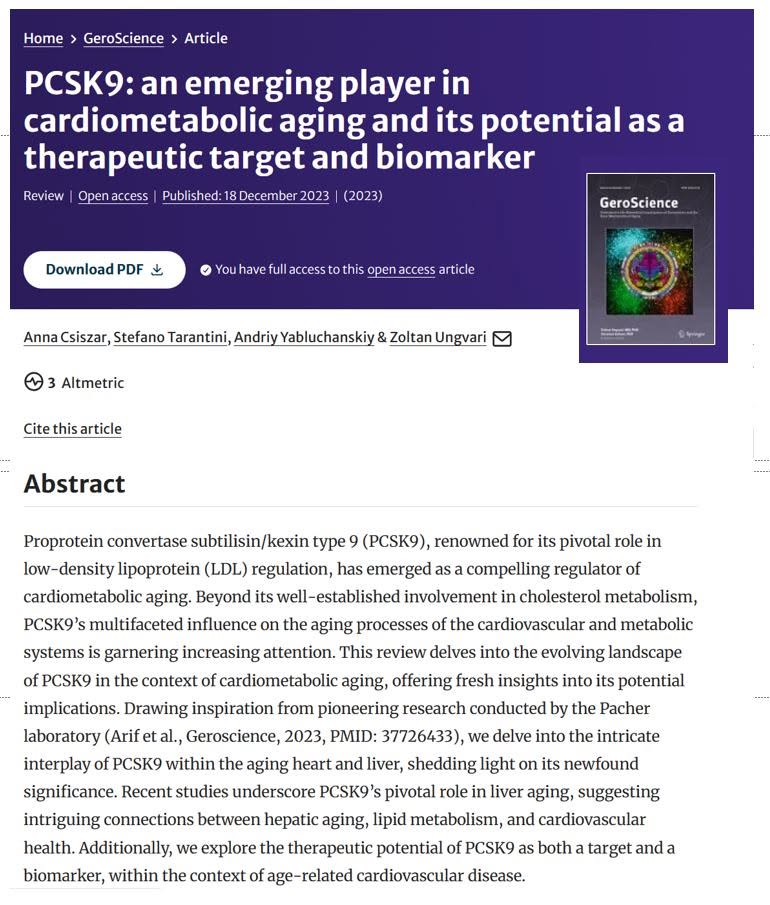
    Louis highlights a GeroScience open-access review proposing PCSK9 inhibition may ameliorate age-related cardiac and liver pathology, and that a multivariate genome-wide analysis of aging traits identified PCSK9 as a potential drug target for healthy aging. He adds that botanical compounds such as berberine also inhibit PCSK9. The anti-aging role remains an emerging research area.

  22. Harris and Patrick: omega-6 to omega-3 ratio does not predict heart disease or diabetes

    Dec 05, 2023 · Louis Nervegna ♥ 15 · 💬 11 ↩ 6 Fats & oils (saturated fat, seed oils, omega-6, olive oil)

    Louis shares a FoundMyFitness clip with Bill Harris and Rhonda Patrick explaining that the omega-6:omega-3 ratio is not useful for predicting heart disease or diabetes. Harris co-authored the two large biomarker studies (about 70,000 and 40,000 people) showing higher blood omega-6 linked to lower heart disease and diabetes. They agree that avoiding nuts over unfounded ratio claims makes no sense.

  23. SSaSS in stroke survivors: potassium salt substitute cut recurrent stroke 14%, deaths 12%

    Mar 13, 2025 · Louis Nervegna ♥ 10 · 💬 12 Blood pressure, salt & potassium

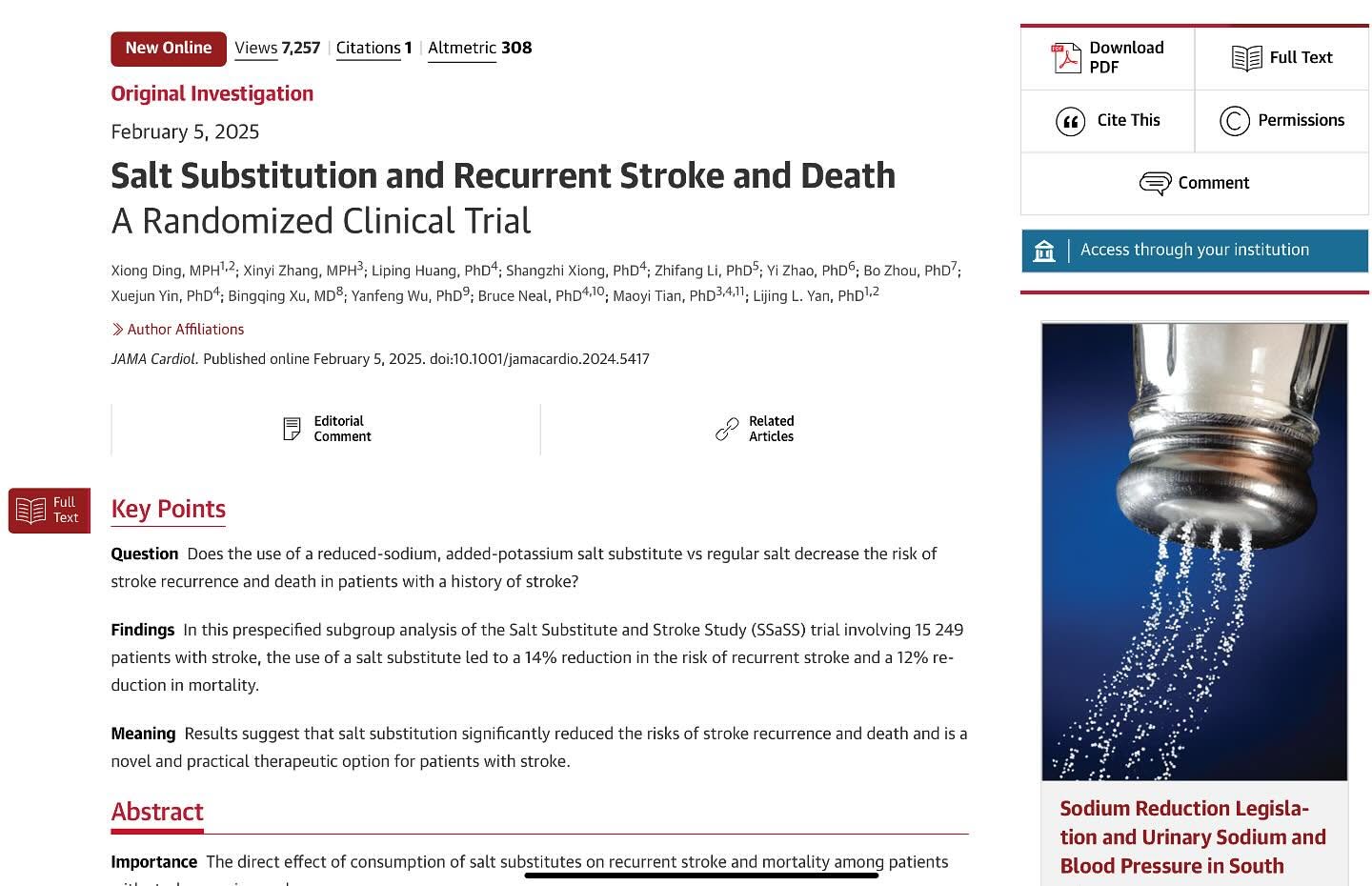
    Louis shares Luigi Fontana's summary of a cluster randomized trial in 15,249 stroke patients in northern China, in which a low-sodium, potassium-enriched salt substitute reduced recurrent stroke and death with no increase in hyperkalemia. Louis personally uses a 50/50 sodium chloride and potassium chloride blend that tastes nearly like regular salt.

  24. Exercise lowers cardiac risk, though extreme endurance exercise ties to AFib

    Jun 28, 2024 · Louis Nervegna ♥ 9 · 💬 18 Exercise & fitness

    A cardiologist quote shared from a sports medicine institute: exercise generally lowers cardiac event risk, while extreme long-duration exercise such as marathons or triathlons is associated with atrial fibrillation. Even so, exercise still benefits blood pressure, cholesterol and diabetes risk and lowers overall death risk.

  25. Platelet reactivity score (PRESS) predicts cardiovascular events in PAD patients

    Aug 20, 2024 · Gokhan Can ♥ 6 · 💬 19 Aspirin, antiplatelets & blood thinners

    NYU researchers developed PRESS, combining platelet aggregation responses and RNA sequencing, to detect platelet hyperreactivity. In PAD patients, hyperreactive platelets predicted more major adverse cardiac or limb events within 30 days of revascularization, and PRESS above the median carried a 90% higher risk of major events over 18 months. It might help target aspirin.

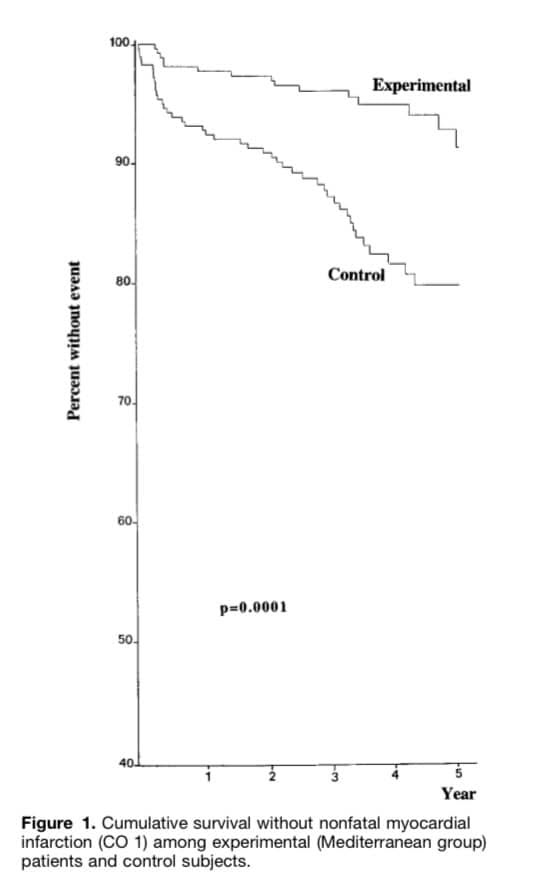
  26. Lyon Heart Study (canola and olive oil) cut heart attacks and CV deaths 73% in 2.5 years

    May 01, 2025 · Louis Nervegna ♥ 7 · 💬 13 Fats & oils (saturated fat, seed oils, omega-6, olive oil)

    Louis presents the Lyon Diet Heart Study as the best RCT evidence for cardiovascular benefit of 'seed oils': over 600 heart attack survivors eating a Mediterranean-style diet with canola oil and olive oil had far fewer events than those on an AHA diet. Quoted Lancet results show a risk ratio of 0.27 for cardiac death/nonfatal MI and 0.30 for total mortality, and the trial was stopped early.

  27. High Lp(a) raises CVD death risk 16% per 50 mg/dL, independent of other risk factors

    May 11, 2024 · Louis Nervegna ♥ 5 · 💬 22 Lp(a)

    Louis argues Lp(a) alone raises heart disease mortality even in people with no other risk factors. Citing a Current Opinion in Lipidology review, he notes each 50 mg/dL increase corresponds to a hazard ratio of 1.16 for CVD mortality, and works an example: Lp(a) of 250 mg/dL would imply roughly an 80% higher risk, taking a 20% lifetime risk to about 36%. The linear extrapolation is his own illustration.
  28. Microplastics raised plaque 63% in male mice, with no change in cholesterol or weight

    Dec 28, 2025 · Gokhan Can ♥ 13 · 💬 12 Environment (microplastics, pollution, heat)

    Summarises a UC Riverside mouse study: atherosclerosis-prone mice given 10 mg/kg/day microplastics for nine weeks. Males had 63% more plaque in the aortic root and 624% more in the brachiocephalic artery; females had no significant increase. Weight and cholesterol were unchanged, suggesting direct endothelial damage and inflammation. Admin suggests high fiber and Finnish sauna as defenses (not from the study).

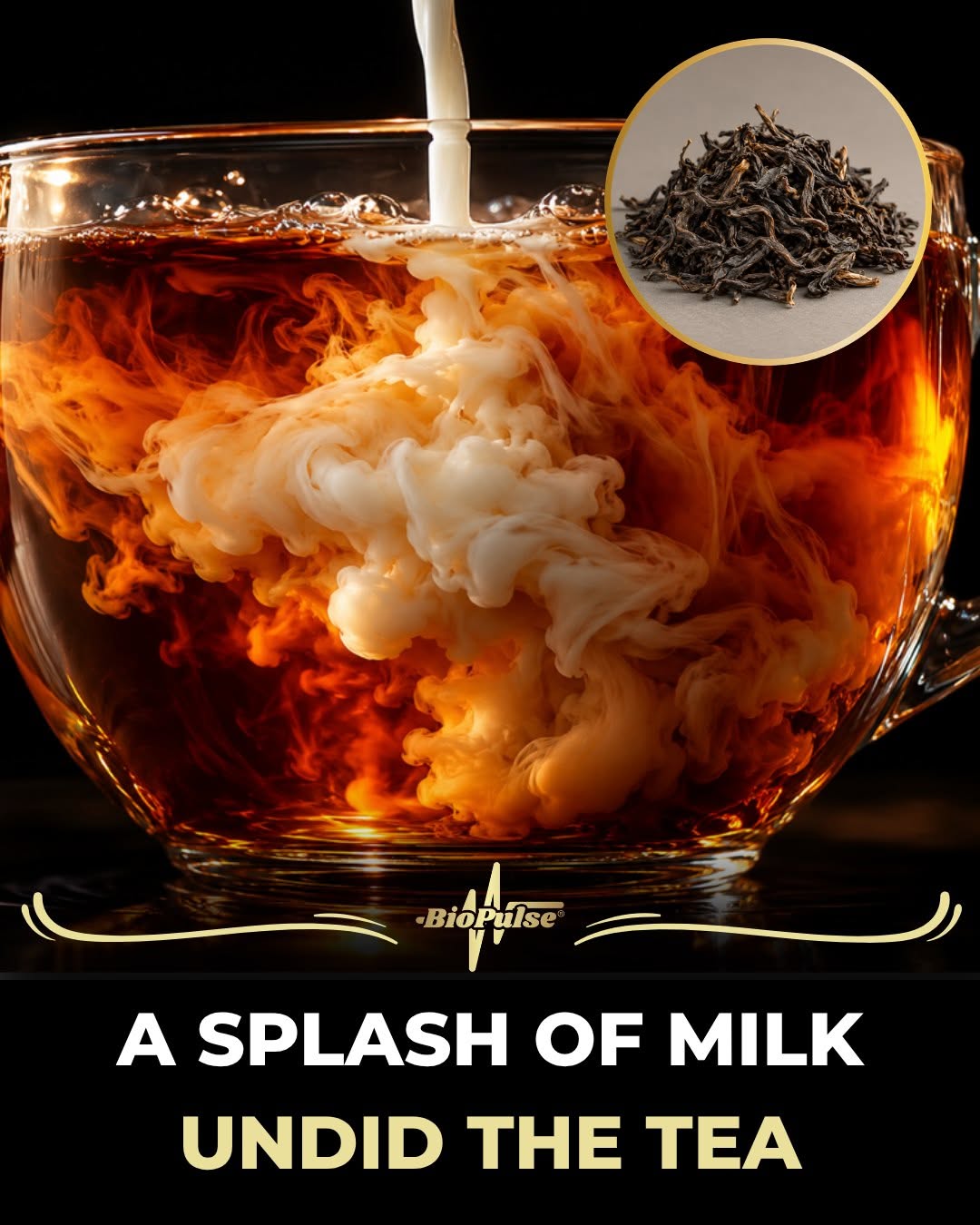
  29. Black tea improved artery function in a Berlin trial, but adding milk erased the benefit

    Oct 31, 2026 · Louis Nervegna ♥ 14 · 💬 8 Nuts, fish, coffee, tea, cocoa & other foods

    A European Heart Journal study (2007) from Charite Berlin had 16 healthy postmenopausal women drink black tea, tea with skimmed milk, or water on three days. Flow-mediated dilation improved with plain tea but the benefit disappeared with milk. Rat artery experiments showed tea boosts nitric oxide and milk caseins block it. Louis notes many studies show polyphenols improve FMD.

  30. Omega-6 is not pro-inflammatory: Louis corrects a post on nuts and seeds in diabetes

    Aug 30, 2026 · Louis Nervegna ♥ 19 · 💬 8 Fats & oils (saturated fat, seed oils, omega-6, olive oil)

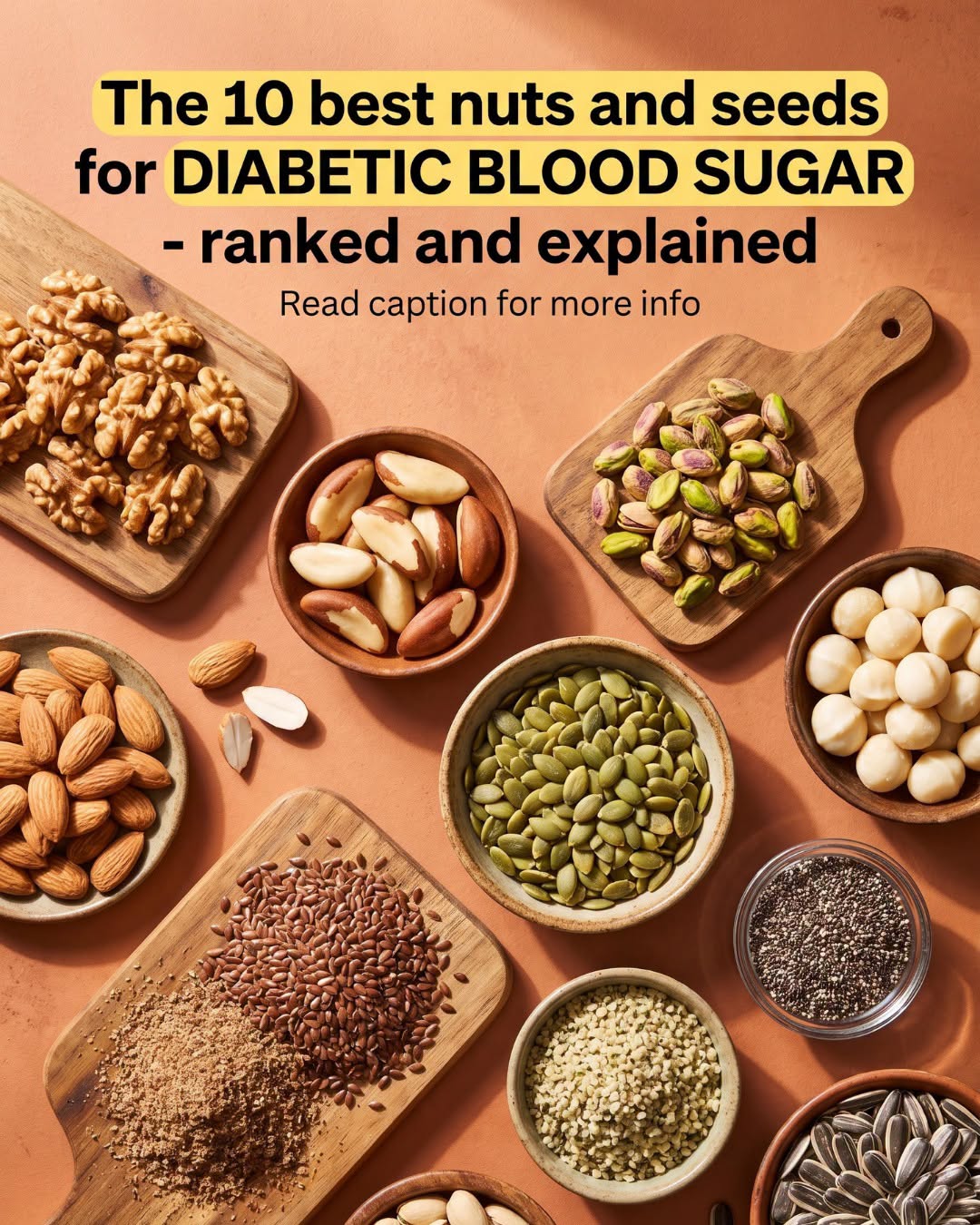
    Louis endorses a summary of nuts and seeds for diabetes but rejects its claim that omega-6 promotes inflammation and insulin resistance. He says over 30 RCTs show no rise in inflammatory markers and over 100 RCTs show improved insulin sensitivity and glycemic control, and that nuts and seeds protect against CVD and diabetes.