



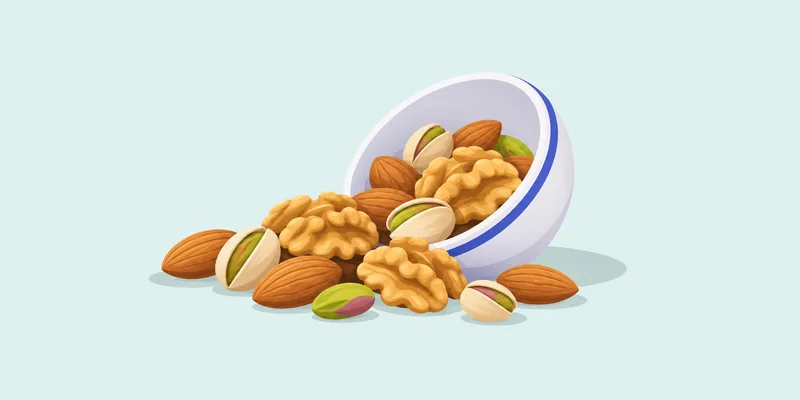
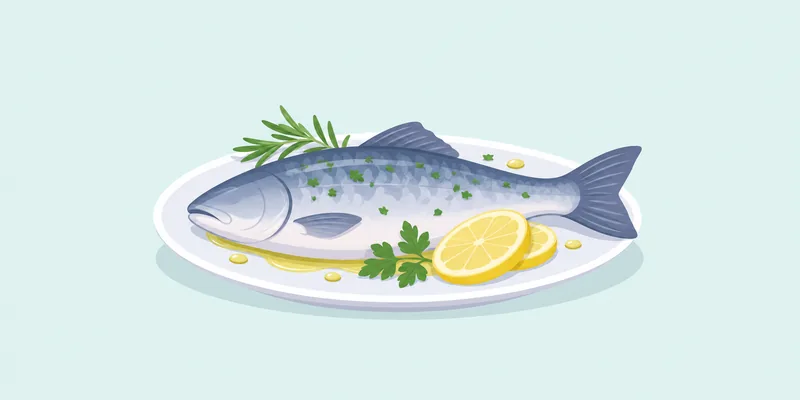

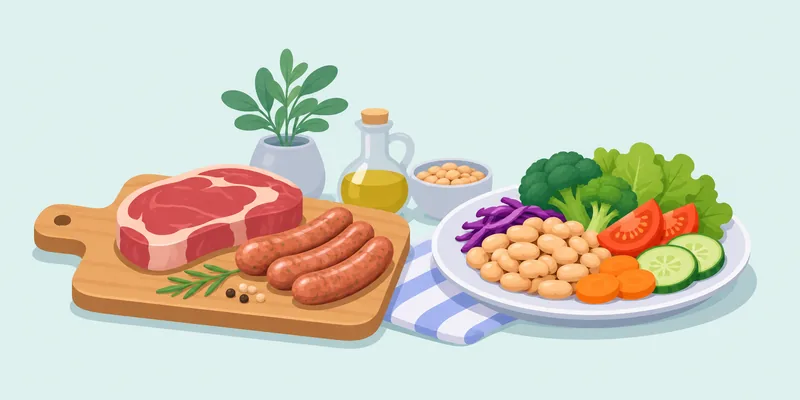

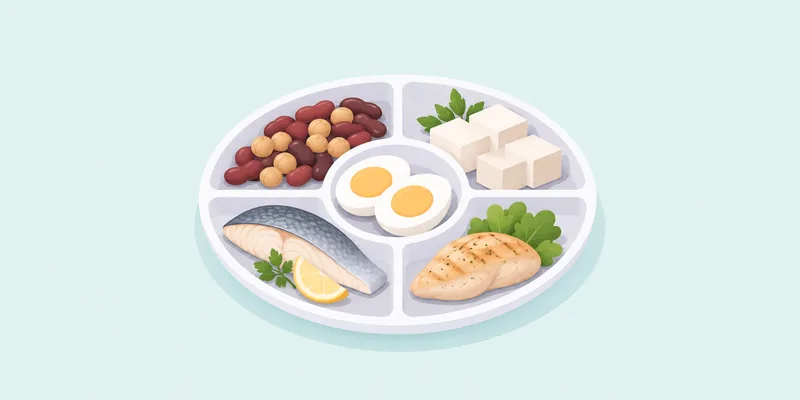














HD-OPM Archive

91 research summaries · 2,952 posts · since Nov 2023

Heart Disease – Optimal Prevention & Management

Evidence-based research summaries on preventing, managing and reversing heart disease, written from the group's discussions.

Research Summaries 91

Start here 5

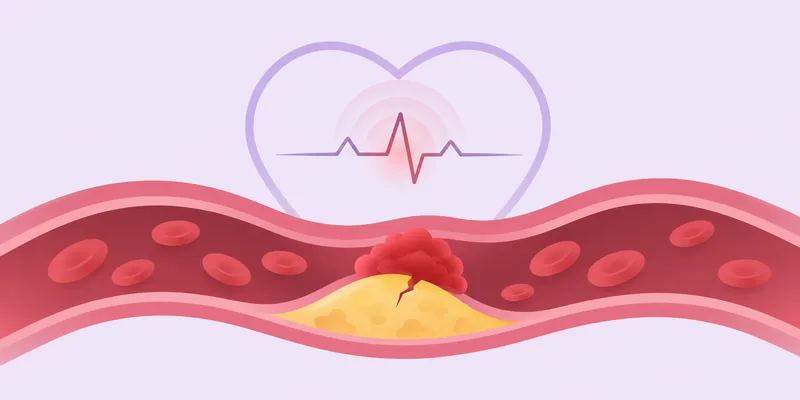
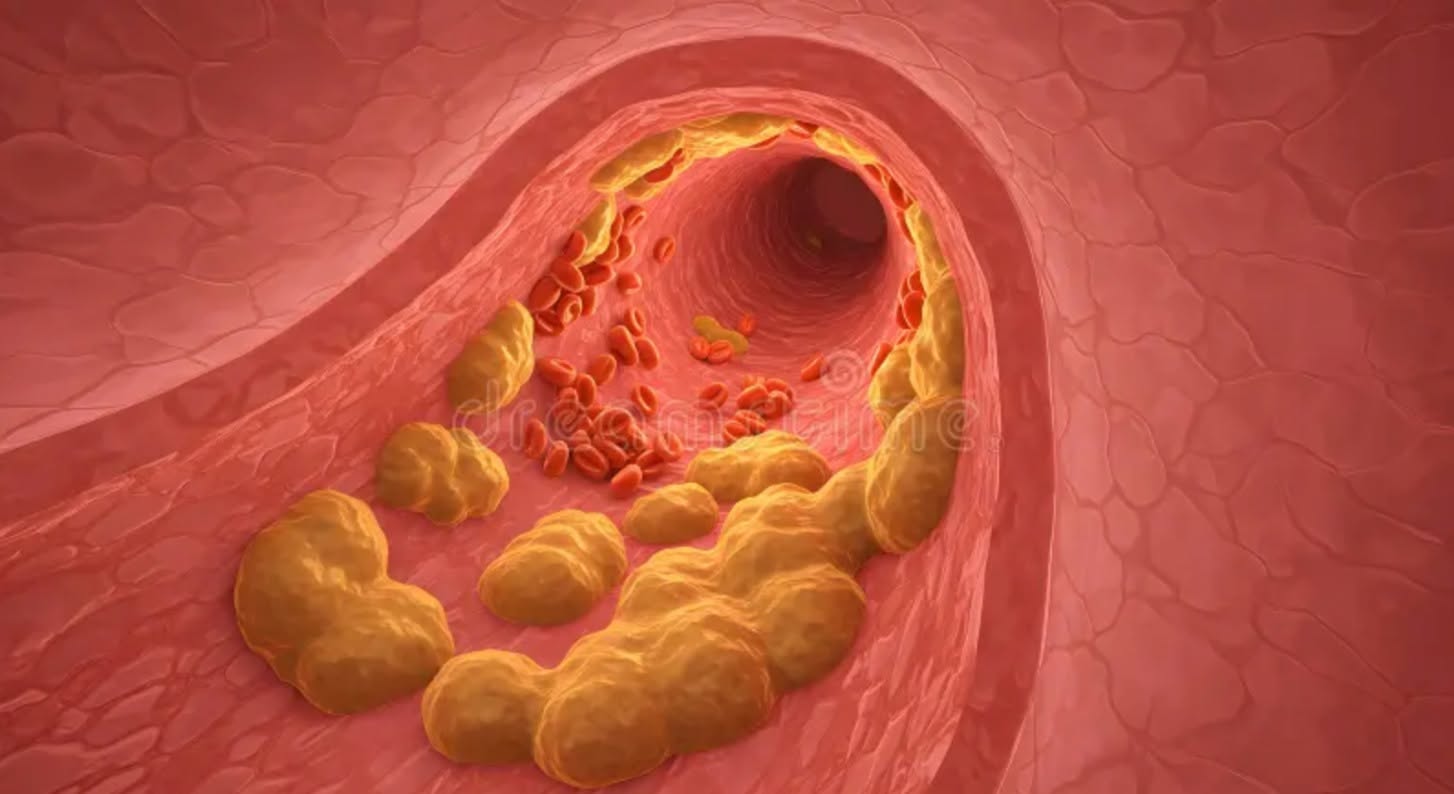
Start hereHeart disease 101: how atherosclerosis starts and progressesAtherosclerosis is a slow, mostly silent build-up of cholesterol-rich plaque in artery walls that begins decades before symptoms. This summary explains how plaque forms step by step, what drives it (ApoB particles, age, blood pressure, insulin resistance, inflammation and more) and why it is modifiable.16 min · 51 sources · 3 chartsStart hereLDL and ApoB explained: the cause of plaque and how low to goLDL cholesterol and ApoB are the main causal drivers of atherosclerotic plaque, and ApoB (a count of atherogenic particles) is the more accurate way to measure them. This summary explains the evidence, the targets the group's sources cite, and where "lower is better" has limits.14 min · 58 sources · 2 chartsStart hereThe longer, the lower, the better: cumulative LDL exposureAtherosclerosis builds up over decades, so what matters is not just how high LDL cholesterol is today but how high it has been and for how long. This summary explains the "cholesterol-years" idea, the trial, cohort and genetic evidence behind it, what it means in absolute terms, and why starting early matters.16 min · 44 sources · 4 chartsStart hereAll the risk factors to target (and how much each matters)Heart disease has one big unchangeable driver (age) and a short list of modifiable ones (blood pressure, cholesterol, blood sugar, weight, smoking, plus diet, activity, sleep and inflammation). This summary lays out what the group's posts say about how much each matters and how to think about priorities.14 min · 46 sources · 4 chartsStart hereThe heart disease prevention checklistA step-by-step checklist, built from what the group's posts and the research they cite say, for lowering cardiovascular risk. It covers testing, lipids and inflammation, diet, exercise, weight and metabolic health, and how to combine lifestyle with medication.17 min · 57 sources · 4 charts

Know your numbers & testing 6

Know your numbers & testingKnow your numbers: targets for LDL, ApoB, Lp(a), BP, glucose and moreWhich blood tests and measurements the group's posts treat as most informative for heart risk, and the targets quoted for each, from LDL and ApoB to Lp(a), blood pressure, HOMA-IR and HbA1c. It also covers which popular tests add little.16 min · 59 sources · 3 chartsKnow your numbers & testingLab tests worth asking for (and how to read them)A plain-language tour of the blood tests the group discusses beyond a standard lipid panel (ApoB, Lp(a), hsCRP, insulin and glucose markers, kidney markers), what each one measures, the target ranges quoted, and which popular tests the admins consider a waste of money.18 min · 44 sources · 3 chartsKnow your numbers & testingEstimating your risk: PREVENT, pooled cohort equations and their limitsHow cardiovascular risk calculators turn a handful of numbers into a 10- or 30-year risk, how the newer PREVENT equations differ from the older pooled cohort equations, and where these tools can understate or mislead, according to the group's posts.17 min · 41 sources · 3 chartsKnow your numbers & testingLp(a): the inherited risk factor everyone should test onceWhat lipoprotein(a) is, why it raises the risk of heart attack, stroke and aortic valve disease, why the first big Lp(a)-lowering drug trial (Lp(a)HORIZON) did not reduce events despite a 78% drop in Lp(a), and what the group's posts suggest doing in the meantime.18 min · 59 sources · 5 chartsKnow your numbers & testingTriglycerides, HDL and remnant cholesterol: what the ratios really tell youHow to read triglycerides, HDL and the TG/HDL ratio on a lipid panel, why the group's admins treat them mainly as markers of insulin resistance and visceral fat, what the HDL-raising and triglyceride-lowering trials found, and why apoB is the number that captures remnant risk.18 min · 48 sources · 3 chartsKnow your numbers & testingInflammation and hs-CRP: the residual riskWhy inflammation is now treated as a real driver of atherosclerosis alongside cholesterol, what hs-CRP can and cannot tell you, how the major trials (CANTOS, ZEUS, colchicine studies) fit together, and which lifestyle and drug options the group discusses for lowering it.16 min · 56 sources · 4 charts

Plaque & imaging 6

Plaque & imagingCoronary calcium (CAC) scores: what they mean and what to do nextWhat a coronary artery calcium scan actually measures, how to read a score of 0, a low score or a high score, why the number can rise while treatment is working, and what the group discusses doing next, from LDL lowering and exercise to follow-up imaging.15 min · 56 sources · 4 chartsPlaque & imagingCT angiography (CCTA): seeing soft plaqueA coronary CT angiogram can show soft, non-calcified plaque that a calcium score cannot see, and it lets researchers measure plaque in cubic millimetres over time. This summary explains what CCTA adds beyond CAC, what SCOT-HEART showed, what plaque-tracking trials have found, and where the test falls short.16 min · 45 sources · 4 chartsPlaque & imagingCan plaque shrink? What the trials showCoronary plaque can shrink in randomized trials, mostly the soft, lipid-rich part, and mostly when LDL cholesterol is pushed low. This summary walks through which drugs, diets and other interventions achieved it, by how much, and how far the evidence can be trusted.17 min · 53 sources · 4 chartsPlaque & imagingWhy CAC can rise on statins (and why that is usually good)A repeat calcium score often goes up after starting a statin, even while soft plaque shrinks and heart-attack risk falls. This summary explains how the Agatston score works, why treated plaque turns denser, what the trials show, and how to interpret a rising number without panic.14 min · 50 sources · 5 chartsPlaque & imagingCarotid and peripheral plaque: ultrasound, CIMT and ABIAtherosclerosis usually starts in the neck and leg arteries long before the heart, so looking there can reveal silent disease. This summary explains what carotid ultrasound (plaque burden and CIMT) and the ankle-brachial index add, what peripheral artery disease means, and where the group's members disagree.17 min · 45 sources · 5 chartsPlaque & imagingHow heart attacks happen: plaque rupture, clots and warning signsA heart attack is usually a clot forming on a damaged plaque in a coronary artery, and the plaque involved is often not the one that looked most blocked. This summary covers what triggers the clot, why milder plaques can rupture, what the first hours and months after an event involve, and where group members disagree.15 min · 58 sources · 4 charts

Medications 12

MedicationsStatins: what they do and how much they helpHow statins lower LDL cholesterol and what randomized trials show about heart attacks, strokes, plaque regression and long-term benefit, including the trade-offs the group discusses, such as a small rise in blood sugar.16 min · 56 sources · 5 chartsMedicationsStatin side effects: what's real, what's nocebo, and what to doWhich statin side effects are genuinely caused by the drug (muscle, blood sugar, liver), how often they occur according to large blinded trials, why so many reported symptoms are not drug-caused, and what the group's admins suggest trying if you feel unwell on a statin.15 min · 43 sources · 2 chartsMedicationsStatin myths: dementia, cancer, testosterone, mitochondria and the elderlyWhat randomized trials, large cohorts and genetic studies say about the claims that statins cause dementia, cancer, low testosterone, mitochondrial damage or muscle and liver harm, and what the evidence says about starting or stopping statins in older adults.15 min · 52 sources · 4 chartsMedicationsEzetimibe: the low-cost add-onHow ezetimibe blocks cholesterol absorption, what trials and registries show when it is added to a statin, where it is (and is not) supported as a stand-alone drug, and how the group's admins think about using it.15 min · 49 sources · 3 chartsMedicationsPCSK9 inhibitors: Repatha, Praluent, inclisiran and the new oral pillsWhat PCSK9 drugs are, how much they lower LDL, what outcome and plaque-imaging trials such as FOURIER, VESALIUS-CV and YELLOW-III show, where the evidence stops (no monotherapy outcome trial), and who the group's admins say should consider them.14 min · 44 sources · 3 chartsMedicationsNewer lipid drugs: bempedoic acid, obicetrapib and what's comingA plain-language tour of the LDL- and Lp(a)-lowering drugs beyond statins and ezetimibe - bempedoic acid, PCSK9 drugs, the newly approved CETP inhibitor obicetrapib, and the triglyceride and Lp(a) drugs in the pipeline - and what the evidence does and does not show about each.16 min · 30 sources · 5 chartsMedicationsAspirin: who benefits and who doesn'tWhat the group's posts say about low-dose aspirin - the pooled primary-prevention data that show modest benefit against a real bleeding cost, the stronger case after a heart attack or stroke, the open questions around high Lp(a), plaque, infections, cancer and dementia, and how to think about the trade-off.15 min · 39 sources · 4 chartsMedicationsColchicine and anti-inflammatory therapy for the heartWhy inflammation is now treated as a real driver of heart attacks, what the group has shared about low-dose colchicine (approval, plaque imaging, mechanisms), how it compares with other anti-inflammatory strategies, and who the admins think might benefit.13 min · 32 sources · 3 chartsMedicationsGLP-1 drugs (semaglutide, tirzepatide) and the heartWhat GLP-1 and related drugs do for weight, diabetes and heart outcomes, what the large trials found, which headline claims are still observational or preliminary, and the main downsides such as muscle loss and side effects.14 min · 50 sources · 5 chartsMedicationsMetformin, SGLT2 inhibitors and other metabolic drugsA plain-language tour of what the group has collected on metformin, SGLT2 inhibitors, pioglitazone and acarbose, including what is proven in people, what rests on animal or observational data, and where the admins' opinions come in.17 min · 53 sources · 4 chartsMedicationsBlood pressure medications and targetsWhat the group has collected on the main classes of blood pressure drugs, the systolic target below 120 mmHg that SPRINT tested, how ACE inhibitors, ARBs, calcium channel blockers and thiazides compare, and how lifestyle measures fit alongside medication.17 min · 45 sources · 5 chartsMedicationsNiacin, fibrates and other older lipid drugsWhy niacin and CETP inhibitors disappointed in large outcome trials, where fibrates and bile-acid binders (including psyllium and oat fiber) still fit, and what the group's admins say about niacin and Lp(a).16 min · 32 sources · 2 charts

Diet & foods 23

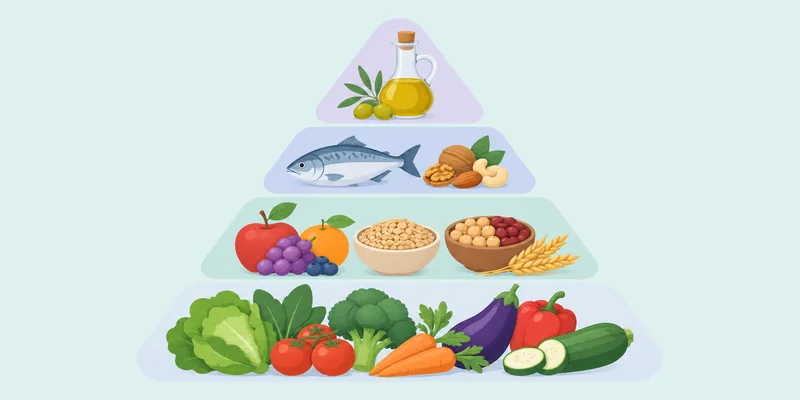
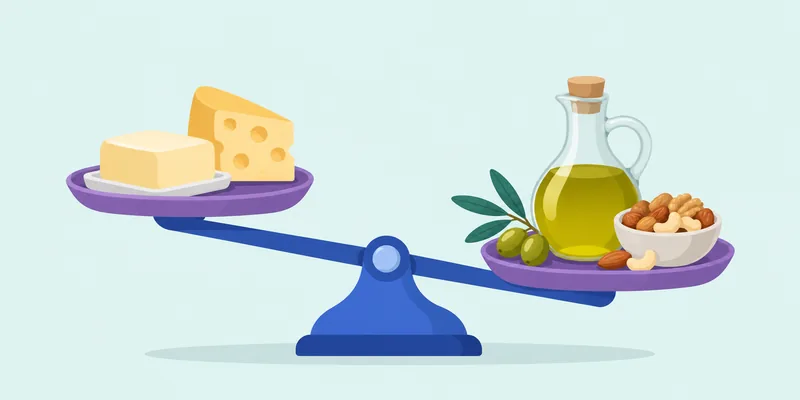
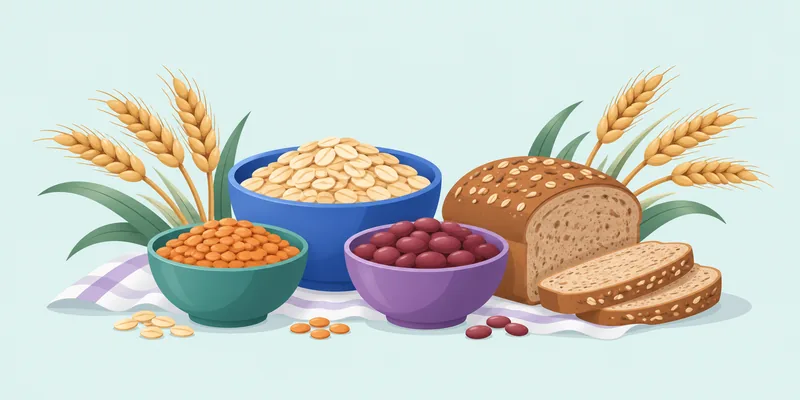
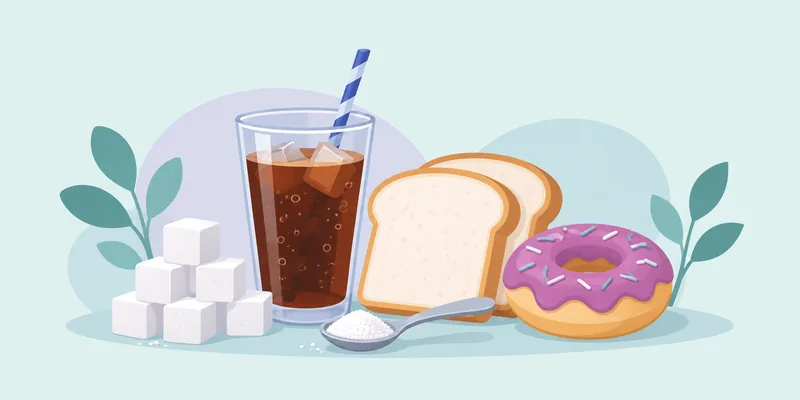
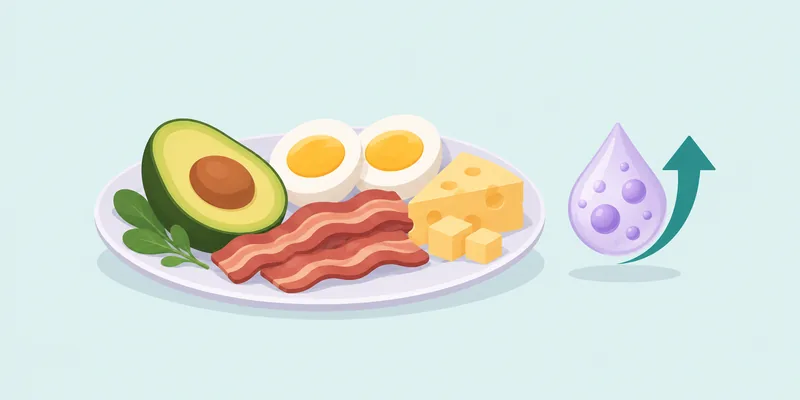
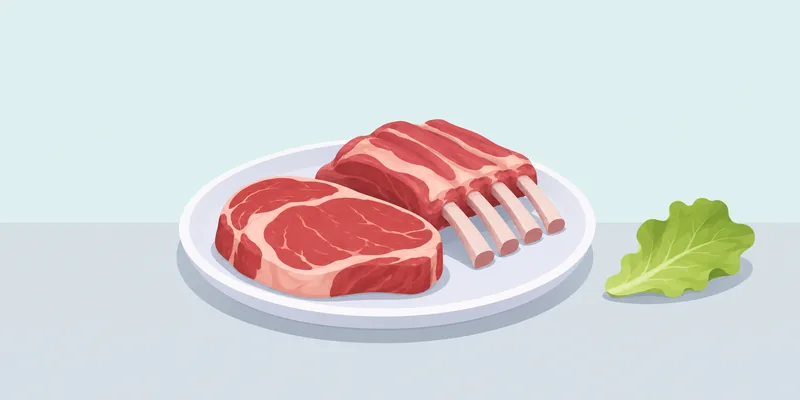
Diet & foodsThe Mediterranean diet: the best-tested heart dietWhat the traditional Mediterranean diet is, what the Lyon Diet Heart Study, PREDIMED and CORDIOPREV found (with numbers), where the evidence is weaker, and how members of the group put it into practice.17 min · 53 sources · 4 chartsDiet & foodsPortfolio, DASH and MIND dietsHow the Portfolio, DASH and MIND eating patterns differ, what each was built to do, and how strong the evidence behind each one looks according to the group's posts. DASH has the most direct plaque-trial evidence, MIND the most brain-health data, and Portfolio the least coverage.16 min · 49 sources · 3 chartsDiet & foodsThe HD-OPM food pyramid: what to eat every dayWhat the group's Mediterranean-based daily eating pattern looks like in practice, food group by food group, with the trial and cohort evidence behind it and the points where posts disagree or the evidence is thin.18 min · 50 sources · 3 chartsDiet & foodsSaturated fat: what the evidence saysWhy the group's admins advise replacing most saturated fat with unsaturated fat, what trials and cohorts show, why dairy such as yogurt and cheese is treated as a partial exception, and how to put this into practice.16 min · 58 sources · 4 chartsDiet & foodsSeed oils and omega-6: myth versus evidenceWhether seed oils and their main omega-6 fat, linoleic acid, harm or help the heart, what trials and long-term cohorts actually measured, and where the evidence is weaker than the headlines suggest.17 min · 57 sources · 4 chartsDiet & foodsOlive oil: how much and which kindWhat the group's posts say about extra virgin olive oil and heart health, from the big Mediterranean-diet trials to cohort data on dose, plus how to choose, store and cook with it.14 min · 55 sources · 3 chartsDiet & foodsNuts: the most underrated heart foodWhat the group's posts say about nuts and heart health, from the PREDIMED trial and the big cohort studies to cholesterol, weight, blood sugar and brain effects, and how much to eat.17 min · 45 sources · 3 chartsDiet & foodsFish and omega-3s in foodWhat the group's posts say about eating fish for heart health, which fish and how often, how food compares with fish-oil supplements, and what the posts do and do not say about contaminants.15 min · 51 sources · 2 chartsDiet & foodsEggs and dietary cholesterolWhat the group's posts say about whether the cholesterol in eggs raises LDL and heart risk, how saturated fat, TMAO and choline fit in, what long-term cohorts show for heart disease and dementia, and how to think about eggs inside an overall eating pattern.14 min · 30 sources · 1 chartDiet & foodsRed and processed meatWhat the group's posts say about how red and processed meat relate to heart disease, type 2 diabetes, cancer and dementia, why processed meat is treated as the clearer problem, which counter-arguments exist, and how admins suggest swapping in better protein sources.17 min · 54 sources · 4 chartsDiet & foodsDairy: milk, cheese, yogurt and butterDairy is not one food. This summary explains why fermented dairy such as yogurt and cheese tends to look neutral to modestly favorable for the heart, why butter and cream do not, and where the evidence is still thin or disputed.18 min · 45 sources · 4 chartsDiet & foodsProtein: how much, which sources, and the insulin questionExplains what the group's posts say about how much protein is enough, why the source of protein matters more than the amount in long-term studies, and how protein, insulin, IGF1 and aging fit together, including where the evidence is only a hypothesis.17 min · 58 sources · 4 chartsDiet & foodsFiber, legumes and whole grainsWhy fiber matters for cholesterol, blood sugar and longevity, which kinds of fiber do which jobs (gel, feed and sweep), and what the group's posts say about how much oats, psyllium, beans and whole grains to eat.17 min · 47 sources · 3 chartsDiet & foodsSugar, refined carbs and sweetenersHow added sugar, fructose, refined starch and sweeteners relate to liver fat, insulin resistance and heart disease, what the evidence does and does not show, and what the group's admins suggest doing about it.15 min · 53 sources · 2 chartsDiet & foodsKeto, low-carb and lean mass hyper-respondersWhat ketogenic and very low-carb diets do to LDL and arterial plaque, what the KETO-CTA study in lean mass hyper-responders did and did not show, and how the group's admins suggest keto fans keep an eye on their hearts.19 min · 58 sources · 4 chartsDiet & foodsThe carnivore dietWhat the carnivore diet promises, what the group's posts say about its effects on LDL, plaque, blood sugar and other risks, and why the long-term evidence on heart health is still missing.15 min · 43 sources · 3 chartsDiet & foodsPlant-based diets, Esselstyn and OrnishWhat the evidence shows for vegetarian, vegan, Esselstyn and Ornish-style eating in heart disease, where the claims outrun the data, and how the group's admins suggest putting it into practice.18 min · 51 sources · 4 chartsDiet & foodsUltra-processed foodWhat "ultra-processed" means, what the large studies and guidelines say about its link to heart disease and other conditions, which items drive most of the risk, and how the group's admins suggest cutting back.13 min · 41 sources · 2 chartsDiet & foodsCoffee and teaWhat the group's posts say about coffee and tea for the heart, brain and longevity: how many cups, what decaf and brewing change, and where evidence is only observational.18 min · 51 sources · 4 chartsDiet & foodsCocoa, chocolate, berries and polyphenolsWhat the group's posts say about cocoa flavanols, dark chocolate, blueberries and other polyphenol-rich foods, including the large COSMOS cocoa trial, what the smaller studies add, and what is still unproven.16 min · 47 sources · 3 chartsDiet & foodsAlcohol: is any amount healthy?Alcohol is a rare case where heart-disease studies, cancer studies and public messaging pull in different directions. This summary lays out what the large cohorts, the AHA and National Academies reviews, the PREDIMED wine analysis and the upcoming UNATI trial say, and where the disagreements lie.17 min · 44 sources · 2 chartsDiet & foodsSalt and potassiumHow much sodium major heart groups suggest, why potassium matters as much as sodium for blood pressure, what the potassium-enriched salt substitute trial in stroke survivors found, and who needs to be careful with potassium.13 min · 47 sources · 2 chartsDiet & foodsFasting, time-restricted eating and calorie restrictionWhat the group's posts say about intermittent fasting, time-restricted eating, breakfast timing and calorie restriction, which findings come from human trials and which only from animals, and who should be cautious.17 min · 41 sources · 3 charts

Supplements 10

SupplementsSupplements for the heart: what has evidence and what doesn'tA summary of which supplements have randomized-trial support for heart outcomes (omega-3, CoQ10 in heart failure, folic acid for stroke, cocoa flavanols), which have only risk-factor or early data, and which are unproven or possibly harmful.15 min · 58 sources · 3 chartsSupplementsOmega-3 supplements and icosapent ethylWhat the group's posts say about fish oil and prescription purified EPA (icosapent ethyl), including what the trials and meta-analyses show for heart attacks and plaque, how doses relate to the atrial fibrillation (AFib) signal, and how to think about practical choices.16 min · 44 sources · 3 chartsSupplementsVitamin D, vitamin K2 and magnesiumWhat the group's posts say about vitamin D, vitamin K2 and magnesium, covering what randomized trials show for heart outcomes and coronary calcification, where the evidence is weak or mixed, and how dosing and safety are discussed.16 min · 52 sources · 3 chartsSupplementsMultivitamins, B12 and the COSMOS trialWhat the large Harvard COSMOS and Physicians' Health Study II trials found for a basic multivitamin (memory, biological aging, cancer), how vitamin B12 and folate fit in, and where the evidence is thin or disputed.15 min · 51 sources · 2 chartsSupplementsCoQ10What coenzyme Q10 does in the body, what the Q-SYMBIO trial and other studies show for heart failure, why it does not reliably prevent statin muscle pain, and which other claims are still early or animal-only.12 min · 23 sources · 1 chartSupplementsNattokinase, lumbrokinase and nattoWhat nattokinase is, how it is thought to work on clots and plaque, what the one large human study and a few anecdotes actually show, and why the group's admins call it promising but unproven.13 min · 15 sourcesSupplementsBerberine, red yeast rice and other 'natural statins'What the group's posts say about berberine, red yeast rice and citrus bergamot as LDL-lowering supplements, how large the effects are, what is unknown, and why admins stress that none has outcome trials behind it.12 min · 15 sources · 2 chartsSupplementsPsyllium and fiber supplementsHow much psyllium and other fiber supplements lower LDL cholesterol and blood sugar, why only gel-forming fibers work for cholesterol, what the meta-analyses show (and where they differ), and how the group suggests using fiber supplements sensibly.12 min · 10 sources · 3 chartsSupplementsCreatine, taurine, NMN and other longevity supplementsA tiered look at which popular longevity supplements (taurine, NAD precursors such as NR and NMN, niacin, creatine, spermidine, urolithin A, glycine and others) have human evidence, which rest mainly on mouse studies, and how the group's admins weigh them.17 min · 54 sources · 3 chartsSupplementsGarlic, hibiscus, gotu kola and other herbsWhat the group's posts say about garlic, hibiscus, gotu kola, curcumin, nattokinase and nitrate-rich vegetables for heart health, how strong each body of evidence is, and where the real gaps and cautions lie.18 min · 40 sources · 3 charts

Metabolic health & weight 5

Metabolic health & weightInsulin resistance: the hidden driverWhat insulin resistance is, why it can raise heart risk even when LDL is low, which blood tests and body measures reveal it years before diabetes, and what the group's posts say about reversing it.16 min · 58 sources · 3 chartsMetabolic health & weightPrediabetes and type 2 diabetes: prevention and remissionHow rising insulin resistance and blood sugar relate to heart risk, which tests catch the problem early, and what the group's posts say about reversing prediabetes and type 2 diabetes, from fat loss in the liver and pancreas to exercise, diet, supplements and drugs.17 min · 55 sources · 3 chartsMetabolic health & weightVisceral fat and liver fat (MASLD)Why fat packed around the abdominal organs and inside the liver is so metabolically harmful, how to estimate how much you carry, and what the group's posts say about reducing it with weight loss, diet, exercise and a few other tools.15 min · 57 sources · 3 chartsMetabolic health & weightWeight loss that lasts: what worksWhy losing excess weight, and especially visceral fat, is one of the strongest levers for heart health, what the group's evidence says about diets, exercise, muscle and GLP-1 drugs, and why keeping the weight off is the hard part.17 min · 57 sources · 4 chartsMetabolic health & weightKidney health and the heartHow kidney function and heart disease feed each other, which tests actually show how well your kidneys are working, and what the group's posts say about medications, diet and supplements that help or harm the kidneys.16 min · 57 sources · 2 charts

Lifestyle 4

LifestyleExercise for your arteries: cardio, intervals and strengthHow much and which kinds of exercise the group's posts link to a healthier heart, from daily steps and Norwegian 4x4 intervals to strength training, and where the evidence is weaker or the risks start to show.18 min · 46 sources · 4 chartsLifestyleVO2 max, fitness and longevityWhy people with higher cardiorespiratory fitness tend to live longer, why the group's admins doubt that VO2 max itself is the cause, and what the posts say about improving fitness, muscle and strength in ways that are likely to help.14 min · 37 sources · 2 chartsLifestyleSleep, stress and social connectionHow sleep, stress, mood and social connection fit into heart-disease prevention, what the group's posts say about sleep apnea, melatonin, magnesium and depression, and where the evidence is still thin.16 min · 41 sources · 2 chartsLifestyleSmoking, vaping, air pollution and microplasticsWhat the group's posts say about smoking, nicotine products, cannabis, air pollution, metals, PFAS and microplastics as influences on arteries, and how strong or weak the evidence is for each.14 min · 40 sources · 3 charts

Beyond the heart 8

Beyond the heartProtecting your brain: heart health and dementia preventionHow the health of your arteries and your brain are tied together, which risk factors the 2024 Lancet Commission highlights, and what the group's posts say about diet, lipids, blood pressure, vaccines, supplements and drugs in dementia prevention.18 min · 59 sources · 4 chartsBeyond the heartLongevity: interventions with human evidenceA sorted summary of what the group's posts say about slowing aging, separating the few interventions with human data (diet patterns, fiber, multivitamins, exercise, metformin) from the many that so far only work in mice, worms or monkeys.13 min · 60 sources · 2 chartsBeyond the heartCancer and heart disease: shared preventionHeart disease and cancer share their biggest root cause, ageing, and many of the same modifiable risk factors. This summary covers the foods and habits the group links to both, and what the evidence says about statins, aspirin, GLP-1 drugs and other heart-related drugs in cancer.18 min · 54 sources · 3 chartsBeyond the heartWomen's heart health, menopause and hormone therapyHow women's heart risk differs from men's, what the group's posts say about menopause, ovarian ageing and hormone therapy (HRT), and which bone, diet and exercise measures matter after menopause.16 min · 48 sources · 3 chartsBeyond the heartMen's health: testosterone, TRT and erectile functionHow testosterone levels, testosterone replacement therapy (TRT), anabolic steroids and erectile dysfunction relate to cardiovascular risk, and why the group's admins see visceral fat as the main driver of low testosterone in middle-aged men.17 min · 35 sources · 3 chartsBeyond the heartThe gut microbiome and TMAOWhat the group's posts say about how gut bacteria and the molecules they make, especially TMAO, imidazole propionate and short-chain fatty acids, relate to heart disease, and which diet, fiber and supplement strategies are supported by trials versus only by mechanism.17 min · 57 sources · 2 chartsBeyond the heartAtrial fibrillation and heart failure basicsWhat the group's posts say about what raises the risk of atrial fibrillation and heart failure, which lifestyle factors, foods, supplements and drugs seem to help or hurt, and where the evidence is still thin.16 min · 58 sources · 5 chartsBeyond the heartInfections, flu and vaccines: the heart connectionHow flu, COVID, shingles and other infections can trigger heart attacks and strokes, what the group's posts say about vaccines and other protective steps, and how strong or weak each piece of evidence is.17 min · 53 sources · 4 charts

Evidence & myths 6

Evidence & mythsHow to read medical research: the hierarchy of evidenceLearn how the group's admins rank randomized trials, prospective cohorts, Mendelian randomization, meta-analyses and weaker study designs, and how to spot confounding, reverse causality and misleading citations.16 min · 44 sources · 3 chartsEvidence & mythsRelative vs absolute risk, NNT and reading trial resultsLearn how to tell a relative risk reduction from an absolute one, what number needed to treat (NNT) means, why trial length and baseline risk change the picture, and how to read endpoints and noninferiority claims.18 min · 43 sources · 5 chartsEvidence & mythsCholesterol myths: 'low cholesterol kills', 'LDL doesn't matter' and moreWhy the most common cholesterol-denial claims (low cholesterol is deadly, the body needs high blood cholesterol, LDL is just a marker) do not hold up, and what the genetic, trial and cohort evidence discussed in the group actually shows.17 min · 49 sources · 3 chartsEvidence & mythsSpotting health misinformation and influencer claimsA practical checklist, drawn from the group's discussions, for judging viral health claims: where a study sits in the evidence hierarchy, cherry-picking, correlation versus causation, anecdotes, money and how to check a claim yourself.17 min · 57 sources · 1 chartEvidence & mythsNocebo and placebo effectsHow expectations can create real symptoms (the nocebo effect), what the SAMSON trial and the large pooled statin analyses showed about muscle pain, and how to separate drug-caused side effects from expectation-driven ones.14 min · 29 sources · 2 chartsEvidence & mythsUsing AI and deep-research tools for health questionsHow the group's admins use chatbots such as Gemini, ChatGPT and Claude to fact-check and summarize health claims, why they insist on verifying every reference, and where AI is (and is not) being used in cardiology itself.10 min · 25 sources

Practical guides 6

Practical guidesFinding a good cardiologist and talking to your doctorWhat the group's admins suggest about choosing a prevention-minded cardiologist, which tests are worth asking about (ApoB, hsCRP, calcium score), how to bring supplements and lifestyle changes into the conversation, and how to prepare for appointments.15 min · 42 sources · 2 chartsPractical guidesWhat optimal treatment looks like: an aggressive prevention protocolA plain-language tour of what a comprehensive, aggressive prevention protocol includes (the Bale-Doneen approach, very low LDL, blood pressure, inflammation, metabolic drugs, exercise and imaging), what the evidence shows for each piece, and where it remains unproven.15 min · 48 sources · 5 chartsPractical guidesAfter a heart attack or stent: secondary preventionWhat the group's posts say about preventing a second event after a heart attack, stent or bypass, from the high-dose statin given in hospital to LDL targets, diet trials, supplements to avoid, and what a procedure does and does not fix.17 min · 53 sources · 4 chartsPractical guidesI have a high calcium score: what now?A plain-language plan for someone who has just learned they have significant coronary calcium, covering what the score does and does not mean, how low to push LDL, which diet and exercise habits have trial support, and how to read later scans.15 min · 51 sources · 5 chartsPractical guidesStarting treatment early: should young adults lower LDL?Why the group's admins think the timing of LDL lowering matters as much as the amount, what the evidence on cumulative exposure shows, who is most likely to benefit from starting early (including people with familial hypercholesterolemia), and which cautions and trade-offs the posts raise.16 min · 40 sources · 5 chartsPractical guidesStarting a new drug or supplement safelyHow the group's admins suggest weighing the evidence behind a new medication or supplement, checking dose, interactions and product quality, deciding what to monitor, and avoiding the common traps of hype, mouse data and single success stories.17 min · 56 sources · 3 charts

Questions newcomers ask

Tap a question for the short answer, then read the full research summary or the group's key post.

Getting started

Where do I start?

Plaque builds silently for decades as LDL and other ApoB particles get trapped in artery walls. In the REACT study, 57% of adults aged 18–70 already had some.

Which risk factors matter most?

Age is by far the biggest. Of the ones you can change, having none of the classic five (blood pressure, cholesterol, weight, diabetes, smoking) at 50 meant up to 13 more years free of heart disease.

What numbers should I aim for?

LDL goals scale with your risk: under 100 mg/dL at intermediate risk, under 70 at high risk and under 55 at very high risk. ApoB, Lp(a), blood pressure and blood sugar complete the picture.

How do I estimate my own risk?

The AHA PREVENT calculator estimates 10- and 30-year risk for ages 30–79. It underestimates risk if you already have plaque or a high calcium score.

How do I find a good cardiologist?

Rule #1 at high risk: find a prevention-minded cardiologist and listen to them. Add lifestyle and supplements on top of treatment, not instead of it.

Cholesterol & LDL

How low should LDL go, and how early?

Lower and longer both count. The same LDL drop cuts heart-attack risk by about 20% in 5-year trials, but by over 50% when it lasts for decades.

Should I test ApoB instead of LDL?

ApoB counts every artery-clogging particle, while LDL-C only measures the cholesterol inside them. When the two disagree, risk follows ApoB.

Isn't low cholesterol dangerous?

No. In observational data, low cholesterol tracks illness rather than causing harm. People born with low LDL have less heart disease and normal lifespans.

What is Lp(a), and should I test it?

An inherited, LDL-like particle that is high in about 1 in 5 people. It is 80–90% genetic and stable for life, so testing once as an adult is enough.

Do triglycerides and HDL matter?

Mostly as markers of insulin resistance. Drugs that raised HDL failed in every large trial, and ApoB already counts triglyceride-rich particles.

Statins & other medications

Are statins worth it?

Across 25 trials, lowering LDL by about 75 mg/dL cut heart attacks and strokes by about 40%. Imaging trials show soft plaque shrinking too.

Are statin side effects real?

Real but uncommon. In blinded trials, muscle aches were almost as common on placebo (26.6%) as on a statin (27.1%).

What if I can't tolerate a statin?

Try a lower dose or a different statin before quitting. Ezetimibe or bempedoic acid can make up the difference.

Should I take a daily aspirin?

With little or no plaque, the small benefit is offset by bleeding risk. It is clearly used after a heart attack or with significant plaque.

What blood pressure should I aim for?

Ideally under 120 mmHg systolic. In SPRINT, intensive control was estimated to add about 2.9 years of life from age 50.

Plaque & calcium scores

I have a high calcium score. What now?

It marks high risk, not a death sentence. The plan centres on driving LDL very low: under 55 mg/dL for a score above 300.

Does a calcium score of zero mean I'm safe?

Low risk, not no risk. A zero score can miss soft, non-calcified plaque: in one Danish registry, about half of patients with blockages scored zero.

Can plaque actually shrink?

Yes, mostly the soft, lipid-rich part. Shrinkage generally starts once LDL is below roughly 90 mg/dL, with more the lower it goes.

Why did my calcium score rise on a statin?

Often a sign of stabilization. Statins turn soft plaque into dense, stable calcium, which raises the score even as risk falls.

Should I get a CT angiogram?

It shows the soft plaque a calcium scan misses. In SCOT-HEART it led to more treatment and fewer heart attacks over five years.

Diet & lifestyle

What should I eat?

A Mediterranean-style pattern: vegetables, fruit, whole grains, legumes, nuts, olive oil and fish. Keep red meat rare and processed food to a minimum.

Are seed oils bad for me?

The evidence says no. Higher blood linoleic acid tracks lower heart deaths, and trials show eating more of it doesn't raise inflammation markers.

Is keto or carnivore OK for my heart?

Strict keto often raises LDL, sometimes dramatically. The KETO-CTA study that seemed reassuring had no control group and was later retracted.

How much exercise do I need?

Start with walking: about 7,000 steps a day captured most of the benefit in one meta-analysis. Aim for 150+ minutes of activity a week plus strength training about twice a week.

How much does losing weight help?

Often the biggest single lever. The group cites about 30 lb (15 kg) as enough, on average, to clear liver fat and reverse insulin resistance.

Supplements

Which supplements actually have evidence?

Only a few have trial support for heart outcomes: omega-3, CoQ10 in heart failure and folic acid for stroke. Vitamins C and D showed no effect.

Does nattokinase dissolve plaque?

One study saw carotid plaque improve at 10,800 FU a day, but no trial shows fewer heart attacks, and it adds bleeding risk alongside blood thinners.

Can red yeast rice or berberine replace a statin?

Both lower LDL somewhat, but product quality is unregulated and neither has trials showing fewer heart attacks or strokes.

Should I take vitamin D or K2?

Large vitamin D trials mostly missed heart outcomes. K2 slowed calcium-score rises but hasn't been shown to cut heart attacks.

Browse by topic

All topics →
Supplements & vitamins 358Aging & longevity 358Insulin resistance & diabetes 335LDL, ApoB & lipid panel 332Brain health & dementia 299Plaque, CAC & CT angiography 278Statins 253Mediterranean, DASH, MIND & plant-forward diets 251Weight, visceral & liver fat 235Nuts, fish, coffee, tea, cocoa & other foods 201Fats & oils (saturated fat, seed oils, omega-6, olive oil) 192Heart attack, stroke & procedures 181Cancer 178Inflammation & CRP 167Exercise & fitness 159Myths, misinformation & controversies 157Risk assessment & lab tests 151Blood vessels, circulation & endothelium 127Cardiovascular disease: the big picture 112PCSK9, ezetimibe & newer drugs 110Low-carb, keto & carnivore 110Carbs, fiber, sugar & whole grains 107Protein 106How to read research 100Meat, eggs & dairy 99Guidelines, policy & public health 97Blood pressure, salt & potassium 95Lp(a) 85GLP-1 drugs (semaglutide, tirzepatide) 84Hormones, women's & men's health 77Heart rhythm & heart failure 75Gut microbiome 64Infections & vaccines 61Kidney health 47Fasting & meal timing 36Alcohol, smoking & vaping 36Aspirin, antiplatelets & blood thinners 35Environment (microplastics, pollution, heat) 30Sleep, stress & social health 27AI & digital tools 12Group news & community 6

Most popular posts

Top 100 →

A low-dose statin could roughly halve lifetime heart attack risk if taken for decades

Feb 25, 2025 · Louis Nervegna ♥ 29 · 💬 47 Statins

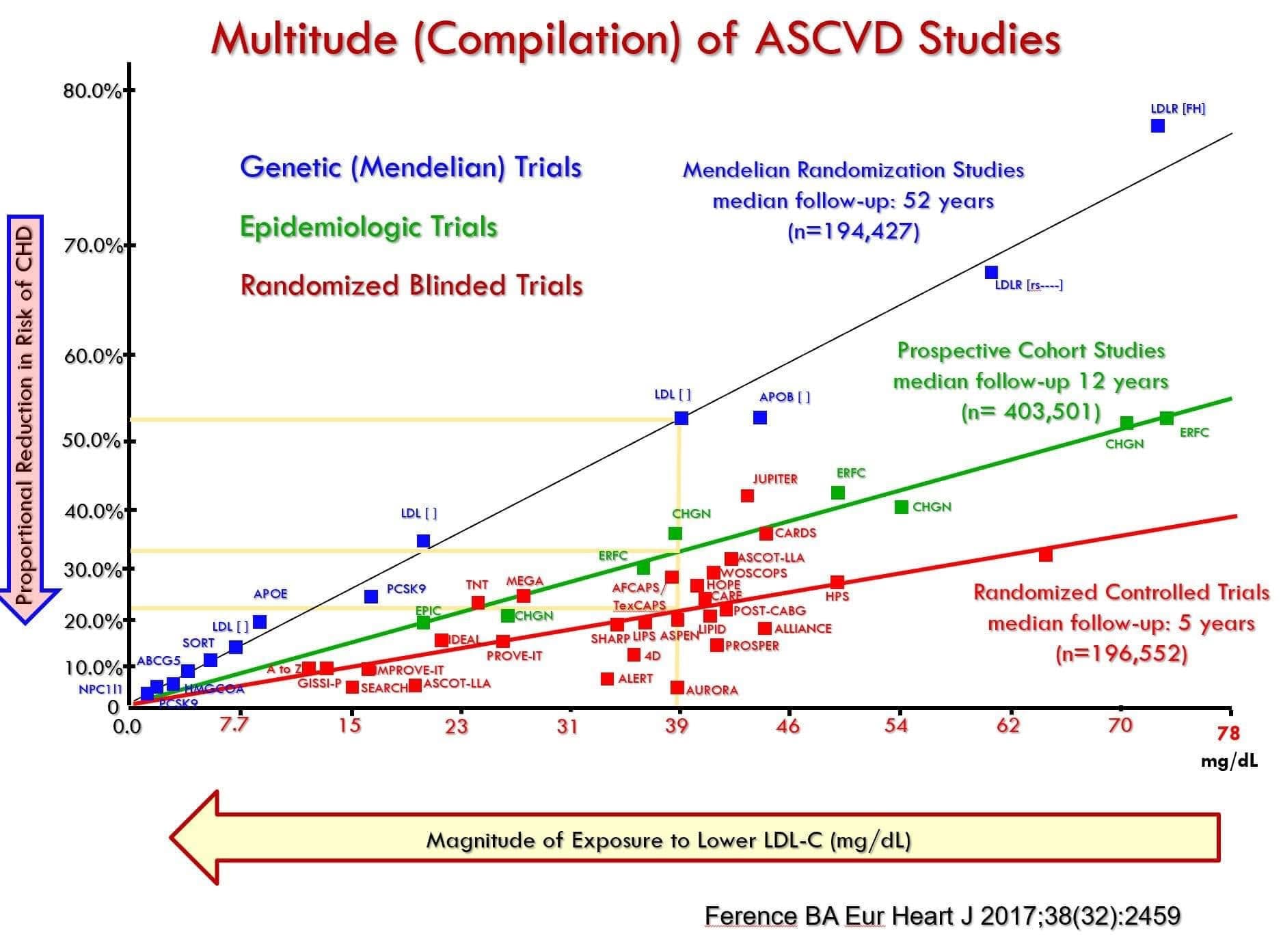
Louis explains a graph combining RCT, cohort and Mendelian randomization data: an LDL reduction of 39 mg/dL (reachable with a very low dose statin) lowers heart attack risk more the longer it is sustained. Translated to absolute risk, a roughly 20% lifetime risk could fall to about 10%, and the rest requires diet, lifestyle and other therapies.

Beef and whey raise insulin more than pasta, oatmeal or glucose: use the insulin index

May 26, 2024 · Louis Nervegna ♥ 23 · 💬 71 ↩ 27 Insulin resistance & diabetes

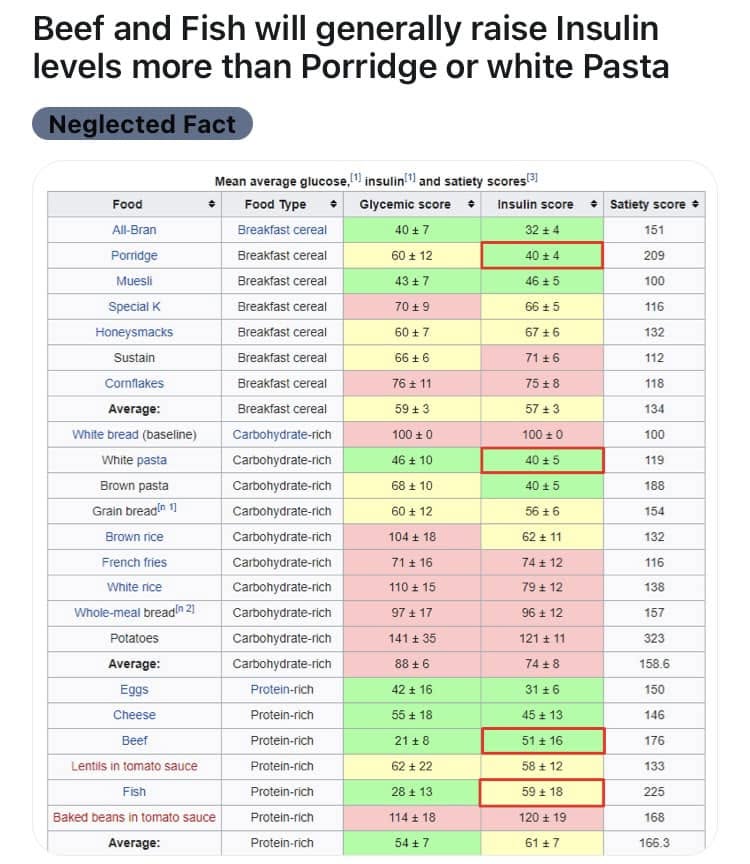
Louis points out that some proteins are more insulinogenic than carbs: beef raised insulin more than equal-calorie white pasta or oatmeal in the 1997 insulin index study, and whey more than glucose or white bread in a 2012 study. He says influencers have misled people about this and recommends learning the insulin index rather than assuming carbs alone drive insulin.

25 statin trials: about 40% fewer heart attacks and strokes per 75 mg/dL LDL drop

Mar 23, 2025 · Louis Nervegna ♥ 37 · 💬 35 Statins

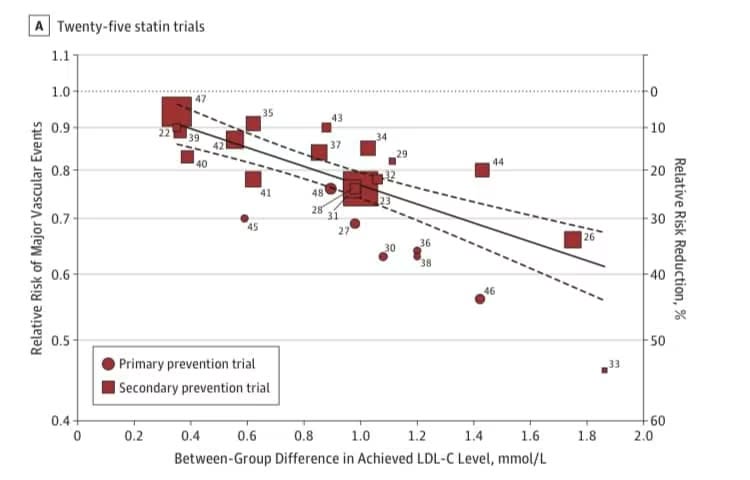
Louis shares a graph of all 25 statin RCTs up to 2016 (excluding those under 6 months or under 50 events), showing about 40% lower MACE per 75 mg/dL LDL reduction, with larger effects in the 7 primary prevention trials. In his own comments he argues calcified plaque is the stable endpoint of soft plaque, and that statins and exercise help by preventing new soft plaque, regressing it and stabilizing the remainder through calcification.